Charming Provence. Between olive groves and pine forests the rocky landscape is wild with the fragrant garrigue that marks its wines. This picturesque southern French region on the Côte d’Azur is famous for its rosé, but with a little bit of digging, and some guidance from your favorite local wine merchant, you can find some of France’s most structured, age-worthy red wines. Although relatively small, Bandol is easily Provence’s most important appellation.
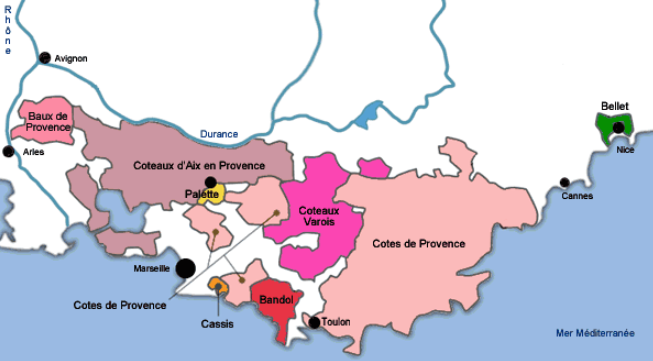 Bandol wine is grown in small quantities in the limestone hills near the village of Bandol, east of Marseille and west of Toulon. It’s sun-soaked southerly terraces brushed with Medditerranean breezes are ideal for cultivating Mourvèdre — a grape variety with one of the longest growing cycles, but when fully ripened has the potential to create some of the most substantial and long-lived wines on our pale blue dot. Being one of mainland France’s driest, sunniest climates, fungal diseases are not the perennial threat they are elsewhere, making the region well-suited to organic viticulture. Bandol red wines must be at least 50 percent Mourvèdre, with the remainder generally blended with the classic grapes of the Mediterranean: Grenache, Cinsault, Syrah, and Carignan.
We are pleased to offer a selection of exceptional wines that speak of sunny Provence. Included in the package are wines from Bandol’s top producers, with five bold and meaty red wines that you can enjoy now or ten years from now, and a rare white Bandol.
Included in Saturday Sips Review Club March 2021 Selection 6-Bottle Package are one each of the following wines:
 Domaine Tempier
One of the oldest family-run estates in the region, Domaine Tempier is also the most recognized. The family was largely instrumental in getting the appellation of Bandol established in 1941. Bandol RED 2018 (Regular $56) is the quintessential expression of Mourvèdre, grown on terraced vineyards on steep hills around the “plan du Castellet.” The wine is full of fruit and earthy flavor, coupled with fine-grained tannins, and a complexity from the multiplicity of soil types that surround the estate, from pure limestone to ancient sandstone and limestone marls. The wine is a blend of Mourvèdre (around 75%), with Grenache and Cinsault, and, in small proportions, Carignan and Syrah, with vines at an average of 35 to 40 years old.
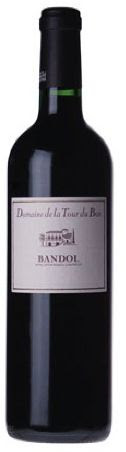 Domaine de la Tour du Bon
Agnès Henry is the winemaker and owner of Domaine de la Tour du Bon. Although the estate has been in the family since 1968, it is Agnès that has cemented its current acclaim. Her 42 acres are a mix of red earth, clay, sand, and gravel that all rest atop a limestone plateau near the village of Le Brûlat. Agnès calls her Bandol RED 2016 (Regular $38) true “blood of the earth.” The blend is 53% Mourvèdre, 27% Grenache, 10% Cinsault, and 10% Carignan from extremely low-yielding vines. The Grenache adds a light cherry fruit to balance out the striking power of the Mourvèdre, while the small additions of Cinsault and Carignan work to bind the two main varieties.
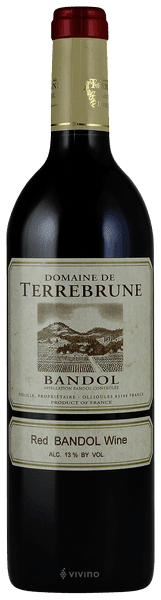 Domaine de Terrebrune
Reynald Delille heads this lauded estate nestled among the foothills of the limestone massif of Gros Cerveau. Certified organic, the estate’s terroir is characterised by the presence of limestone in its brown clay soil which inspired the estate’s name. With Mourvèdre accounting for 85% of the final assemblage, Reynald’s Bandols have an ethereal quality to them — the vineyards lie directly in the path of marine breezes that sweep off the Mediterranean, providing his wines with a mouthwatering saline quality. Bandol RED 2016 (Regular $54) is a fine example. With flavors of black fruit, anise, and wild herbs, its rich texture seems effortless, and its minerality profound. Bandol WHITE 2019 (Regular $41) is a blend of Clairette, Ugni Blanc, and Bourboulenc that shows remarkably subtle ripe peach and pear notes that are balanced with a refreshing, herbal greenness.
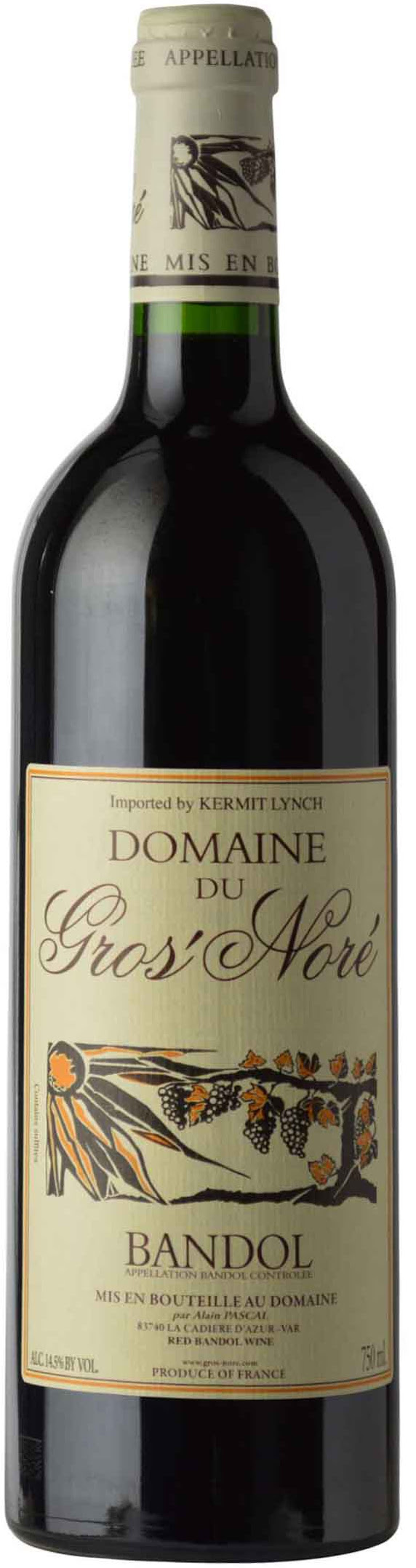 Domaine du Groś Nore
Born in a small house set among the vineyards of Bandol, Alain Pascal always knew he wanted to be a farmer. He bottled his first estate wines in 1997. From the very beginning, Alain produced his wines with minimal intervention — bottled without filtering and fermented with indigenous yeasts. Cultivation is essentially organic, as no chemicals are used on the vines. To provide power and concentration, Alain uses 80% Mourvèdre in Bandol RED 2016 (Regular $47), his flagship cuvée. The rest of the blend is 15% Grenache and 5% Cinsault. The wine is fermented in stainless steel vats and then aged for 18 months in large oak foudres. It has a lovely, elegant nose of jellied black cherry fruit and mediterranean herbs. It’s bold yet supple on the palate with concentrated fruit, clean earth, stone, and refined tannins. Bandol RED 2011 (Regular $79) has a few years of maturity. The 2011 vintage shows similar characteristics as the 2016, but has softened and integrated a bit more.
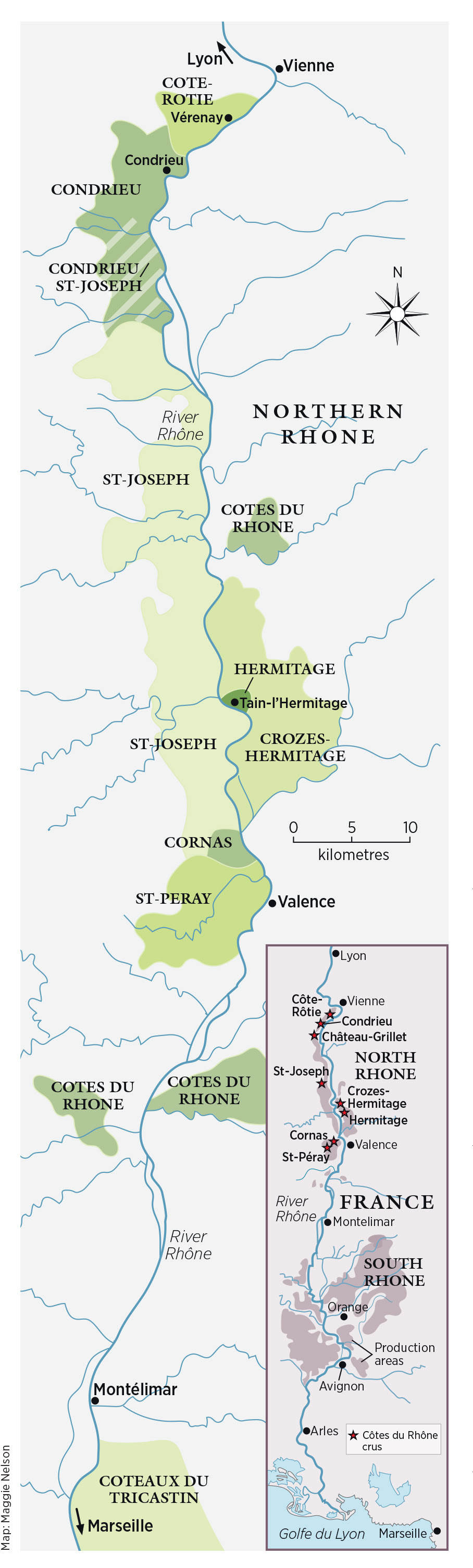 Home to some of the world’s most sought-after wines, Northern Rhône is the land of Syrah. Indeed, Syrah is the sole red wine grape allowed to be planted in the region’s major appellations, and it accounts for around 95% of the region’s wines.
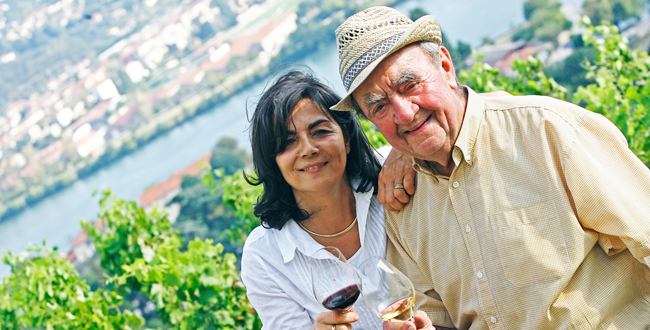 Some of the best values of the Northern Rhône come from Saint-Joseph and the appellation’s most complex wines are similar to those found in Côte Rôtie. For more than forty vintages, the late Georges Vernay was a towering figure in Northern Rhône, producing wines remarkable for their grace and complexity. Georges died in 2017 but had long since passed the torch to his daughter Christine Vernay. Since taking charge in 1997, she has brought the domaine to even greater heights. Christine continues with the methods developed by her father to best express the magic of the region’s wines. Yields are very low and the vineyards are organically farmed. Literally translated as “Lands of Ink” “Terre d’Encre” Saint-Joseph 2018 (Regular $77) is a wine worthy of its name. Produced from 30-year-old Syrah vines planted on granite soils in the municipality of Chavanay, it’s all meat and black cherry with a twang of acid, and a spicy licorice note on the finish.
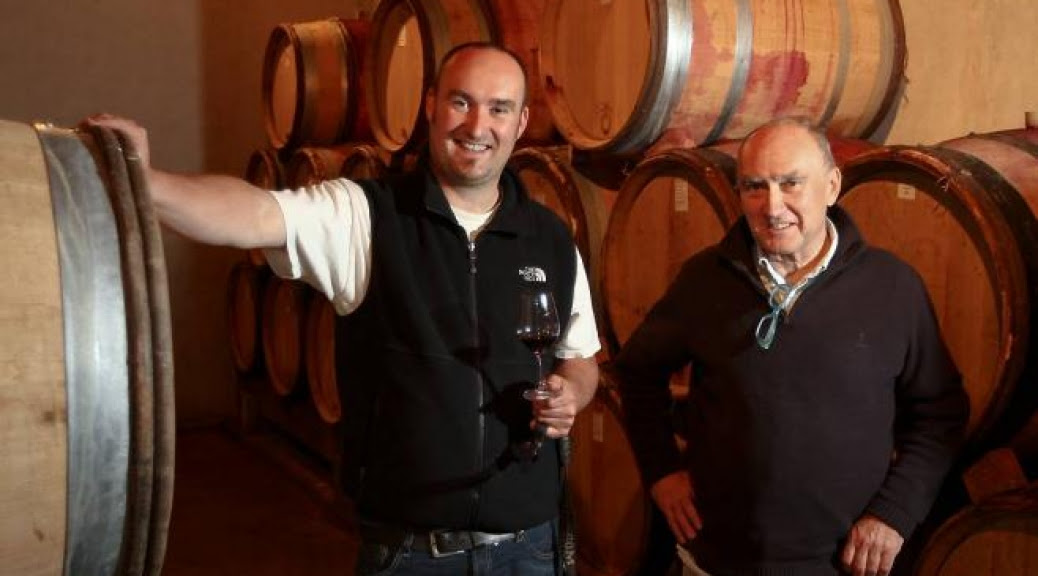 With many vineyards in the appellation being pebble-covered terraces with granite-clay soils and a blend of sand, look to Crozes-Hermitage for amped up floral aromatics and elegance. There are few names as revered as Alain Graillot in Northern Rhône. After working with the venerable Jacques Seysses at Domaine Dujac in Burgundy, Alain came back to his home in Crozes-Hermitage to start his own domaine in 1985, and soon became known for producing some of the region’s most haunting wines from his stony, organically farmed vineyards. Alain’s sons Maxime and Antoine have been in charge since 2008, with Alain working closely alongside them to this day. Crozes-Hermitage 2018 (Regular $49) is 100% Syrah from 30+ year old vines grown in the villages of La Chene Verts. 100% whole cluster fruit is fermented in concrete with indigenous yeast and then aged in 1-3 year old barrels purchased from some of the top estates in Burgundy. Spice-accented aromas of ripe dark berries and candied violet lead to a rich and energetic sip that finishes nice and spicy.
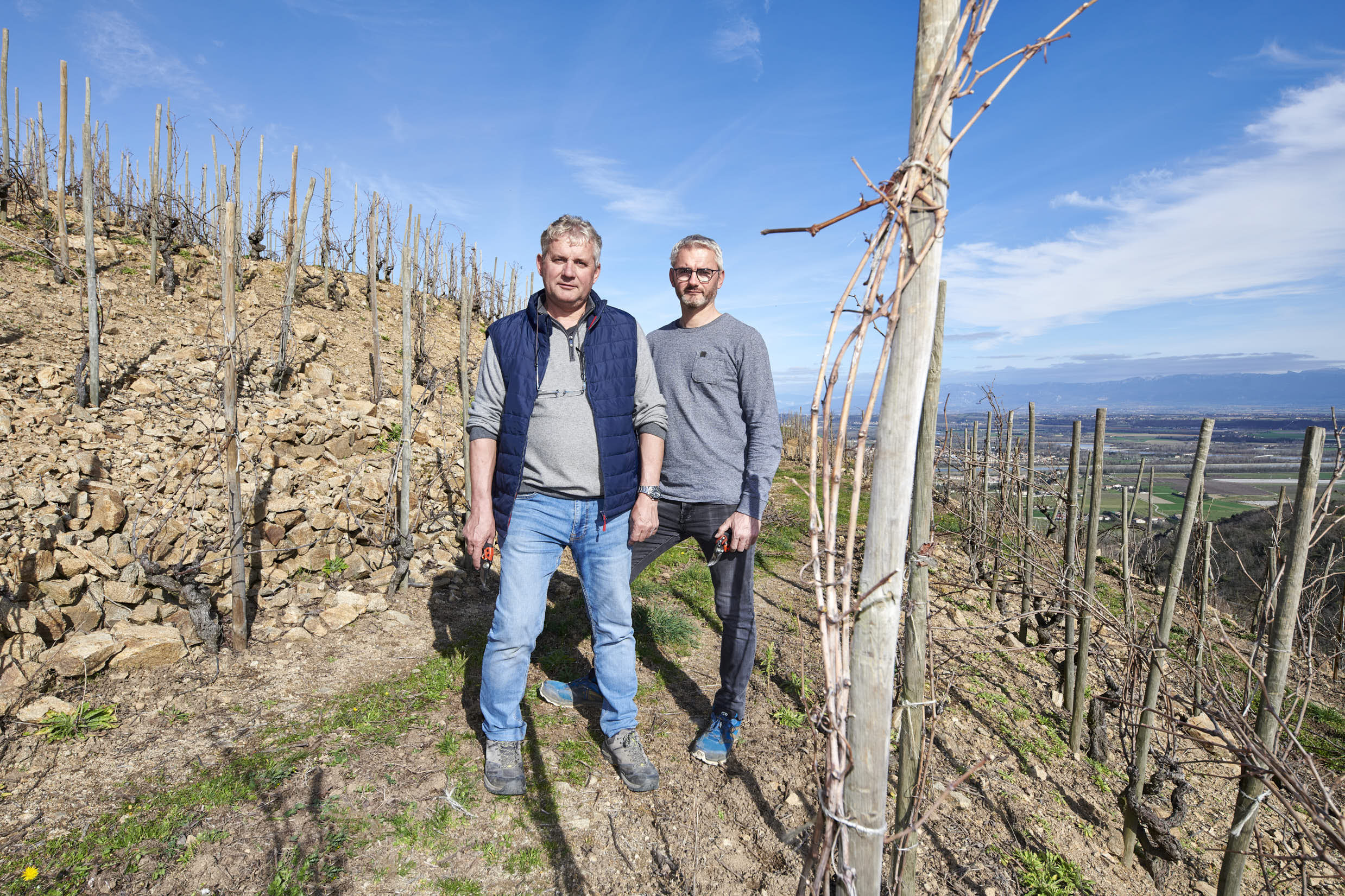 The burliest, meatiest, and ripest wines in Northern Rhône are usually Cornas. Yet they still offer the freshness and distinct minerality that is a hallmark of the region’s Syrah. The up-and-coming, small estate of Domaine Durand consists of 54 acres of vines across the appellations of Saint-Joseph, Saint-Péray, and Cornas, and is run by brothers Eric and Joël Durand. Methods are sustainable, yields are moderate, and the approach is geared towards producing wines of elegance, subtle power, and great purity. “Prémices” Cornas 2016 (Regular $40) is 100% Syrah. It comes from a selection of granite soil plots in areas that produce soft yet refined wines. Vines are 13 to 15 years old and yields are low. The grapes are harvested at peak balance and de-stemmed before fermentation. Maturation lasts for 12 months in used casks to produce a wine both generous and fresh, with fine yet prominent tannins, and loads of plum, fig, and blackberry fruit.
 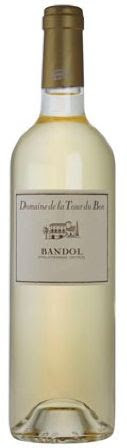 Domaine de la Tour du Bon
 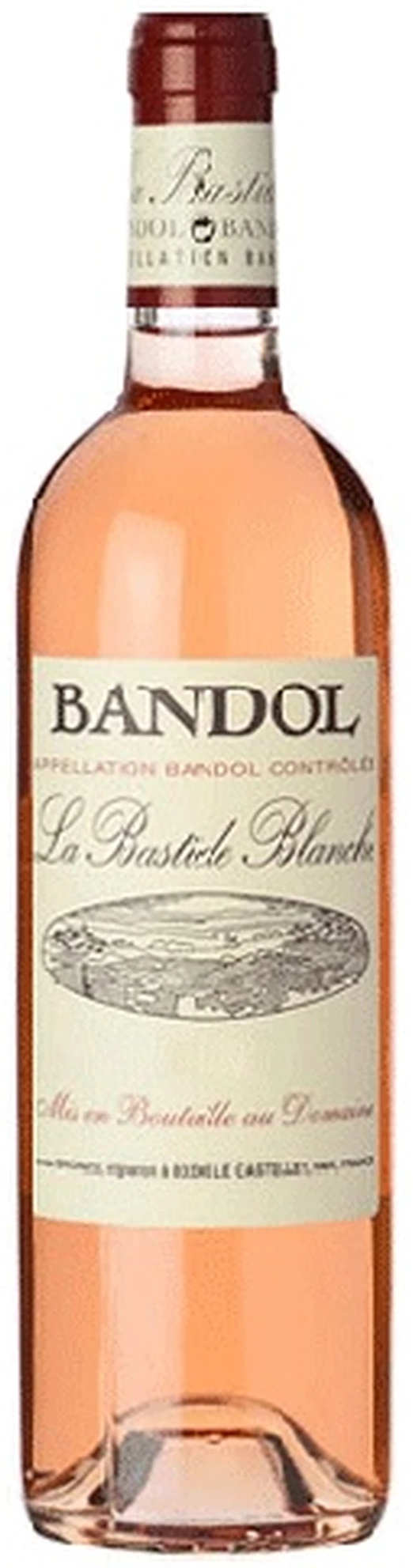 La Bastide Blanche
 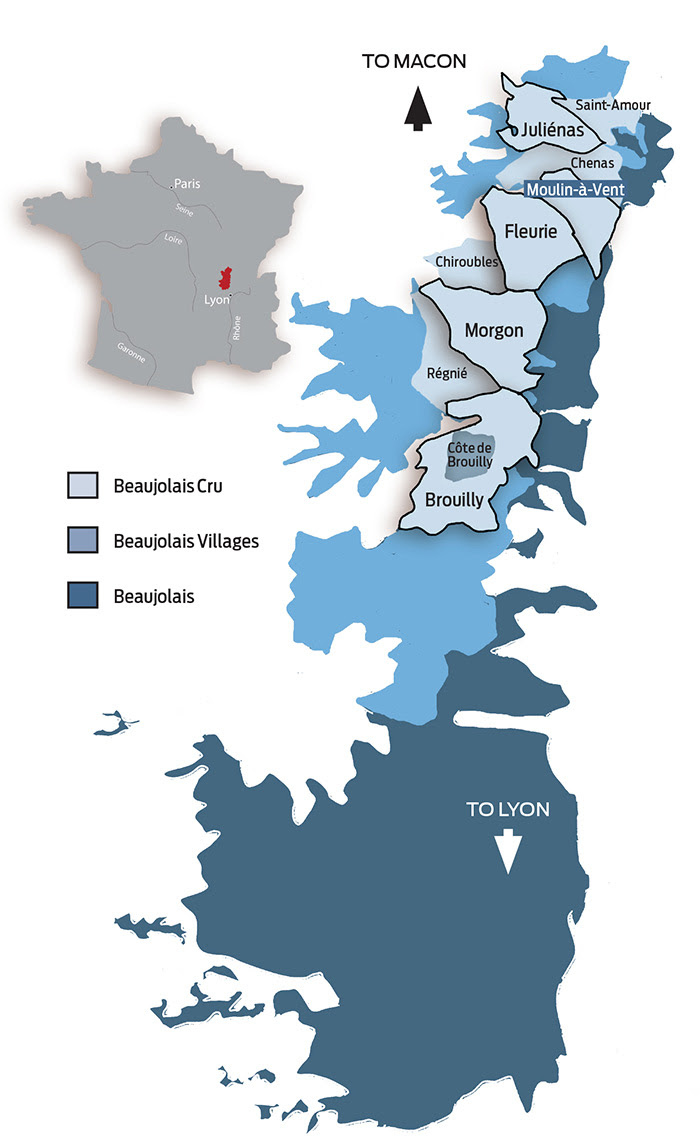 Included in the package are wines from eight of Beaujolais’ ten Cru appellations — known for their extraordinary soils and microclimates and the capability of producing the most remarkable wines of the region. Although these are all Gamay-based wines, they are produced using many of the traditional methods practiced in Burgundy, including a focus on healthy vineyard ecosystems with the goal of making wines that express their terroir.
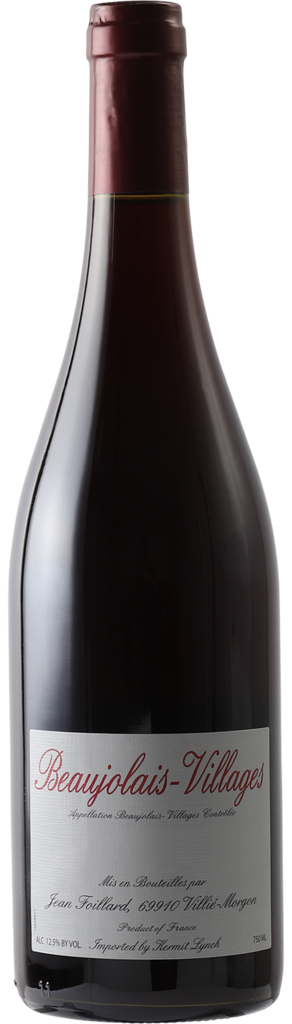 A living legend in Beaujolais, Jean Foillard is a traditionalist who has returned to the old practices of viticulture and vinification: starting with old vines, never using synthetic herbicides or pesticides, harvesting late, rigorously sorting to remove all but the healthiest grapes, adding minimal doses of sulfur dioxide or none at all, and refusing both chaptalization and filtration. Jean Foillard 2019 (Regular $29) Beaujolais-Villages consists of a blend of several granite terroirs on the outskirts of the cru villages, mostly high in the hills where Gamay once failed to ripen consistently. With today’s climate, ripening is no longer a concern, even in these cooler sites. Consider this wine a lighter, brighter, higher-toned sibling to the domaine’s benchmark Morgon.
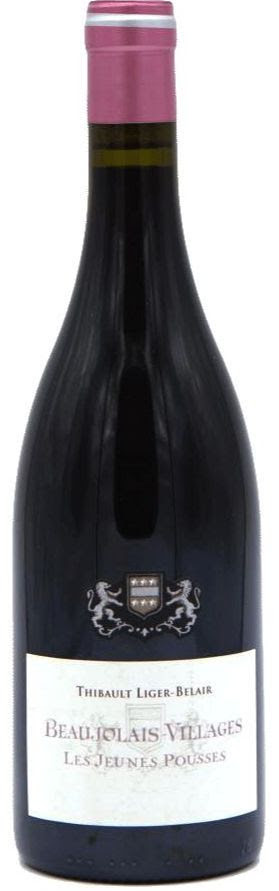 Cousin to Vicomte Liger-Belair of La Romanée fame, in 2001 Thibault Liger-Belair took over storied family property in Nuits-Saint-Georges. In 2008, Thibault decided to deploy his talent and knowledge in Beaujolais. Thibault Liger-Belair “Les Jeunes Pousses” 2017 (Regular $31) is Thibault’s basic cuvée, made with fruit from the granite soils of the northern part of the region. It begins powerfully fragrant with violets and dark cherries. Although easy to drink, as Beaujolais-Villages ought to be, there is a vein of iron-metallic energy at the wine’s core leading all the way to a finish of crunchy ripe tannins. This is a Beaujolais-Villages with the gravitas of the Côte de Nuits.
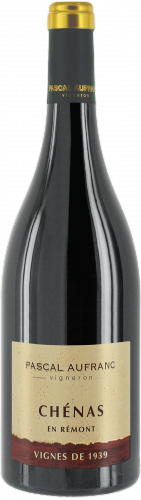 Chénas
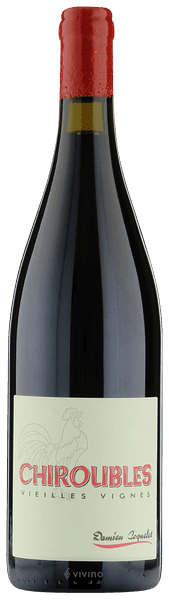 Chiroubles
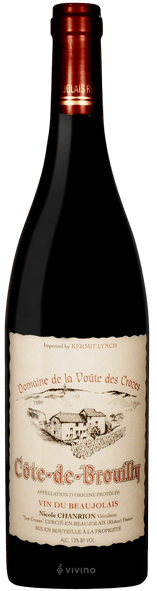 Côte de Brouilly
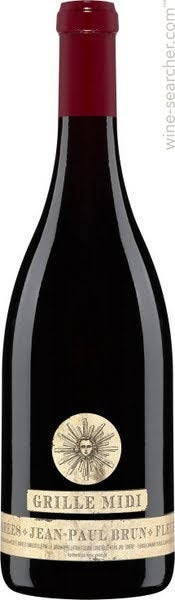 Fleurie
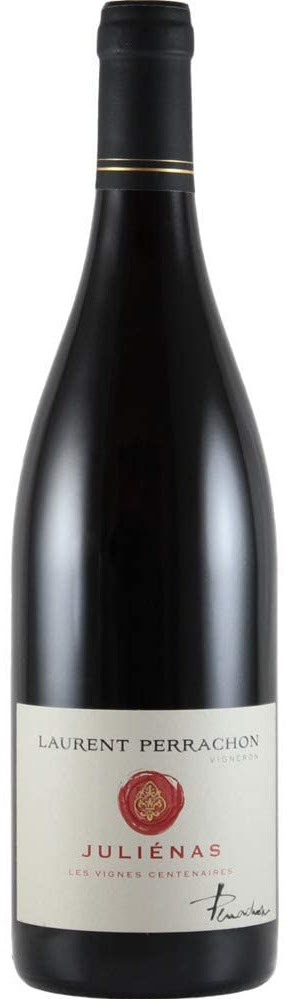 Juliénas
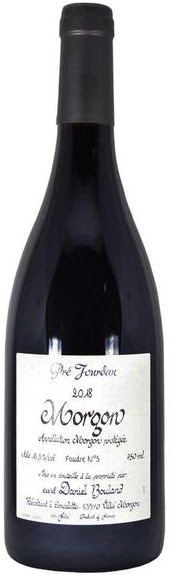 Morgon
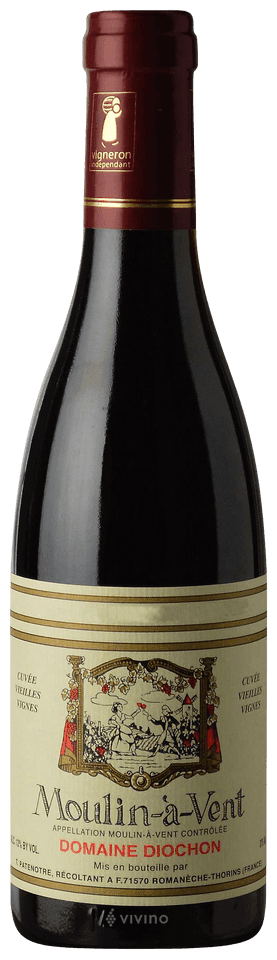 Moulin-à-Vent
 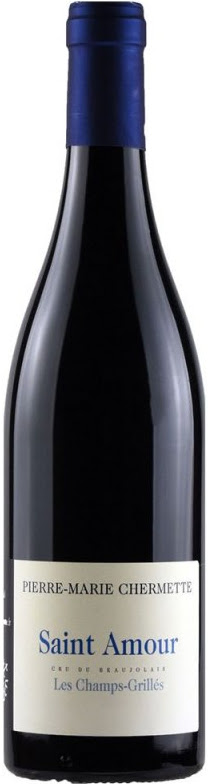 Saint-Amour
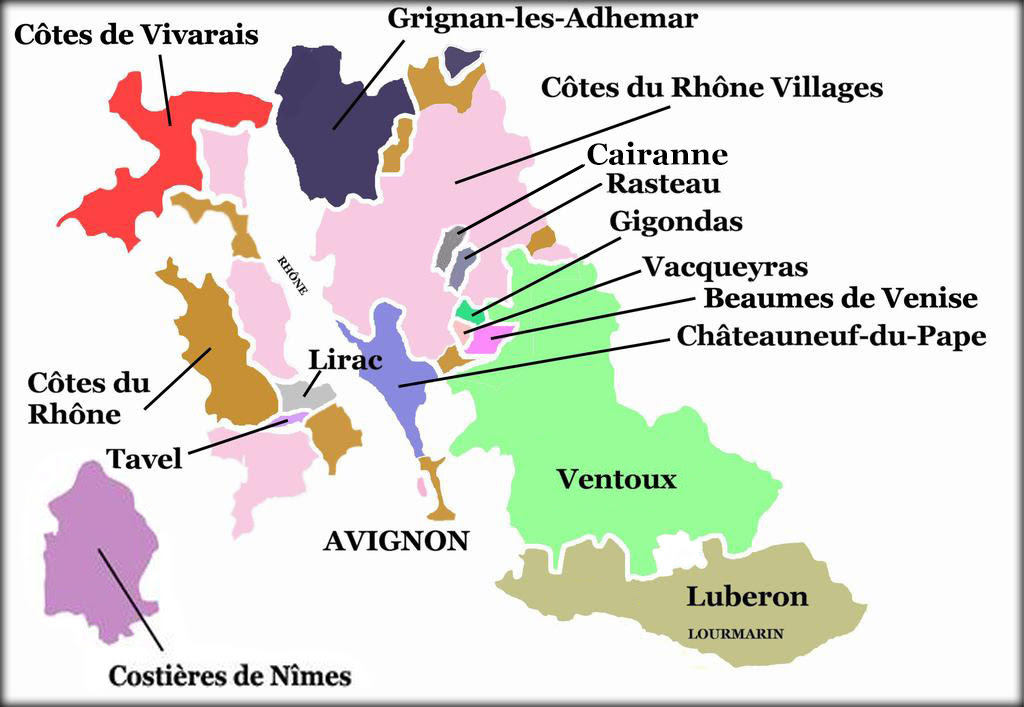 The Rhône River stretches from the Alps to the Mediterranean through an incredibly diverse expanse. At its southern end, between the cities of Vienne and Avignon, rolling hills meet plateaus of varying elevation under the toasty Mediterranean sun. Long, warm summers and mild winters allow the region’s dominant grape variety, Grenache, to yield good concentration via stony soils and low rainfall. This is the region of France’s most user-friendly wines.
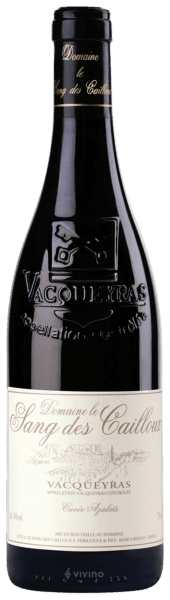 Vacqueyras
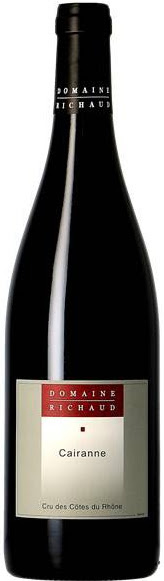 Cairanne
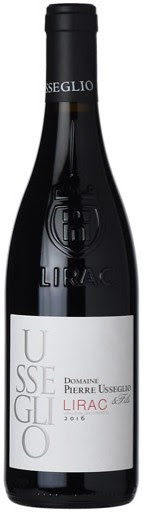 Lirac
Lirac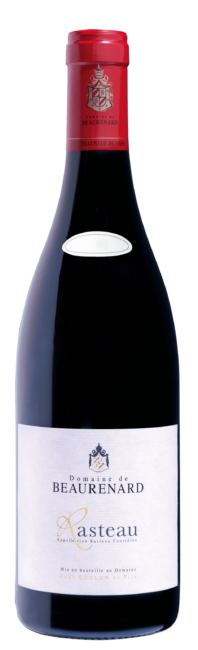 Rasteau
 Gigondas
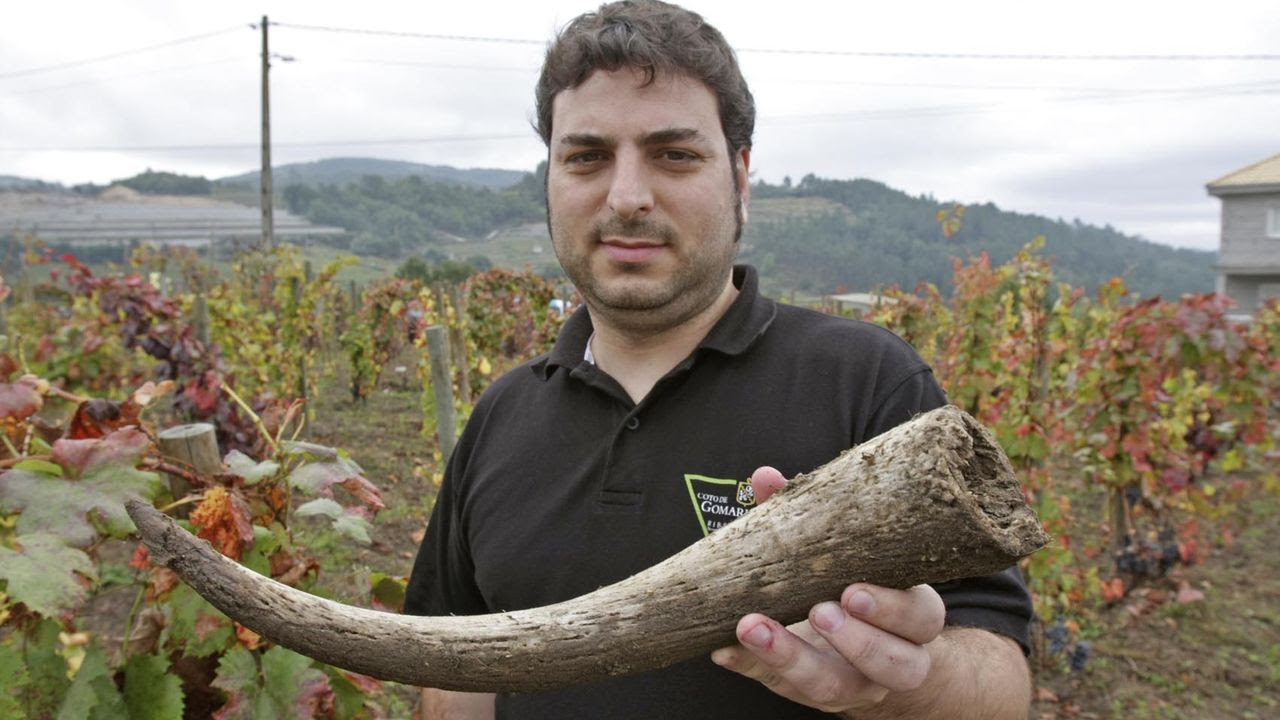 Coto de Gomariz was created in 1978 by the Carreiro family. They began the area’s resurgence by recovering a vineyard that Cistercian monks had established in the 10th century. Today, they own close to 70 acres of vineyards. Coto de Gomariz winemaker Xosé Lois Sebio is one of the most admired and exciting names in Ribeiro. He employs both organic and biodynamic viticulture practices in the vineyards and all wines are fermented with indigenous yeasts.
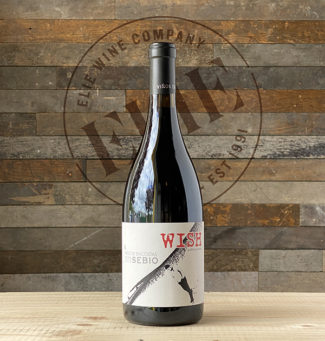 Made only during warm vintages, “Wish” is a tribute to the pioneering post-punk band The Cure, who accompanied Xosé Lois Sebio through his youth. It is also named after the aspiration to make a single wine with fruit from very old strains growing on a plot at the limit of Ribeiro on the steep, terraced Penelas slope oriented to the northwest. This plot is always last to be picked, yet in warm years it produces a wine of fresh, floral, and fruity intensity reminiscent of Côte Rôtie. A blend of 50% Ferrol, 35% Caiño Longo, 10% Sousón, and 5% Bastardo fermented with indigenous yeasts and aged for 14 months in French Oak barrels for a wine with gorgeous aromatics of lilac, high-toned fruit, and distinct minerality. Only 94 cases produced.
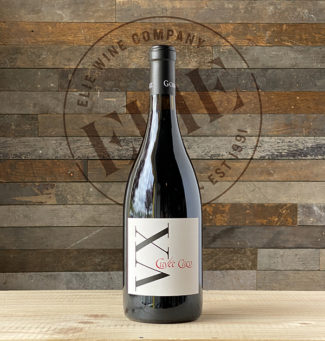 VX or “experimental wine” was the name written on the first barrels aged at Coto de Gomariz, and Caco is the nick-name of Ricardo Carreiro´s father. It is a blend of 50% Sousón, 30% Caiño Longo and Caiño da Terra, 15% Carabuñeira, and 5% Mencía from the “A Ferreira” estate vineyard re-planted with local varietals in 1994. Fermented with native yeasts and aged for 20 months in new French 500 liter oak barrels. Fragrant spiced dark berries and licorice on the nose precedes a sip that offers depth and focus with a hint of vanilla and framed by supple tannins. Only 208 cases produced.
 Abadía de Gomariz is a blend of 50% Sousón, 25% Brancellao, 20% Ferrol, and 5% Mencía from the village of Gomariz where soils are granitic with schist and clay. Though fermented in stainless steel, the wine is aged for one year in 500-liter used oak barrels, mostly of French origin, to tame some of the hairy tannins that Sousón can exhibit. A sip is juicy little forest berries with a long and winding cherry pit finish. On the nose, the berry fruit is sweeter with hints of licorice and cream. On the label is the coat of arms of the Abbey Gomariz — the oldest civil building for winemaking in the Iberian Peninsula. Only 1,600 cases produced.
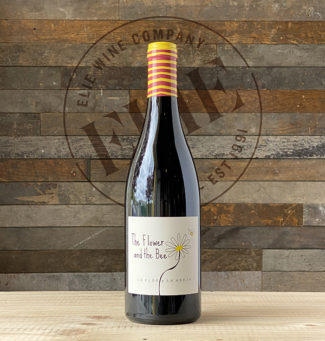 This miniscule production everyday red comes from younger Gomariz vineyards planted with the native variety Sousón in mostly granitic soils. Fermented with native yeasts and aged for 4 months in barrel, this wine is the entry level of Gomariz, yet expresses the same identity of the Avia Valley terroirs as its more ambitious siblings. It’s a versatile wine full of ripe dark berry aromas with a pinch of herbs and spice and a bright finish. The lively label represents both the origin of vine fertilization, as well as the estate’s respect for nature. Only 1,250 cases produced.
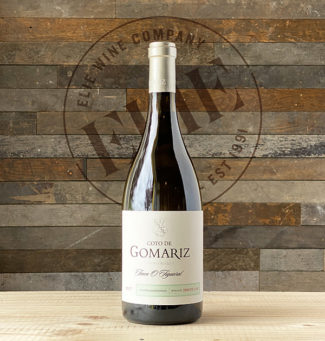 70% Treixadura, 10% Godello, 10% Lado, 5% Loureira, and 5% Albariño from the single estate vineyard “O Figueiral” in Gomariz grafted with local grape varieties in 1978. The terroir is mostly clay with a subsoil of schist. Free-run juice begins fermentation in stainless steel vats and finishes in new 500 liter French Oak barrels. It is then aged over fine-lees for 10 months with periodic battonage to build body while maintaining balance. Melon, peach, and tangerine aromas with floral overtones precede a stony and precise, lush yet lively wine. Only 275 cases produced.
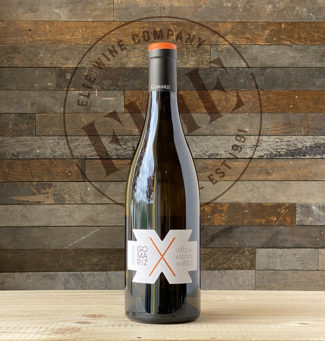 “X” is a blend of 95% Albariño and 5% Treixadura named after the schist soils (xisto in Gallego) where the grapes are grown. This single vineyard wine comes from fruit grown in the “As Penelas” plot. Free-run juice is fermented with native yeasts and then aged in stainless steel vats. Aromas of yellow fruit and honey with a touch of lemon pith precede a fleshy mid-palate, offering vibrant citrus and orchard fruit flavors braced by juicy acidity and a finish of nervy minerality. This is the kind of white wine that will please just about everyone. Only 400 cases produced.
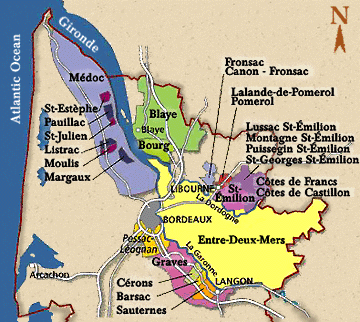 the soils of mainly clay and limestone that cover the “Right Bank” Bordeaux appellations of Pomerol and Saint Émilion are capable of producing wines that reveal the complete range of the Merlot variety and are the reference points for the rest of the world.
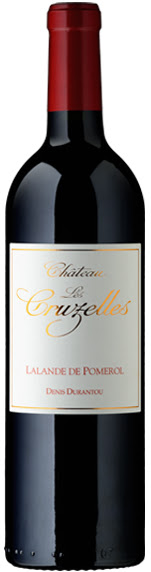 Lalande de Pomerol
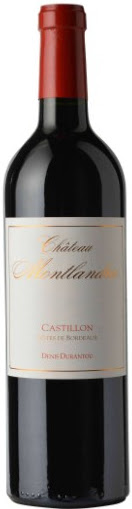 Castillon – Côtes de Bordeaux
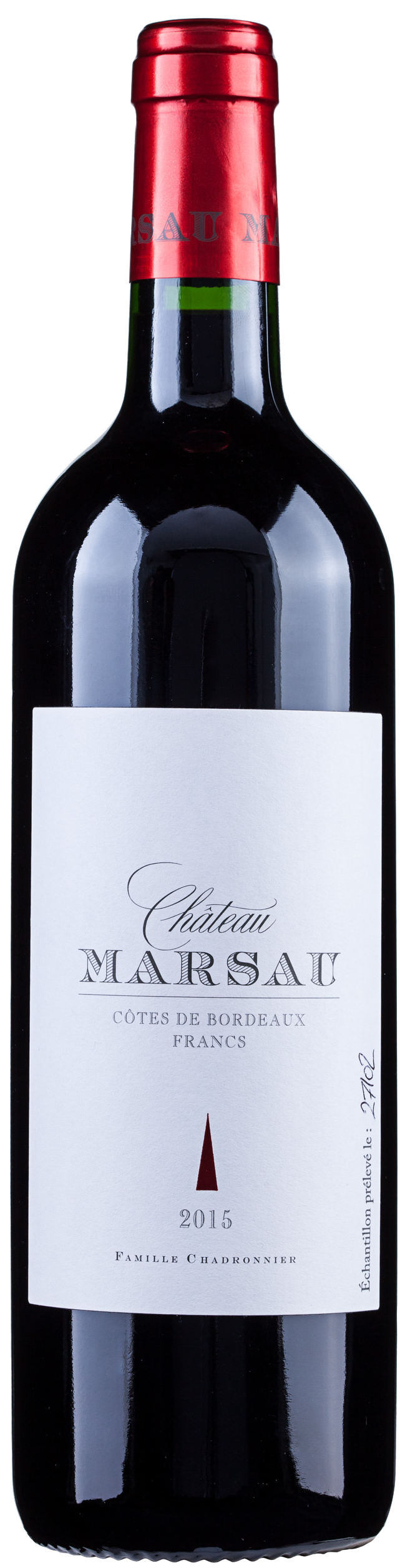 Francs – Côtes de Bordeaux
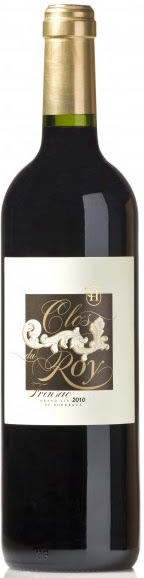 Fronsac
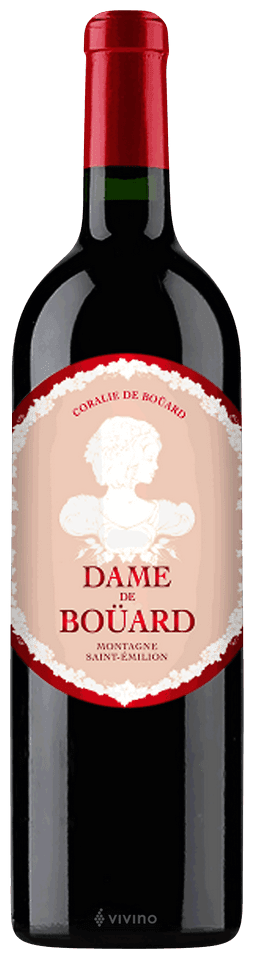 Montagne Saint-Émilion
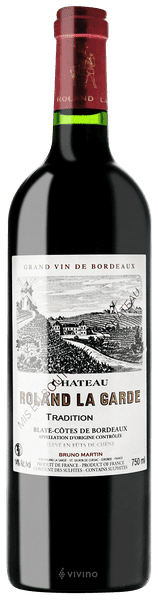 Blaye – Côtes de Bordeaux
 We have prime examples of everything from inexpensive regional wines to the inimitable Grand Crus of Montrachet and the Côte de Nuits.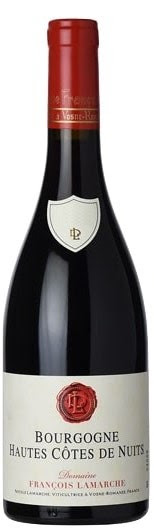
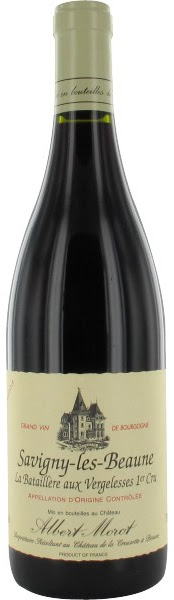 The Slopes of Côte d’Or
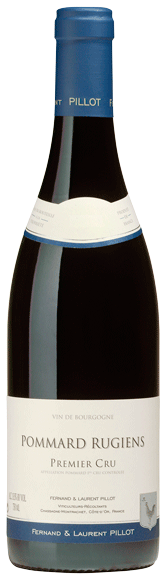 The Premiers Crus of Côte d’Or
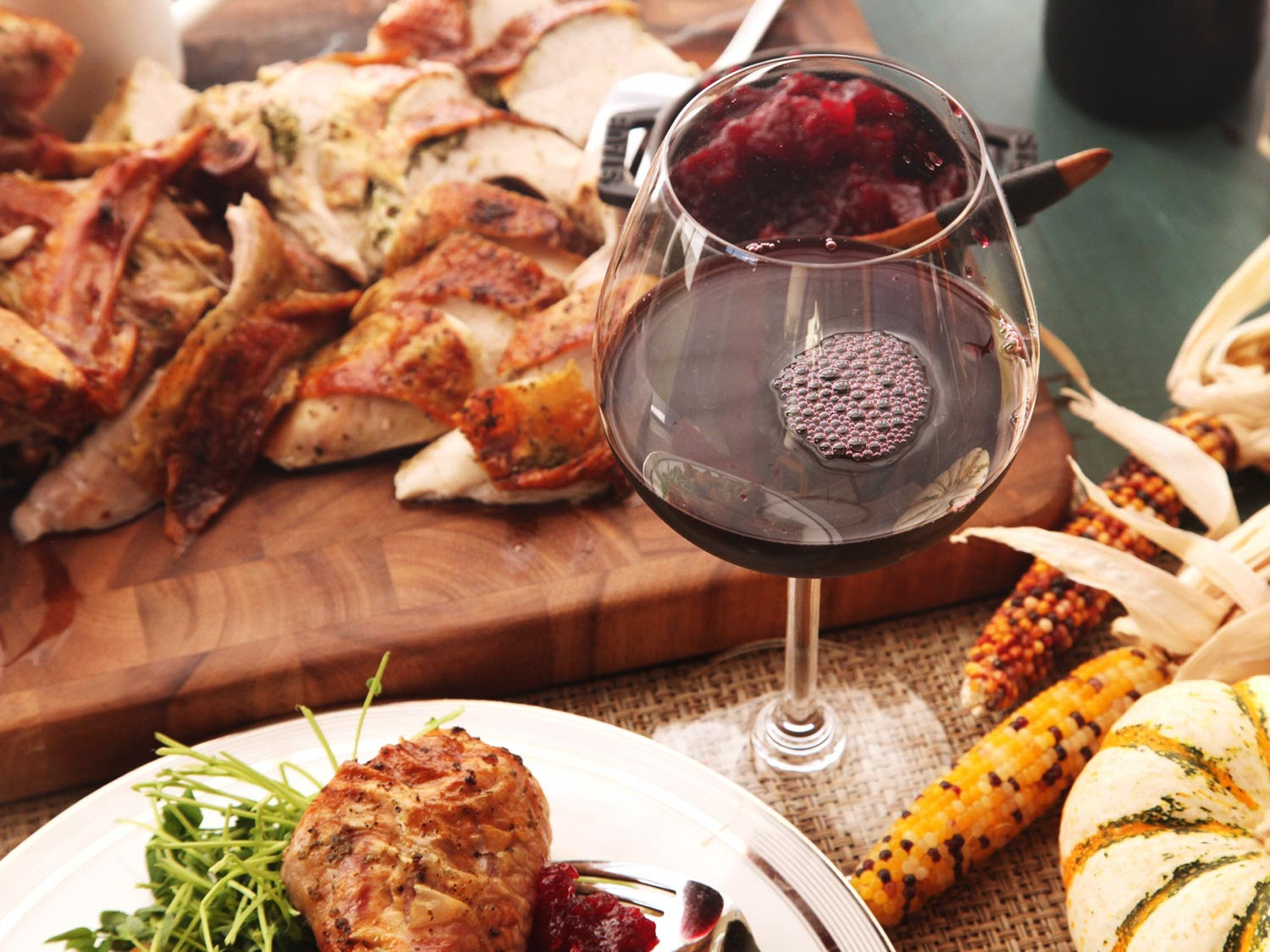 The typical Thanksgiving meal is far too diverse with textures, flavors and aromas to labor over perfect pairings. The most important characteristics of the wines on your table is that they are light, refreshing, energetic, with moderate alcohol, lots of fruit, a lively acidity, and versatile.
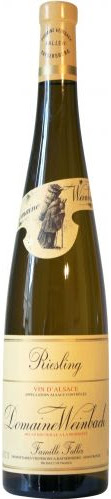 Domaine Weinbach Riesling (Alsace 2018) Regular Price: $33, WHITE
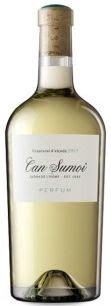 Can Sumoi “Perfum” (Penedès 2019) Regular Price: $25, WHITE
 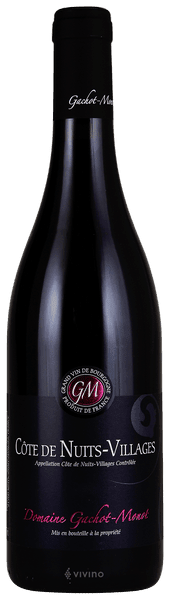 Domaine Gachot-Monot (Côte de Nuits-Villages 2018) Regular Price: $34, RED
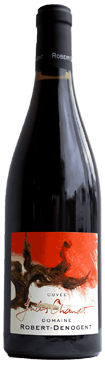 Domaine Robert-Denogent “Jules Chauvet” (Beaujolais-Villages 2017) Regular Price: $25, RED
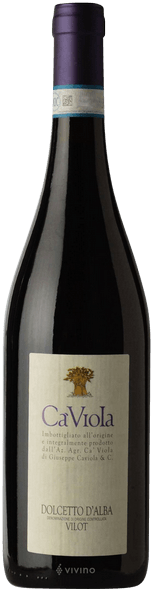 Cà Viola “Vilot” (Dolcette d’Alba 2017) Regular Price: $19, RED
 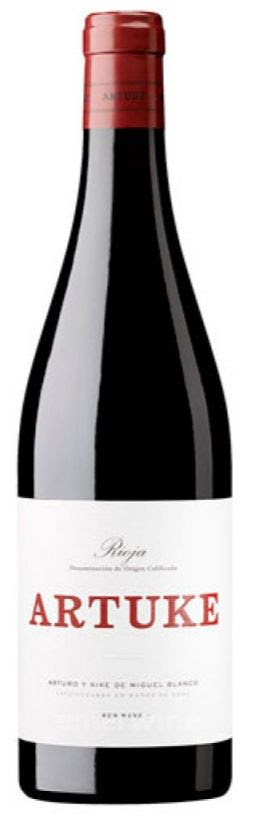 Artuke (Rioja 2019) Regular Price: $17, RED
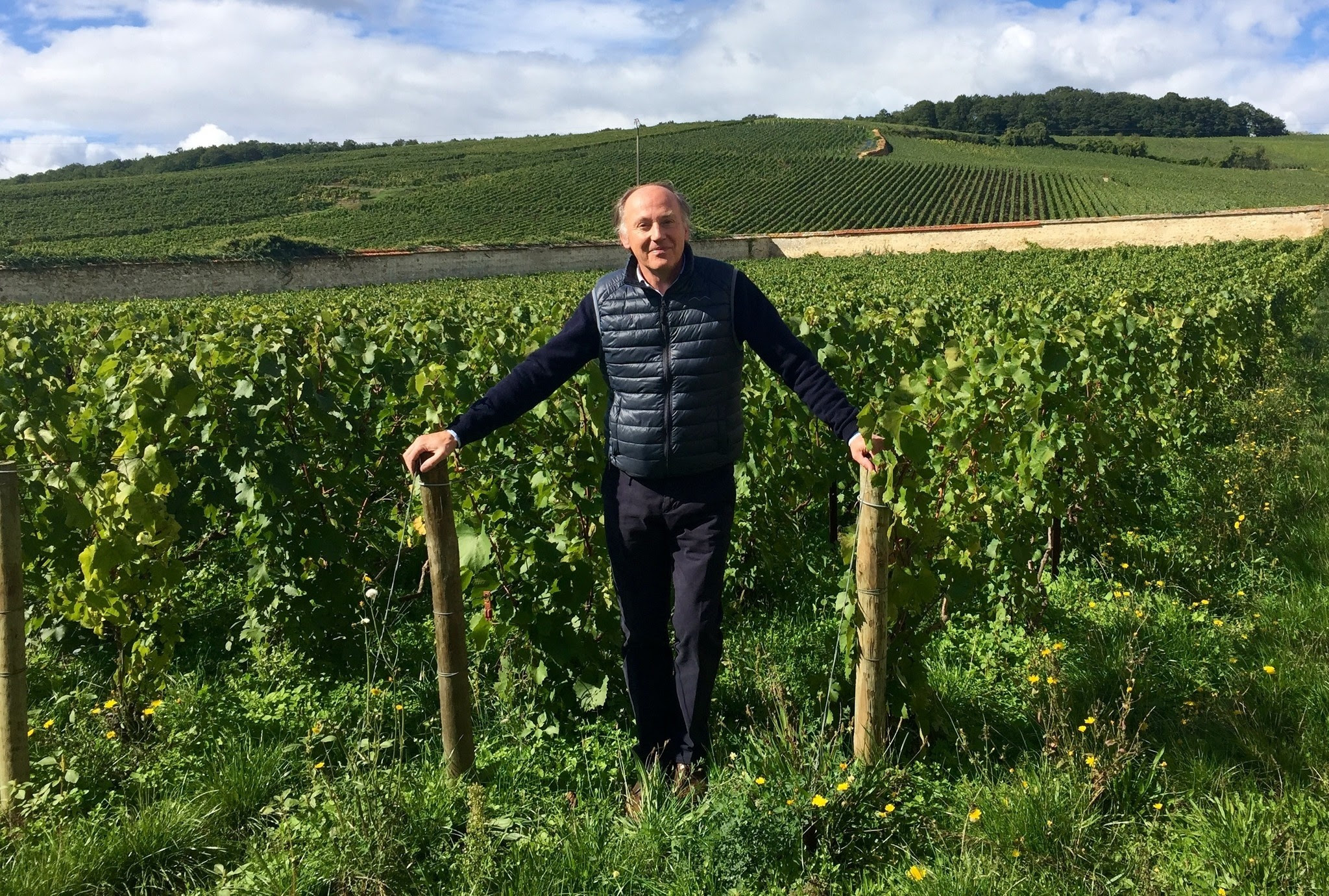 Today, enologist Hervé Jestin continues the legacy of this visionary house.
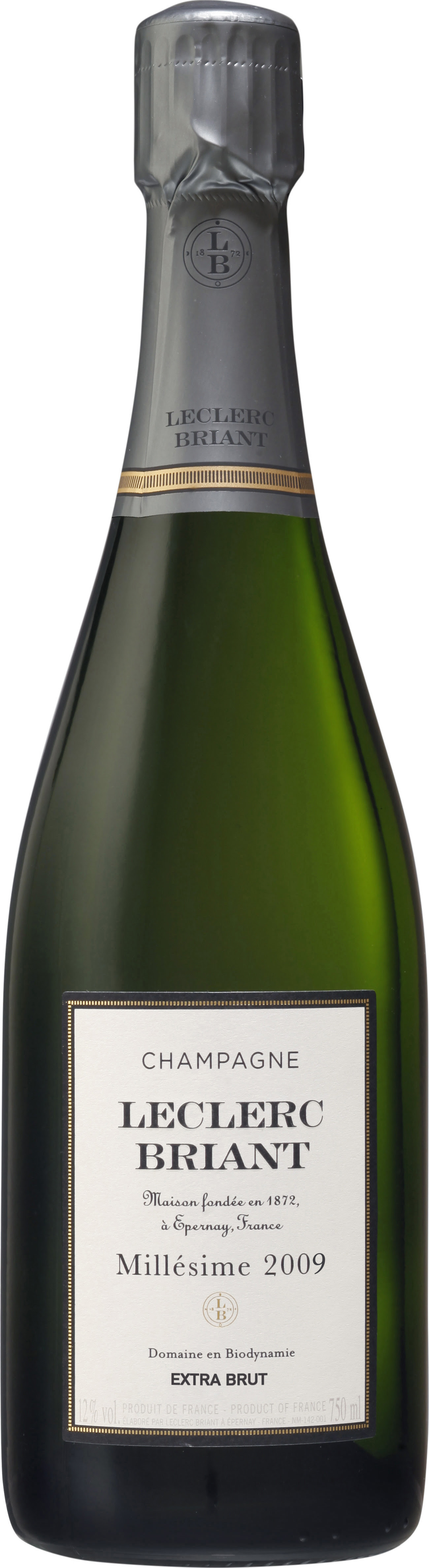 Their extensive cellars are more than a half of a mile in length and over 100 feet below the surface — ideal for maturing champagne.