“Glowing wine on his palate lingered swallowed. Crushing in the winepress grapes of Burgundy. Sun’s heat it is. Seems to a secret touch telling me memory. Touched his sense moistened remembered. Hidden under wild ferns on Howth below us bay sleeping: sky. No sound. The sky… O wonder! Coolsoft with ointments her hand touched me, caressed: her eyes upon me did not turn away. Ravished over her I lay, full lips full open, kissed her mouth. Yum…. She kissed me. I was kissed. All yielding she tossed my hair. Kissed, she kissed me.” – James Joyce, ‘Ulysses’
In the Roaring Twenties, such literary eroticism had its price: ‘Ulysses’ was banned in the United States from 1922 (the year it was published) to 1933, a period of time that roughly mirrors Prohibition. James Joyce’s iconic novel follows—in minute and exhilarating detail—three Dubliners as they meander through the course of a single day, June 16, 1904, and is today considered one of the most important works of literature ever composed.
 Much of the action in ‘Ulysses’ takes place in pubs, where Leopold Bloom—the novel’s main protagonist—shows a particular penchant for Burgundy. In a passage that made the very real ‘Davy Byrne’s Pub’ famous, Bloom orders a Gorgonzola sandwich along with his customary glass of Burgundy.
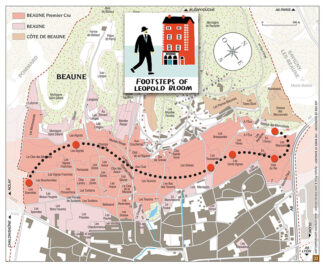
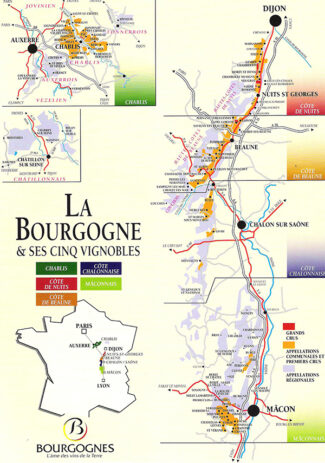
We won’t sell you cheese or bread, because we’re a wine shop. But while Joyce fans across the globe celebrate ‘Bloomsday 2021’ by marathon Joyce readings, pub crawls and bubbly walks through Dublin, we’ll take you on a symbolic stroll along the ancient Route de Bouze, which divides Beaune into two distinct sub-regions, North and South.
We are pleased to offer one bottle of each of the following six wines for an inclusive price of $299. Happy Father’s Day.
• • • • SOUTH • • • •
Domaine Claudie Jobard ‘Gabriel Billard’
Claudie Jobard’s mother is considered one of the top oenologists in France and her father was a ‘pépiniériste viticole’ descended from generations of Burgundian vine growing experts. With a pedigree that illustrious, one expects great things from Claudie, the 8th generation in her family to work in wine. The domain was created by Claudie’s parents in the 1970s and named for her maternal grandfather, but prior to 2004, ‘Gabriel Billard’ was sold exclusively to négociants. It was Claudie’s influence that brought these wines directly to the public, under a winemaking principal that she refers to as ‘la lutte raisonnée’, or ‘the reasoned struggle’ which is conscientious organic farming without the stricture of official certification rules.
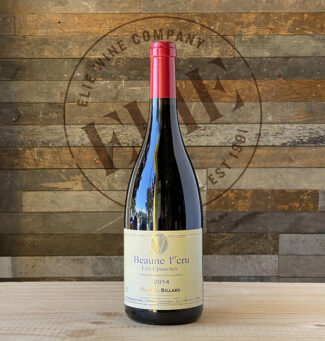 Beaune Premier Cru “Les Epenotes” – Jobard 2014 ($38): The ‘climat’ of Les Epenotes derives its name from ‘épine’—a reference to the thorn-shrubs that once grew here. The wine displays a supple, pretty nose replete with dried cherry and cassis with notes of hazelnut and cocoa; the palate is long and generous, with a hint of smoke and vanilla in the background, finishing with a delightfully rustic piquancy.
Domaine Albert Morot
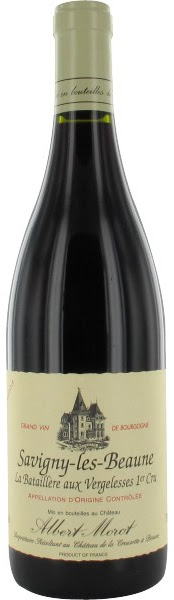
Virtually synonymous with Côte de Beaune, Domaine Albert Morot was founded in 1820 by a négociant, and by 1890, the family-run business had moved into the same buildings on the Route de Bouze that they occupy today. In 2000, Françoise Choppin—the great granddaughter of the original owner Albert Morot—turned the estate over to Geoffroy Choppin de Janvry, who had prepared for his role by studying agronomy at Montpellier University. The Domaine consists of just under fifteen acres of vineyards split between seven Beaune Premier Cru vineyards: Les Teurons, Les Grèves, Les Toussaints, Les Bressandes, Les Cent-Vignes, Les Marconnets and Les Aigrots.
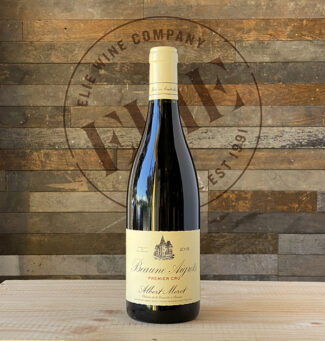 Beaune Premier Cru “Aigrots” – Morot 2015 ($50): Aigrots is another thorny 1er Cru, this one named for the holly shrubs in the west of Beaune where the terroir is typical of the finest Burgundies—calcareous clay, limestone and scree. The wine is expressive and bright, showing black cherry and raspberry up front with a slightly earthy undertone; moderate spice, mostly cinnamon and cola, which warms the mid-palate and leads to a clean, acidic finish filled with silky tannins.
• • • • NORTH • • • •
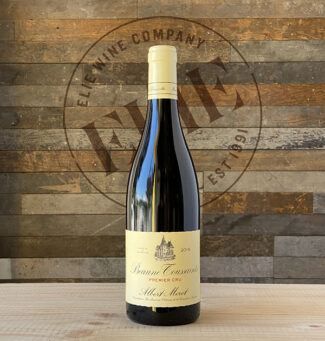 Beaune Premier Cru “Toussaints” – Morot 2016 ($49): More from Morot! Les Toussaints, means ‘all saints’ and lies in the northern sector of Beaune surrounded by some of Beaune’s larger and better-known Premier Crus, including Grèves, Bressandes and Cents-Vignes. Wines from the north tend to be fresher and more elegant than those from the south; this one shows notes of macerating black cherries mingled with rose-petals, lychee and spices accented by chocolate. The structure is powerful and rounded and the finish is satisfyingly long.
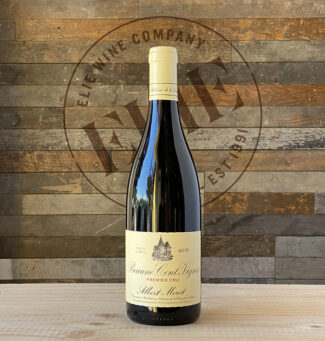 Beaune Premier Cru “Cent-Vignes” – Morot 2015 ($50): This Morot selection hails from the base of the Beaune hillsides, where the lightweight, sandy-textured is typical of lower vineyards where there is an accumulation of scree. The wine is medium-bodied and aromatic; the vividness of the nose is outstanding, and the on the palate, the fruit tends toward the red side of the spectrum, with tart cherry and wild raspberry along with a soil-driven earthiness.
Domaine Rapet
The family estate of Rapet dates to 1765; today, the domain’s 35 acres of vines stretch across the villages of Pernand-Vergelesses, Beaune, Savigny-lès-Beaune, Chorey-lès-Beaune and Aloxe-Corton. Current owner Vincent Rapet is known for a classical approach to winemaking, both in the field and in the cellar. Along with his wife Sylvette he oversees parcels in three Grand Crus, Corton-Charlemagne, Corton, and Corton Pougets, and nine in Premier Cru vineyards. His Pinot Noir-based wines see an average 15-day maceration period followed by maturation in 228-liter oak barriques, of which about 30% are new wood.
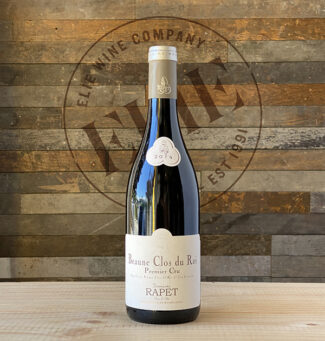 Beaune Premier Cru “Clos du Roi” – Rapet 2014 ($46): Clos du Roi is a small vineyard, but without doubt one of the best plots in Beaune. Once owned by the dukes of Burgundy and highly favored at Versailles, the site enjoys a perfect south/south-easterly exposure. This produces wines with sinew, rich and flirtatious with flavors of glacé cherries, crushed stone, licorice and mint. A friendly mouthfeel with sweet oak and austere minerality to rein it in.
Domaine Paul Pernot
Paul Pernot’s grandfather was a négociant in Puligny and the fifteen acres he owned had been in the family for over two centuries. Ironically, the ground was largely unsuited to vines—at least, until the advent of modern technology (tractors) allowed the hard limestone surface rock to be worked. Founded in 1959, Domaine Paul Pernot proceeded to do exactly that, and today, 65% of his property is found within the commune of Puligny-Montrachet, including plots in Les Folatières, Les Pucelles, Clos de la Garenne and Champ Canet, and two Grand Cru parcels: Bienvenues Bâtard-Montrachet and Bâtard-Montrachet. As such, he is one of the top growers in Puligny.
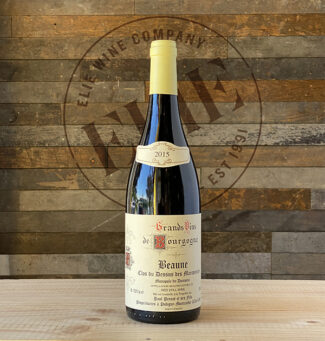 Beaune Lieu-dit “Clos du Dessus des Marconnets” Monopole – Pernot 2015 ($49): Among the 35% of Pernot land not in Puligny, Les Marconnets sits on the east-facing slope of Mont Battois hill in the southern part of the Savigny-lès-Beaune. The wine is round and racy, showing a nice brick rim in the glass behind a pungent nose of plum and truffle and a fragrant herbal thread that winds through. A brilliant example of the lieu-dit, with floral high tones, mineral purity and a vibrant, beautifully integrated tannic structure.
 Chablis
 Credit Napoléon’s loss at Waterloo for the establishment of Domaine Billaud-Simon; Charles Louis Noël Billaud returned home from the war to plant vines on the family holdings in Chablis. A century later, the estate expanded with the marriage of his descendent Jean Billaud to Renée Simon. Since 2014 owned by Erwan Faiveley, the 42-acre site produces wine from four Grand Cru vineyards, including single-acre plots in Les Clos and Les Preuses. The Domaine also owns four Premier Cru vineyards, including Montée de Tonnèrre, Mont-de-Milieu, Fourchaume and Vaillons. Chablis 2017 ‘Tête d’Or’ ($46) is sourced from 28-year-old vines from a parcel sitting at the foot of the Premier Cru Montée de Tonnerre in the heart of the Chablis appellation; the name means ‘Head of Gold’ and shows pure green-apple and bitter almond with an almost saline-like intensity. It’s a letter-perfect oyster wine, nicely nuanced with graphite, grapefruit and lemon.
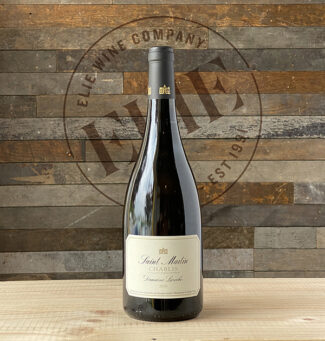 Vines were first planted in the confines of what is today Laroche the same year that algebra was invented; in 2021, both mathematics and Laroche are still going strong. Today, Domaine Laroche is one of the largest landholders of Grand Cru vineyards in Chablis, with 222 acres spread across the entire region. Michel Laroche—whose name is held in the same reverence in Chablis as Michel Chapoutier’s is in northern Rhône or Olivier Humbrecht’s in Alsace—relies on one-man plots, meaning that a single person is wholly responsible for the care of each vineyard parcel, from the pruning, soil conditioning and control of yields to the sorting of the harvest. Chablis 2018 ‘Saint-Martin’ ($32) is named for the patron saint of Chablis, a Roman cavalry officer who became a monk and was elected Bishop of Tours. The cuvée is a blend of the best plots, all sit on Chablis’ legendary Kimmeridgian soil, and produce excellent acidity and remarkable finesse. The wine shows Bartlett pear and lily on the nose, pineapple and honey in the mid-palate and violet and candied lemon on the textured, creamy finish.
 The pedigree of the Moreau name dates to 1814 when barrel-maker Jean-Joseph Moreau founded a wine-merchant trading firm in Chablis. Although that original firm has changed hands several times, including a sale to Hiram Walker in 1985 and again to the Boissets of Nuits-Saint-Georges in 1998, the Moreau family never relinquished control of their vineyards. Domaine Christian Moreau Père et Fils began vinifying at the turn of the 21st century, and is now under the watchful care of Fabien Moreau: “Being the 6th generation of the family producing wines, was and still is a challenge for me, trying to avoid the pressure you could have with this wine heritage. But with the quality of the vineyard that my family passed on, the basis of the expression of our wines is here, and our work is to honor our terroirs.” Chablis 2018 ($36) is a cuvée built from grapes purchased from the bordering villages of Fontenay-Près-Chablis (near Fourchaume) and Béru. It is a taut, compelling wine that reflects a mineral-tinged sharpness that the French describe as ‘goût de pierre à fusil’—gunflint—alongside aromas white hawthorn flowers and a cut of citrus.
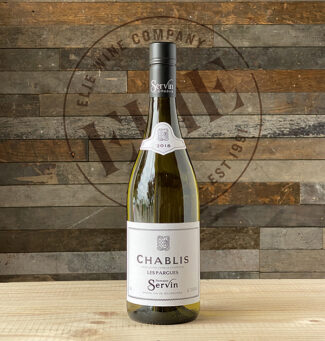 When you’ve been growing wine grapes in Chablis since 1547, post-Napoleonic upstart houses are the new kids on the block. With so many generations of winemakers and a pantheon of awards that span centuries, it is to be expected that the philosophy of Chablis, when uttered by a Servin, should be heeded. Says François Servin, the current winemaker, who was raised on vintages like 1929, 1947 and 1959: “A good Chablis is not a wine which is very elegant when young; Chablis for me is a wine which is good over 20 years.” This keen understanding of older vintages convinced him that malolactic fermentation combined with late bottling increases the ageing capacity of his wines. Chablis 2018 ‘Les Pargues’ ($27), planted in the vineyards behind the Premier Crus Vaillons and Montmains, employs a judicious blend of barrels and stainless-steel vats to create a wine that is concentrated and mineral-driven, showing natural mellowness, a touch of anise and lemon-peel balanced by smoke and earth.
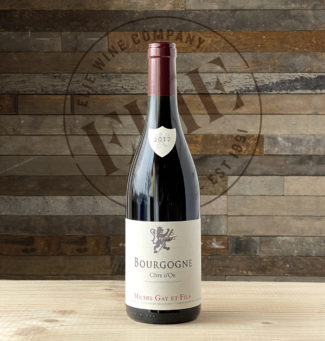
 Great wines may be made in the vineyard, but the finesse is often created on the sorting table. When Sébastien Gay took over Domaine Michel Gay after his father’s 2001 retirement, among the improvements he initiated was a shift to organic farming, doing multiple “green harvests,” limiting yields by hand-pruning the vines and adding a pair of sorting tables where dozens of workers determine the quality levels of individual grapes. According to Sébastien, “Our wines show more balance now because modern techniques allow us to better control the different steps in the winemaking process.”
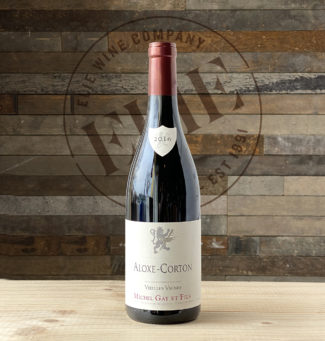
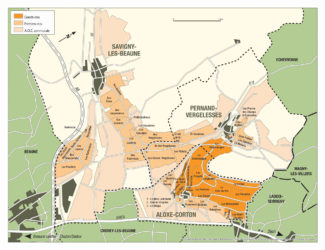 At just over 37 acres, the estate is relatively small, but it incorporates vineyard plots in communes with storied names and spreads across a kaleidoscope of terroirs, including Chorey‐lès‐Beaune, Aloxe‐Corton, Savigny‐lès‐Beaune Premier Crus Serpentières and Vergelesses, three premier crus in Beaune, Toussaints, Aux Coucherias, and Les Grèves, as well as a small parcel on the Corton hill in the Renardes vineyard. Vines are between forty and sixty years old, and receive the same individualized attention as the grapes do at harvest. A fifth-generation winemaker, Sébastien who recently was joined by his son Laurent, has embraced modernity while revering tradition and the result is a portfolio of wines that see improvement with nearly every vintage.
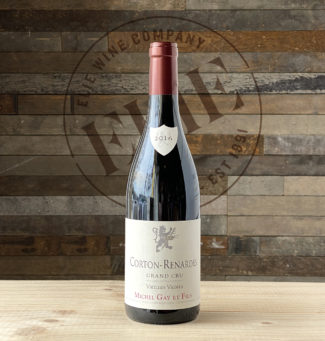 Corton-Renardes Grand Cru “Vieilles Vignes” 2016, $145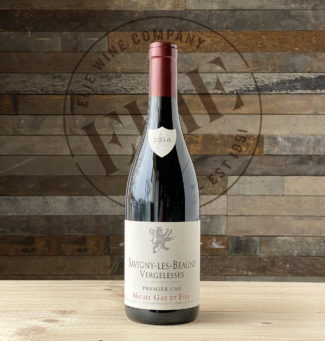
 We have prime examples of everything from inexpensive regional wines to the inimitable Grand Crus of Montrachet and the Côte de Nuits.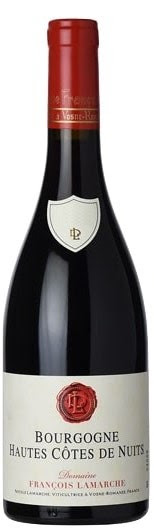
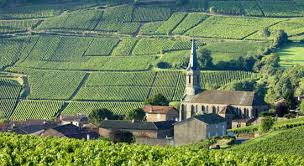
 The Slopes of Côte d’Or
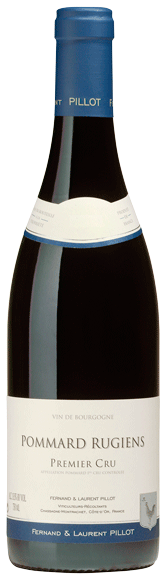 The Premiers Crus of Côte d’Or
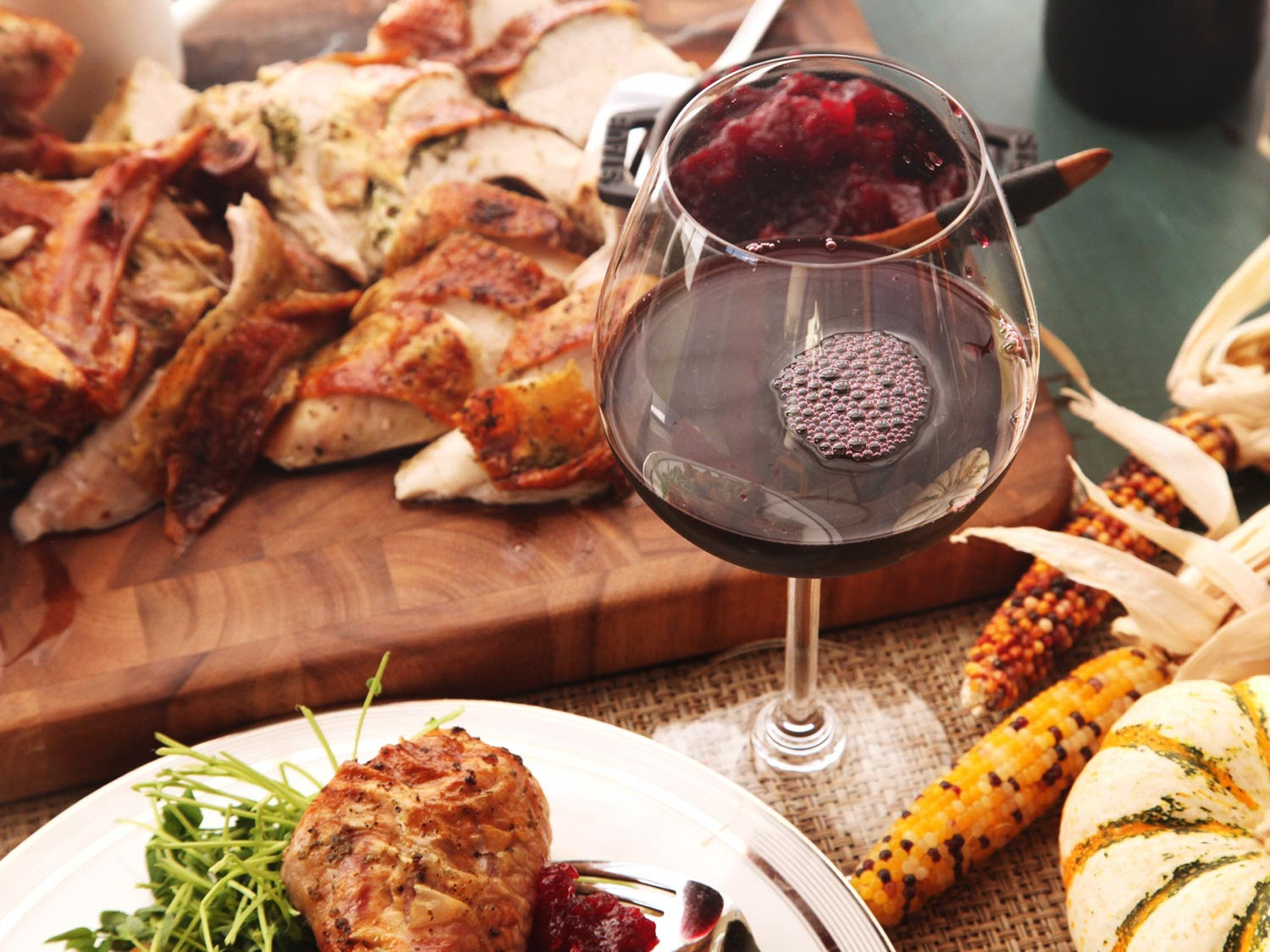 The typical Thanksgiving meal is far too diverse with textures, flavors and aromas to labor over perfect pairings. The most important characteristics of the wines on your table is that they are light, refreshing, energetic, with moderate alcohol, lots of fruit, a lively acidity, and versatile.
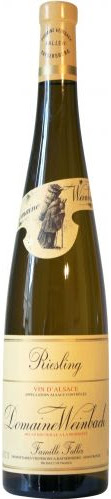 Domaine Weinbach Riesling (Alsace 2018) Regular Price: $33, WHITE
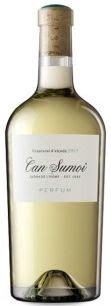 Can Sumoi “Perfum” (Penedès 2019) Regular Price: $25, WHITE
 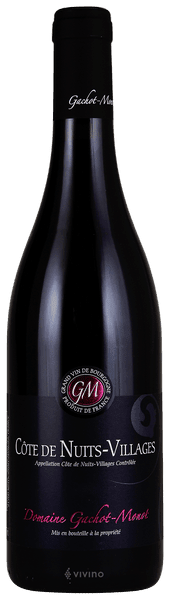 Domaine Gachot-Monot (Côte de Nuits-Villages 2018) Regular Price: $34, RED
 Domaine Robert-Denogent “Jules Chauvet” (Beaujolais-Villages 2017) Regular Price: $25, RED
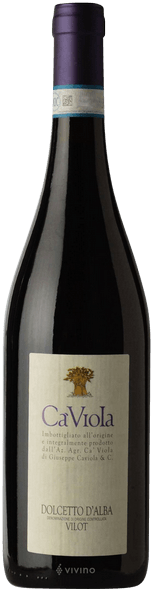 Cà Viola “Vilot” (Dolcette d’Alba 2017) Regular Price: $19, RED
 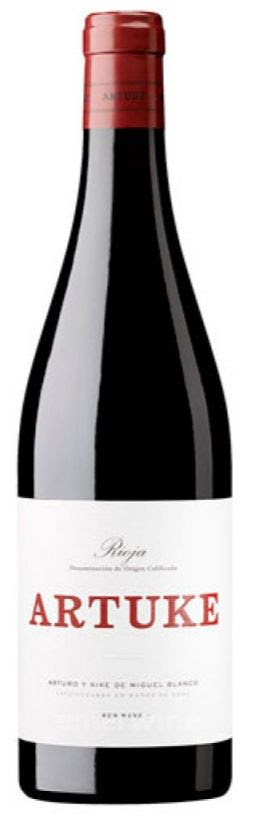 Artuke (Rioja 2019) Regular Price: $17, RED
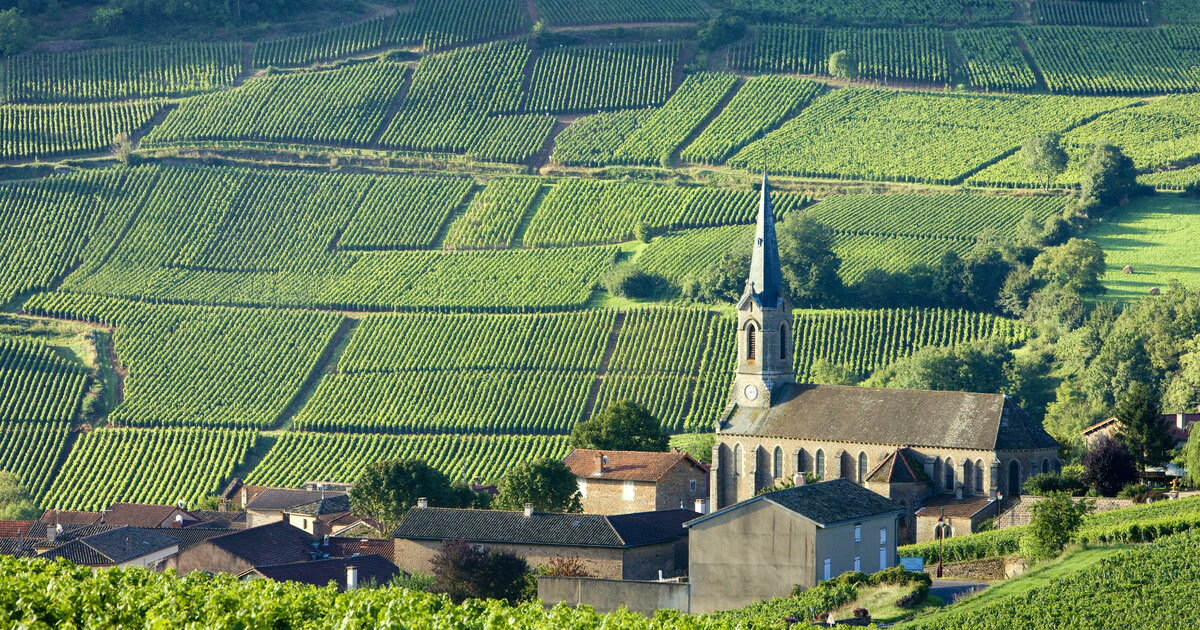 find excellent values by purchasing regional wine from the area’s top producers.
 “Les Grands Chaillots” (Bourgogne 2017) RED Regular Price: $45
 (Bourgogne Aligoté 2018) WHITE, Regular Price: $28
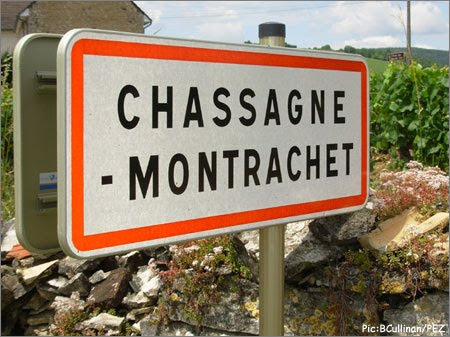 The commune is recognized for producing some of the best white wines in the world but it has a long history of creating substantial red wines that are quite often compared to the vibrant Nuits-Saint-Georges to the north.
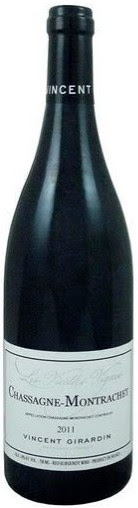 Vincent Girardin “Les Vieilles Vignes” (Chassagne-Montrachet RED 2017) Regular Price $55
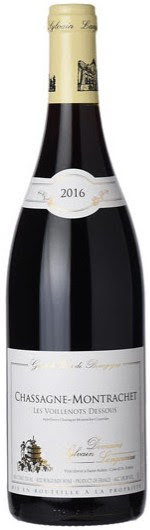 Domaine Langoureau “Les Voillenots Dessous” (Chassagne-Montrachet RED 2016) Regular Price: $45
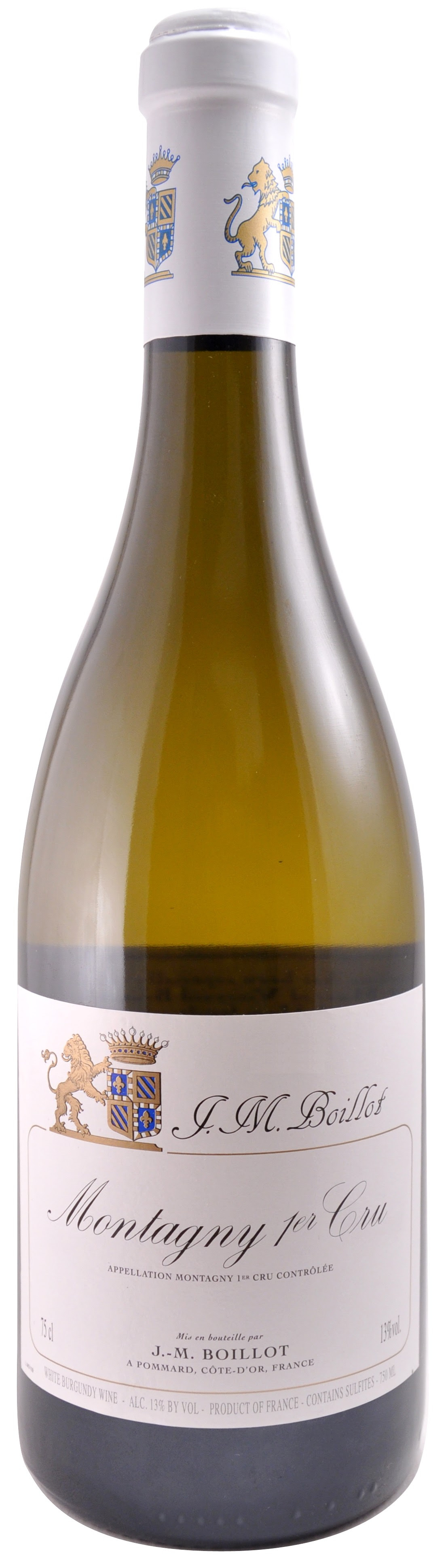 Jean-Marc Boillot (Montagny Premier Cru WHITE 2018) Regular Price: $40
  by James Joyce. An opera singer, and the unfaithful wife of Leopold Bloom, Molly makes a derisively mocking parallel to Penelope, the faithful wife of Odysseus in Homer’s Odyssey. In Episode 18, the last section of the book, Molly (in bed with her husband) engages in a celebrated soliloquy, one of the most famous dramatic monologues in literature.
 Domaine Thibault Liger-Belair “Les Grands Chaillots” (Bourgogne Rouge 2016) Regular Price $46
 Vincent Girardin “Cuvée Saint-Vincent” (Bourgogne Blanc 2017) Regular Price $26
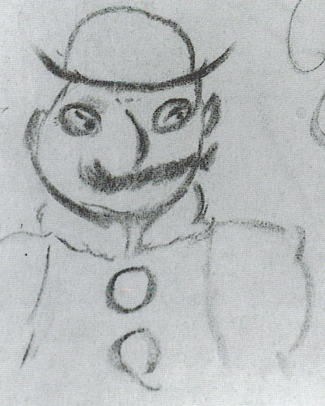 form the central action of James Joyce’s novel Ulysses. Though he never leaves the streets of Dublin, Bloom is a wanderer like the Greek mythological hero Odysseus, to whom he is compared throughout the book.
 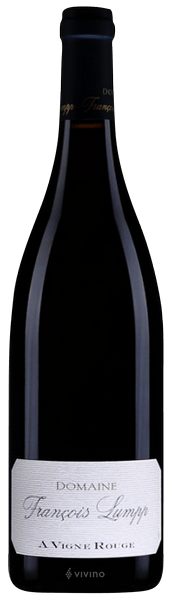 Domaine François Lumpp “A Vigne Rouge” (Givry Premier Cru, 2015) Regular Price: $50
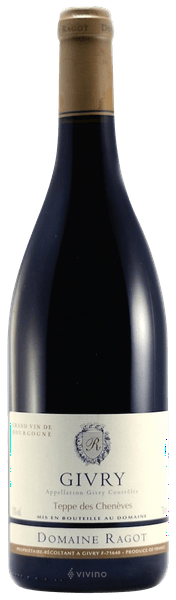 Domaine Ragot “Teppe des Cheneves” (Givry 2014) Regular Price: $40
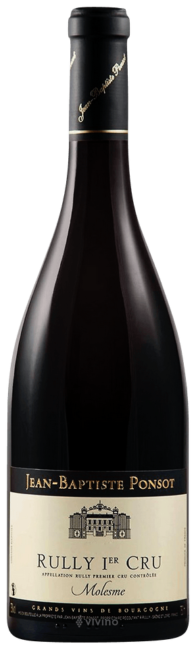 Domaine Jean-Baptiste Ponsot “Molesme” (Rully Premier Cru 2014) Regular Price: $40
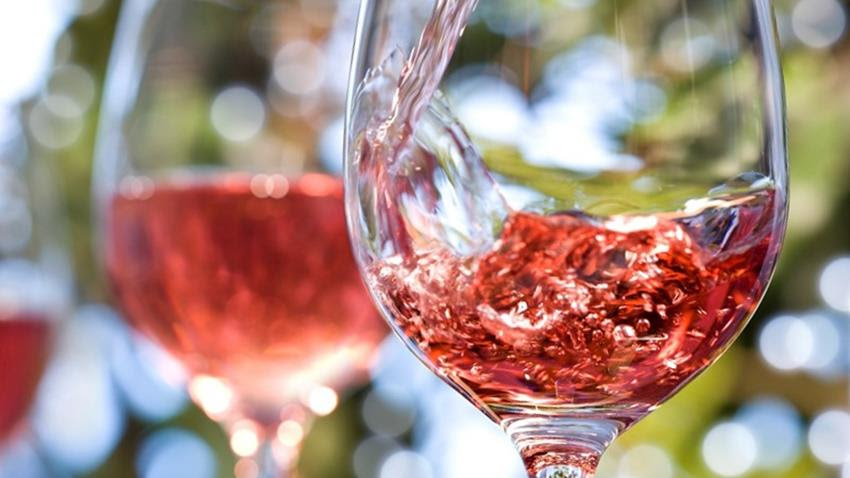 enough to pair with grilled meats and possibly even satisfy the most ardent red wine drinker.
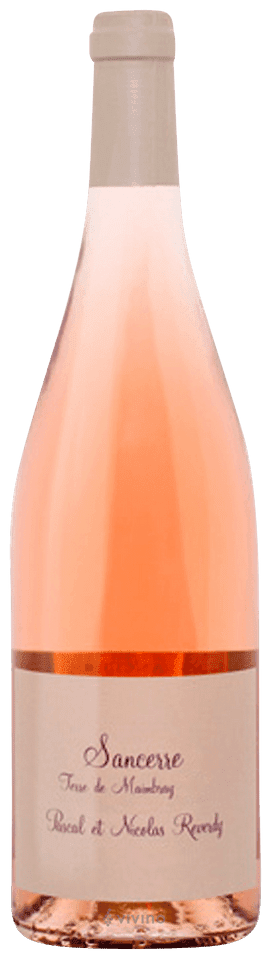 Pascal & Nicolas Reverdy “Terre de Maimbray” (Sancerre 2019) Regular Price $32
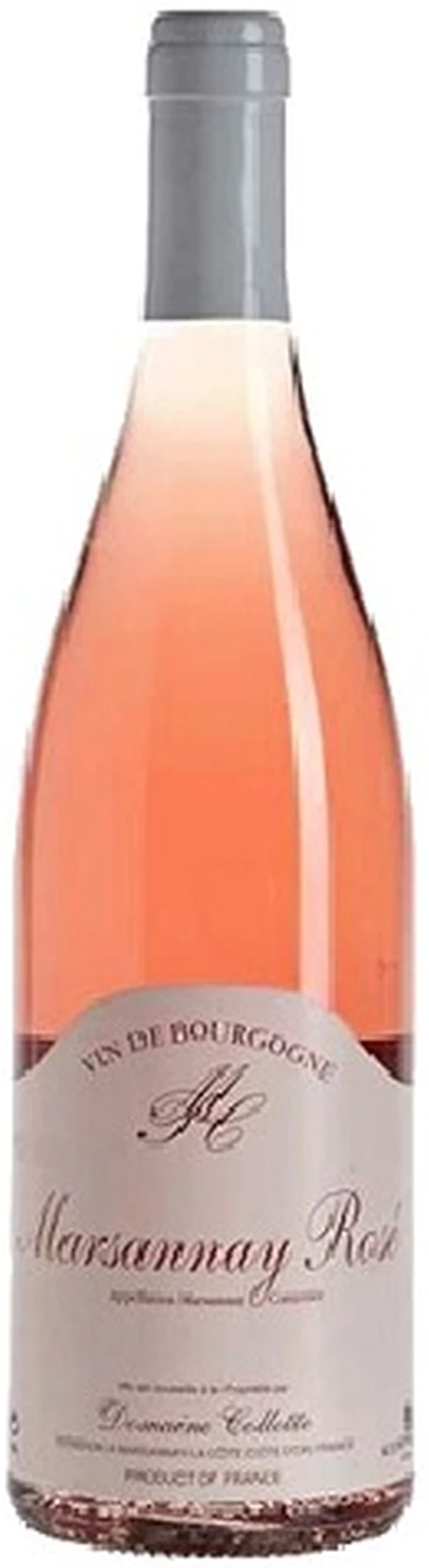 Domaine Collotte Rosé (Marsannay 2019) Regular Price $24
 Pierre-Marie Chermette “Griottes” (Beaujolais 2019) Regular Price $19
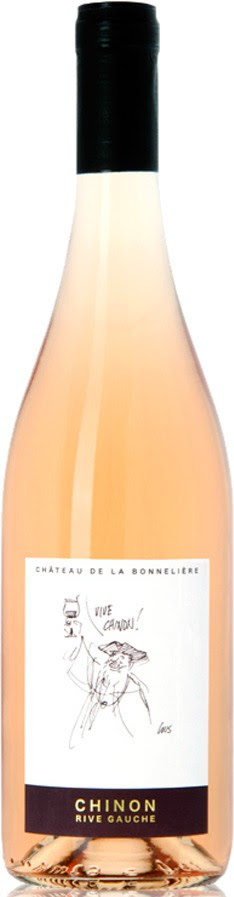 Château de la Bonnelière “Rive Gauche” (Chinon 2019) Regular Price $18
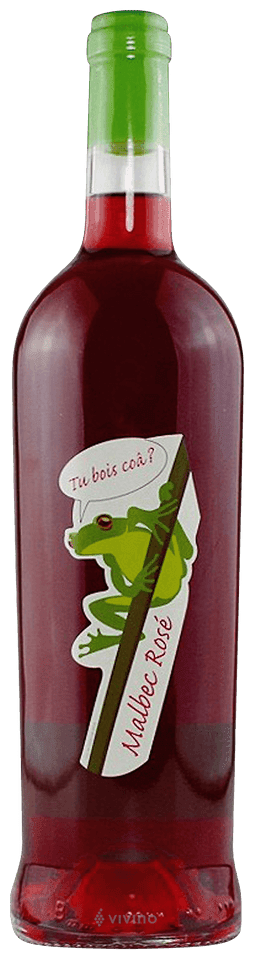 Domaine La Bérangeraie “Malbec Rosé” (IGP Côtes du Lot 2019) Regular Price $14
 Raventós i Blanc “de Nit” (cru Conca del Riu Anoia 2017) Regular Price $30