Posted on Leave a comment

Languedoc-Roussillon’s First Cru: A Tale of Two Fitou(s) (6-Bottle Wine-Pack $199, or 12-Bottle $369, All Included)

Nestling around a village called Fitou on the Mediterranean coast, Fitou is the oldest recognized appellation in the Languedoc-Roussillon and produces signature wines from a primary blend of Carignan and Grenache with each is equal to or greater than 20%. Complimentary grapes like Mourvèdre and Syrah may account for no less than 10% and up to 20% of the final wine, and the deciding factor is often the elevation of the vineyard. Like the nearby appellation of Corbières, the wines of Fitou are rich and rustic and famous for their herbal undertones and—especially in vineyards near the coast—a briny quality reminiscent of the sea. Recent innovations have raised the quality bar in the appellation, and today producers are making lighter wines of elegance and distinction.
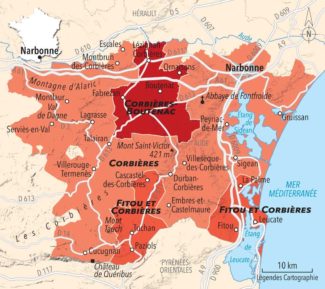
Geographically and stylistically, Fitou is subdivided into two distinct zones: Fitou Montagneux, which snakes inland toward the schist-rich mountains and hosts vineyards at elevations between 300 and 1,300 feet and Fitou Maritime, closer to the sea and spreading across the flatter, limestone plateaus of the Mediterranean coast.

Both zones produce unique wines that represent their distinct terroirs and the winemaking philosophies of the producers. We are pleased to offer a selection of exceptional Fitou wines from top estates in each of these zones. 6-Bottle pack for $199 or 12-Bottle pack for $369, All Included

Fitou Montagneux

Domaine Bertrand-Bergé – (Jérôme & Sabine Bertrand)

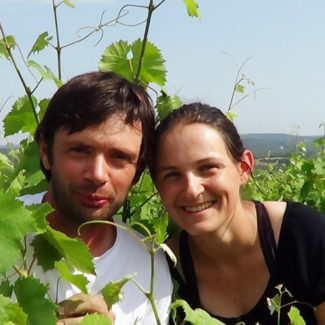
Nowhere in Fitou is the depth of family history more celebrated than that at the estate of Domaine Bertrand-Bergé, where six generations have maintained the property for well over a century. Located between Languedoc and Roussillon, Domaine Bertrand-Bergé is established in Paziols, a charming small town in the Aude region. Current winemaker is Jérôme Bertrand; his great-grandfather Jean Sirven first began scoring points for the domaine’s wines at the 1900 World’s Fair in Paris. The modern era for Bertrand-Bergé started in 1993, when Jérôme and his wife Sabine took the winemaking excellence back into their own hands after a few decades of supplying grapes to the local co-operative. The wide range of soils and microclimates found in the region contribute much to the stellar quality of the wines, but of course it is the tireless effort of Jérôme Bertrand that translates the unique charm of this location into world-class wines. Jancis Robinson, the English wine writer, cites Bertrand-Bergé as an example of the “purity” possible in wines from Fitou.
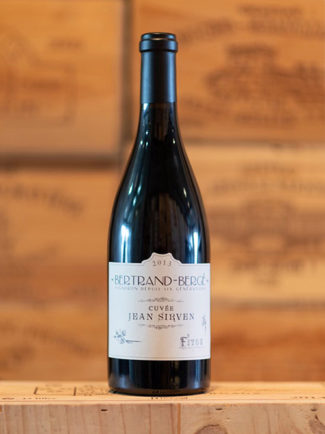
“Cuvée Jean Sirven”, Fitou 2013 ($55)290 cases produced – (Carignan 45%, Syrah 45%, Grenache 10%): A sensory-surrounding old-vine masterpiece with bright blackberry jam and herbal garrigue; black cherries, figs, licorice and velvety tannins with a persistent finish. Broad on the palate and extremely aromatic, “Cuvée Jean Sirven” is capable of developing further over the next decade.
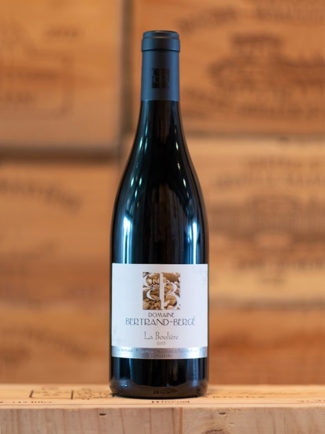


“La Boulière”, Fitou 2015 ($32.00)333 cases produced – (Mourvèdre 50%, Carignan 25%, Grenache 25%) Elegant old-vine cuvée showing dried cherries, figs, light tobacco; full-bodied, ultra-polished, layered and balanced package; much livelier than many Mourvèdre-based wines from nearby Bandol.
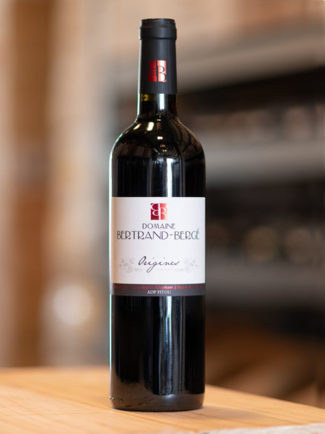


“Origines”, Fitou 2016 ($21.00)4,166 cases produced – (Carignan 60%, Grenache 40%) Showcasing the region’s signature blend, the late-harvesting Carignan offers a slight, characteristic bitterness with cranberry, red-cherry and raspberry acidity that vibrates to the finish.


Fitou Maritime

Mas de Caprices – (Mireille & Pierre Mann)

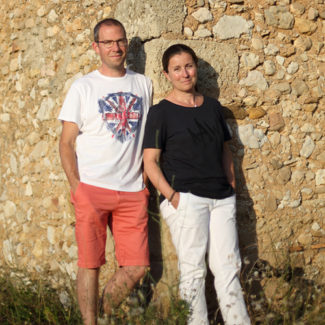
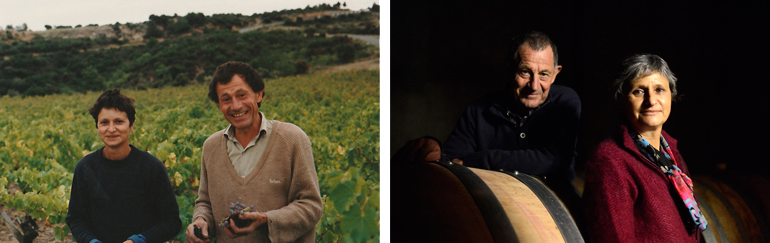
Mireille and Pierre Mann were born to tradition. As the children of Alsatian winemakers, they operated a successful restaurant in Colmar, Alsace, but in 2003, gave it up to return to their vinicultural roots. They established Mas de Caprices near the seaside resort of Leucate in the Corbières Maritimes. There, the combined forces of water and wind wreak both havoc and harmony throughout the vineyards, and the flavors of brine and garrigue—the coastal herbs that include both sage and lavender—show up in the wines.

Certified organic in 2009, their guiding philosophy is meticulous work in the vineyard while respecting nature with the goal of producing wines that are both expressions of their unique environment and utterly delectable.
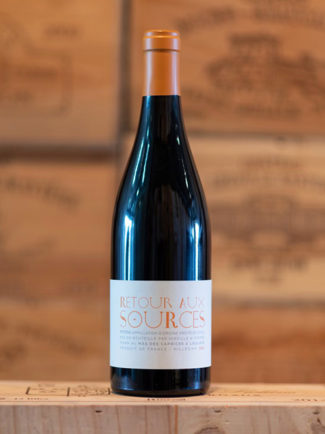
“Retour aux Sources”, Fitou 2016 ($30)583 cases produced – (Carignan 45%, Lladoner Pelut 30%, Mourvèdre 25%): Carignan we know; Lladoner Pelut may be less familiar, even to wine fanatics. Believed to be a mutation of Grenache Noir, ‘pelut’ is French for ‘furry’ and makes a reference to the vine’s downy leaves, likely evolved to retain moisture and regulate transpiration. Roughly 70% of the wine is matured in concrete vats and the rest in old barrels, offering jammy fruit, excellent structure, and heady aromas of ripe blackberries and herbs, making a wine ideal for hearty vegetable dishes like ratatouille and olive tapenade.
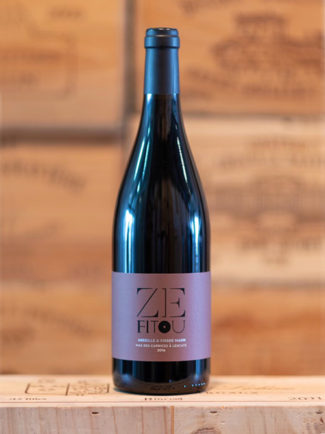


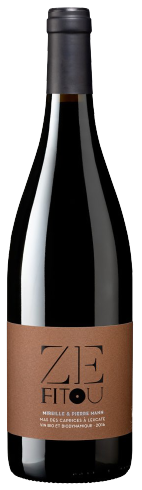
“Ze Fitou”, Fitou 2016 ($24.00) 925 cases produced – (Mourvèdre 48%, Carignan 40%, Grenache 12%) Fruit, both ripe and fresh, provides the foundation for this crowd-pleasing red. Maturation takes place for nine months, mainly in concrete vats, with around 20% aging in old barrels. Exceptionally floral on the nose, a sip seduces the palate with velvety tannins and silky berry salad. Pop a bottle for pizza, shawarma, or game night with friends.
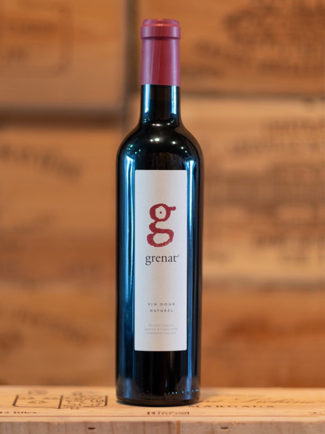


“g Grenat”, Rivesaltes Grenat (Vin Doux Naturel) 2015 ($26), 375 ml – 258 cases produced – (Grenache Noir 100%) A naturally sweet wine produced by harvesting grapes at maximum ripeness, then macerating them without fermentation by the addition of neutral spirits. The wine is fresh and full of jellied fruit with a hint of cocoa, with just enough tannin and acidity to avoid being syrupy. It makes a fine dessert on its own or paired with dried fruit, salted nuts, chocolate and fresh cheeses.

Posted on Leave a comment

Languedoc’s Exceptional Cru: Terrasses du Larzac with Five Masterly Producers (6-Bottle Wine-Pack $236, All Included)

Sun-baked and sensual, threaded with rivers and capped by the mountains of Corbières, Languedoc-Roussillon relies on over a hundred grape varieties to produce more than a third of all French wine. Historically, this wine was copious, inexpensive and rather forgettable—everyday wine for the tables of ordinary people. Since the mid-twentieth century, however, with the advent of irrigation in the foothills and coastal plains of Southern France coupled with improved techniques, the region now boasts fewer vines that produce wines of increasing quality. A jigsaw of soils and a broad swath of microclimates creates ideal terroir for the warm-weather, full-bodied varietals often associated with the Rhône, while sharp diurnal shifts allow for the preservation of aroma and natural acidity, resulting in wines of extraordinary balance. A further plus is that Languedoc-Roussillon’s hot, dry climate discourages the growth of mildew and fungi, making synthetic pesticides and herbicides less necessary. As such, it has become a proving ground for organic and biodynamic producers.

Among the independent subdivisions of Languedoc-Roussillon, one rising star is rapidly becoming a supernova. Having been formed in 2005 and not officially recognized until 2014, Terrasses du Larzac contains some of the highest elevations in the Languedoc—vineyard plots snake along the Cévennes range and produce wines that are notably distinct from its nearest neighbors, including those from the oldest appellation in France, Roquefort. As in any appellation, the triad of requirements (location, location, location) takes advantage of Larzac’s verticality, horizontal layers of limestone and terraced shingles and unique position between the mountains and the sea, which allow the fruit to ripen slowly and evenly.

We are pleased to offer a selection of exceptional wines from Terrasses du Larzac for an all-inclusive price of $236. It’s an ideal sampler of the complexity and depth that the appellation has to offer. Included in Terrasses du Larzac 6-Bottle Package are one each of the following wines:


Domaine de Montcalmès
(2015) $43

Led by the dynamic young winemaker Frédéric Pourtalié who cut his winemaking teeth at Laurent Vaillé’s Grange des Pères and while serving under Syrah master Alain Graillot in Crozes-Hermitage, the vines of family-owned Domaine de Montcalmès are spread across sixty diverse acres from the commune of Puéchabon to nearby villages of Aniane and Saint Saturnin. Prior to Pourtalié and his sister Muriel taking the helm at Montcalmès, the domain sold grapes to the local cooperative. Under his direction, the estate has moved to intensive, hands-on viniculture in which the grapes are harvested with very low yields. Certified organic in 2015, the wines of Domaine de Montcalmès reflect the remarkable diversity of the subsoils, ranging from clay and limestone to puddingstones like those of Châteauneuf-du-Pape. The climate, with cool nights and hot, sunny days, pampers the vines and produces a blend of Syrah, Grenache and Mourvèdre that remains bright with acidity and lush with spicy red fruits.


Domaine Saint Sylvestre
(2014) $31

Sophie and Vincent Guizard have roots in Terrasses du Larzac dating back generations; their pedigree includes both viticulture and business as Vincent learned to grow grapes from his grandfather and Sophie has a degree in finance. Having launched Domaine Saint Sylvester in 2010 from a minuscule trio of lots totaling less than twenty acres, the wines quickly showcased both talent and passion. Unlike many of proximate vineyards, which have been producing wine since the Roman era, Vincent cleared his own forested land just north of the village of Aniane and planted beneath the watchful eye of a 12th century church. He vinifies using native yeasts and produces complex and aromatic wines in a blend typical of the appellation, 70% Syrah, 20% Grenache, 10% Mourvèdre.


Mas Jullien “Lous Rougeos”
(2017) $47

Among the early pioneers of the modern ‘Larzac style’ is Olivier Jullien: His forty terraced acres, with two distinct soil types—calcaire and argilles—was established in 1985, and his domain, Mas Jullien, is a paradigm of the region. Having witnessed first-hand Languedoc’s tradition of over-cropping to produce bulk wine, he recognized that the economic plight of local independent farmers may have failed to take advantage of the appellations promise. With a degree in enology to shore up his conviction that the area had the potential to produce world-class wine, he showed his iconoclastic hand early by pulling out vineyards and re-planting trees in an effort to restore balance to the local ecosystem. His wines are delightful examples of this balance, imbued with the distinct characteristics permitted by elevation and proximity to the sea. The former lends jazzy bravura to the fruit—cherries, raspberries and red currants—while the latter offers the peculiar herbal-ness that the French call ‘garrigue’.


Mas Cal Demoura “Terre de Jonquières” (2017) $32
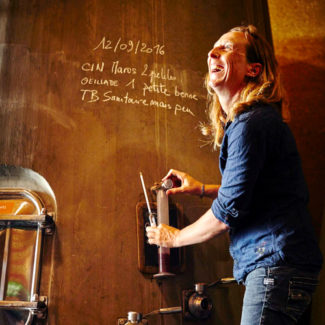
In Occitan, the native language of nearby Catalunya and Mediterranean France, ‘Cal Demoura’ means ‘we must not leave’—a reference to the number of winemakers in Languedoc who gave up viticulture in the 1970’s and ‘80s. Inspired by the renaissance in quality of those who refused to leave, Vincent Goumard—formerly a strategic consultant in Paris—purchased Mas Cal Demoura in 2000 and embarked on a modest, but explosive winemaking expedition near the village of Jonquières, producing around 4,000 cases annually. “Terre de Jonquières”, a flagship wine composed of 30% Mourvèdre, 25% Syrah, 20% Grenache, 15% Cinsault and 10% Carignan displays saturated black fruits and licorice with integrated tannins and the herbal notes that are representative of the AOC.

Mas Cal Demoura “Les Combariolles” (2017) $45
From the same producers Isabelle and Vincent Goumard, “Les Combariolles” originates from a single parcel located halfway between Jonquiéres and Montpeyroux and is named for the terroir: Combariolles is composed primarily of limestone, resulting in calcium-based soil with ideal water-retention properties for Cal Demoura’s hot-climate vines. The blend (equal parts Syrah and Mourvèdre, with Carignan at 15% and Grenache at 5%) spends 18 months in élevage. This is Cal Demoura’s flagship product, as refined and exotic a wine as the region can offer, with elegant notes of smoky black currant, pomegranate and plum wrapped in silken tannins with remarkable persistence on the palate.


Le Clos du Serres “Les Maros”
(2016) $24

In 2006, Béatrice, an architect, and Sébastien Fillon, currently the president of Syndicate AOC Terrasses du Larzac, pursued a lifelong dream: They abandoned the fast-paced lifestyle of urban France to purchase the forty-acre domain of Le Clos du Serres. “The South,” they maintain, “is the only region where there is still land to clear.” They discovered a wonderland of gorges and forests along with a world where community and winemaking are partners. To them, the move meant “being in harmony with nature, sculpting the countryside, caring for and loving the land on which we live.” Intended to express the fresh climate and geological puzzle of the village of Saint Saint-Julien-du-Serre, with 60% Grenache and a balance of equal parts Cinsault and Carignan, this wine is a sultry blend of toasted spice and luscious red fruit with aromatics of violets and clean graphite.

Posted on Leave a comment

Summer-Aid: $260 “Biodynamic Wine Pioneer” — Languedoc’s Domaine Léon Barral (6 Bottles Red Wine, All Included and Delivered)

Our latest Wine-Aid box features new vintage wines from biodynamic pioneer, Didier Barral. Didier’s vines grow beneath the scrub-covered ridges and windswept stone outcrops of Faugères. The appellation is known for its dry and crunchy metamorphic schist that forces the roots of the vines to penetrate deeply in search of moisture. This cherished soil for grape growing absorbs the heat of the daytime before releasing it in the cooler evenings. The humid Marin winds off the Mediterranean and the dry, violent Tramontane winds from the northwest are a constant presence in the Faugères hills that help to ventilate the vineyards. Most of Didier’s vines are very old, some up to ninety years of age. All of these factors help for even ripening of the grapes and further increases their concentration.
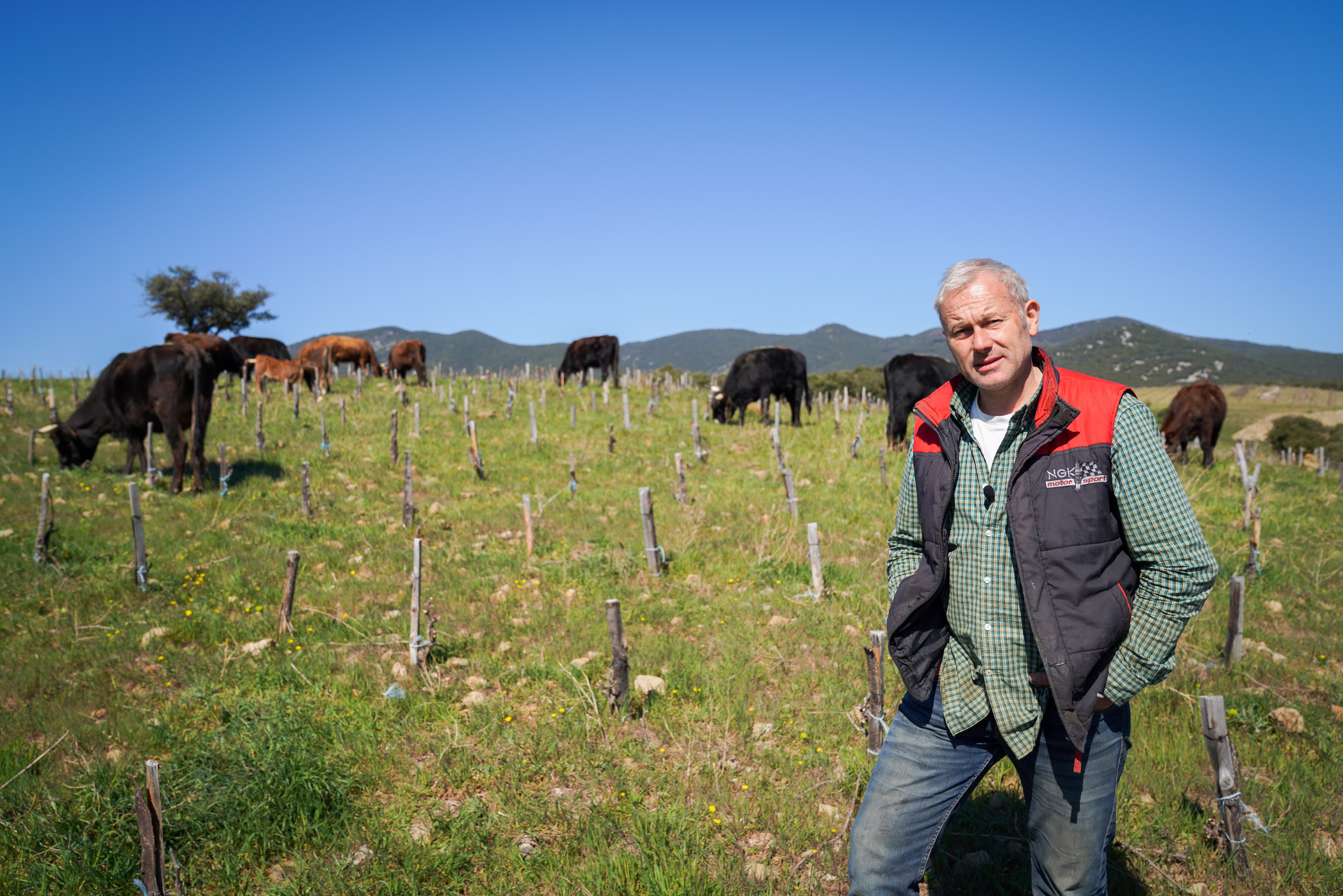
Didier farms about 75 acres of vines using biodynamic practices. Developed by Austrian philosopher and social reformer Rudolf Steiner in the early 20th Century, biodynamic agriculture is defined as “a spiritual-ethical-ecological approach to agriculture, gardens, food production and nutrition.” Biodynamic wine is made with a set of farming practices that views the farm or vineyard as one solid organism. The ecosystem functions as a whole. On Didier’s farm, ancient breeds of cattle graze the cover crops in and around the vineyards, which promotes healthy microbiotic activity in the soil. Between the vines grow all sorts of rare greens and unusual wild herbs, often harvested by Michelin starred chefs from all over France.

Although Didier considers the wine all but finished once it leaves the vineyard, the harvest is cared for with the same attention once it reaches the cellar. All wines are hand-harvested, hand-sorted, fermented with indigenous yeasts and have no sulfur added. They are never racked, filtered, or fined. While these minimal intervention principles form an idyllic narrative of a natural product, the fact is that Didier has a profound influence on other viticulteurs who can see how his ideology translates to results.

The price for this Wine-Aid package includes tax and delivery, as well as a 10% discount. We will also honor a 10% discount on any bottles you might wish to add to the Wine-Aid package.

Included in the Biodynamic Wine Pioneer Wine-Aid Package:

Domaine Léon Barral (Faugères, 2016) Three Bottles, Regular Price: $36

Didier’s traditional Faugères bottling is a blend of 50% Carignan, 30% Grenache, and 20% Cinsault from vines aged 40 to 70 years old. After fermentation, the wine is aged for two years in cement and stainless steel cuves. The aromatics are joyous with black cherries, cocoa, herbs and flowers. A sip is filled with fruit yet nimble on the palate, elegant even, with a finish of sun-baked stone.

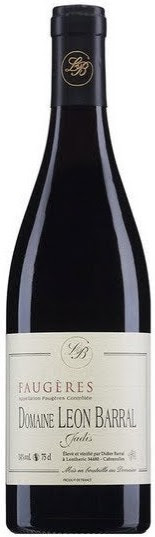
“Jadis” (Faugères, 2016) Two Bottles, Regular Price: $47
50% Carignan, 30% Syrah, 20% Grenache, aged for 24 to 26 months in barrel (10% new oak). Black fruits and herbs in abundance. More focused and elegant than the classic cuvee, the 2016 “Jadis” is a similar blend that substitutes Syrah from southern-facing vines in place of the Cinsault. A wine that drinks great upon release yet will develop in a proper cellar over the course of a decade or more.

“Valinières” (Faugères, 2016) One Bottle, Regular Price: $69
80% Mourvèdre, 20% Syrah, aged for 24 to 26 months in barrel (10% new oak). “Valinières” is the domaine’s top cuvée, capable of medium to long-term cellar development. With a Mourvèdre base, this wine is big, meaty, and concentrated. The portion of Syrah comes from northern-facing vines. The cooler, northern exposure allows the grapes to remain on the vines longer, giving added maturity, greater concentration of flavors, and increased complexity.


We are committed to providing you with your wine needs in the safest way possible. We do encourage you to take advantage of our back door pick-up or free delivery. We can easily process the payment of your purchase over the phone and load you up without you needing to get out of the car. Or we can deliver it to your doorstep for free (within a reasonable distance of our shop) and leave it there for you to bring in at your convenience.

Posted on Leave a comment

Summer-Aid: $265 “France’s Deep South” — Elegance from the Rugged Landscape of Fitou (10 Bottles, All Included and Delivered)

Our latest Wine Aid box celebrates both the wild and remote subzone of Fitou and two happy-loving couples that produce wine there. One of the very first granted appellation in the southern French region of Languedoc, Fitou consists of two small enclaves within Corbières: Fitou Maritime, a clay-limestone band around the saltwater lagoons on the coast, and Fitou Montagneux, a patch of various mountainous soils fifteen miles inland. With these 10 Bottles we’ll be exploring both of these distinct terroirs with wines made by some of the top producers in the region.

Included in the France’s Deep South Wine-Aid Package are two bottles of each:

The price includes tax and delivery, as well as a 10% discount. We will also honor a 10% discount on any bottles you might wish to add to the Wine-Aid package.

Domaine Bertrand-Bergé

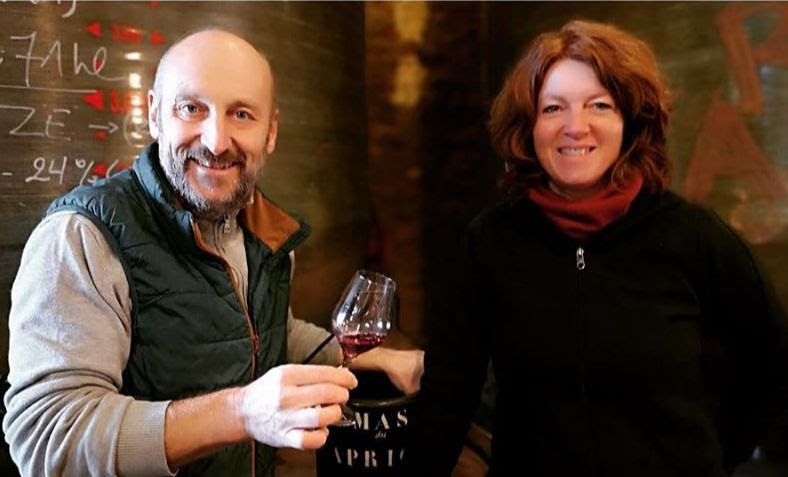
Near the tiny village of Paziols in Fitou Montagneux, Jérôme and Sabine Bertrand have been steadily improving the reputation of Fitou through the excellence of their wines. The domaine’s history can be traced back over a century when Jérôme’s great-grandfather, Jean Sirven, won plaudits for his wines at the 1900 World’s Fair in Paris. But the modern era for Bertrand-Bergé started in 1993, when the couple took the winemaking back into their own hands after a few decades of supplying grapes to the local co-operative.

Today, the estate is comprised of many old-vine parcels that cover an area of 84 acres dotted around the hilly countryside of Paziols, the air fragrant with the scent of wild juniper, thyme, rosemary and lavender of the local garrigue shrubland. The estate is cultivated entirely using organic techniques. Of the wide range of soils that are found in the region, the pudding stones found around Paziols contribute much to the high quality of the wines of Bertrand-Bergé by retaining daytime heat. But of course it’s the tireless effort of Jérôme Bertrand that can translate the unique charm of this place into world-class wines.
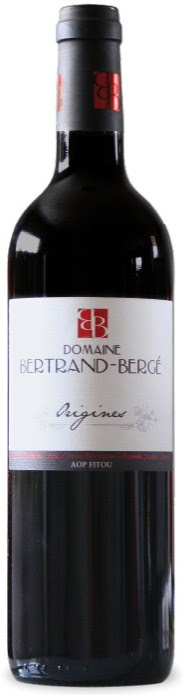
“Origines” (Fitou 2014) Regular Price: $17
The Bertrand’s offer the affordable cuvée “Origines” as a starting point to enjoying the terroir of Fitou. A blend of 60% Carignan and 40% Grenache aged for 18 months in concrete, “Origines” delivers juicy ripe blackberry and blueberry accented by cocoa, clean earth and a touch of white pepper. The fruit for “Origines” comes from vines averaging 20 years in age planted in chalky-clay soils. Although this cuvée is priced as an everyday wine, it has always had the ability to mature gracefully and is drinking superbly right now.


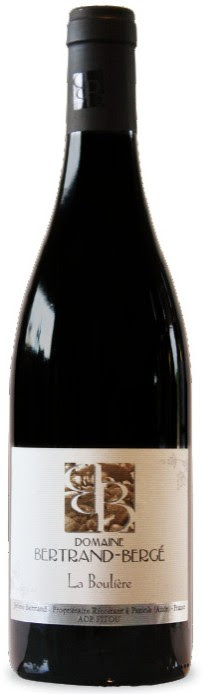
“La Boulière” (Fitou 2014) Regular Price: $33
A deep, sappy blend of 50% Mourvèdre, 25% Carignan and 25% Grenache aged for 18 months in oak barrels. A grocery cart of aromatics like black raspberry, blueberry, smoked meat, cinnamon, and leather precede a full-bodied, layered and elegant palate balanced by a muscular underlying structure. The fruit comes from vines with an average age of 15 years planted in puddingstone soils. Pop this open for your fattiest cuts of grilled meat. This wine should drink well over the course of a decade.


Mas des Caprices

In the village of Leucate, on the north shore of L’étang de Leucate in the subzone of Fitou Maritime, Mireille and Pierre Mann have been steadily building their estate, Mas des Caprices, into one of the top producers in the region. This is a rugged land kissed by both the mountains and the Mediterranean Sea. High yields are impossible to achieve here. Indeed, many of the wines from this region are produced with similar (or even smaller) yields to the most sought after wines from Bordeaux and Burgundy.
The couple, both children of Alsace winemakers, ran a restaurant near the city of Colmar for 10 years. While they loved providing their patrons fresh local products, they felt the need for greater challenges. So they decided to rebuild their lives closer to the earth. In 2003 they moved to southern France and began reinventing themselves as winemakers. Their passion was evident from the start. The duo eventually settled on the Mediterranean coast and quickly made a name for themselves by producing tasty, genuine wines. Certified organic in 2009, their guiding philosophy is meticulous work in the vineyard while respecting nature with the goal of producing wines that are both expressions of their unique environment and utterly delectable. Forget pudding, the proof of the wine is in the drinking.

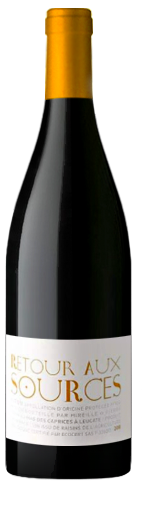
“Retour aux Sources” (Fitou 2015) Regular Price: $37
45% Carignan, 25% Mourvèdre, 20% Grenache, and 10% Syrah from the Fitou maritime hillsides where pink schist and limestone mix. Maturation takes place for nine months, with roughly 70% of the wine in concrete vats and the rest in old barrels. Bold ripe fruit, excellent structure, and heady aromas of ripe fruit and herbs make a wine ideal for hearty vegetable dishes like ratatouille and olive tapenade and, of course, grilled meats.


“ZE” (Fitou 2015) Regular Price: $26

A blend of 40% Carignan, 35% Grenache, and 25% Mourvèdre from the windswept Leucate cliff. Fruit, both ripe and fresh, provides the foundation for this crowd-pleasing red. Maturation takes place for nine months, mainly in concrete vats, with around 20% aging in old barrels. Exceptionally floral on the nose, a sip seduces the palate with velvety tannins and silky berry salad. Pop a bottle for pizza, shawarma, or game night.


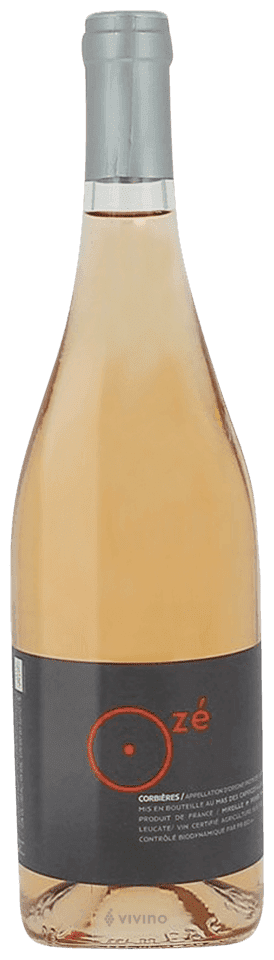
“Ozé” (Corbières 2017) Regular Price: $24
Although separate appellations, Fitou and Corbières share much of the same terroir. You will often find producers based in Fitou with parcels in Corbières, and vice versa. Mireille and Pierre Mann’s rosé is a blend of Grenache and Mourvèdre with a touch of Syrah. Fresh, fruity, and intense, it’s a crowd-pleaser. If you like a classic southern French rosé while chilling on the patio or paired with your seafood feast, this cuvée will put you in your happy place.


We are committed to providing you with your wine needs in the safest way possible. We do encourage you to take advantage of our back door pick-up or free delivery. We can easily process the payment of your purchase over the phone and load you up without you needing to get out of the car. Or we can deliver it to your doorstep for free (within a reasonable distance of our shop) and leave it there for you to bring in at your convenience.

Posted on Leave a comment

Summer-Aid: $170 “A Mediterranean Summer in Saint-Chinian” — 6 Bottles of New Vintage Wine from Mas Champart (All Included and Delivered)

Back in 1976, Isabelle Champart, a Parisian with a degree in Geography, and her husband Mathieu, from a family of farmers in Champagne, began cultivating vines on a humble 20 acre farmstead. For close to twelve years they sold their grapes to the local cooperative but once they decided to bottle under their own label of Domaine Mas Champart they gained almost instant acclaim. Since then, they’ve acquired another 40 acres planted with vines, orchards, and arable crops. Mathieu tends to the vines, Isabelle makes the wines, and this small slice of the Languedoc is their life. Once, when asked by a visitor if they had children, Isabelle swept her hand across the outside of their winery and answered immediately, “Look around. This is my child.”
The place is Saint-Chinian: A gusty, drought-ridden expanse clambering up out of the Languedoc Plain, with Mount Caroux and Mount Espinouse furnishing a picturesque backdrop. It’s there on the southern slopes of clay and limestone that Isabelle and Mathieu are creating singular and impressive wines in this ancient region that has seen a tremendous surge in quality over the past couple of decades. From the beginning the Champarts have employed sustainable and organic techniques in their farming, reflecting their desire to protect and preserve the environment.

Included in A Mediterranean Summer in Saint-Chinian Wine-Aid Package is two bottles of each:

The price includes tax and delivery, as well as a 10% discount. We will also honor a 10% discount on any bottles you might wish to add to the Wine-Aid package. 

Mas Champart Blanc (IGP Pays d’Oc 2018) Regular Price: $29
Mas Champart Blanc is a blend of 70% Terret and 30% Grenache Gris from vines planted in 1900 on a limestone plateau with remarkably stony soils. Vinification and maturation is carried out in 500 liter Austrian barrels for nine months. The wine was bottled in August 2019. A sublimely balanced drink: late-harvested Terret provides heady aromatics and richness while the Grenache Gris, harvested earlier in the season, adds tension and mineral freshness. Only 2,500 bottles were produced.


“Causse de Bousquet” (Saint-Chinian 2017) Regular Price: $25
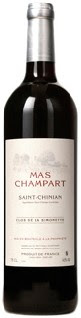
A bit different than earlier, syrah-heavy vintages, the 2017 vintage “Causse de Bousquet” is a blend of 35% Syrah, 30% Grenache, 20% Carignan/Cinsault, and 15% Mourvèdre from a number of plots on different terroirs to provide the aromatic complexity and originality that the Champart’s are looking for in what you might call their flagship wine. It owes its name to the main terroir from which it comes: “Le Bousquet” is a broad limestone plateau at close to 1,000 feet in elevation where the hard rock extends through to the surface. Matured for 18 months in vat, it is a concentrated and sunny expression of Saint-Chinian. Only 8,650 bottles were produced.


“Clos de la Simonette” (Saint-Chinian 2017) Regular Price $33
An absurdly low-yield blend of 65% Mourvèdre, 20% Grenache and 15% Carignan from multiple plots. The Mourvèdre is planted 750 feet above sea level on steep hillside terraces that are particularly well exposed. The Grenache comes from the wines’ namesake plot, the stony and well-drained “la vigne de Simonette” that is surrounded by dry-stone walls. The plot containing the Carignan has soils similar to “Simonette” but there the vines are 70 and 100 years old. With the hot and dry 2017 vintage, extractions were quite short, balancing out deep and powerful fruit with freshness. This is truly one of the best values for long-term cellaring available. Only 4,740 bottles were produced.


We are committed to providing you with your wine needs in the safest way possible. We do encourage you to take advantage of our back door pick-up or free delivery. We can easily process the payment of your purchase over the phone and load you up without you needing to get out of the car. Or we can deliver it to your doorstep for free (within a reasonable distance of our shop) and leave it there for you to bring in at your convenience.

Posted on Leave a comment

Summer-Aid: $270 “A Dozen Rosés II” — Stock up for Fourth of July Celebrations (All Included and Delivered)

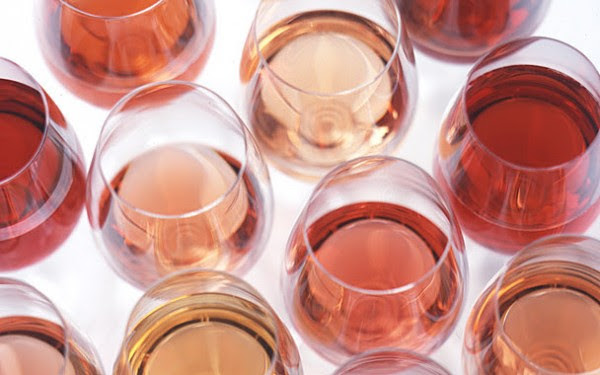
All of our holiday weekend plans probably look a little different this year. In lieu of large gatherings most of us are likely planning to stay at home, perhaps tidy up our outdoor spaces, maybe throw a more intimate party with close friends. In any case, firing up the outdoor grill is all but mandatory. And what pairs better with standing around open flames on a sultry summer day than a cool glass of rosé?

Introducing A Dozen Rosés II, a $270 Wine-Aid package that includes twelve bottles of classic, crisp and dry, southern French rosé wines, all made with familiar blends of Mediterranean grape varieties. The price includes tax and delivery, as well as a deep discount. We will also honor a 10% discount on any bottles you might wish to add to the Wine-Aid package.

We are committed to providing you with your wine needs in the safest way possible. We do encourage you to take advantage of our back door pick-up or free delivery. We can easily process the payment of your purchase over the phone and load you up without you needing to get out of the car. Or we can deliver it to your doorstep for free (within a reasonable distance of our shop) and leave it there for you to bring in at your convenience.

Included in A Dozen Rosés II Wine-Aid Package are two bottles each:

Domaine Saint Damien (Gigondas 2019) Regular Price: $31
Domaine Saint Damien is run by third-generation winemaker Joël Saurel who has begun the process of handing down his knowledge to his son Romain. Their aim is to produce organically certified wines ultimately expressive of Gigondas tradition and terroir. Yields are low and harvests are late in the season, allowing the fruit to fatten up to produce wine of remarkable richness. From the lieu-dit “La Moutte” this tiny production rosé is 80% Cinsault planted in 1970 and 20% Syrah planted in 2000. Bowls of fresh berries, orange zest, and spice precede a drink that is all juicy with mineral notes.


La Bastide Blanche (Bandol 2019) Regular Price: $27
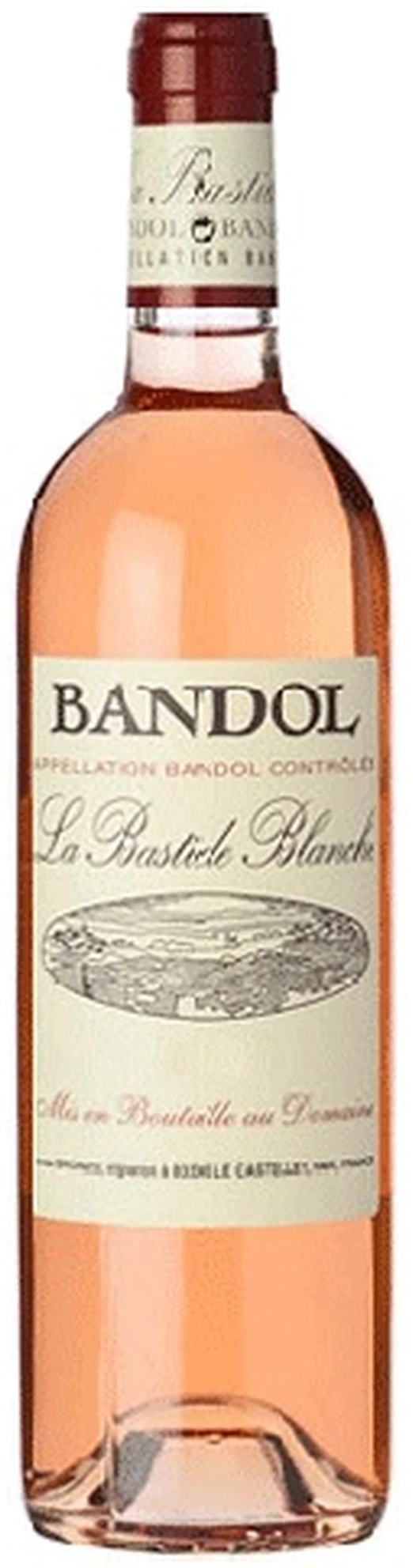
In the early 1970s Michel and Louis Bronzo acquired Bastide Blanche with the goal of producing Bandol wines of comparable quality to southern France’s more renowned appellations at the time. Today they are recognized as one of the top producers in the country. Low yields and an impeccable cellar help to create some of the most expressive wines of Bandol. This is classy and classic Provençal rosé. Mourvèdre is the base grape with about equal parts Cinsault and Grenache from fruit hand-harvested off of vines growing in clay-limestone soil.


Mas des Caprices “Ozé” (Corbières 2017) Regular Price: $24
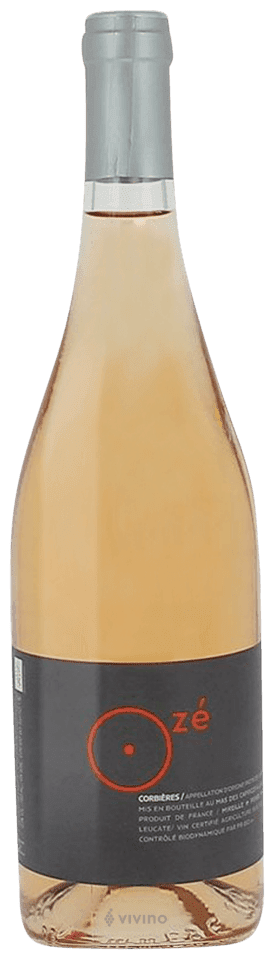
Mireille and Pierre Mann quickly made a name for themselves by producing tasty, genuine wines on the Mediterranean coast. Certified organic in 2009, their guiding philosophy is meticulous work in the vineyard while respecting nature. High yields are impossible to achieve in their rugged vineyards kissed by both the mountains and the Mediterranean Sea. Their rosé is a blend of Grenache and Mourvèdre with a touch of Syrah. Fresh, fruity, and intense, it’s a crowd-pleaser.


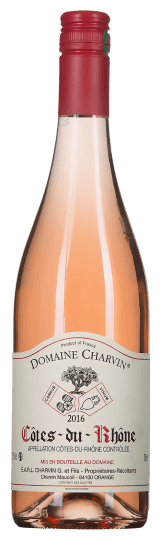
Domaine Charvin (Côtes du Rhône 2019) Regular Price: $22
Until recently, Laurent Charvin, who holds about 25 acres in Châteauneuf-du-Pape, was almost the only grower to vinify with whole-cluster fermentation. Today that is becoming the trend. His Côtes-du-Rhône rosé is a blend of low yielding vines, mainly Grenache and Cinsault from a parcel less than four acres, although depending on the vintage there might be a splash of Bourboulenc and Mourvèdre.  The fruit is organically farmed, harvested by hand, and fermented using indigenous yeasts. Strawberry, peach, and citrus flavors make this a poundable rosé.


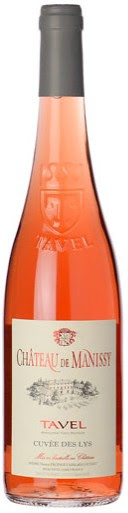
Château Manissy “Cuvée des Lys” (Tavel 2019) Regular Price: $20
Talented young winemaker Florian André spent three years as an apprentice to Domaine de la Mordorée’s Christophe Delorme (Châteauneuf-du-Pape, Lirac, Tavel) before his first solo vintage at Château Manissy in 2004. Florian has converted the domaine to biodynamic viticulture. From a plot of about 25 acres enclosed by a forest “Cuvée des Lys” is hand-harvested and fermented with indigenous yeasts. The wine is aged in concrete and stainless steel tanks to preserve the fresh and intense fruit that balances on a backbone of juicy acidity.


Château Montfin “L’Étang Danse” (Corbières 2019) Regular Price: $14

Since 2002, the 49 acre old vines estate of Château Montfin has been managed by Jérôme and Raymond Esteve. Since 2009 the domaine has used organic cultivation methods in all their parcels and presently the entire domaine is certified organic. “L’Étang Danse” is a blend of 55% Cinsault and 45% Grenache, entirely hand-harvested. Very low yields help create a wine that is expressive of tart red fruits, citrus, and spice, that is nicely balanced and refreshing on the palate. A superb value.

Posted on Leave a comment

$165 “The Robert Louis Stevenson” Wine-Aid Package – 6 Bottles of French Red Wine from the Slopes of the Cévennes Mountains (All Included and Delivered)

“Wine is bottled poetry.” — Robert Louis Stevenson 

Introducing The Robert Louis Stevenson, a $165 Wine-Aid package that includes six bottles of ripe and lush red wine from the appellations of Faugères, Terrasses du Larzac, and Saint-Chinian — appellations that all lie in the dramatically craggy foothills of the southern slopes of the Cévennes mountain range. The price includes tax and delivery, as well as a 15% discount. We will also honor a 10% discount on any bottles you might wish to add to the Wine-Aid package. 

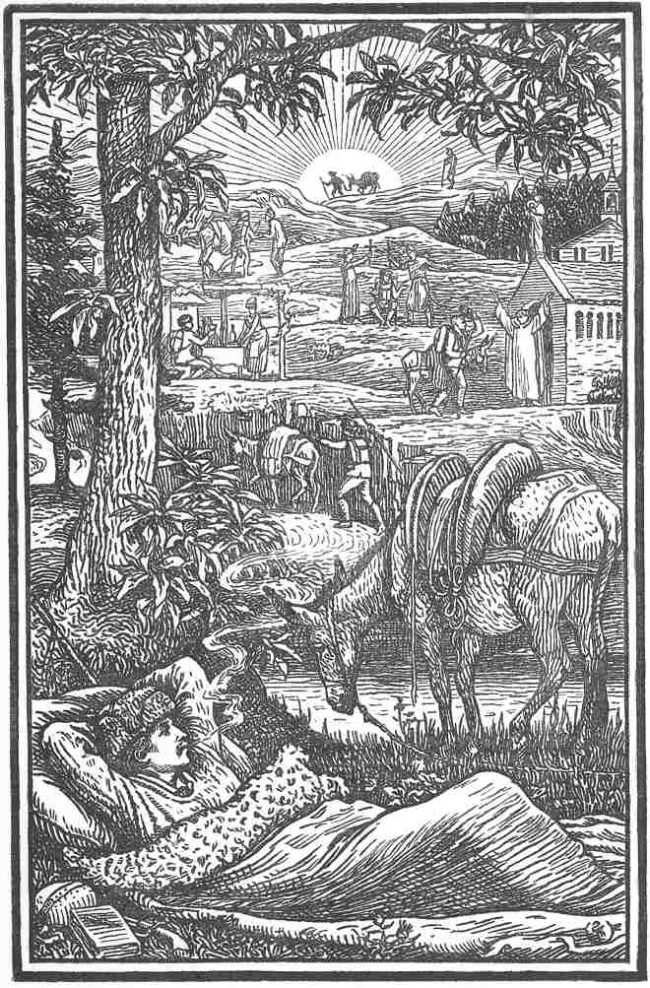
Robert Louis Stevenson was a Scottish poet, playwright, novelist, and travel writer. While he is most famous for his adventure novels like Treasure Island, one of his earliest published works was a pioneering classic of outdoor literature, Travels with a Donkey in the Cévennes. The book recounts Stevenson’s 12-day, 120 mile, solo hiking journey through the southern French mountain range in 1878. Here’s a taste:
“There is a romance about all who are abroad in the black hours, and with something of a thrill we try to guess their business. But here the romance was double: first, this glad passenger, lit internally with wine, who sent up his voice in music through the night; and then I, on the other hand, buckled into my sack, and smoking alone in the pine-woods between four and five thousand feet towards the stars.”

Included in The Robert Louis Stevenson Wine-Aid box are two bottles of each:

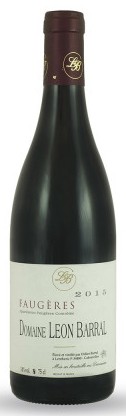
1) Domaine Léon Barral (Faugères 2016) Regular Price $36
An arid landscape of scrub-covered ridges and windswept stone outcrops, Faugères is known for its dry and crunchy metamorphic schist that forces the roots of the vines to penetrate deeply in search of moisture. Didier Barral farms about 75 acres of vines using biodynamic practices.  This bottle is a blend of 50% Carignan, 30% Grenache, and 20% Cinsault from vines aged 40 to 70 years old. After fermentation, the wine is aged for 2 years in cement and stainless steel cuves. The aromatics are joyous with black cherries, cocoa, herbs and flowers. A sip is filled with fruit yet nimble on the palate, elegant even, with a finish of sun-baked stone.


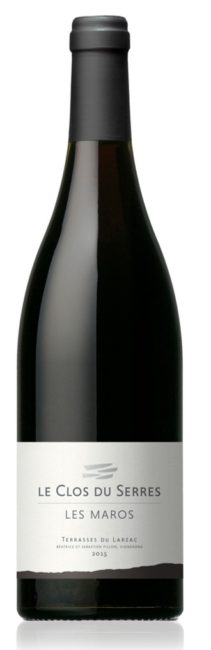
2) Le Clos du Serres “Les Maros” (Terrasses du Larzac 2015) Regular Price $31
In 2006, Béatrice and Sébastien Fillon purchased 37 acres divided into 15 parcels near the town of Saint Jean de la Blaquière. The diversity of the soil across all of their parcels includes schist, sandstone, pebbles & shingle, and red ruffes (deep deposits of sandstone accumulated some 265 million years ago and exposed by erosion). “Les Maros” is a single parcel of schist west of the village. The wine is a blend of 60% Grenache, 20% Cinsault, and 20% Carignan from the coolest vineyard area of the estate. The wine is matured for 12 months in concrete vats. Weighty and more concentrated, the flavors tend toward black fruit and licorice with a mouth-filling texture and lengthy finish.


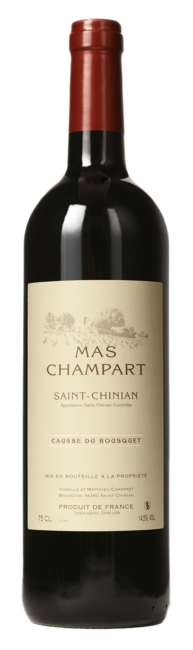
3) Domaine Mas Champart “Causse de Bousquet” (Saint-Chinian 2017) Regular Price $25

Back in 1976, Isabelle Champart and her husband Mathieu began cultivating vines on a humble 20 acre farmstead. Mathieu tends to the vines, Isabelle makes the wines, and this small slice of the Languedoc is their life. “Causse de Bousquet” is a blend of 60% Syrah, 20% Grenache, 10% Mourvèdre, and 10% Carignan mainly from a broad limestone plateau at close to 1,000 feet in elevation where the hard rock extends through to the surface. Aromatics of red cherry licorice and herb-dusted stone hover above the slightest hint of grilled meat. A mouth-filling sip bellows of ripeness yet the wine never turns flabby. Indeed the lengthy finish seems to release energy as it remains. 


Posted on Leave a comment

$165 “The Matisse” Wine-Aid Package – 6 Bottles Southern French Red Wine (All Included and Delivered)

“What I dream of is an art of balance.” — Henri Matisse

Introducing The Matisse, a $165 Wine-Aid package that includes six bottles of Red Wine illustrating the rich fruit and herbal fragrant wines from vineyards across southern France’s Languedoc-Rousillon region. The price includes tax and delivery, as well as a 10% discount. We will also honor the 10% discount on any bottles you might wish to add to the Wine-Aid package. 

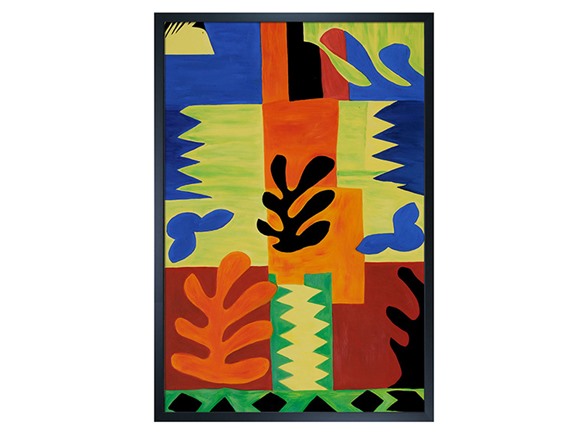
Henri Matisse was one of the most influential artists of the twentieth century. In 1905 he was residing in the coastal village of Collioure in the Languedoc-Roussillon when he was inspired to fill his canvases with passionate hues and a brash distortion of form. For these stylistic innovations he was branded a fauve (wild beast) and thus fundamentally altered the course of modern art with the founding of Fauvism.

The selections in The Matisse Wine-Aid are not only a nod to the “art of balance” but also to the bold and ecstatic vibes, much like Matisse’s work, that these wines display in the glass. We’re pretty sure that Henri would approve. 

Included in The Matisse Wine-Aid box are two bottles of each:

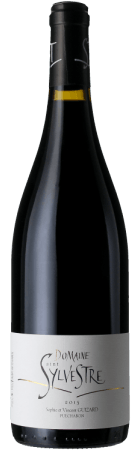
1) Domaine Saint Sylvestre Rouge (Languedoc 2015) Regular Price $45
Vincent and Sophie Guizard are cultivating less than 20 acres of prime vineyards in Terrasses du Larzac, an appellation known for its unique climate that benefits from both the warm Mediterranean sea and the cool air that blows down from the Larzac plateau on summer nights, creating wines that are fresh, yet delicate. They use no synthetic fertilizers or herbicides in the vineyards. Fermentation is completed using only indigenous wild yeasts. The wine is a blend of 70% Syrah, 20% Grenache, and 10% Mourvedre aged for two years in used French oak barrels from Burgundy before blending and bottling without fining or filtering. It exudes an intoxicating nose of blackberry, garrigue, raw red meat, violets, and a curl of wood smoke. 

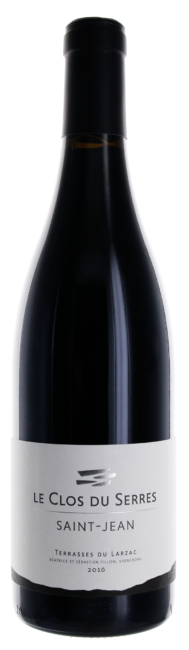
2) Le Clos du Serres “Saint-Jean” (Terrasses du Larzac 2017) Regular Price $24
In 2006, Béatrice and Sébastien Fillon purchased 37 acres divided into 15 parcels near the town of Saint Jean de la Blaquière. The diversity of the soil across all of their parcels includes schist, sandstone, pebbles & shingle, and red ruffes (deep deposits of sandstone accumulated some 265 million years ago and exposed by erosion). “Saint-Jean” is a blend of 25% each Grenache, Syrah, Cinsault, and Oeillade (a grape indigenous to the Languedoc and close to extinction). It’s a wine that expresses all the terroir the village has to offer. After maturation for 12 months in concrete vats the result is a wine that is luscious with fruit but balanced, with floral, spice, and red berry aromatics.

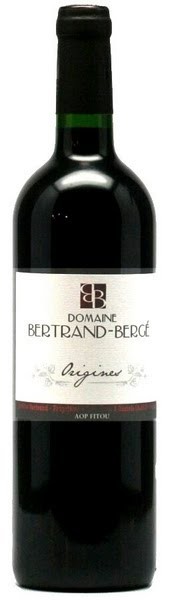
3) Domaine Bertrand-Bergé “Origines” (Fitou 2016) Regular Price $23
Fitou Montagneux is a patch of mountainous schist fifteen miles inland from the Mediterranean Sea. Winemakers Jérôme and Sabine Bertrand’s estate is comprised of many old-vine parcels that cover an area of 84 acres dotted around the hilly countryside of Paziols, the air fragrant with the scent of wild juniper, thyme, rosemary and lavender of the local garrigue shrubland. The estate is cultivated entirely using organic techniques. Of the wide range of soils that are found in the region, the pudding stones found around Paziols contribute much to the high quality of the wines. “Origines” is a starting point to understanding and enjoying the terroir of Fitou. A blend of 60% Carignan and 40% Grenache aged for 18 months in concrete, “Origines” delivers juicy ripe black fruits accented by clean earth.


The Wine Press — Henri Matisse

Posted on Leave a comment

$260 “The Cézanne” Wine-Aid Package – 12 Bottles Southern French Red Wine (All Included and Delivered)

“A work of art which did not begin in emotion is not art.” — Paul Cézanne

Introducing The Cézanne, a $260 Wine-Aid package that includes 12 bottles of Red Wine illustrating a range of ripe and luscious flavors and aromas from vineyards across Mediterranean France. The price includes tax and delivery, as well as a 10% discount. We will also honor the 10% discount on any bottles you might wish to add to the Wine-Aid package. 

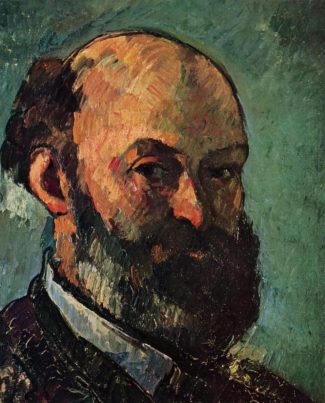
Paul Cézanne was a French artist and Post-Impressionist painter whose work laid the foundations for 20th century art. His paintings formed a bridge between Impressionism and the early 20th century’s new line of artistic enquiry, Cubism. Both Matisse and Picasso claimed that Cezanne “is the father of us all.” 
The Sainte-Victoire mountain near Cézanne’s home in Aix-en-Provence in southern France was one of his favorite subjects and he is known to have painted it well over 60 times. This is the type of landscape you find throughout Mediterranean France and from which our latest selection of wines is inspired. Cézanne painted the mountain from different angles, at different times of the day, and under different weather conditions. Browsing all of his works on this subject and you get a sense of the different elements over a growing season the winemakers represented in this selection must face every vintage. 

Included in The Cézanne Wine-Aid box are four bottles of each:

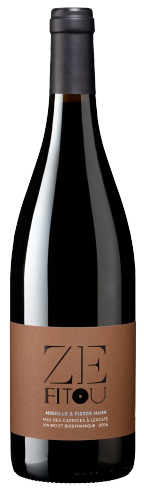
1) Mas des Caprices “ZE” (Fitou 2016) Regular Price $31
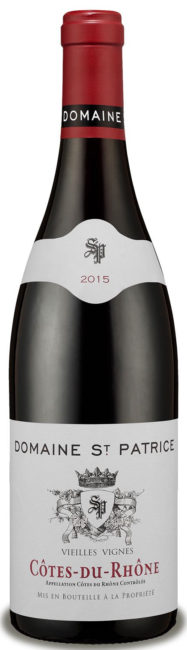
Mireille and Pierre Mann quickly made a name for themselves by producing tasty, genuine wines on the Mediterranean coast. Certified organic in 2009, their guiding philosophy is meticulous work in the vineyard while respecting nature. A blend of 40% Carignan, 35% Grenache, and 25% Mourvèdre from the windswept Leucate cliff. Fruit, both ripe and fresh, provides the foundation for this crowd-pleasing red. Maturation takes place for nine months, mainly in concrete vats, with around 20% aging in old barrels. Exceptionally floral on the nose, a sip seduces the palate with velvety tannins and silky berry salad. Pop a bottle for pizza, shawarma, or (virtual) game night with friends.

2) Le Clos du Serres “Saint-Jean” (Terrasses du Larzac 2017) Regular Price $24

In 2006, Béatrice and Sébastien Fillon purchased 37 acres divided into 15 parcels near the town of Saint Jean de la Blaquière. The diversity of the soil across all of their parcels includes schist, sandstone, pebbles & shingle, and red ruffes (deep deposits of sandstone accumulated some 265 million years ago and exposed by erosion). “Saint-Jean” is a blend of 25% each Grenache, Syrah, Cinsault, and Oeillade (a grape indigenous to the Languedoc and close to extinction). It’s a wine that expresses all the terroir the village has to offer. After maturation for 12 months in concrete vats the result is a wine that is luscious with fruit but balanced, with floral, spice, and red berry aromatics.

3) Domaine Saint Patrice “Vieilles Vignes” (Côtes-du-Rhône 2016) Regular Price $18
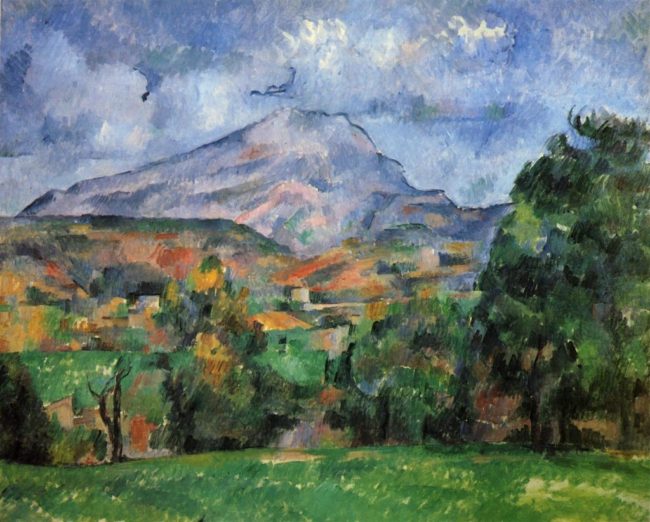
From their first vintage, Domaine Saint Patrice became one of the finest producers in Châteauneuf-du-Pape.  “Vieilles Vignes” Côtes-du-Rhône is boisterously fruity in aromatics and flavor with some clean earth and a hint of herbs. A sip is downright poundable, juicy, with a finish that extends far beyond its reasonable price. It has all the elements one looks for in the type. The attractive price is just the cherry on top. It is a blend of Grenache, Mourvèdre, and Syrah from three plots: Les Champauvins, Le Coudoulet, and Boisfeuillet. In the cellar, maceration and fermentation are done in concrete tanks. Aging takes place over 14 months in concrete vats and large oak foudre with a further 12 months after bottling.


Mont Sainte-Victoire