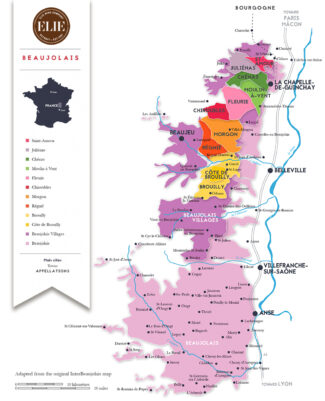
A few miles north of Lyon lies Beaujolais, a storied French wine appellation that overlaps both Burgundy and the Rhône, paying homage to both while owing allegiance to neither. The picturesque vineyards are planted almost exclusively to Gamay for reds and have been producing accessible, fruit-forward wines since the Romans first established trading routes along the Saône valley. Nearby Lyon is said to be ‘a city of three rivers’—the Rhône and Saône rivers that converge here, and then, the river of cool Beaujolais wine that drenches its food-centered heart. With 4300 restaurants (including twenty that boast Michelin stars), Lyon is host to such internationally renowned chefs as Paul Bocuse and Guy Lassausaie, and has rightly been nicknamed ‘The Gastronomic Capital of the World.’
Beaujolais is filled with rolling hills and bucolic villages, unique in France in that relatively inexpensive land has allowed a number of dynamic new wine producers to enter the business. In the flatter south, easy-drinking wines are generally made using technique known as carbonic maceration, an anaerobic form of closed-tank fermentation that imparts specific, recognizable flavors (notably, bubblegum and Concord grape). Often sold under the Beaujolais and Beaujolais-Villages appellations, such wines tend to be simple, high in acid and low in tannin, and are ideal for the local bistro fare. Beaujolais’ suppler wines generally come from the north, where the granite hills are filled with rich clay and limestone. These wines are age-worthy, and show much more complexity and depth. The top of Beaujolais’ classification pyramid is found in the north, especially in the appellations known as ‘Cru Beaujolais’: Brouilly, Chénas, Chiroubles, Côte de Brouilly, Fleurie, Juliénas, Morgon, Moulin-à-Vent, Regnié and Saint-Amour. Each are distinct wines with definable characteristics and individual histories; what they have in common beyond Beaujolais real estate is that they are the pinnacle of Gamay’s glory in the world of wine.
Moulin-à-Vent
At the top of Beaujolais, geographically and arguably, in terms of quality, Moulin-à-Vent’s oddly toxic soils produce wines of great merit. Manganese exists here in quantities not found anywhere else in Beaujolais; it retards leaf growth and creates smaller bunches, resulting in wines of phenomenal concentration that can be cellared for a decade or more.
 In the 18th century Château du Moulin-à-Vent was called Château des Thorins, named for the renowned vines on the hillsides of Thorins—a Mâconnais proverb runs, “Every wine is good with a meal, but a meal cannot be enjoyed without Thorins.” The estate was purchased in 2009 by the Parinet family, who has made a marvelous effort to extract the most from the chemical-rich terroir—the underlying granite soil contains iron oxide, copper and, of course, manganese. Château du Moulin-à-Vent, Moulin-à-Vent – Le Moulin-à-Vent 2018, ($40), comes from an exceptional vintage and is one of the château’s signature wines, sumptuous and expressive. It shows juicy black fruits, lavender and a myriad spices from the partial oak-aging.
Chiroubles
Chiroubles is relatively tiny, with fewer than a thousand acres under vine, but it is a mouse that roars. This is due mostly to elevation; Chiroubles vineyards are the highest in Beaujolais, with some planted 1500 feet above the Saône River valley. Taking advantage of extreme diurnal shifts between the warm days and cold nights, the same soils that produce Fleurie to its immediate north here build wines that are lighter and fresher, often with pronounced floral characteristics.
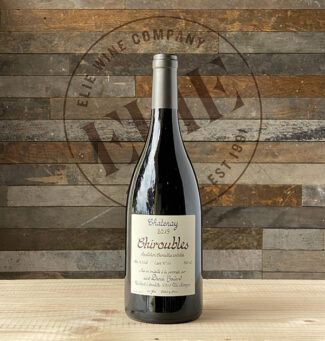 Daniel Bouland is an artisan in the style of old-school winemakers. He works his vines by hand, and many are grown in small plots known as lieu-dits—portions of a vineyard with specific topographic or historical significance. Better known for his Morgons, Daniel Bouland ‘Cuve No 11’, Chiroubles-Chatenay 2019, ($36), hails from such a lieu-dit (Chatenay) in the neighboring appellation of Chiroubles, on a steep hillside site composed of friable sandstone. Such terroir produces beautiful, fragrant, sappy Gamay wines with the structure of many Burgundies. It has a nose of violets and thyme, a rich mid-palate of cherry and cranberry underscored by orange peel, Damson plum and crisp minerality.
Côte de Brouilly
To suggest that Côte de Brouilly erupts with flavor is more than a metaphor; the appellation sits on the slope of an extinct volcano. Making up but a small fraction of the Brouilly appellation, Côte de Brouilly draws its unique terroir from volcanic blue diorite, which provides the thin, well-drained soil that causes vines to struggle and the resulting wine—concentrated and intense—to shine. The vineyards of Côte de Brouilly are found on the south and east slopes of Mont Brouilly, protected from winds from the nearby Beaujolais hills by the volcano itself. They enjoy morning sunlight maximized by the steep slopes of the vineyards. This hastens ripening so that the vineyards of Côte de Brouilly are among the first to be harvested in Beaujolais.
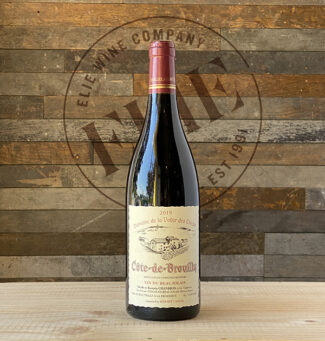 Domaine de la Voûte des Crozes, Côte de Brouilly 2019, ($23). So highly is La Voûte des Crozes winemaker Nicole Chanrion regarded in Côte-de-Brouilly that in 2000, she was elected president of the appellation. With oversight of all aspects of the process, from winter pruning, to managing the canopy, hand-harvesting and fermentation, she produces a wine whose tannins match ripeness of the fruit. Ample and layered with a succulent core of black-cherry, the acid remains front and center while a streak of minerality reflects the volcanic schist terroir.
 The artisan vigneron reappears in Côte de Brouilly with Daniel Bouland ‘Cuvée Mélanie Cuve No 1’, Côte de Brouilly 2019, ($36), a wine comparable in complexity, depth and cellaring potential to a Côte de Beaune. Another lieu-dit gem, this wine shows kirsch fragrances along with cassis, blackberry and smoke. Like all of Bouland’s wines, this one is made from hand-harvested grapes, vinified with full clusters and bottled unfiltered.
Saint-Amour
The wines of Saint-Amour are light and delicate, the result of dry, warm winds from the north that keeps soils feathery-textured; although Gamay is the predominant varietal, it’s no wonder that this appellation produces more white wines than the other Beaujolais cru, although these Chardonnay/Aligoté -based wines often wear generic labels or are listed under the Saint-Véran (Burgundy) appellation that slightly overlaps Saint-Amour.
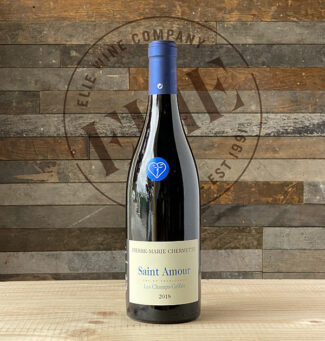 Pierre-Marie Chermette was raised in the vineyard; his fondest memories of the family home in Vissoux was riding the tractor. He pursued it as his life’s work, earning a National Diploma of Oenologist from Dijon at the age of 20. Two years later, he convinced his father to stop selling the fruits of his labor to merchants, and developed the market for estate bottled wines. Over the years, Pierre-Marie diversified the number of appellations the family worked, and is now responsible for nearly 75 acres. For obvious reasons, Pierre-Marie Chermette, Saint-Amour-Les Champs Grilles 2018, ($30) is marketed for Valentine’s Day, for which it is perfectly suited: The nose is rose petals and cherry blossoms, and the palate is filled with lush red fruits and chocolate layered across gentle tannins.
Morgon
Morgon, on the western side of the Saône, may only appear on the label of a Gamay-based red wine; even so, the appellation allows the addition of up to 15% white wine grapes: Chardonnay, Aligoté or Melon de Bourgogne. Nevertheless, the wines of Morgon wind up being among the most full-bodied in Beaujolais, with the potential to improve in the cellar so consistently that the French describe wines from other AOPs that display this quality by saying, “It Morgons…” The vineyards occupy slightly under five square miles surrounding the commune of Villié-Morgon, with the vines of Fleurie and Chiroubles directly to the north and Brouilly and Regnié along the southern border.
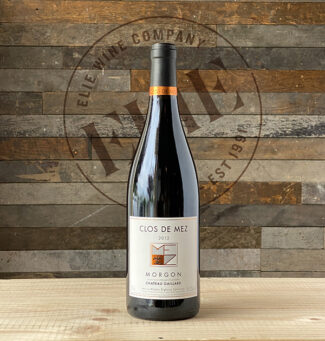 Marie-Élodie Zighera-Confuron is the proprietor of Clos de Mez, and maintains the vineyards’ matriarchal lineage. She explains, “Vines have been in my maternal family for four generations. The grapes they grew were delivered to the cooperative cellar by my grandmother and mother, up until I arrived at the domain as a winegrower. However, this did not deter my grandmother or mother from taking great care of the vineyard.” Clos de Mez, Morgon-Château Gaillard 2012, ($22)is not to be confused with Normandy’s Château Gaillard; here it is a lieu-dit in the northern part of Morgon bordering on Fleurie. The vines are all over 60 years old; they produce a distinctive, meaty wine that has been compared to a Rhône for its dark cherry profile enlivened by licorice, plum and a taut, mineral-tinged acidity.
Fleurie
As mentioned, each of the Beaujolais crus wears its own pretty face; where Morgon is bold and handsome and Saint-Amour is a fairyland of delicate beauty, Fleurie—covering an unbroken area of three square miles—represents Beaujolais’ elegance. The terroir is built around pinkish granite that is unique to this part of Beaujolais, with the higher elevations accounting for thinner, acidic soils that produce graceful and aromatic wines. Below the main village, the wines are grown in deeper, richer, clay-heavy soils and the wines themselves are richer and deeper and appropriate for the cellar. The technique known as gridding, which involves extracting more color and tannin from the skins of the grapes, is proprietary to Fleurie.
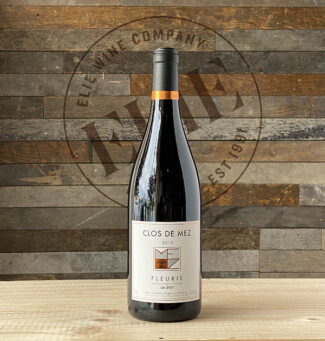 Clos de Mez, Fleurie-La Dot 2012, ($22)sees the return of Marie-Élodie Zighera-Confuron to her native Fleurie, where La Dot refers to a plot of vines, now fifty years old, that her grandmother once received as a dowry. White flowers and cut grass waft through the nose and lead to a beautiful palate of pomegranate and raspberry; the wine finishes with granitic acidity and a dusting of baking spices.
 Pierre-Marie Chermette, Fleurie-Poncié 2017 ($27) also reintroduces the tractor-fan turned enologist from Le Vissoux. Although the family estate is in Saint-Vérand, in the Golden Stone area of Rhône, the luscious Fleurie from the lieu-dit Poncié is a paean to the sandy slopes of pink granite north of the town itself. The wine is resplendent with sweet red cherries, dried flowers and ripe strawberries enveloped in silky tannins.
Beaujolais-Villages
Of the three Beaujolais classifications, Villages occupies the middle spot in terms of quality. To qualify, the wine generally hails from more esteemed terroirs in the northern half of Beaujolais, from one of 38 villages that have not been named ‘cru’ appellations. They are expressive wines with more structure and complexity than generic Beaujolais, though not as exclusive as those from the ten crus. Accounting for about a quarter of all Beaujolais production, Villages wines are most often produced by négociants and vinified using stricter rules as to yields and technique.
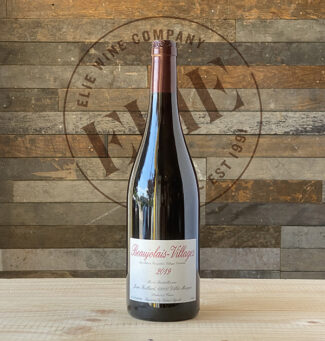 Jean Foillard, Beaujolais-Villages 2019, ($27), is a solid example of the classification, brilliant red with a purplish tint, offering round, juicy mouth-filling strawberry and cherry flavors with spice in the background and a rustic, lightly tannic finish. A disciple of traditionalist Jules Chauvet, who eschewed the styles touted by commercial brands, Jean Foillard produces wines that are sumptuous and complex, with a velvety lushness that makes them irresistible in their youth.
Beaujolais
Brooding Beaujolais is an oxymoron; buoyant Beaujolais is a requirement. The broadest of all the classifications in Beaujolais, seeing such a designation on a wine label means that the grapes are generally grown in the southern part of the appellation and vinified using carbonic or semi-carbonic maceration, leaving dominant, candy-like notes. Beaujolais’ climate is similar to Burgundy—moderate continental—and the main difference in the output is that whereas Burgundy’s Pinot Noir is fickle and difficult to ripen, Beaujolais’ rock star Gamay is an early-budding, early-ripening and vigorous cultivar. As such, outputs (if not controlled) can be overly prodigious.
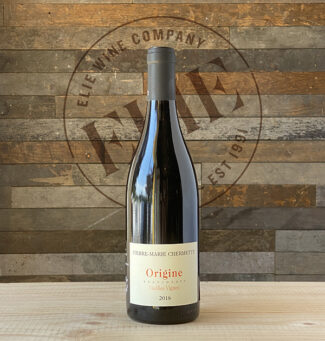 Pierre-Marie Chermette ‘Origine Vieilles Vignes’ Beaujolais 2018, ($18), falls under this generic appellation with the specification of ‘Origine Vieilles Vignes’, or ‘original old vines’. It is produced in Saint Vérand from vines that have grown on a dark granite enclave for up to a century. The cuvée was created in 1986 when banana-flavored Beaujolais Nouveau was in vogue; Pierre-Marie wanted to create a non-chaptalized spring-release Beaujolais using natural yeast and vinified by using traditional methods. It is bright and beautiful, suave and supple, and exhibiting great color and freshness.
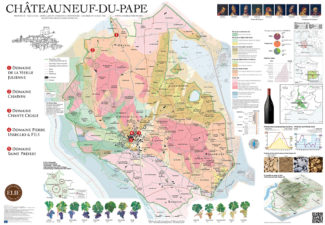 Limited to five communes, Châteauneuf-du-Pape commands prices worthy of its reputation, but many of the estates own vines just outside the tight borders and there are some plots on which some vineyard rows may be labeled Châteauneuf-du-Pape and adjacent rows, Côtes du Rhône. The finest of these face the challenge of bureaucracy rather than terroir. We firmly believe that the following wines offer extraordinary ‘CdP-esque’ quality at a phenomenal price; they are suited to those who drink for the wine instead of the label. A 10-bottle pack, two of each, for an all-inclusive price of $299.
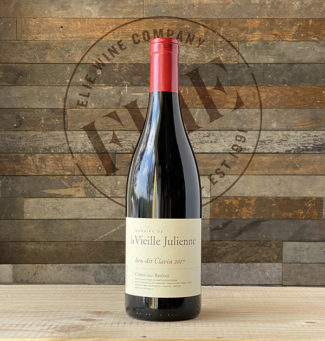 Domaine de la Vieille Julienne’s
 On the southern end of Châteauneuf-du-Pape, owner/winemaker
  Founded in 1948 by Italian winemaker Francis Usseglio, the domain released its first vintage the following year. Since then, the family has nurtured 17 parcels over almost fifty acres situated within some of the best terroirs in Châteauneuf-du-Pape, and today, brothers
 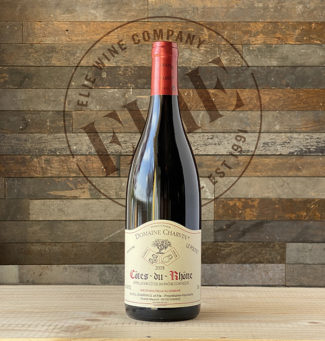 Laurent Charvin tends vines in the northwest end of Châteauneuf-du-Pape, primarily in Cabrières, Maucoil and Mont Redon. He farms organically, and vinifies old-school, without de-stemming and fermenting in concrete tanks for 21 months before being bottled unfiltered. From a sandy, north-facing hillside, “Le Poutet” 2018 ($26) is an exemplary Côtes du Rhône that shows Grenache elegance with ripe blackberry and mulberry mingled in bramble and spice. The palate is intense and generous and is wonderful testimony to the winemaker’s attention to detail.
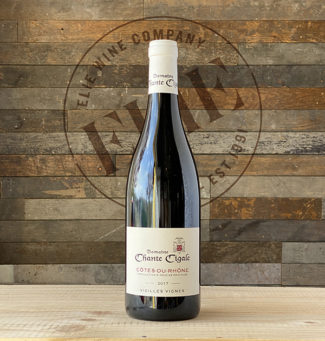 The roots of this domain extend back to 1874, when the delightfully-named Hyppolite Jourdan christened the estate Chante Cigale, meaning ‘song of the cicada’, as can be heard throughout Southern Rhône.
 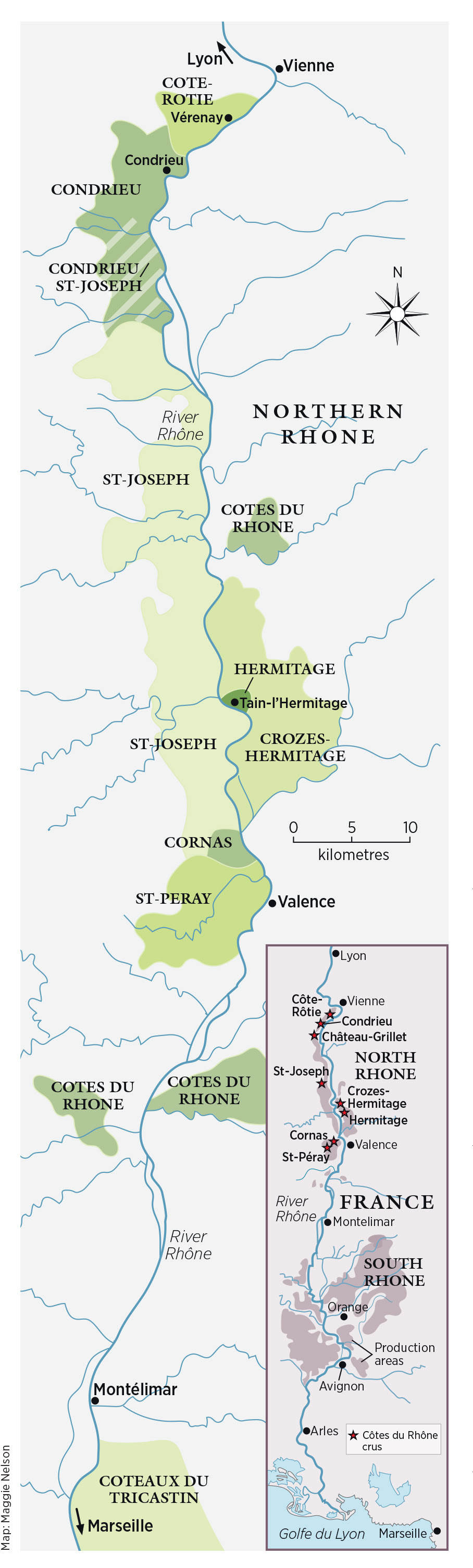 Home to some of the world’s most sought-after wines, Northern Rhône is the land of Syrah. Indeed, Syrah is the sole red wine grape allowed to be planted in the region’s major appellations, and it accounts for around 95% of the region’s wines.
 Some of the best values of the Northern Rhône come from Saint-Joseph and the appellation’s most complex wines are similar to those found in Côte Rôtie. For more than forty vintages, the late Georges Vernay was a towering figure in Northern Rhône, producing wines remarkable for their grace and complexity. Georges died in 2017 but had long since passed the torch to his daughter Christine Vernay. Since taking charge in 1997, she has brought the domaine to even greater heights. Christine continues with the methods developed by her father to best express the magic of the region’s wines. Yields are very low and the vineyards are organically farmed. Literally translated as “Lands of Ink” “Terre d’Encre” Saint-Joseph 2018 (Regular $77) is a wine worthy of its name. Produced from 30-year-old Syrah vines planted on granite soils in the municipality of Chavanay, it’s all meat and black cherry with a twang of acid, and a spicy licorice note on the finish.
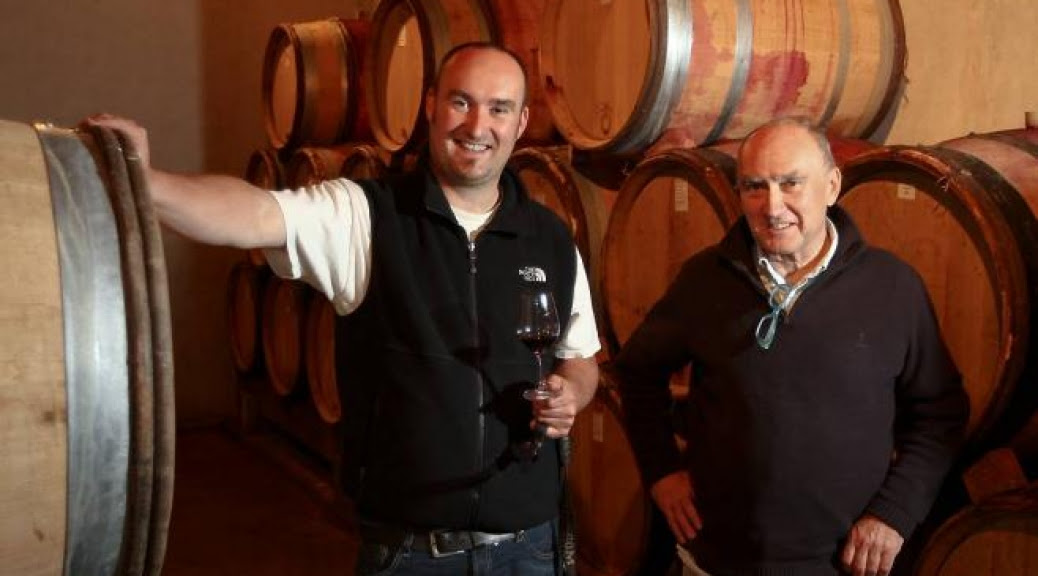 With many vineyards in the appellation being pebble-covered terraces with granite-clay soils and a blend of sand, look to Crozes-Hermitage for amped up floral aromatics and elegance. There are few names as revered as Alain Graillot in Northern Rhône. After working with the venerable Jacques Seysses at Domaine Dujac in Burgundy, Alain came back to his home in Crozes-Hermitage to start his own domaine in 1985, and soon became known for producing some of the region’s most haunting wines from his stony, organically farmed vineyards. Alain’s sons Maxime and Antoine have been in charge since 2008, with Alain working closely alongside them to this day. Crozes-Hermitage 2018 (Regular $49) is 100% Syrah from 30+ year old vines grown in the villages of La Chene Verts. 100% whole cluster fruit is fermented in concrete with indigenous yeast and then aged in 1-3 year old barrels purchased from some of the top estates in Burgundy. Spice-accented aromas of ripe dark berries and candied violet lead to a rich and energetic sip that finishes nice and spicy.
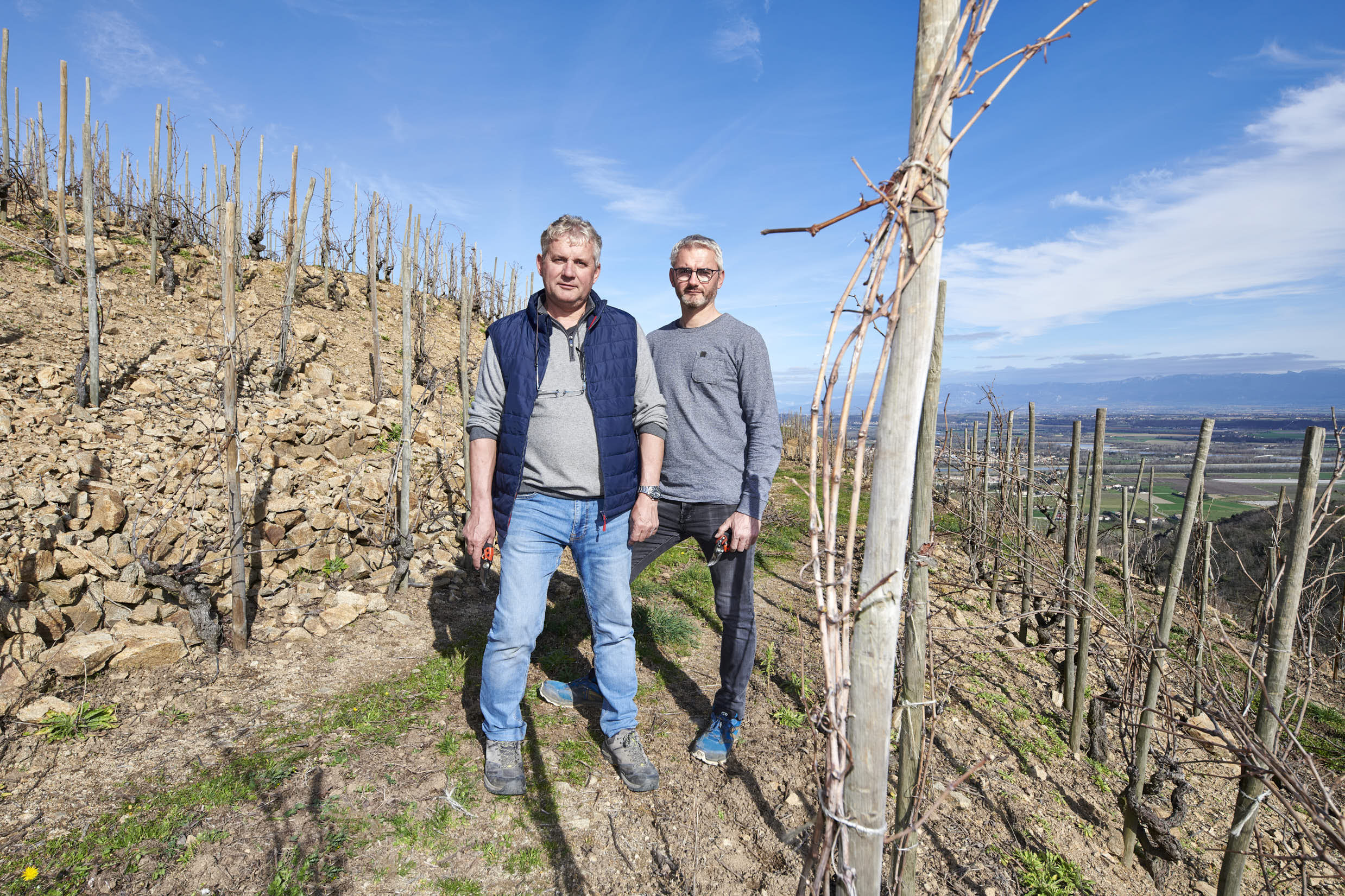 The burliest, meatiest, and ripest wines in Northern Rhône are usually Cornas. Yet they still offer the freshness and distinct minerality that is a hallmark of the region’s Syrah. The up-and-coming, small estate of Domaine Durand consists of 54 acres of vines across the appellations of Saint-Joseph, Saint-Péray, and Cornas, and is run by brothers Eric and Joël Durand. Methods are sustainable, yields are moderate, and the approach is geared towards producing wines of elegance, subtle power, and great purity. “Prémices” Cornas 2016 (Regular $40) is 100% Syrah. It comes from a selection of granite soil plots in areas that produce soft yet refined wines. Vines are 13 to 15 years old and yields are low. The grapes are harvested at peak balance and de-stemmed before fermentation. Maturation lasts for 12 months in used casks to produce a wine both generous and fresh, with fine yet prominent tannins, and loads of plum, fig, and blackberry fruit.
 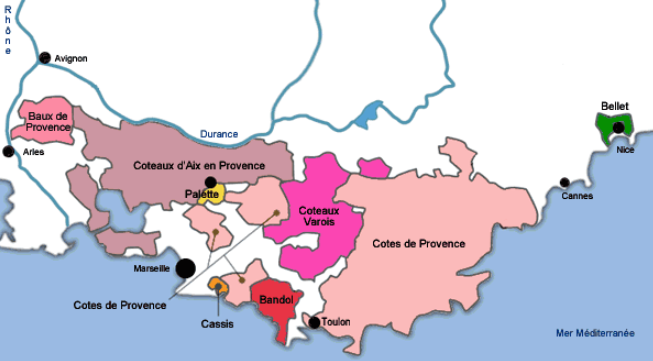 Bandol wine is grown in small quantities in the limestone hills near the village of Bandol, east of Marseille and west of Toulon. It’s sun-soaked southerly terraces brushed with Medditerranean breezes are ideal for cultivating Mourvèdre — a grape variety with one of the longest growing cycles, but when fully ripened has the potential to create some of the most substantial and long-lived wines on our pale blue dot. Being one of mainland France’s driest, sunniest climates, fungal diseases are not the perennial threat they are elsewhere, making the region well-suited to organic viticulture. Bandol red wines must be at least 50 percent Mourvèdre, with the remainder generally blended with the classic grapes of the Mediterranean: Grenache, Cinsault, Syrah, and Carignan.
 Domaine Tempier
 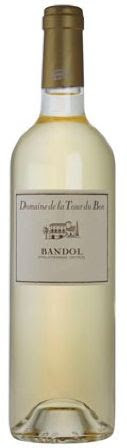 Domaine de la Tour du Bon
 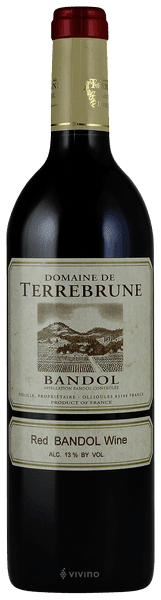 Domaine de Terrebrune
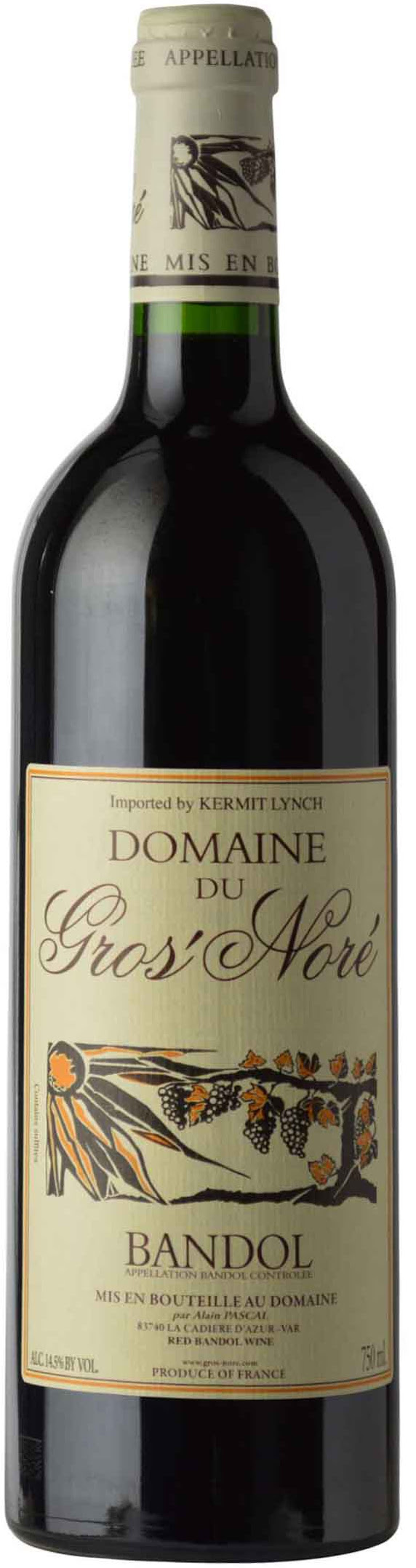 Domaine du Groś Nore
 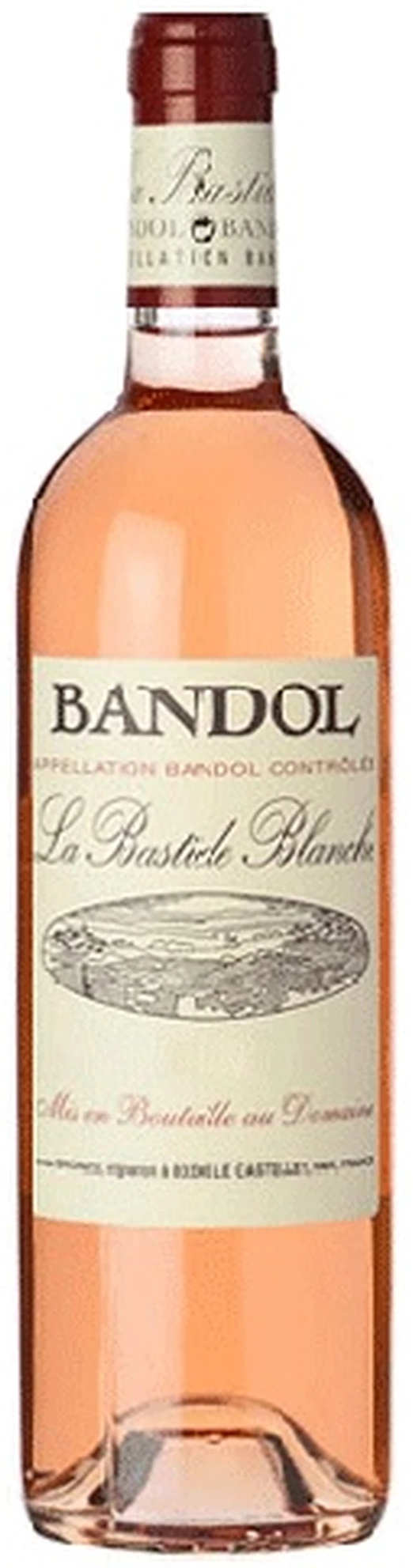 La Bastide Blanche
 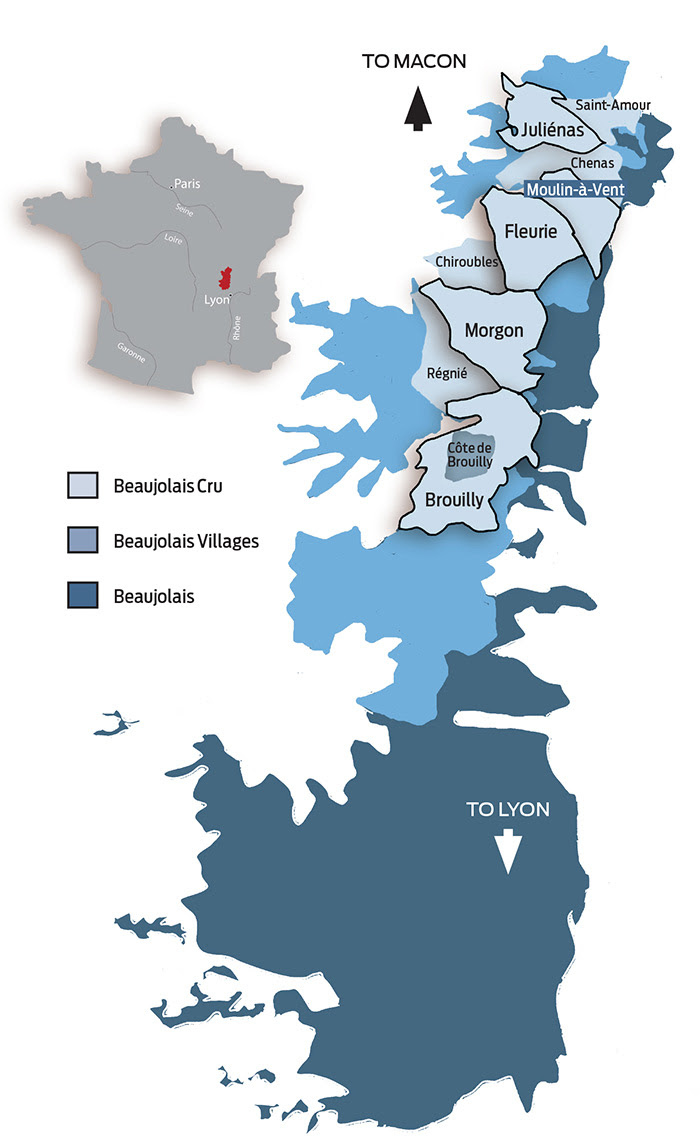 Included in the package are wines from eight of Beaujolais’ ten Cru appellations — known for their extraordinary soils and microclimates and the capability of producing the most remarkable wines of the region. Although these are all Gamay-based wines, they are produced using many of the traditional methods practiced in Burgundy, including a focus on healthy vineyard ecosystems with the goal of making wines that express their terroir.
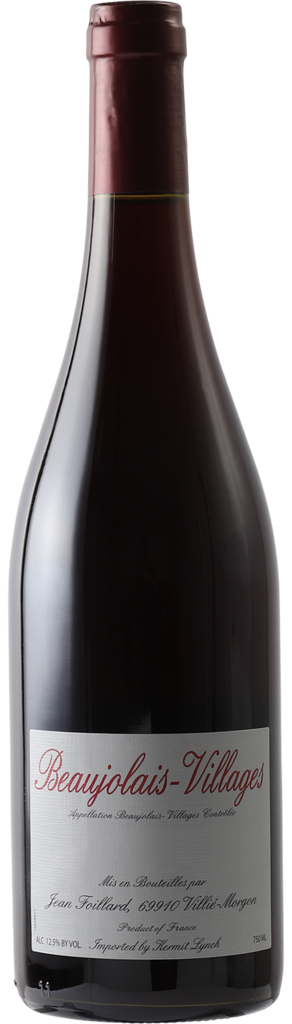 A living legend in Beaujolais, Jean Foillard is a traditionalist who has returned to the old practices of viticulture and vinification: starting with old vines, never using synthetic herbicides or pesticides, harvesting late, rigorously sorting to remove all but the healthiest grapes, adding minimal doses of sulfur dioxide or none at all, and refusing both chaptalization and filtration. Jean Foillard 2019 (Regular $29) Beaujolais-Villages consists of a blend of several granite terroirs on the outskirts of the cru villages, mostly high in the hills where Gamay once failed to ripen consistently. With today’s climate, ripening is no longer a concern, even in these cooler sites. Consider this wine a lighter, brighter, higher-toned sibling to the domaine’s benchmark Morgon.
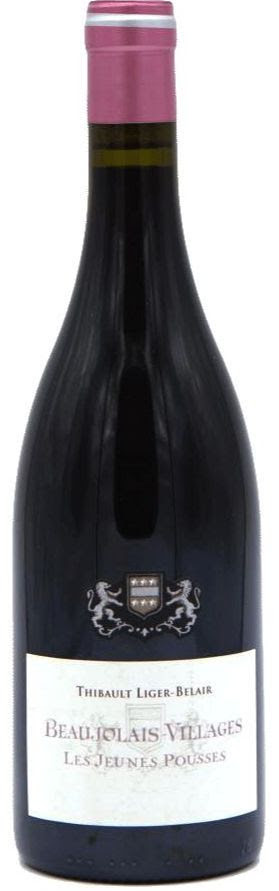 Cousin to Vicomte Liger-Belair of La Romanée fame, in 2001 Thibault Liger-Belair took over storied family property in Nuits-Saint-Georges. In 2008, Thibault decided to deploy his talent and knowledge in Beaujolais. Thibault Liger-Belair “Les Jeunes Pousses” 2017 (Regular $31) is Thibault’s basic cuvée, made with fruit from the granite soils of the northern part of the region. It begins powerfully fragrant with violets and dark cherries. Although easy to drink, as Beaujolais-Villages ought to be, there is a vein of iron-metallic energy at the wine’s core leading all the way to a finish of crunchy ripe tannins. This is a Beaujolais-Villages with the gravitas of the Côte de Nuits.
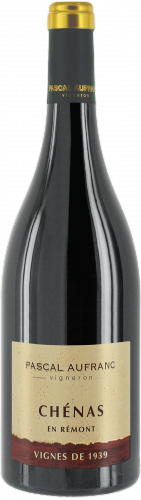 Chénas
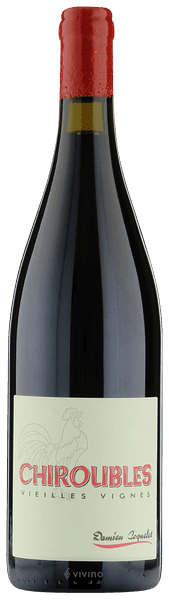 Chiroubles
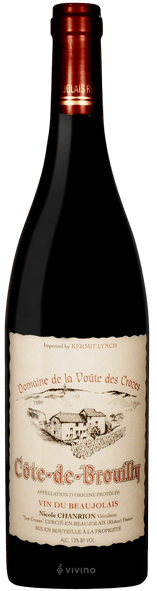 Côte de Brouilly
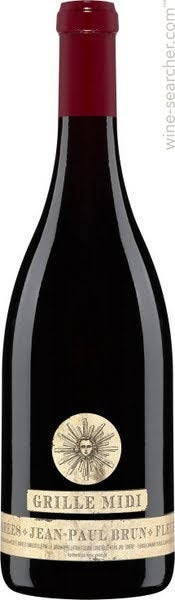 Fleurie
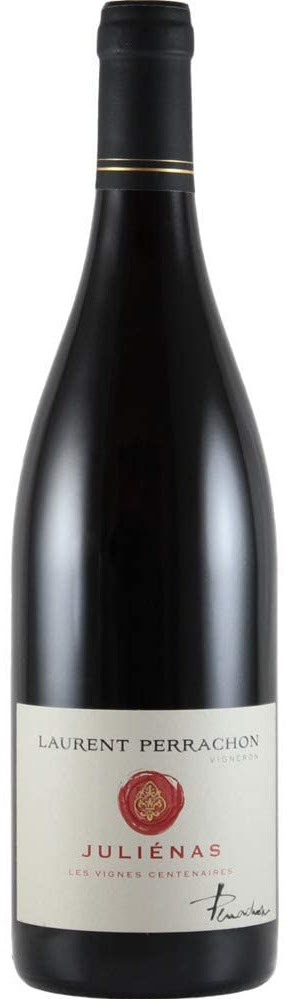 Juliénas
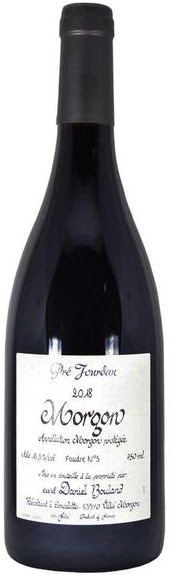 Morgon
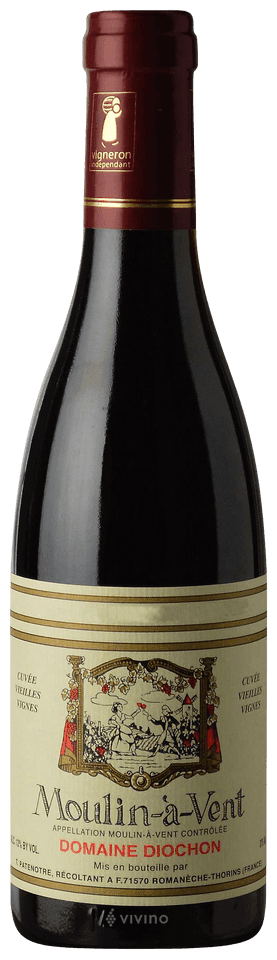 Moulin-à-Vent
 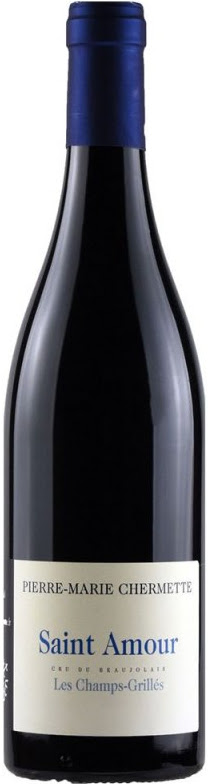 Saint-Amour
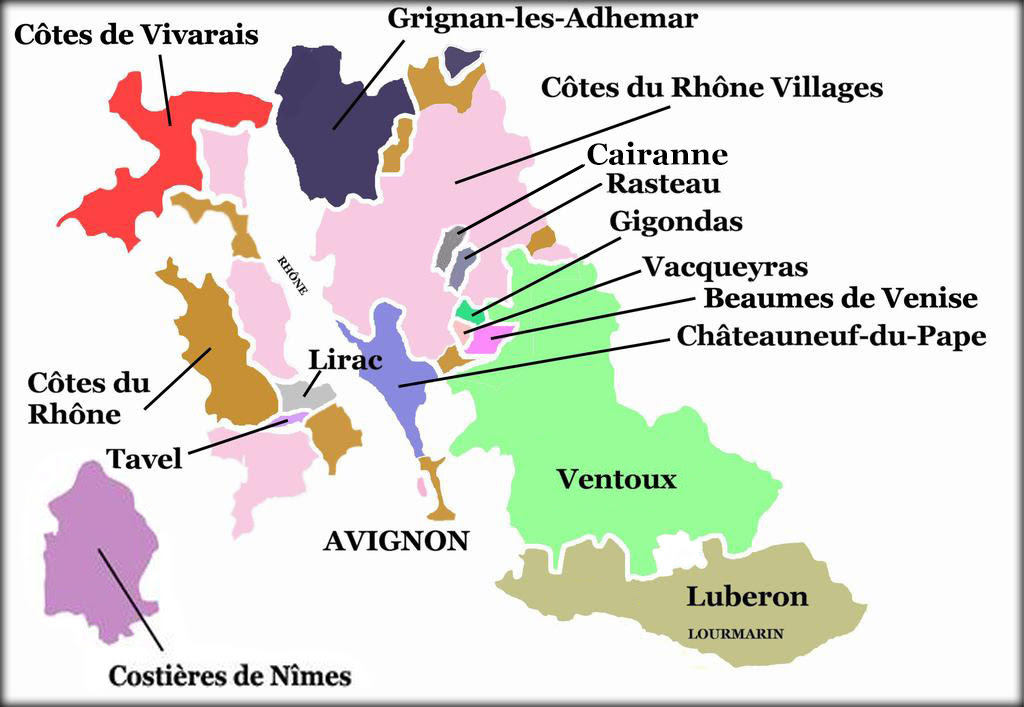 The Rhône River stretches from the Alps to the Mediterranean through an incredibly diverse expanse. At its southern end, between the cities of Vienne and Avignon, rolling hills meet plateaus of varying elevation under the toasty Mediterranean sun. Long, warm summers and mild winters allow the region’s dominant grape variety, Grenache, to yield good concentration via stony soils and low rainfall. This is the region of France’s most user-friendly wines.
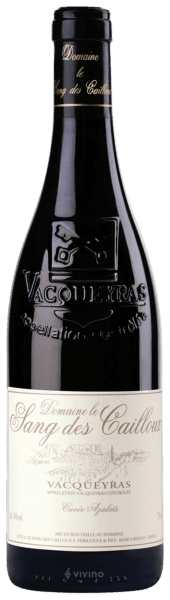 Vacqueyras
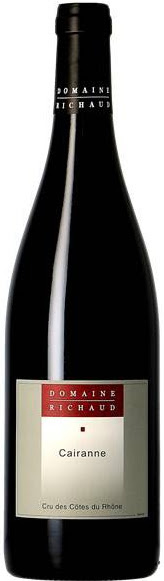 Cairanne
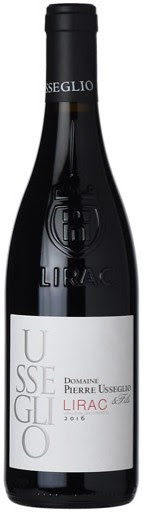 Lirac
Lirac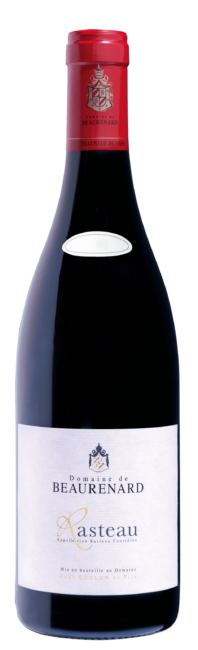 Rasteau
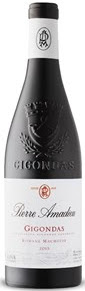 Gigondas
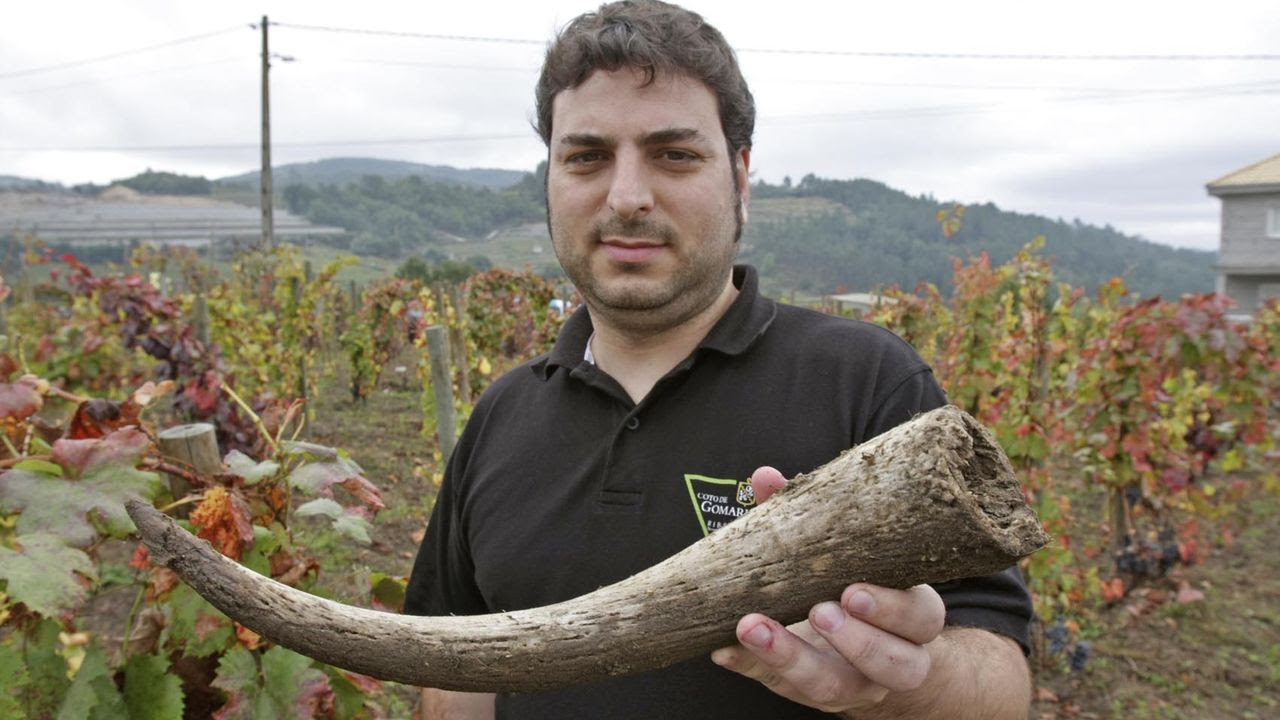 Coto de Gomariz was created in 1978 by the Carreiro family. They began the area’s resurgence by recovering a vineyard that Cistercian monks had established in the 10th century. Today, they own close to 70 acres of vineyards. Coto de Gomariz winemaker Xosé Lois Sebio is one of the most admired and exciting names in Ribeiro. He employs both organic and biodynamic viticulture practices in the vineyards and all wines are fermented with indigenous yeasts.
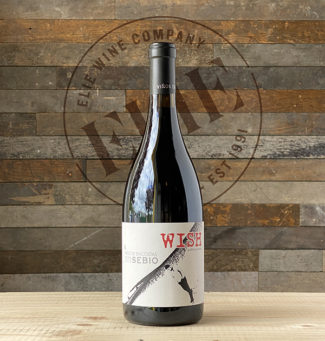 Made only during warm vintages, “Wish” is a tribute to the pioneering post-punk band The Cure, who accompanied Xosé Lois Sebio through his youth. It is also named after the aspiration to make a single wine with fruit from very old strains growing on a plot at the limit of Ribeiro on the steep, terraced Penelas slope oriented to the northwest. This plot is always last to be picked, yet in warm years it produces a wine of fresh, floral, and fruity intensity reminiscent of Côte Rôtie. A blend of 50% Ferrol, 35% Caiño Longo, 10% Sousón, and 5% Bastardo fermented with indigenous yeasts and aged for 14 months in French Oak barrels for a wine with gorgeous aromatics of lilac, high-toned fruit, and distinct minerality. Only 94 cases produced.
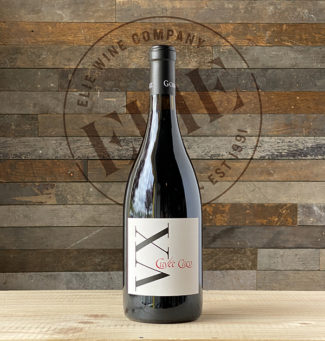 VX or “experimental wine” was the name written on the first barrels aged at Coto de Gomariz, and Caco is the nick-name of Ricardo Carreiro´s father. It is a blend of 50% Sousón, 30% Caiño Longo and Caiño da Terra, 15% Carabuñeira, and 5% Mencía from the “A Ferreira” estate vineyard re-planted with local varietals in 1994. Fermented with native yeasts and aged for 20 months in new French 500 liter oak barrels. Fragrant spiced dark berries and licorice on the nose precedes a sip that offers depth and focus with a hint of vanilla and framed by supple tannins. Only 208 cases produced.
 Abadía de Gomariz is a blend of 50% Sousón, 25% Brancellao, 20% Ferrol, and 5% Mencía from the village of Gomariz where soils are granitic with schist and clay. Though fermented in stainless steel, the wine is aged for one year in 500-liter used oak barrels, mostly of French origin, to tame some of the hairy tannins that Sousón can exhibit. A sip is juicy little forest berries with a long and winding cherry pit finish. On the nose, the berry fruit is sweeter with hints of licorice and cream. On the label is the coat of arms of the Abbey Gomariz — the oldest civil building for winemaking in the Iberian Peninsula. Only 1,600 cases produced.
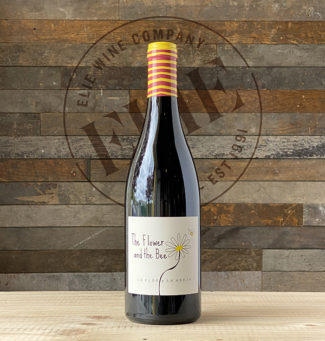 This miniscule production everyday red comes from younger Gomariz vineyards planted with the native variety Sousón in mostly granitic soils. Fermented with native yeasts and aged for 4 months in barrel, this wine is the entry level of Gomariz, yet expresses the same identity of the Avia Valley terroirs as its more ambitious siblings. It’s a versatile wine full of ripe dark berry aromas with a pinch of herbs and spice and a bright finish. The lively label represents both the origin of vine fertilization, as well as the estate’s respect for nature. Only 1,250 cases produced.
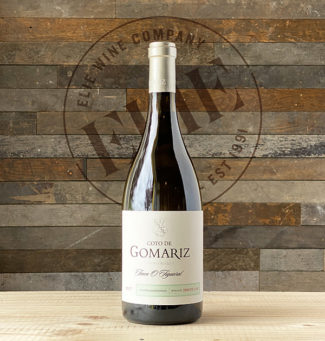 70% Treixadura, 10% Godello, 10% Lado, 5% Loureira, and 5% Albariño from the single estate vineyard “O Figueiral” in Gomariz grafted with local grape varieties in 1978. The terroir is mostly clay with a subsoil of schist. Free-run juice begins fermentation in stainless steel vats and finishes in new 500 liter French Oak barrels. It is then aged over fine-lees for 10 months with periodic battonage to build body while maintaining balance. Melon, peach, and tangerine aromas with floral overtones precede a stony and precise, lush yet lively wine. Only 275 cases produced.
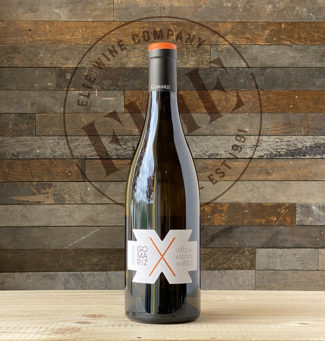 “X” is a blend of 95% Albariño and 5% Treixadura named after the schist soils (xisto in Gallego) where the grapes are grown. This single vineyard wine comes from fruit grown in the “As Penelas” plot. Free-run juice is fermented with native yeasts and then aged in stainless steel vats. Aromas of yellow fruit and honey with a touch of lemon pith precede a fleshy mid-palate, offering vibrant citrus and orchard fruit flavors braced by juicy acidity and a finish of nervy minerality. This is the kind of white wine that will please just about everyone. Only 400 cases produced.
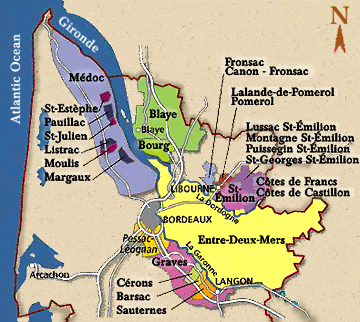 the soils of mainly clay and limestone that cover the “Right Bank” Bordeaux appellations of Pomerol and Saint Émilion are capable of producing wines that reveal the complete range of the Merlot variety and are the reference points for the rest of the world.
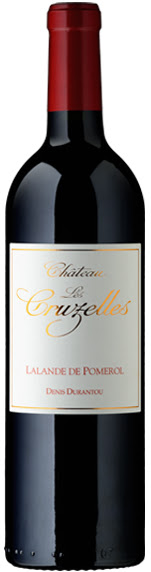 Lalande de Pomerol
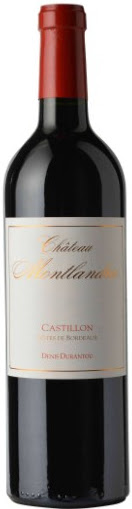 Castillon – Côtes de Bordeaux
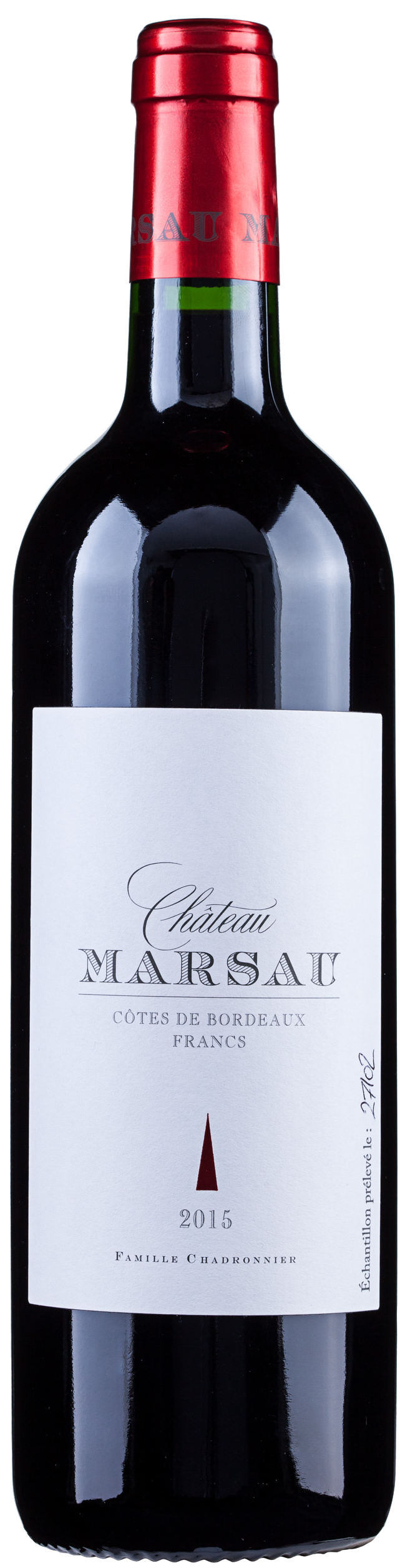 Francs – Côtes de Bordeaux
 Fronsac
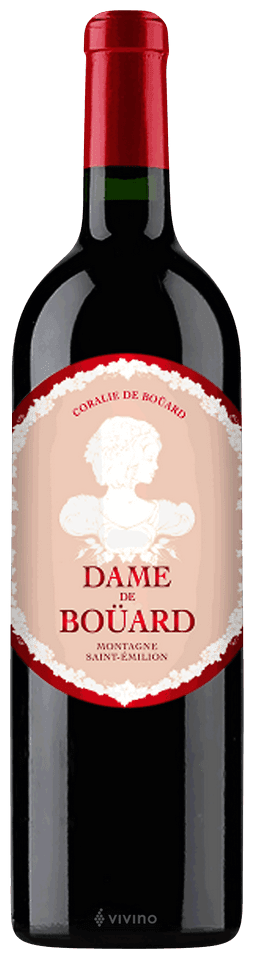 Montagne Saint-Émilion
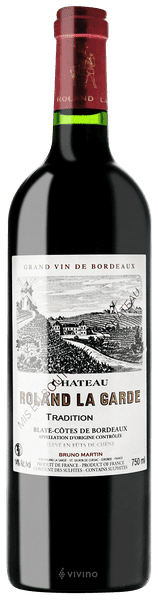 Blaye – Côtes de Bordeaux
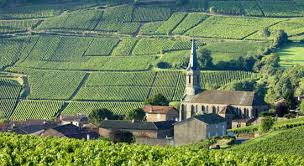 We have prime examples of everything from inexpensive regional wines to the inimitable Grand Crus of Montrachet and the Côte de Nuits.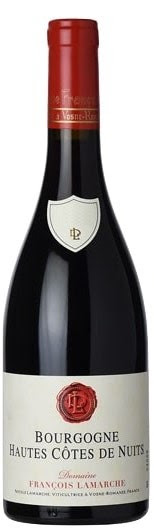
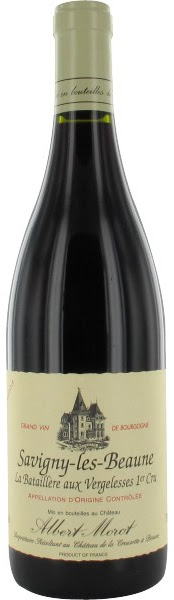 The Slopes of Côte d’Or
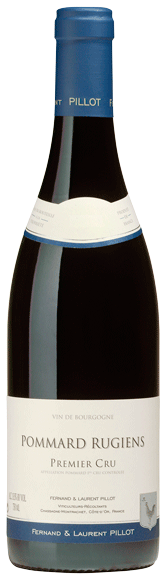 The Premiers Crus of Côte d’Or
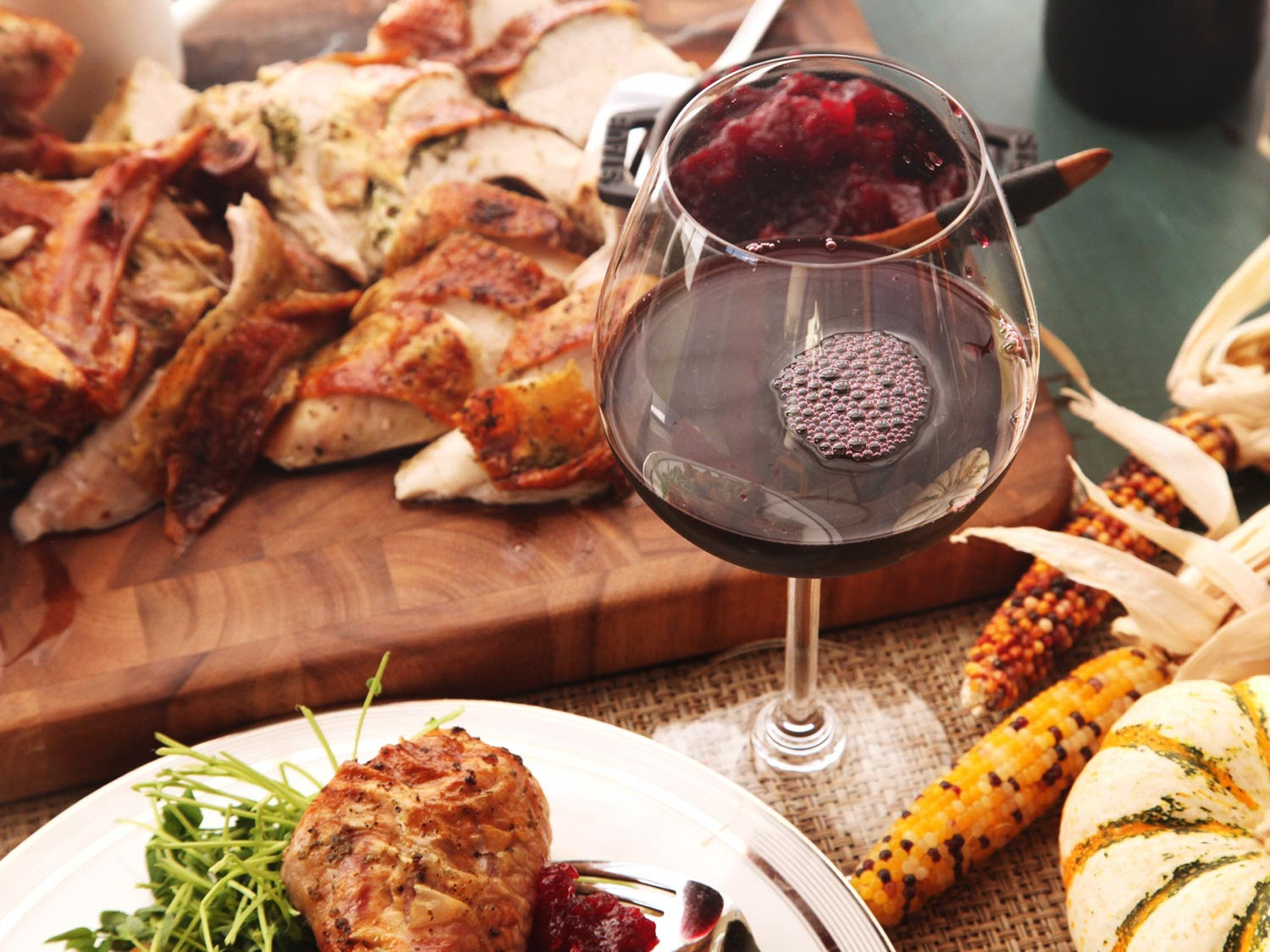 The typical Thanksgiving meal is far too diverse with textures, flavors and aromas to labor over perfect pairings. The most important characteristics of the wines on your table is that they are light, refreshing, energetic, with moderate alcohol, lots of fruit, a lively acidity, and versatile.
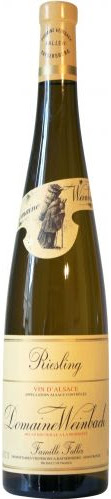 Domaine Weinbach Riesling (Alsace 2018) Regular Price: $33, WHITE
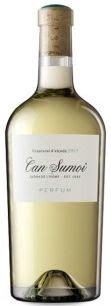 Can Sumoi “Perfum” (Penedès 2019) Regular Price: $25, WHITE
 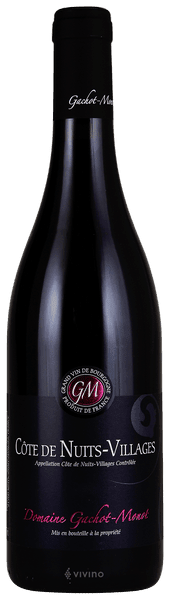 Domaine Gachot-Monot (Côte de Nuits-Villages 2018) Regular Price: $34, RED
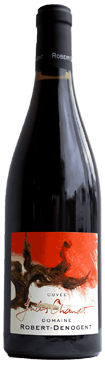 Domaine Robert-Denogent “Jules Chauvet” (Beaujolais-Villages 2017) Regular Price: $25, RED
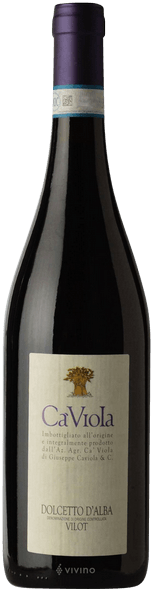 Cà Viola “Vilot” (Dolcette d’Alba 2017) Regular Price: $19, RED
 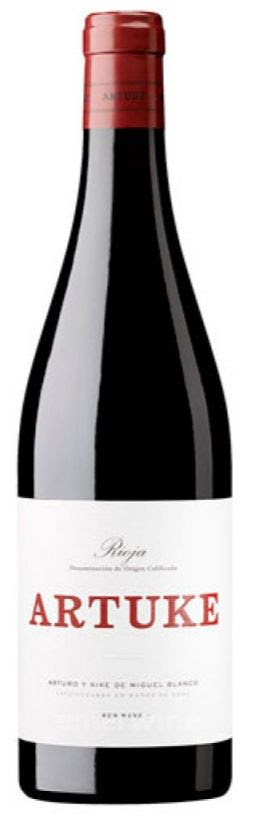 Artuke (Rioja 2019) Regular Price: $17, RED