
Vosne-Romanée is full of Mugnerets, famous ones known through generations for producing great wines. The current winemaker at Domaine Mongeard-Mugneret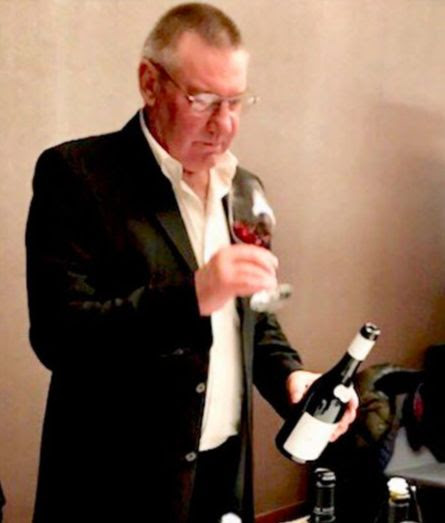 , Vincent Mongeard, is obviously not a Mugneret. But his grandmother was. And in 1945, when Vincent’s father, Jean Mongeard, decided to bottle his wines instead of selling off barrels to other estates, he combined the last names of his parents, who had worked the land before him, as the name of his winery.
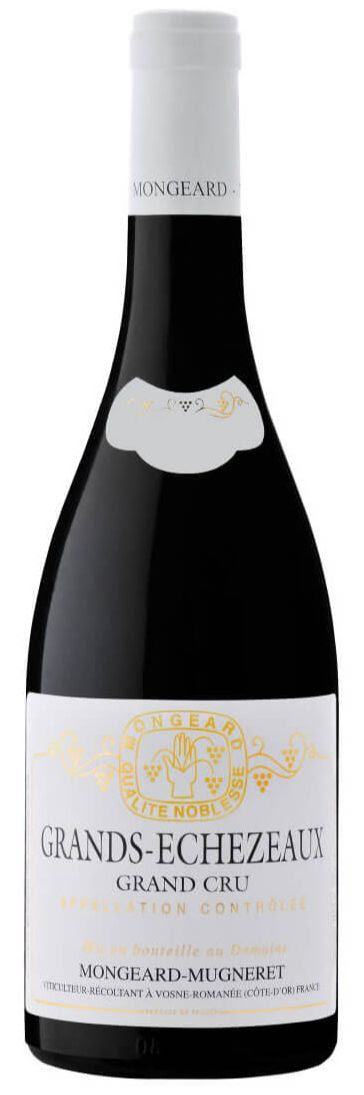
Today, Vincent Mongeard works about 74 acres spread over 35 appellations. While the estate is based in Vosne-Romanée, he produces wines from some of the most hallowed parcels in all of Burgundy, including Richebourg, Grands-Échezeaux, Échezeaux , Clos de Vougeot, and Vosne-Romanée Les Suchots.
 All parcels are worked sustainably (la lutte raisonée) with a focus on soil health. Fruit is harvested exclusively by hand and manually sorted in the winery. Fermentation begins naturally with indigenous yeasts.
Most wines are matured in a range of new and used oak barrels with meticulous attention to sourcing fine-grain oak from Nièvre and the Tronçais forest in Allier. The oak is cured at the domaine for 18-24 months and a local cooper assembles the barrels.
We are pleased to offer several vintages and appellations of the wines from Mongeard-Mugneret. These are all wines that have been kept under temperature control in our shop since their purchase on release.
All prices based on purchase of 6-pack (mix-and-match)
 “Les Dames Huguettes” (Bourgogne Hautes-Côtes de Nuits)
~$40 (2017)
~$33 (2014)
100% Pinot Noir from six acres of calcareous and deep soils on Argovian marls. The average age of vines is 35 years and maturation takes place in one year old barrels.
 ~$53 Fixin (2014)
100% Pinot Noir from three acres of stony soils on argillo-calcareous subsoils. The average age of vines is 40 years and maturation takes place in 5-10% new oak barrels.
 ~$62 “Vieille Vigne” (Fixin 2017)
100% Pinot Noir from 1.4 acres of stony soils on argillo-calcareous subsoils. The average age of vines is 65 years and maturation takes place in 5-10% new oak barrels.
 “Les Narbantons” (Savigny-Lès-Beaune Premier Cru)
~$67 (2017)
~$62 (2014)
~$89 (2009)
~$89 (1996)
100% Pinot Noir from 3.4 acres of limestone soil with sandy marls. The average age of vines is 53 years and maturation takes place in 30-40% new oak barrels.
 ~$80 Vosne-Romanée (2017)
100% Pinot Noir from five acres of limestone resting on stony and marly subsoils. The average age of vines is 45 years and maturation takes place in 30-40% new oak barrels.
 ~$89 “Les Orveaux” (Vosne-Romanée Premier Cru 2014)
100% Pinot Noir from 2.7 acres consisting of a shallow layer of fertile alluvial soil on limestone. The average age of vines is 25 to 52 years and maturation takes place in 30-40% new oak barrels.
 ~$62 “Les Plateaux” (Nuits-St-Georges 2014)
100% Pinot Noir from 1.75 acres of argillo-calcareous soil from the middle Jurassic. The average age of vines is 45 years and maturation takes place in 30-40% new oak barrels.
 “Les Boudots” (Nuits-St-Georges Premier Cru)
$108 (2017)
$144 (2003)
$144 (1996)
100% Pinot Noir from one acre of fine-textured clay loams on Bajocian limestone. The average age of vines is 30 years and maturation takes place in 30-40% new oak barrels.
 $99 Gevrey-Chambertin (1996)
100% Pinot Noir from one acre of pebbly-alluvail deposits on argillo-calcareous soils. The average age of vines is 40 years and maturation takes place in 30-40% new oak barrels.
 $108 “Les Cras” (Vougeot Premier Cru 2017)
100% Pinot Noir from 0.8 acres of hard limestone with clay. The average age of vines is 35 years and maturation takes place in 30-40% new oak barrels.
 Clos de Vougeot (Grand Cru)
$243 (2017)
$288 (2009)
$288 (2003)
$351 (1996)
100% Pinot Noir from 1.5 acres of hard limestone with low clay levels. The average age of vines is 45 to 50 years and maturation takes place in 80-100% new oak barrels.
 $198 Échezeaux (Grand Cru 2017)
100% Pinot Noir from 4.5 acres of hard limestone with clay. The average age of vines is 25 to 60 years and maturation takes place in 60-80% new oak barrels.
 $279 “La Grande Complication” (Échezeaux Grand Cru 2017)
100% Pinot Noir from selected vines in a 0.8 acre parcel of hard limestone with a heavy clay content that was planted in 1945. Maturation takes place in 60-80% new oak barrels.
 Grands-Échezeaux (Grand Cru)
$171 (2014)
$315 (2003)
100% Pinot Noir from 3.5 acres of rich clay on Bajocian limestone. The average age of vines is 40 to 68 years and maturation takes place in 100% new oak barrels.
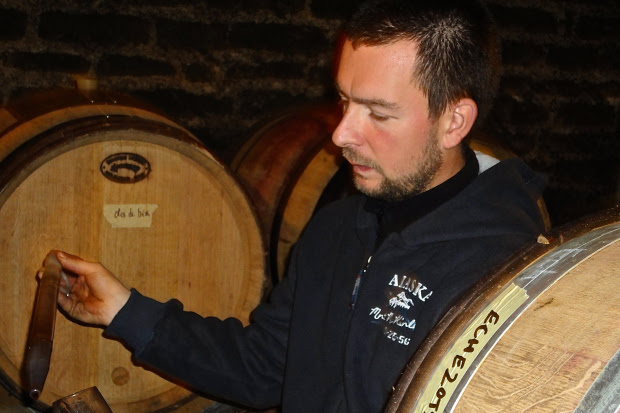 Pierre Bart is the sixth generation at Domaine Bart. Since 2009 he’s been running the 54 acre domaine along with his uncle, Martin. His grandmother comes from the same family as Domaine Bruno Clair, explaining why there are holdings in the Grand Crus of Bonnes-Mares and Chambertin-Clos de Bèze, as well as Santenay. Indeed, a good portion of the estate’s holdings come from the split of the renowned Domaine Claire-Daü between Domaine Bart and Domaine Bruno Clair (even another portion was sold off to Louis Jadot). Prior to the split, Domaine Claire-Daü was one of the most heralded and respected producers in the region, nearly single-handedly bringing the appellation of Marsannay its current status.
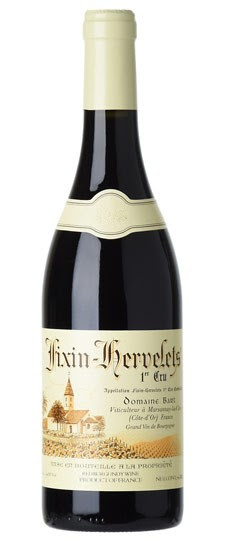 Pierre and Martin’s wines are balanced and classic Burgundy, understated with grace and elegance. It begins in the vineyard with sustainable and organic farming practices on every parcel. Each parcel is worked by hand according to its specific microclimate. The use of new oak is judicious and depends on the parcel. According to Pierre, “We make very fruity wines in classic style. The main words at our domaine are fruit and balance, balance between fruit, acidity and tannins. So we don’t produce big extracted wines. We try to respect the fruit.”
 $36 “Les Echezots” (Marsannay)