Posted on Leave a comment

Saturday Sips: Domaine Michel Gay’s Côte-de-Beaune Reds & Beaune’s Lone Red Grand Cru, Corton (6-Bottle Wine-Pack $390, All Included)

We are pleased to announce the return of Saturday Sips! We will be applying in-store tasting protocols to ensure everyone stays safe and will limit the number of people tasting at any given time and adhere to proper social-distancing using assigned tasting spots marked on the floor. Our tasting glasses will be one time use for the day but feel free to bring your own glass if you wish.

Domaine Michel Gay’s Côte-de-Beaune reds and Beaune’s only red Grand Cru, Corton. 6-Bottle Wine-Pack $390, All Included. The all-red 6-bottle selection includes one bottle of each of Corton-Renardes (Grand Cru), Savigny-lès-Beaune Vergelesses (Premier Cru), Aloxe-Corton, and three bottles of Bourgogne “Côte d’Or Rouge.

Domaine Michel Gay et Fils

Great wines may be made in the vineyard, but the finesse is often created on the sorting table. When Sébastien Gay took over Domaine Michel Gay after his father’s 2001 retirement, among the improvements he initiated was a shift to organic farming, doing multiple “green harvests,” limiting yields by hand-pruning the vines and adding a pair of sorting tables where dozens of workers determine the quality levels of individual grapes. According to Sébastien, “Our wines show more balance now because modern techniques allow us to better control the different steps in the winemaking process.”
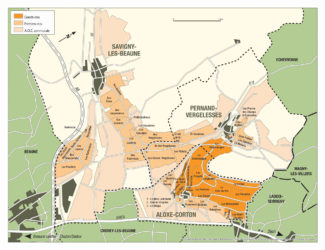
At just over 37 acres, the estate is relatively small, but it incorporates vineyard plots in communes with storied names and spreads across a kaleidoscope of terroirs, including Chorey‐lès‐Beaune, Aloxe‐Corton, Savigny‐lès‐Beaune Premier Crus Serpentières and Vergelesses, three premier crus in Beaune, Toussaints, Aux Coucherias, and Les Grèves, as well as a small parcel on the Corton hill in the Renardes vineyard. Vines are between forty and sixty years old, and receive the same individualized attention as the grapes do at harvest. A fifth-generation winemaker, Sébastien who recently was joined by his son Laurent, has embraced modernity while revering tradition and the result is a portfolio of wines that see improvement with nearly every vintage.

Corton – Grand Cru

Age is a treasured commodity in wine, but the limestone of Corton, lying between Ladoix and Meursault is younger than anywhere else along the Côte. The largest Grand Cru in Burgundy, Corton forms a natural amphitheater on the northern tip of the Côte de Beaune. Other than the dense woodlands that caps the summit, the renowned hill of Corton is almost entirely planted to grapes, although the Grand Cru designation covers only the southern half. On the western slope, Chardonnay benefits from surface layers of limestone, while the eastern side—being exposed to morning sunlight and richer in marlstone—is perfectly suited to Pinot Noir.
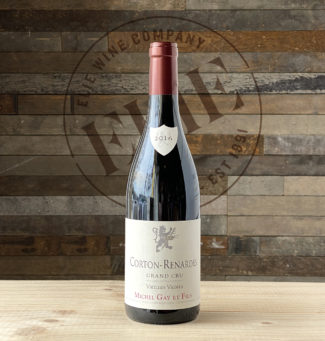
Corton-Renardes Grand Cru “Vieilles Vignes” 2016, $145
Les Renardes is a well-known lieu-dit of the Corton Grand Cru appellation; it sits on an eastern slope of the Montagne de Corton and produces exceptional Pinot Noir. The soils in this corner of Aloxe-Corton are rich in iron oolite, giving the wines a characteristically feral richness, which is both encouraged and embraced by the winemakers. This supple 2016 shows juicy red plum and anise with delicate overtones of smoke and earth resplendent with the leathery layers for which the vineyard is famous.

Savigny-lès-Beaune

The territory between Corton and Beaune is heavy with the remains of French aristocracy; here, land and vineyard owners have included dukes, Cistercians and even Popes. Savigny-lès-Beaune wines are said to reflect that heritage, with a special emphasis on elegance. The whites may appear deep gold with emerald highlights, while the reds—representing more than 85% of the total production—are in equal measure powerful and robust. In terms of terroir, the lower slopes are rich with alluvia from the Rhoin, and the highest plots, at elevations even greater than those of the hill of Corton, are rooted in gravelly soils with a scattering of ironstone.
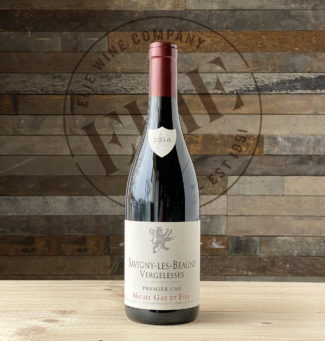
Savigny-lès-Beaune Premier Cru – Vergelesses 2016, $59
Of Savigny-lès-Beaune’s premier cru vineyards, Les Vergelesses is known for red wines of depth and distinction. It sits on the south-facing side of River Le Rhoin at a point where the valley opens out onto the plains between Beaune and Corton. The 2016 vintage produced low yields of exceptional quality, showing focused wild strawberry and peppery spice wrapped in supple tannins.


Aloxe-Corton

The appellation of Aloxe-Corton stands guard near vinous gates of the Grand Crus of Corton and Corton-Charlemagne, enjoying (if not the prestige) many similar growing conditions, producing almost exclusively red wines known for both a depth of color and an intensity of flavor. With vines facing east, the terroir is soil driven, with flint and limestone rich in potassium and phosphoric acid lending supple firmness to the wines, especially those from the appellation’s southern end.
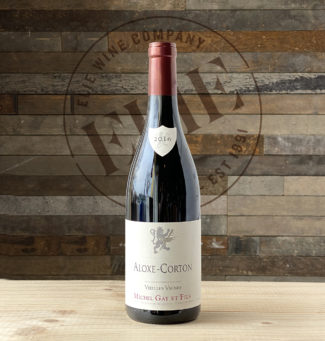
Aloxe-Corton “Vieilles Vignes” 2016 $59
Drawing from four unique vineyards within Aloxe-Corton—Les Crapousuets, Les Caillettes, Boulmeau and Les Boutières—Michel Gay’s “Vieilles Vignes” refers to vines with an average age of more than 60 years. The complex characteristics of old vine wine are present with deep garnet hues and a toasty reduction of cassis, licorice, currants and silken tannins.


Bourgogne (Regional)

Authorized in 1937, the designation AOC “Bourgogne” encompasses all 385 villages in the Burgundy region. To use the appellation on a label, the grapes must come from one, or all, of the three departments of Yonne, Côte-d’Or and Saône-et-Loire. Although often considered an ‘entry-level’ Burgundy, few of the vineyards are situated near illustrious vineyards and quality may reflect that. It’s fair to say that whereas some wines bearing the “Bourgogne” deignation may be acidic or harsh, some of the greatest values may also be found here.
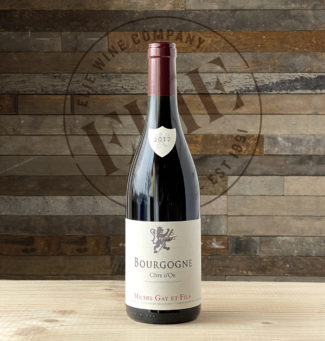
Bourgogne Côte d’Or Rouge 2017 $35
The AOC “Bourgogne Côte d’Or” encompasses 40 villages between Dijon and Maranges; as a restriction within the general Bourgogne AOC, it is fairly new, intended to highlight the unique potential of the Côte d’Or to produce wines superior to either Yonne or Saône-et-Loire. Michel Gay’s 2017 displays a solid, fleshy Burgundian profile, with ripe cherry, cinnamon, forest floor and a soft tannic backbone.
Posted on Leave a comment

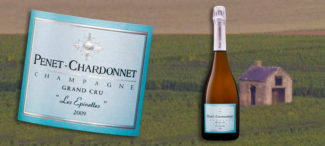
Champagne Penet-Chardonnet, Lieu-Dit “Les Epinettes”, Verzy – Grand Cru, Millesimé 2009, Extra Brut Price for The Champagne Society members only: $99 (Regular $150)

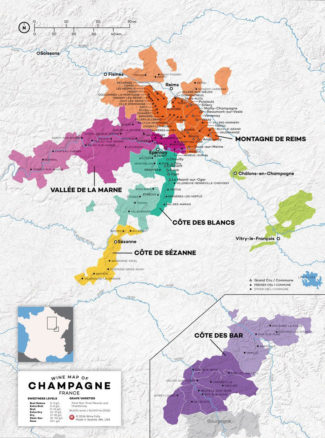
At its essence, ‘cru’ refers to real estate; its evolution as an often-appearing designation onFrench wine labels is meant to be a nod to the ‘sense of place’ that is fundamental to the concept of ‘terroir.’ But in France, not all crus are created equally. In Burgundy, for example, a cru signifies a vineyard; in Bordeaux, it refers to a chateau or an estate. In Champagne, a cru encompasses an entire village and is based on the classification system adopted in 1920. The Échelle des Crus ranked the more than 300 wine-producing villages in Champagne according to a quality potential based on overall growing conditions and was made manifest primarily by the prices each commune could charge for a kilogram of grapes. In the original classification, 12 villages were rated as Grand Crus (expanded to 17 in 1985) and were entitled to receive 100% of the pricing set by the Champagne appellation for their harvest; 44 were Premier Crus and commanded 90 to 99% of the pricing, and the remaining named villages could charge 80-89%, with none rated lower than that. A bottle may only use the term ‘Grand Cru’ if 100% of the grapes used are from Grand Cru villages, while a bottle labelled ‘Premier Cru’ must be 100% Premier Cru or a mix of both Grand and Premier.
Since 2000, due to potential conflicts with EU law, the Échelle has been used merely as a guide rather than a mandate, but it is still a reasonable assessment of the historic qualities of villages and vineyards and still denotes some of the best areas of Champagne.


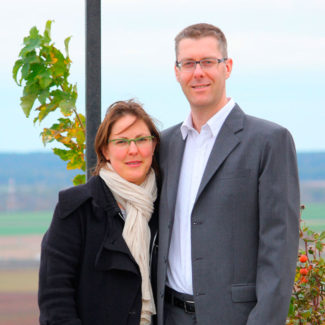
Near the center of the picturesque Grand Cru village of Verzy, overlooking the vineyards of Montagne de Reims, sits Maison Champagne Penet-Chardonnet. Although the estate was only founded in 1967, the families Penet and Chardonnet have viticultural roots in Champagne dating back to the 17th century. The current owner is Alexandre Penet; he took over the Maison in 2007 after having pursued an MBA from the University of Chicago Business School before hearing the siren song of Champagne calling him back to the family estate. There, along with his wife Martine, Penet has created a range of distinctive, top quality wines produced to exacting standards. A firm believer that Champagne should not be viewed strictly as an aperitif, but as an integral part of an entire meal, Penet introduced to Champagne Penet-Chardonnet low dosages and a style that foregoes a secondary malolactic fermentation to allow the wine to express the minerality that characterizes the region. The excess acidity that malolactic would otherwise temper is dealt with by aging. Penet says, “Long ageing on the lees matures the wine and gives it complexity and balance. These Champagnes spend a long time in the old cellar under the house; three years is always the minimum, but more often it is 5-7 years and sometimes even 10-13 years. The longer the ageing on the lees, the more complex the aromas, and that is why we don’t need to add a lot of sugar. The acidity feels milder with the ageing.”


Highlighting a specific cru is also somewhat rare in Champagne, where cuvées are generally blends of plots from several villages. With “Les Epinettes”, Penet draws exclusively from a single one of the family’s historical lieu-dits in Grand Cru Verzy. Oriented toward the northwest on a gentle slope of chalky limestone, the vineyard is planted exclusively to Pinot Noir with vines over forty years old. Made from 100% Pinot Noir, full-bodied, pure and firm, the wine expresses generous aromas of peach, toasted almond and baked apple over layers of citrus blossom and marzipan and finishes with clean, lively and balanced acidity. With around 3,000 bottles produced, each individually numbered and containing both the harvest and disgorgement date May 16, 2018 and a dosage of 5.6 grams per liter of sugar, Penet considers “Les Epinettes” to be an ultimate achievement of the Penet family’s heritage.
Posted on Leave a comment

Languedoc-Roussillon’s First Cru: A Tale of Two Fitou(s) (6-Bottle Wine-Pack $199, or 12-Bottle $369, All Included)

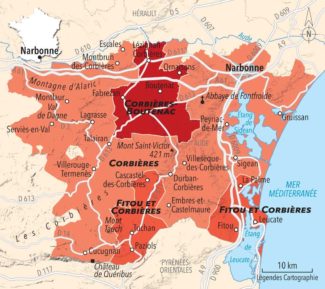
Nestling around a village called Fitou on the Mediterranean coast, Fitou is the oldest recognized appellation in the Languedoc-Roussillon and produces signature wines from a primary blend of Carignan and Grenache with each is equal to or greater than 20%. Complimentary grapes like Mourvèdre and Syrah may account for no less than 10% and up to 20% of the final wine, and the deciding factor is often the elevation of the vineyard. Like the nearby appellation of Corbières, the wines of Fitou are rich and rustic and famous for their herbal undertones and—especially in vineyards near the coast—a briny quality reminiscent of the sea. Recent innovations have raised the quality bar in the appellation, and today producers are making lighter wines of elegance and distinction.

Geographically and stylistically, Fitou is subdivided into two distinct zones: Fitou Montagneux, which snakes inland toward the schist-rich mountains and hosts vineyards at elevations between 300 and 1,300 feet and Fitou Maritime, closer to the sea and spreading across the flatter, limestone plateaus of the Mediterranean coast.

Both zones produce unique wines that represent their distinct terroirs and the winemaking philosophies of the producers. We are pleased to offer a selection of exceptional Fitou wines from top estates in each of these zones. 6-Bottle pack for $199 or 12-Bottle pack for $369, All Included

Fitou Montagneux

Domaine Bertrand-Bergé – (Jérôme & Sabine Bertrand)

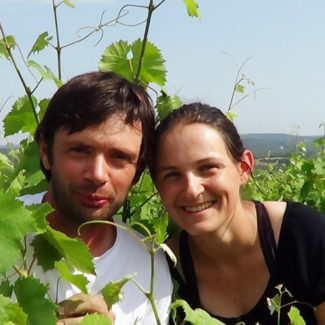
Nowhere in Fitou is the depth of family history more celebrated than that at the estate of Domaine Bertrand-Bergé, where six generations have maintained the property for well over a century. Located between Languedoc and Roussillon, Domaine Bertrand-Bergé is established in Paziols, a charming small town in the Aude region. Current winemaker is Jérôme Bertrand; his great-grandfather Jean Sirven first began scoring points for the domaine’s wines at the 1900 World’s Fair in Paris. The modern era for Bertrand-Bergé started in 1993, when Jérôme and his wife Sabine took the winemaking excellence back into their own hands after a few decades of supplying grapes to the local co-operative. The wide range of soils and microclimates found in the region contribute much to the stellar quality of the wines, but of course it is the tireless effort of Jérôme Bertrand that translates the unique charm of this location into world-class wines. Jancis Robinson, the English wine writer, cites Bertrand-Bergé as an example of the “purity” possible in wines from Fitou.

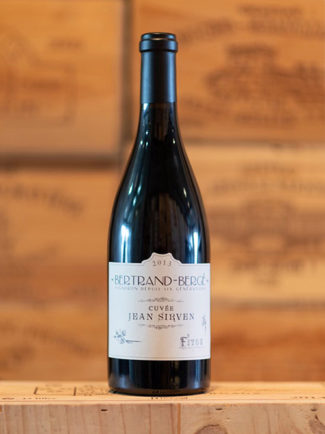
“Cuvée Jean Sirven”, Fitou 2013 ($55)290 cases produced – (Carignan 45%, Syrah 45%, Grenache 10%): A sensory-surrounding old-vine masterpiece with bright blackberry jam and herbal garrigue; black cherries, figs, licorice and velvety tannins with a persistent finish. Broad on the palate and extremely aromatic, “Cuvée Jean Sirven” is capable of developing further over the next decade.


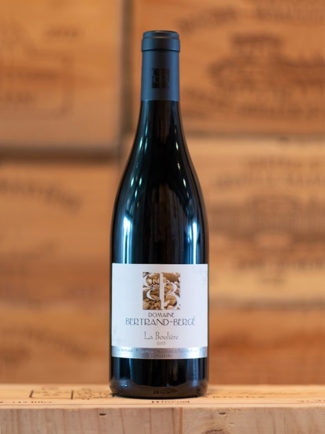
“La Boulière”, Fitou 2015 ($32.00)333 cases produced – (Mourvèdre 50%, Carignan 25%, Grenache 25%) Elegant old-vine cuvée showing dried cherries, figs, light tobacco; full-bodied, ultra-polished, layered and balanced package; much livelier than many Mourvèdre-based wines from nearby Bandol.
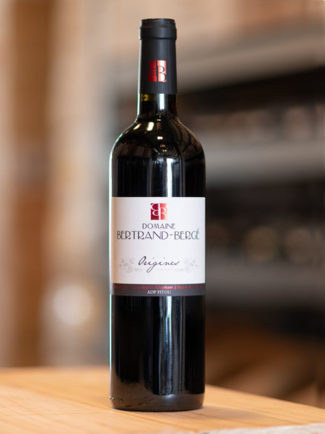


“Origines”, Fitou 2016 ($21.00)4,166 cases produced – (Carignan 60%, Grenache 40%) Showcasing the region’s signature blend, the late-harvesting Carignan offers a slight, characteristic bitterness with cranberry, red-cherry and raspberry acidity that vibrates to the finish.


Fitou Maritime

Mas de Caprices – (Mireille & Pierre Mann)

Mireille and Pierre Mann were born to tradition. As the children of Alsatian winemakers, they operated a successful restaurant in Colmar, Alsace, but in 2003, gave it up to return to their vinicultural roots. They established Mas de Caprices near the seaside resort of Leucate in the Corbières Maritimes. There, the combined forces of water and wind wreak both havoc and harmony throughout the vineyards, and the flavors of brine and garrigue—the coastal herbs that include both sage and lavender—show up in the wines.

Certified organic in 2009, their guiding philosophy is meticulous work in the vineyard while respecting nature with the goal of producing wines that are both expressions of their unique environment and utterly delectable.

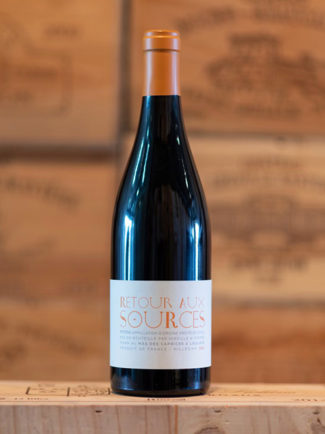
“Retour aux Sources”, Fitou 2016 ($30)583 cases produced – (Carignan 45%, Lladoner Pelut 30%, Mourvèdre 25%): Carignan we know; Lladoner Pelut may be less familiar, even to wine fanatics. Believed to be a mutation of Grenache Noir, ‘pelut’ is French for ‘furry’ and makes a reference to the vine’s downy leaves, likely evolved to retain moisture and regulate transpiration. Roughly 70% of the wine is matured in concrete vats and the rest in old barrels, offering jammy fruit, excellent structure, and heady aromas of ripe blackberries and herbs, making a wine ideal for hearty vegetable dishes like ratatouille and olive tapenade.
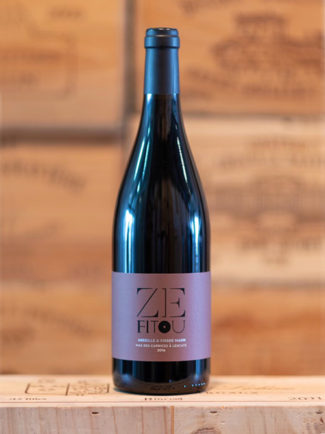


“Ze Fitou”, Fitou 2016 ($24.00) 925 cases produced – (Mourvèdre 48%, Carignan 40%, Grenache 12%) Fruit, both ripe and fresh, provides the foundation for this crowd-pleasing red. Maturation takes place for nine months, mainly in concrete vats, with around 20% aging in old barrels. Exceptionally floral on the nose, a sip seduces the palate with velvety tannins and silky berry salad. Pop a bottle for pizza, shawarma, or game night with friends.


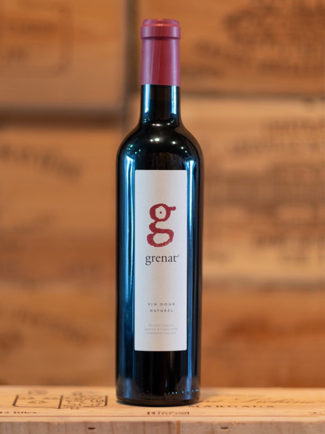
“g Grenat”, Rivesaltes Grenat (Vin Doux Naturel) 2015 ($26), 375 ml – 258 cases produced – (Grenache Noir 100%) A naturally sweet wine produced by harvesting grapes at maximum ripeness, then macerating them without fermentation by the addition of neutral spirits. The wine is fresh and full of jellied fruit with a hint of cocoa, with just enough tannin and acidity to avoid being syrupy. It makes a fine dessert on its own or paired with dried fruit, salted nuts, chocolate and fresh cheeses.

Posted on Leave a comment

Languedoc’s Exceptional Cru: Terrasses du Larzac with Five Masterly Producers (6-Bottle Wine-Pack $236, All Included)

Sun-baked and sensual, threaded with rivers and capped by the mountains of Corbières, Languedoc-Roussillon relies on over a hundred grape varieties to produce more than a third of all French wine. Historically, this wine was copious, inexpensive and rather forgettable—everyday wine for the tables of ordinary people. Since the mid-twentieth century, however, with the advent of irrigation in the foothills and coastal plains of Southern France coupled with improved techniques, the region now boasts fewer vines that produce wines of increasing quality. A jigsaw of soils and a broad swath of microclimates creates ideal terroir for the warm-weather, full-bodied varietals often associated with the Rhône, while sharp diurnal shifts allow for the preservation of aroma and natural acidity, resulting in wines of extraordinary balance. A further plus is that Languedoc-Roussillon’s hot, dry climate discourages the growth of mildew and fungi, making synthetic pesticides and herbicides less necessary. As such, it has become a proving ground for organic and biodynamic producers.

Among the independent subdivisions of Languedoc-Roussillon, one rising star is rapidly becoming a supernova. Having been formed in 2005 and not officially recognized until 2014, Terrasses du Larzac contains some of the highest elevations in the Languedoc—vineyard plots snake along the Cévennes range and produce wines that are notably distinct from its nearest neighbors, including those from the oldest appellation in France, Roquefort. As in any appellation, the triad of requirements (location, location, location) takes advantage of Larzac’s verticality, horizontal layers of limestone and terraced shingles and unique position between the mountains and the sea, which allow the fruit to ripen slowly and evenly.

We are pleased to offer a selection of exceptional wines from Terrasses du Larzac for an all-inclusive price of $236. It’s an ideal sampler of the complexity and depth that the appellation has to offer. Included in Terrasses du Larzac 6-Bottle Package are one each of the following wines:


Domaine de Montcalmès
(2015) $43

Led by the dynamic young winemaker Frédéric Pourtalié who cut his winemaking teeth at Laurent Vaillé’s Grange des Pères and while serving under Syrah master Alain Graillot in Crozes-Hermitage, the vines of family-owned Domaine de Montcalmès are spread across sixty diverse acres from the commune of Puéchabon to nearby villages of Aniane and Saint Saturnin. Prior to Pourtalié and his sister Muriel taking the helm at Montcalmès, the domain sold grapes to the local cooperative. Under his direction, the estate has moved to intensive, hands-on viniculture in which the grapes are harvested with very low yields. Certified organic in 2015, the wines of Domaine de Montcalmès reflect the remarkable diversity of the subsoils, ranging from clay and limestone to puddingstones like those of Châteauneuf-du-Pape. The climate, with cool nights and hot, sunny days, pampers the vines and produces a blend of Syrah, Grenache and Mourvèdre that remains bright with acidity and lush with spicy red fruits.


Domaine Saint Sylvestre
(2014) $31

Sophie and Vincent Guizard have roots in Terrasses du Larzac dating back generations; their pedigree includes both viticulture and business as Vincent learned to grow grapes from his grandfather and Sophie has a degree in finance. Having launched Domaine Saint Sylvester in 2010 from a minuscule trio of lots totaling less than twenty acres, the wines quickly showcased both talent and passion. Unlike many of proximate vineyards, which have been producing wine since the Roman era, Vincent cleared his own forested land just north of the village of Aniane and planted beneath the watchful eye of a 12th century church. He vinifies using native yeasts and produces complex and aromatic wines in a blend typical of the appellation, 70% Syrah, 20% Grenache, 10% Mourvèdre.


Mas Jullien “Lous Rougeos”
(2017) $47

Among the early pioneers of the modern ‘Larzac style’ is Olivier Jullien: His forty terraced acres, with two distinct soil types—calcaire and argilles—was established in 1985, and his domain, Mas Jullien, is a paradigm of the region. Having witnessed first-hand Languedoc’s tradition of over-cropping to produce bulk wine, he recognized that the economic plight of local independent farmers may have failed to take advantage of the appellations promise. With a degree in enology to shore up his conviction that the area had the potential to produce world-class wine, he showed his iconoclastic hand early by pulling out vineyards and re-planting trees in an effort to restore balance to the local ecosystem. His wines are delightful examples of this balance, imbued with the distinct characteristics permitted by elevation and proximity to the sea. The former lends jazzy bravura to the fruit—cherries, raspberries and red currants—while the latter offers the peculiar herbal-ness that the French call ‘garrigue’.


Mas Cal Demoura “Terre de Jonquières” (2017) $32
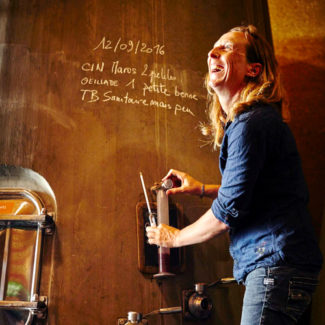
In Occitan, the native language of nearby Catalunya and Mediterranean France, ‘Cal Demoura’ means ‘we must not leave’—a reference to the number of winemakers in Languedoc who gave up viticulture in the 1970’s and ‘80s. Inspired by the renaissance in quality of those who refused to leave, Vincent Goumard—formerly a strategic consultant in Paris—purchased Mas Cal Demoura in 2000 and embarked on a modest, but explosive winemaking expedition near the village of Jonquières, producing around 4,000 cases annually. “Terre de Jonquières”, a flagship wine composed of 30% Mourvèdre, 25% Syrah, 20% Grenache, 15% Cinsault and 10% Carignan displays saturated black fruits and licorice with integrated tannins and the herbal notes that are representative of the AOC.

Mas Cal Demoura “Les Combariolles” (2017) $45
From the same producers Isabelle and Vincent Goumard, “Les Combariolles” originates from a single parcel located halfway between Jonquiéres and Montpeyroux and is named for the terroir: Combariolles is composed primarily of limestone, resulting in calcium-based soil with ideal water-retention properties for Cal Demoura’s hot-climate vines. The blend (equal parts Syrah and Mourvèdre, with Carignan at 15% and Grenache at 5%) spends 18 months in élevage. This is Cal Demoura’s flagship product, as refined and exotic a wine as the region can offer, with elegant notes of smoky black currant, pomegranate and plum wrapped in silken tannins with remarkable persistence on the palate.


Le Clos du Serres “Les Maros”
(2016) $24

In 2006, Béatrice, an architect, and Sébastien Fillon, currently the president of Syndicate AOC Terrasses du Larzac, pursued a lifelong dream: They abandoned the fast-paced lifestyle of urban France to purchase the forty-acre domain of Le Clos du Serres. “The South,” they maintain, “is the only region where there is still land to clear.” They discovered a wonderland of gorges and forests along with a world where community and winemaking are partners. To them, the move meant “being in harmony with nature, sculpting the countryside, caring for and loving the land on which we live.” Intended to express the fresh climate and geological puzzle of the village of Saint Saint-Julien-du-Serre, with 60% Grenache and a balance of equal parts Cinsault and Carignan, this wine is a sultry blend of toasted spice and luscious red fruit with aromatics of violets and clean graphite.

Posted on Leave a comment

The Case for Bordeaux Top Classified Châteaux’ Third Wines (9-Bottle Wine-Pack $275, All Included)

The great estates of Bordeaux first began to release second label wines in the 17th century, and although they have traditionally varied in price-to-value ratio, it is a logical way for these highly-prized properties to be flexible in their output and to promote their Grand Vin while offering a representational alternative at a lower cost. For consumers, B-List wines from top châteaux often offer a couple of practical advantages that their big-shouldered brothers cannot: Affordability and accessibility in their youth.

Second label wines are not to be confused with the 2nd Growth wines from the historic 1855 Bordeaux Classification like Château Rauzan-Ségla and Château Léoville Las Cases. Second labels are made as separate cuvées within Classified Growths (Crus), often serving as a commercial repository for fruit from declassified lots or slightly Brix-challenged grapes. Throughout Bordeaux, the offerings of second labels attached to grand châteaux is pretty well represented, so what would be the purpose—let alone the incentive—of introducing a third label? Especially since additional labels also require clever new business strategies to separate them from the pack in the eye of the consumer?

That’s a question answered in part by a decade’s worth of physical expansion among several of the Left Bank’s most highly-prized châteaux. New vines have been planted in new terroirs that may take decades to reach maturity. Despite exceptional soils, these very young vines are not yet producing fruit worthy of even a château’s second wine, since the selection process these latter wines has become more rigorous in recent years. Second label wines have undergone an effort to improve quality while third labels offer a showcase for younger wines. As a general rule, the objective for a third label is the same as that one used for the second labels: To produce wines displaying some of the characteristics of their top-tier parents, but at a much more affordable rate. Not only that, but these are intended to be ‘now’ wines, meant for tonight’s dinner table rather than the cellar. It is a way for fans of the great estates to absorb some of the magic without having to attend an auction or spend the kids’ college fund to buy a wine that won’t even be ready to drink until they’ve already graduated college.

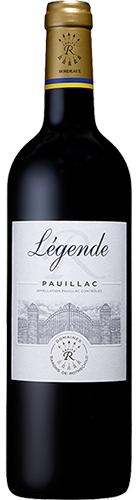
Among the third label wines offered in this all-inclusive 9-bottle set are 3 bottles of Légende R from the iconic Château Lafite-Rothschild (Pauillac) and 6 bottles of Moulin d’Issan from Château d’Issan (Margaux) for $275. Both labels represent the two Holy Grails of budget-minded Bordeaux lovers: Value and promise.

Château Lafite-Rothschild (Pauillac) First Growth
Although there were vineyards at Pauillac’s iconic estate long before Thomas Jefferson stopped by, it was his high regard for the property (coupled with the fact that it was King Louis XV’s favorite wine) that secured Lafite-Rothschild’s spot in the world’s wine stage. Boasting a unique terroir characterized by gravelly hilltops atop clay subsoil, Lafite’s vineyards offer natural drainage and ideal conditions for growing superior Cabernet Sauvignon. As is often the case when the stars align over a vineyard, vintage bottles of Lafite are among the priciest wines in the world, and even the second label, Carruades de Lafite, generally sells for hundreds of dollars. But the third label, Légende R, Pauillac 2014, is available for $42. According to Légende’s winemaker Diane Flamand, “Whether it is our Grand Vin, our Carruades, or Légende, the goal at Lafite is the same: We are after balance, elegance and structure.”

Légende R is created from select plots of younger vines on the Lafite estate, and vinified using both traditional Bordeaux technique and with the characteristic attention to detail. A spicy, white-pepper intensity rises from the glass, filled with layers of fig and red fruit and complemented by chocolate, licorice and roasted espresso beans. The wine is supple and full, rich with sweet plum and opulent cherry. Drinkable upon release, this is a ‘discovery’ wine that combines some of the most notable characteristics of its prestigious parent, but in a decidedly less concentrated package.


Château d’Issan (Margaux) Third Growth
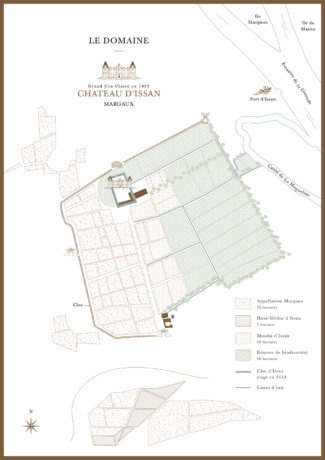
Among the appellations of Bordeaux, Margaux is renowned for the elegant structure and velvety-soft flavors of its wine. Château d’Issan in particular benefits from a mild climate, gravelly soil and alluvial hills; perfect for creating wines exemplary of the region.

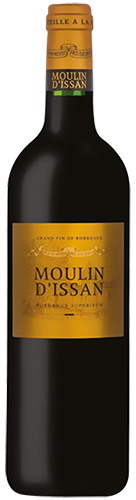
Geography is destiny, and nowhere is this more obvious than along the historic d’Issan path that passes heads toward the Gironde Estuary; the Margaux vineyards and the Bordeaux Supérieur appellation plots are contiguous, with the vines near the river rising from soil that is mainly clay and limestone, and therefore, well-suited to the Merlot. Like the famous Moulin Rouge dance hall in the 18th arrondissement, Château d’Issan’s third label, Moulin d’Issan, Bordeaux Supérieur 2018 ($22) takes its name from a windmill that still sits on the estate and where the wine is made. Merlot represents 90% of the composition, which makes it unique in Margaux, where wines are predominately Cabernet Sauvignon. Silken and sweet, the wine is gentle on the nose and shows tart cherry and raspberry with an underflow suggesting tobacco leaf and integrated chocolate notes. It’s mouth-filling and briefly luscious, offering the trademark Château d’Issan Margaux framework at a fraction of the cost.

Posted on Leave a comment

Saturday Sips Review Club March 2021 Selection (6-Bottle Package, $288) Provence’s Standout Cru: Bandol with Four Masterful Producers

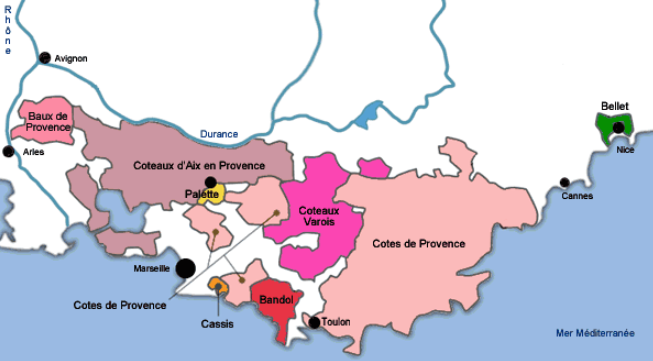
Charming Provence. Between olive groves and pine forests the rocky landscape is wild with the fragrant garrigue that marks its wines. This picturesque southern French region on the Côte d’Azur is famous for its rosé, but with a little bit of digging, and some guidance from your favorite local wine merchant, you can find some of France’s most structured, age-worthy red wines. Although relatively small, Bandol is easily Provence’s most important appellation.

Bandol wine is grown in small quantities in the limestone hills near the village of Bandol, east of Marseille and west of Toulon. It’s sun-soaked southerly terraces brushed with Medditerranean breezes are ideal for cultivating Mourvèdre — a grape variety with one of the longest growing cycles, but when fully ripened has the potential to create some of the most substantial and long-lived wines on our pale blue dot. Being one of mainland France’s driest, sunniest climates, fungal diseases are not the perennial threat they are elsewhere, making the region well-suited to organic viticulture. Bandol red wines must be at least 50 percent Mourvèdre, with the remainder generally blended with the classic grapes of the Mediterranean: Grenache, Cinsault, Syrah, and Carignan.
We are pleased to offer a selection of exceptional wines that speak of sunny Provence. Included in the package are wines from Bandol’s top producers, with five bold and meaty red wines that you can enjoy now or ten years from now, and a rare white Bandol.

Included in Saturday Sips Review Club March 2021 Selection 6-Bottle Package are one each of the following wines:

Domaine Tempier 

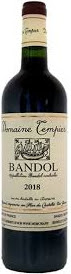
One of the oldest family-run estates in the region, Domaine Tempier is also the most recognized. The family was largely instrumental in getting the appellation of Bandol established in 1941. Bandol RED 2018 (Regular $56) is the quintessential expression of Mourvèdre, grown on terraced vineyards on steep hills around the “plan du Castellet.” The wine is full of fruit and earthy flavor, coupled with fine-grained tannins, and a complexity from the multiplicity of soil types that surround the estate, from pure limestone to ancient sandstone and limestone marls. The wine is a blend of Mourvèdre (around 75%), with Grenache and Cinsault, and, in small proportions, Carignan and Syrah, with vines at an average of 35 to 40 years old.

Domaine de la Tour du Bon 

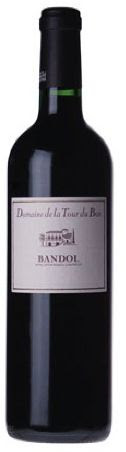
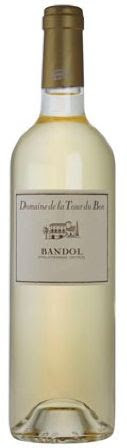
Agnès Henry is the winemaker and owner of Domaine de la Tour du Bon. Although the estate has been in the family since 1968, it is Agnès that has cemented its current acclaim. Her 42 acres are a mix of red earth, clay, sand, and gravel that all rest atop a limestone plateau near the village of Le Brûlat. Agnès calls her Bandol RED 2016 (Regular $38) true “blood of the earth.” The blend is 53% Mourvèdre, 27% Grenache, 10% Cinsault, and 10% Carignan from extremely low-yielding vines. The Grenache adds a light cherry fruit to balance out the striking power of the Mourvèdre, while the small additions of Cinsault and Carignan work to bind the two main varieties.

Domaine de Terrebrune

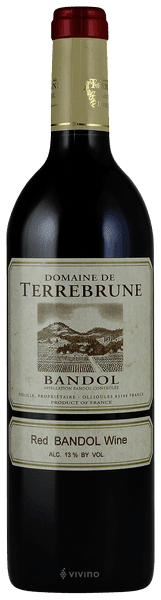
Reynald Delille heads this lauded estate nestled among the foothills of the limestone massif of Gros Cerveau. Certified organic, the estate’s terroir is characterised by the presence of limestone in its brown clay soil which inspired the estate’s name. With Mourvèdre accounting for 85% of the final assemblage, Reynald’s Bandols have an ethereal quality to them — the vineyards lie directly in the path of marine breezes that sweep off the Mediterranean, providing his wines with a mouthwatering saline quality. Bandol RED 2016 (Regular $54) is a fine example. With flavors of black fruit, anise, and wild herbs, its rich texture seems effortless, and its minerality profound. Bandol WHITE 2019 (Regular $41) is a blend of Clairette, Ugni Blanc, and Bourboulenc that shows remarkably subtle ripe peach and pear notes that are balanced with a refreshing, herbal greenness.

Domaine du Groś Nore 

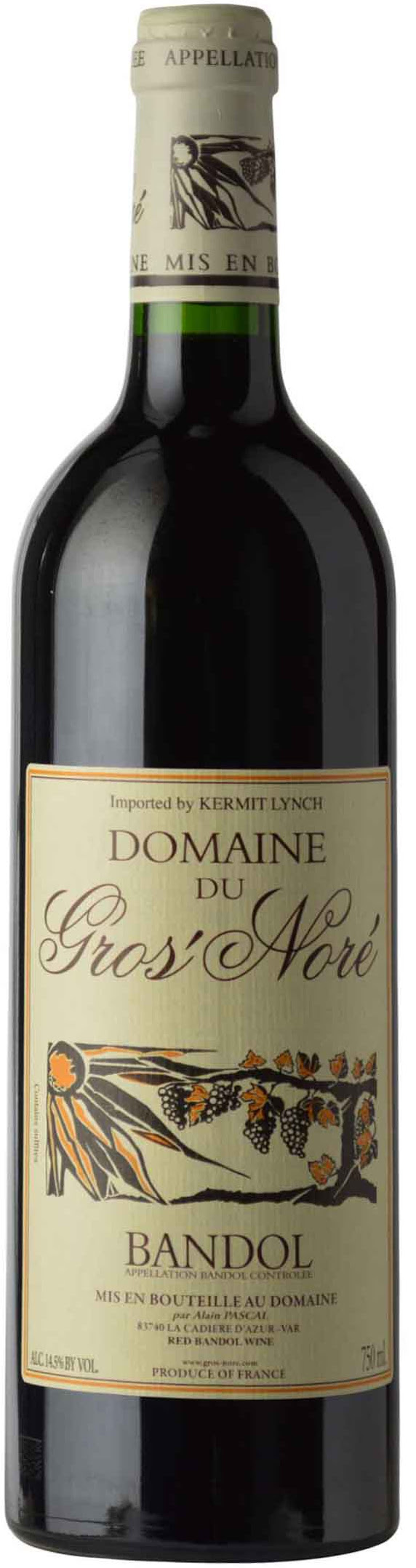
Born in a small house set among the vineyards of Bandol, Alain Pascal always knew he wanted to be a farmer. He bottled his first estate wines in 1997. From the very beginning, Alain produced his wines with minimal intervention — bottled without filtering and fermented with indigenous yeasts. Cultivation is essentially organic, as no chemicals are used on the vines. To provide power and concentration, Alain uses 80% Mourvèdre in Bandol RED 2016 (Regular $47), his flagship cuvée. The rest of the blend is 15% Grenache and 5% Cinsault. The wine is fermented in stainless steel vats and then aged for 18 months in large oak foudres. It has a lovely, elegant nose of jellied black cherry fruit and mediterranean herbs. It’s bold yet supple on the palate with concentrated fruit, clean earth, stone, and refined tannins. Bandol RED 2011 (Regular $79) has a few years of maturity. The 2011 vintage shows similar characteristics as the 2016, but has softened and integrated a bit more.

Posted on Leave a comment

Northern Rhône’s Syrah in Three Types with Three Gifted Makers (6-Bottle Wine-Pack $299, All Included)

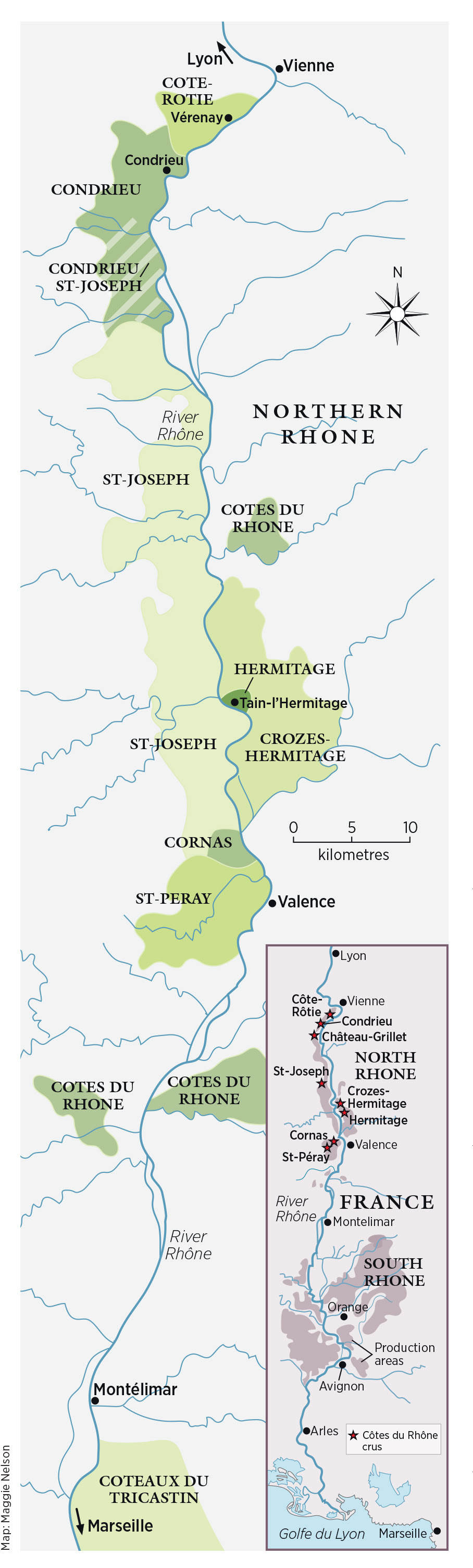
Home to some of the world’s most sought-after wines, Northern Rhône is the land of Syrah. Indeed, Syrah is the sole red wine grape allowed to be planted in the region’s major appellations, and it accounts for around 95% of the region’s wines.
The climate and terroir of the Northern Rhône valley is considerably different than it’s much larger neighbor to the south. Average temperatures are much cooler and the growing season is shorter, yet its unique Mediterranean climate and steep hillside terroir are ideal for our story’s hero, Syrah. Natural moisture is added to the vines from the Rhône river. A very hot and dry wind, called La Bise, runs down the valley and into Provence where it becomes the Mistral. That wind helps to keep the grapes and vines clean and disease free.

We are pleased to offer a selection of exceptional, 100% Syrah wines from a few of Northern Rhône’s top producers. These are wines that speak of this special river valley that produces Sryah unlike any other region in the world — benchmarks by which all other Syrah-based wines are measured.

Included in Northern Rhône’s Syrah in Three Types 6-Bottle Package are two each of the following wines:

The price includes a 15% discount, tax, and delivery. We will also honor a 10% discount on any bottles you might wish to add to the package.

Saint-Joseph

Some of the best values of the Northern Rhône come from Saint-Joseph and the appellation’s most complex wines are similar to those found in Côte Rôtie. For more than forty vintages, the late Georges Vernay was a towering figure in Northern Rhône, producing wines remarkable for their grace and complexity. Georges died in 2017 but had long since passed the torch to his daughter Christine Vernay. Since taking charge in 1997, she has brought the domaine to even greater heights. Christine continues with the methods developed by her father to best express the magic of the region’s wines. Yields are very low and the vineyards are organically farmed. Literally translated as “Lands of Ink” “Terre d’Encre” Saint-Joseph 2018 (Regular $77) is a wine worthy of its name. Produced from 30-year-old Syrah vines planted on granite soils in the municipality of Chavanay, it’s all meat and black cherry with a twang of acid, and a spicy licorice note on the finish.
Crozes-Hermitage

With many vineyards in the appellation being pebble-covered terraces with granite-clay soils and a blend of sand, look to Crozes-Hermitage for amped up floral aromatics and elegance. There are few names as revered as Alain Graillot in Northern Rhône. After working with the venerable Jacques Seysses at Domaine Dujac in Burgundy, Alain came back to his home in Crozes-Hermitage to start his own domaine in 1985, and soon became known for producing some of the region’s most haunting wines from his stony, organically farmed vineyards. Alain’s sons Maxime and Antoine have been in charge since 2008, with Alain working closely alongside them to this day. Crozes-Hermitage 2018 (Regular $49) is 100% Syrah from 30+ year old vines grown in the villages of La Chene Verts. 100% whole cluster fruit is fermented in concrete with indigenous yeast and then aged in 1-3 year old barrels purchased from some of the top estates in Burgundy. Spice-accented aromas of ripe dark berries and candied violet lead to a rich and energetic sip that finishes nice and spicy.
Cornas

The burliest, meatiest, and ripest wines in Northern Rhône are usually Cornas. Yet they still offer the freshness and distinct minerality that is a hallmark of the region’s Syrah. The up-and-coming, small estate of Domaine Durand consists of 54 acres of vines across the appellations of Saint-Joseph, Saint-Péray, and Cornas, and is run by brothers Eric and Joël Durand. Methods are sustainable, yields are moderate, and the approach is geared towards producing wines of elegance, subtle power, and great purity. “Prémices” Cornas 2016 (Regular $40) is 100% Syrah. It comes from a selection of granite soil plots in areas that produce soft yet refined wines. Vines are 13 to 15 years old and yields are low. The grapes are harvested at peak balance and de-stemmed before fermentation. Maturation lasts for 12 months in used casks to produce a wine both generous and fresh, with fine yet prominent tannins, and loads of plum, fig, and blackberry fruit. 
Posted on Leave a comment

Provence’s Standout Cru: Bandol with Five Masterful Producers (6-Bottle Wine-Pack $245, All Included)

Charming Provence. Between olive groves and pine forests the rocky landscape is wild with the fragrant garrigue that marks its wines. This picturesque southern French region on the Côte d’Azur is famous for its rosé, but with a little bit of digging, and some guidance from your favorite local wine merchant, you can find some of France’s most structured, age-worthy red wines. Although relatively small, Bandol is easily Provence’s most important appellation.

Bandol wine is grown in small quantities in the limestone hills near the village of Bandol, east of Marseille and west of Toulon. It’s sun-soaked southerly terraces brushed with Medditerranean breezes are ideal for cultivating Mourvèdre — a grape variety with one of the longest growing cycles, but when fully ripened has the potential to create some of the most substantial and long-lived wines on our pale blue dot. Being one of mainland France’s driest, sunniest climates, fungal diseases are not the perennial threat they are elsewhere, making the region well-suited to organic viticulture. Bandol red wines must be at least 50 percent Mourvèdre, with the remainder generally blended with the classic grapes of the Mediterranean: Grenache, Cinsault, Syrah, and Carignan.

We are pleased to offer a selection of exceptional wines that speak of sunny Provence. Included in the package are wines from Bandol’s top producers, with four bold and meaty red wines that you can enjoy now or ten years from now, a rare white Bandol, and the pinnacle of Provence rosé, a Bandol rosé. It’s an ideal sampler of all the appellation has to offer.

Included in Provence’s Standout Cru 6-Bottle Package are one each of the following wines:

The price includes a 10% discount, tax, and delivery. We will also honor a 10% discount on any bottles you might wish to add to the package.

Domaine Tempier 

One of the oldest family-run estates in the region, Domaine Tempier is also the most recognized. The family was largely instrumental in getting the appellation of Bandol established in 1941. Bandol RED 2018 (Regular $56) is the quintessential expression of Mourvèdre, grown on terraced vineyards on steep hills around the “plan du Castellet.” The wine is full of fruit and earthy flavor, coupled with fine-grained tannins, and a complexity from the multiplicity of soil types that surround the estate, from pure limestone to ancient sandstone and limestone marls. The wine is a blend of Mourvèdre (around 75%), with Grenache and Cinsault, and, in small proportions, Carignan and Syrah, with vines at an average of 35 to 40 years old.

Domaine de la Tour du Bon 

Agnès Henry is the winemaker and owner of Domaine de la Tour du Bon. Although the estate has been in the family since 1968, it is Agnès that has cemented its current acclaim. Her 42 acres are a mix of red earth, clay, sand, and gravel that all rest atop a limestone plateau near the village of Le Brûlat. Agnès calls her Bandol RED 2016 (Regular $38) true “blood of the earth.” The blend is 53% Mourvèdre, 27% Grenache, 10% Cinsault, and 10% Carignan from extremely low-yielding vines. The Grenache adds a light cherry fruit to balance out the striking power of the Mourvèdre, while the small additions of Cinsault and Carignan work to bind the two main varieties. Fragrant with citrus and flowers, Bandol WHITE 2018 (Regular $35) is 75% Clairette, 15% Ugni Blanc, and 10% Rolle from very low yielding vines. It’s full-bodied but not heavy on the palate with a mineral finish that shows a hint of fennel.

Domaine de Terrebrune

Reynald Delille heads this lauded estate nestled among the foothills of the limestone massif of Gros Cerveau. Certified organic, the estate’s terroir is characterised by the presence of limestone in its brown clay soil which inspired the estate’s name. With Mourvèdre accounting for 85% of the final assemblage, Reynald’s Bandols have an ethereal quality to them — the vineyards lie directly in the path of marine breezes that sweep off the Mediterranean, providing his wines with a mouthwatering saline quality. Bandol RED 2016 (Regular $54) is a fine example. With flavors of black fruit, anise, and wild herbs, its rich texture seems effortless, and its minerality profound.

Domaine du Groś Nore 

Born in a small house set among the vineyards of Bandol, Alain Pascal always knew he wanted to be a farmer. He bottled his first estate wines in 1997. From the very beginning, Alain produced his wines with minimal intervention — bottled without filtering and fermented with indigenous yeasts. Cultivation is essentially organic, as no chemicals are used on the vines. To provide power and concentration, Alain uses 80% Mourvèdre in Bandol RED 2016 (Regular $47), his flagship cuvée. The rest of the blend is 15% Grenache and 5% Cinsault. The wine is fermented in stainless steel vats and then aged for 18 months in large oak foudres. It has a lovely, elegant nose of jellied black cherry fruit and mediterranean herbs. It’s bold yet supple on the palate with concentrated fruit, clean earth, stone, and refined tannins.

La Bastide Blanche 

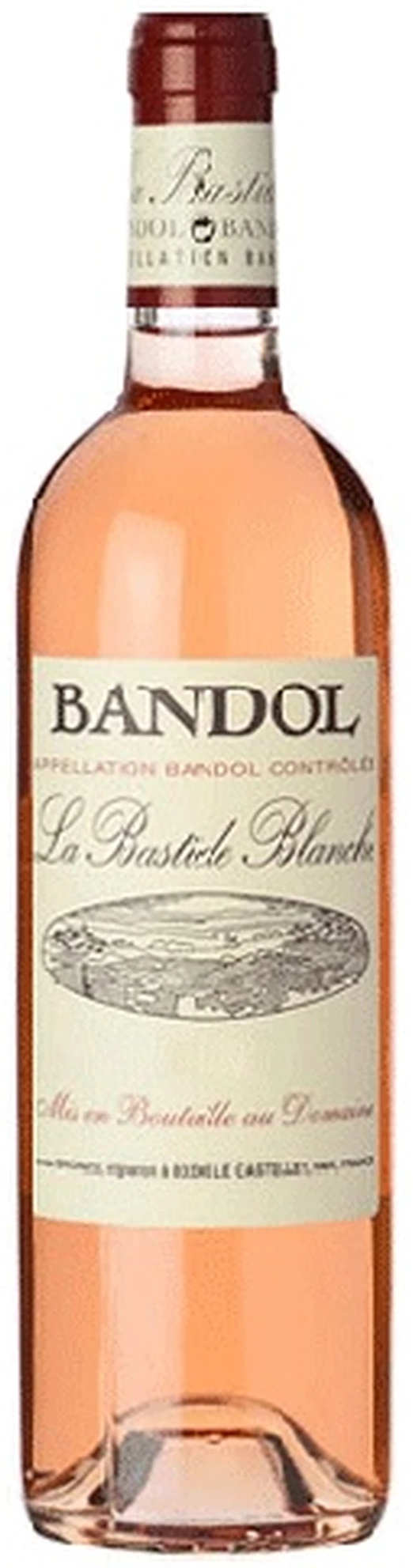
In the early 1970s Michel and Louis Bronzo acquired Bastide Blanche with the goal of producing Bandol wines of comparable quality to southern France’s more renowned appellations at the time. Today they are recognized as one of the top producers in the country. Low yields and an impeccable cellar help to create some of the most expressive wines of Bandol. Bandol ROSÉ 2019 (Regular $27) is classy and classic Provençal rosé. Mourvèdre is the base grape with about equal parts Cinsault and Grenache from fruit hand-harvested off of vines growing in clay-limestone soil. Notes of red berries, blood orange, and fresh cut herbs dominate this savory and balanced wine.

Posted on Leave a comment

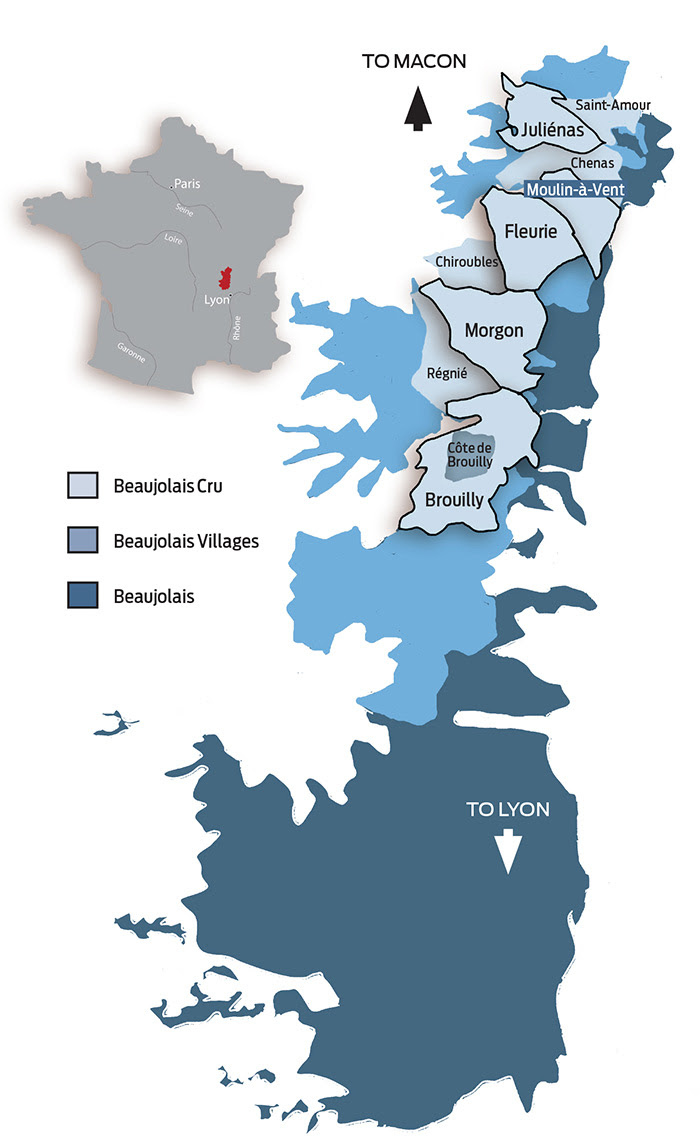
Burgundy’s Alter Ego: The Singular Cru Villages of Beaujolais (10-Bottle Wine-Pack $275, All Included)

We are pleased to offer a selection of wines that represent a marriage of grapes and ground that the French regard as mystical. It’s in the sandy clay soils over granite of Beaujolais that the Gamay grape finds its truest expression, in the right hands producing red wines that are fresh, vivid, light and fruity, yet possessing a soulful depth and sense of place. It is a wine that is somehow simultaneously uncomplicated and consequential.

Included in the package are wines from eight of Beaujolais’ ten Cru appellations — known for their extraordinary soils and microclimates and the capability of producing the most remarkable wines of the region. Although these are all Gamay-based wines, they are produced using many of the traditional methods practiced in Burgundy, including a focus on healthy vineyard ecosystems with the goal of making wines that express their terroir.
Light, refreshing, with moderate alcohol, lively acidity, and served with a slight chill, these are wines versatile enough to complement nearly any dish. Indeed, France’s gastronomical center, the city of Lyon, is just a short drive south of Beaujolais on the A6. From Mediterranean Provence to Alscace and Lorraine, many different culinary influences have converged to become what is known as Lyonnaise cuisine. The locals love their Beaujolais with cheeses and cured sausages, potatoes pan-fried in butter, and Coq au Vin. You will too.

Included in Burgundy’s Alter Ego 10-Bottle Package are one each of the following wines:

The price includes a 15% discount, tax, and delivery. We will also honor a 10% discount on any bottles you might wish to add to the package.

Beaujolais-Villages 

Although Beaujolais-Villages is considered “lesser” when compared to the 10 Crus, it can be a source of great value when the wines are made by accomplished producers. And they don’t get much more accomplished than the two we have to offer here.

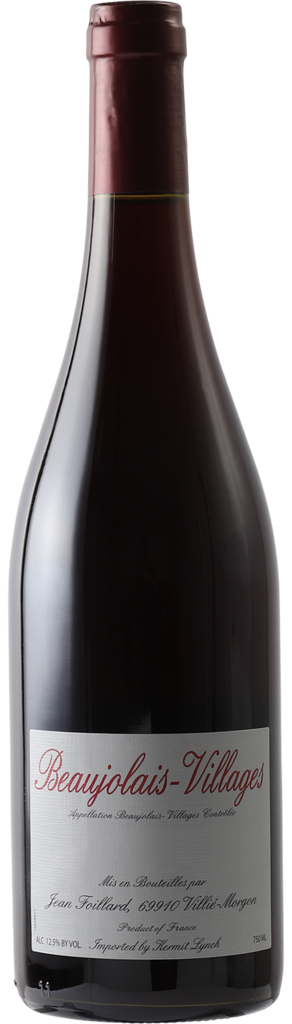
A living legend in Beaujolais, Jean Foillard is a traditionalist who has returned to the old practices of viticulture and vinification: starting with old vines, never using synthetic herbicides or pesticides, harvesting late, rigorously sorting to remove all but the healthiest grapes, adding minimal doses of sulfur dioxide or none at all, and refusing both chaptalization and filtration. Jean Foillard 2019 (Regular $29) Beaujolais-Villages consists of a blend of several granite terroirs on the outskirts of the cru villages, mostly high in the hills where Gamay once failed to ripen consistently. With today’s climate, ripening is no longer a concern, even in these cooler sites. Consider this wine a lighter, brighter, higher-toned sibling to the domaine’s benchmark Morgon.
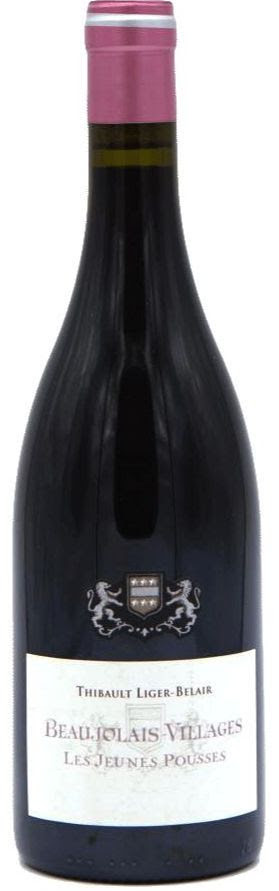
Cousin to Vicomte Liger-Belair of La Romanée fame, in 2001 Thibault Liger-Belair took over storied family property in Nuits-Saint-Georges. In 2008, Thibault decided to deploy his talent and knowledge in Beaujolais. Thibault Liger-Belair “Les Jeunes Pousses” 2017 (Regular $31) is Thibault’s basic cuvée, made with fruit from the granite soils of the northern part of the region. It begins powerfully fragrant with violets and dark cherries. Although easy to drink, as Beaujolais-Villages ought to be, there is a vein of iron-metallic energy at the wine’s core leading all the way to a finish of crunchy ripe tannins. This is a Beaujolais-Villages with the gravitas of the Côte de Nuits.
Chénas

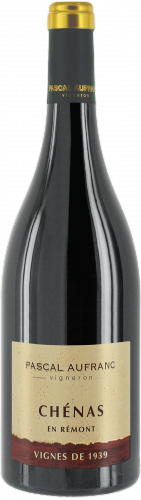
Chénas produces a tender wine that can age surprisingly well. You don’t see much Chénas in your local wine shops as very few good examples are imported to the states. One exception is Domaine Pascal Aufranc “en Rémont, Vignes de 1939” 2018 (Regular $20). Planted in 1939, the “en Rémont” vineyard is one of Chenas’ finest, with classic granitic soils covered in sand. The vineyard is completely isolated, surrounded by fields and woods, which allows Pascal to cultivate his vines without potential interference from his neighbors. This old-vine fruit makes an intense, mineral-accented wine with dark berry aromas mingled with violets and wet earth. In the mouth it is sappy, precise, and lengthy.
Chiroubles

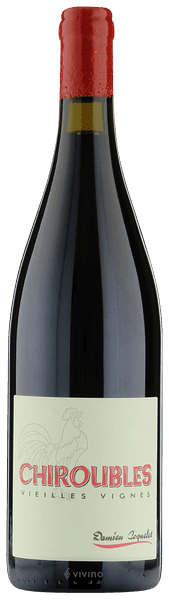
Chiroubles’ position is unique, as it is at the very highest altitudes of Beaujolais and the fruit takes about a week longer to ripen than elsewhere, which tends to produce wines of complexity, even in their youth. A pioneer in the under-valued appellation of Chiroubles, Damien Coquelet started his own Domaine at the tender age of 20. He also has some fantastic parcels in the famous Côte de Py in Morgon. Damien Coquelet “Vieilles Vignes” 2016 (Regular $35) is from vines over 50 years old growing in granite soils. The wine sees long semi-carbonic macerations and maturation in Burgundian barriques. Bright aromas of ripe raspberry, cherry, violet and citrus precede a lively mineral attack with a finish that is sappy, earthy, and long.

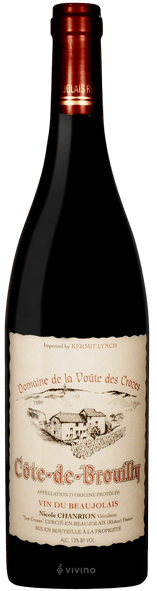
Côte de Brouilly

Côte de Brouilly sits on the hillsides of Mont Brouilly, a prehistoric volcano that left blue schist stones and volcanic rock along its slopes. The fruit tends to ripen fully even in cool vintages, producing structured and elegant wines. Nicole Chanrion took over the family domaine in 1988. She works all 16 acres entirely by herself, from pruning the vineyards and driving the tractors to winemaking and bottling. She employs the traditional winemaking techniques of the Beaujolais: hand harvesting, whole-cluster fermentation, aging the wines in large oak foudres for at least nine months, and bottling unfiltered. She is affectionately referred to as “La Patronne de la Côte,” or the Boss of la Côte. Domaine de la Voûte des Crozes 2019 (Regular $24) is powerful, with loads of pure fruit character and floral aromas.

Fleurie

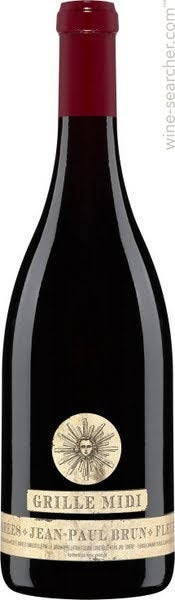
With a concentration of good producers and particularly fine terroir, Fleurie is another great source of Cru Beaujolais. Fleur means flower in French, and the wines of Fleurie are quite often characterized by a distinct floral note. Jean-Paul Brun started Terres Dorées in 1979 and is one of the region’s champions of what might be described as traditional Beaujolais. His wines are fermented with natural yeast and he has also always eschewed the relatively modern technique of carbonic maceration in favor of traditional Burgundian vinification. Expressive from start to finish with hints of clove and cherry, Terres Dorées “Grille Midi” 2016 (Regular $31) is from the famous lieu-dit of Grille Midi — a south-facing amphitheater of vines on poor, sandy, decomposed-granite soils over hard granite rock.

Juliénas

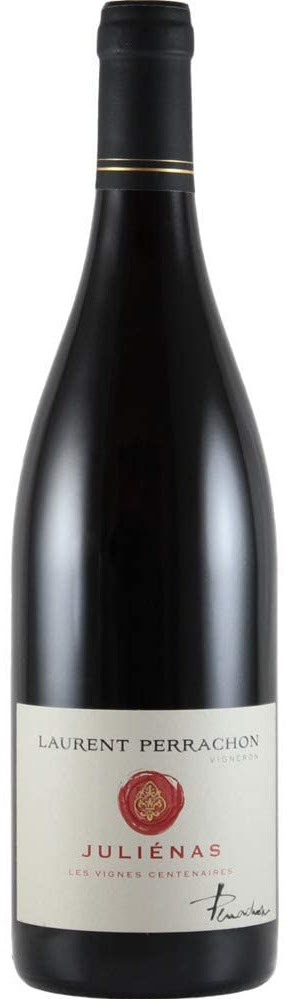
Juliénas is another Cru known for its sturdy wines with aging potential. The typical characteristic of Juliénas is deep red cherries, which transform with a few years of bottle age into nuanced flavors that tend towards cassis. Laurent Perrachon et Fils, “Les Vignes Centenaires” (Regular $32) is from a two-acre parcel of century-old vines. It is powerful, sinewy, and packed with sappy fruit. With a nod toward toward Burgundy, seventh-generation winemaker Laurent Perrachon uses indigenous yeasts and a long maceration time to extract the broadest palette of flavors, complexity, and structure. The wines are aged in the estate’s vaulted cellars that were built in 1701.

Morgon

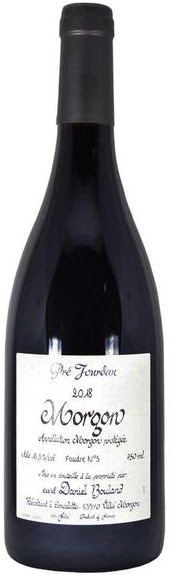
Thanks chiefly to its granitic soils, the wines of Morgon have great weight and structure. It is also blessed with an extraordinarily range of excellent producers. Daniel Bouland is one of them. He farms about 17 acres of old vines and his wines are notable in their ability to develop over time into wines as expressive as those from villages to the north in Burgundy. All fruit is hand-harvested and vinified with full clusters to extract the full depth of expression. The wines are bottled unfiltered. Daniel Bouland, “Pré Jourdan – Foudre No. 7” Morgon 2019 (Regular $41) is a newly acquired lieu-dit located near Fleurie with 70-year-old vines. The entire batch aged in a five-year-old foudre was purchased by the US importer after the inaugural 2018 vintage, making this wine exclusive to the states.

Moulin-à-Vent 

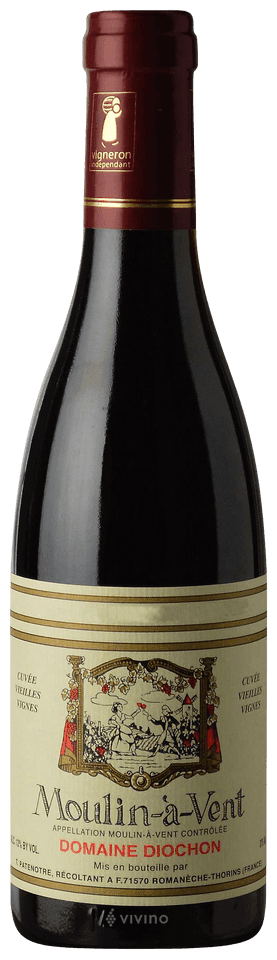
Moulin-à-Vent is considered the sturdiest, most tannic, and longest-lived among the 10 Crus of Beaujolais. But don’t expect the kind of hairy-teeth tannins you find in highly structured Cabernet Sauvignon-based wine. Moulin-à-Vent wines are still made from Gamay so they’ll never be that tannic. Domaine Diochon “Vieilles Vignes” 2019 (Regular $28) does contain some tannin—it wouldn’t be young Moulin-à-Vent if it didn’t—but it is beautifully integrated, not heavy, with fruit and floral aromas, and ready to drink now if given a little time to breathe. The wine is made from vines planted in 1920, 1950, and the 1960s, so yields are naturally small. Look for a pronounced mineral component from crumbly granite soils.

Saint-Amour

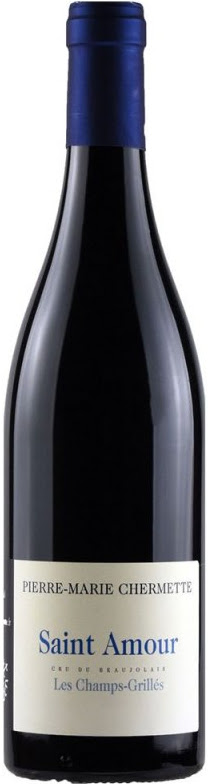
Saint-Amour is the most northerly Beaujolais Crus, bordering the Mâcon region of southern Burgundy. Saint-Amour can be an intensely red-fruited wine and Pierre-Marie Chermette “Les Champs-Grillés” 2018 (Regular $34) is a fine example. Notes of raspberries, rose petals and cherries lead to a drink that is layered and spicy, with a muscular spine of fine tannins. Strict traditionalists, Pierre-Marie and Martine Chermette were among the first in Beaujolais to use sustainable agricultural practices, shunning the use of chemicals in the vineyard and encouraging as much life in the soil as possible. The wines are made with minimal intervention: wild yeasts, minimal sulphur additions, and no filtering if possible.

Posted on Leave a comment

Southern Rhône Riches: Châteauneuf-du-Pape’s Sister Cru Villages (10-Bottle Wine-Pack $325, All Included)

Châteauneuf-du-Pape is quite often the gateway region that introduces curious wine drinkers to the essence of terroir. An almost perfect union of soils, climate, and grape varieties combine to create one of the world’s great red wines that tends to be expressive from youth to maturity, with an exuberance and sophistication rarely matched. The next best thing to a great Châteauneuf-du-Pape is a less expensive, yet superb bottle of Southern Rhône red wine from nearby appellations that costs a fraction compared to its more prominent cousin.

The Rhône River stretches from the Alps to the Mediterranean through an incredibly diverse expanse. At its southern end, between the cities of Vienne and Avignon, rolling hills meet plateaus of varying elevation under the toasty Mediterranean sun. Long, warm summers and mild winters allow the region’s dominant grape variety, Grenache, to yield good concentration via stony soils and low rainfall. This is the region of France’s most user-friendly wines.
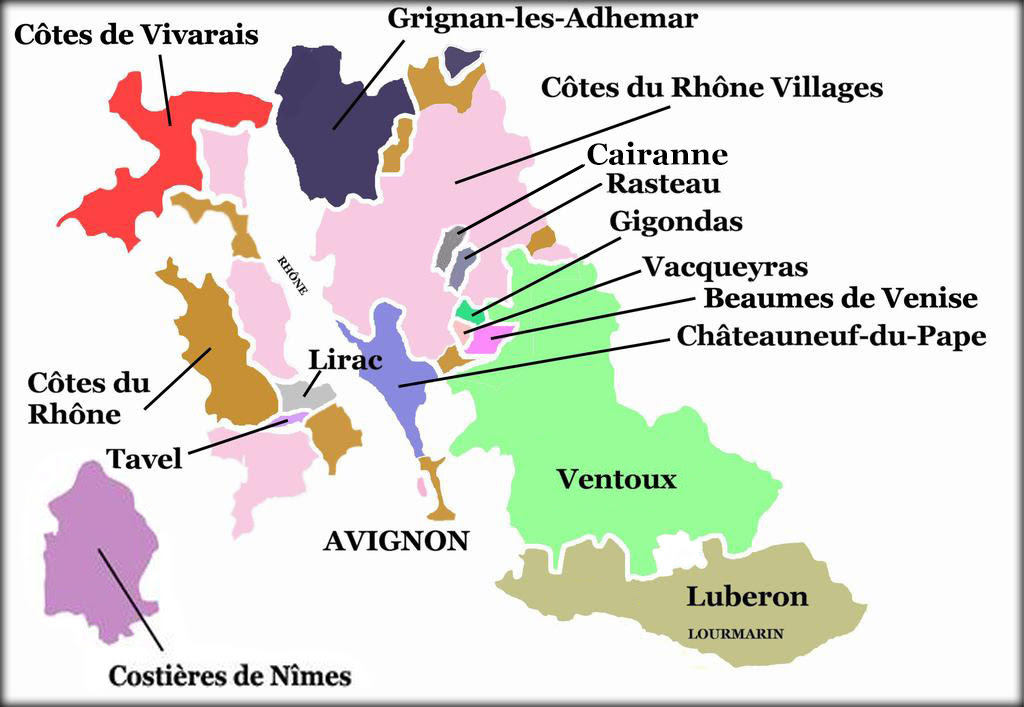
We are pleased to offer a box of easy-drinking yet refined red wines from Châteauneuf-du-Pape’s sister Cru villages. These are wines with a warmth ideal for pairing with hearty meals and cold winter nights. The appellations of Cairanne, Gigondas, Lirac, Rasteau, and Vacqueyras are all capable of producing wines of superior quality that often rival their more celebrated neighbor, and are made with similar strict and rigorous regulations.

Included in Southern Rhône Riches 10-Bottle Package are two each of the following wines:

The price includes a 15% discount, tax, and delivery. We will also honor a 10% discount on any bottles you might wish to add to the package.

Vacqueyras

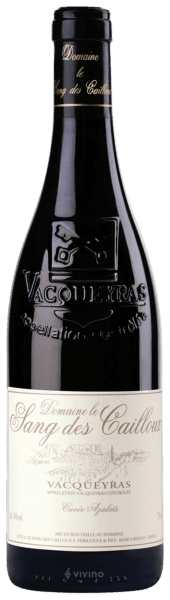
The second Côtes du Rhônes Villages to be upgraded to Cru status and a stone’s throw across Vaucluse from the famed vineyards of Châteauneuf-du-Pape, Vacqueyras sits beneath the jagged, lacy peaks of the Dentelles de Montmirail rising up in the east. 70% Grenache, 20% Syrah, 10% Mourvèdre and Cinsault, Serge Férigoule’s Domaine Le Sang des Cailloux 2018 (Regular $45) is easily one of the best of the type. The fruit is organically farmed on the great Plateau des Garrigues, where red clay, limestone, and the famous galets roulés, or rounded stones, impart an intensity and depth to the wines. The wine is dark, rich, full-flavored, wild and chewy, with notes of leather, spicy garrigue, and smoky, black fruit.

Cairanne

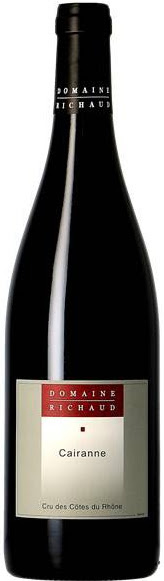
Cairanne (elevated to cru status in 2016) is perhaps the most promising and exciting subregion in Southern Rhône today. The village is situated atop a range of low hills with ideal exposure. It’s elevation ensures slightly cooler temperatures than much of the region and lends a brightness and delicacy to the wine. Marcel Richaud’s Domaine Richaud 2018 (Regular $37) is an organically certified cuvée that aims to express the village’s terroir from soils of poor, stony clay-limestone on mid-slope plots. A blend of Grenache, Syrah, Mourvèdre, and Carignan from 40 to 70-year-old vines, the wine is fermented and aged primarily in concrete tanks, with a portion in oak barrels, then bottled unfined and unfiltered with only a small amount of sulfites. The result is a wine that is both rich and electric, with complex aromas of fruit (both fresh and preserved) and herbal spice. A sip fills the mouth with ripe berries and licorice riding a mineral spine.

Lirac

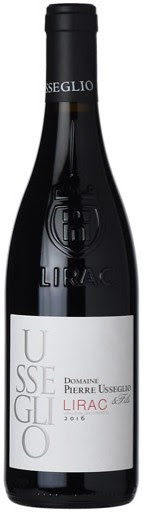
Situated in the low-lying hills on the right bank of the Rhône River directly across from Châteauneuf-du-Pape, Lirac reds are elegant, well-balanced, and structured. Domaine Pierre Usseglio, now run by his sons, Jean-Pierre and Thierry, has risen to such prominence over the past two decades, it must be considered as not only one of the top addresses in Southern Rhône but in all of France. Domaine Pierre Usseglio 2018 (Regular $37) is a blend of 60% Grenache, 15% Syrah, 15% Mourvèdre, and 10% Cinsault from clay and pebble soils. The vines are around forty years old. The wine is aged in concrete vats and demi-muids over a period of 12 months to produce a sturdy, solidly built drink loaded with notes of plum, cola and spice. It’s full-bodied, finishing warm and velvety.

Rasteau

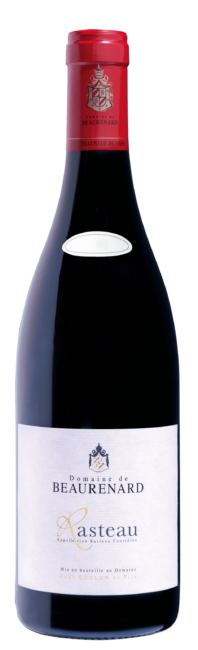
The village of Rasteau was awarded cru status way back in 1944 for their sweet, Vin Doux Naturel. It took a little longer to see the hard work and determination of the region’s vignerons to be awarded cru status for their deeply-colored, robust, dry red wines but now the appellation is considered one of Southern Rhône’s best. Traditional winemakers Daniel and Frédéric Coulon hold around 60 acres in the Rasteau appellation. All of Domaine de Beaurenard’s vines are certified biodynamic. In the vineyards, these methods involve working the soil without herbicides, spreading carefully-dynamised manure, and maintaining sensible grass cover. Domaine de Beaurenard 2017 (Regular $32) is all herbal and red cherries. A blend of 80% Grenache, 17% Syrah, and 3% Mourvèdre, it’s medium to full-bodied, creamy and supple.

Gigondas

Gigondas is the first Côtes du Rhônes Villages to be upgraded to Cru status (1971). It borders Vacqueryas to the northeast and lies within the protection of the toothy, lacy, and majestic rock faces of the Dentelles de Montmirail. Think of it as Châteauneuf-du-Pape from higher, rockier ground. A blend of 80% Grenache and 20% Syrah, Pierre Amadieu “Romane Machotte” 2018 (Regular $30) comes from vines averaging 45 years old growing in alternating Cretaceous limestone and marl soils with a northwest exposure at an altitude of almost 1,000 feet. It ages 12 months in oak foudres and barrels. Berry salad flavors are enveloped in soft yet powerful tannins, mingling with scents of Provençal wild herbs.