A grape variety born in Bordeaux, Merlot often gets a bad rap due to the glut of simple, fruity wines that bear its name lined up on party store shelves. But when the soils and climate are ideal, and production is focused on quality, the variety is capable of making some of the most expressive wines in the world. Situated on the north side of the Dordogne River near the city of Libourne, 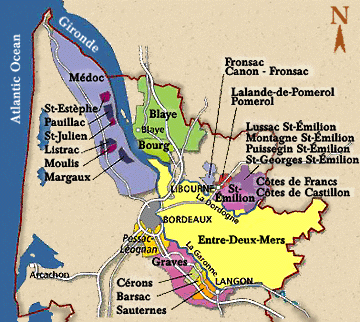 the soils of mainly clay and limestone that cover the “Right Bank” Bordeaux appellations of Pomerol and Saint Émilion are capable of producing wines that reveal the complete range of the Merlot variety and are the reference points for the rest of the world.
While many of the wines of Pomerol and Saint Émilion are out of reach for the typical consumer, the entire area known as the Right Bank offers excellent quality and value through the important satellite appellations surrounding them. These often overlooked appellations produce wines with similar characteristics as the big two, with many of the top producer’s efforts surpassing expectations. We’re pleased to offer this boxful of wines illustrating the sublime characteristics of Merlot from its birthplace terroir.
Included in Merlot Glory: The Bounty of Bordeaux’s Backcountry 6-Bottle Package are one each of the following wines, two bottles of each wine (and a deeper discount) will be included in the 12-bottle package:
The discounted price includes tax and delivery. We will also honor a 10% discount on any bottles you might wish to add to the package.
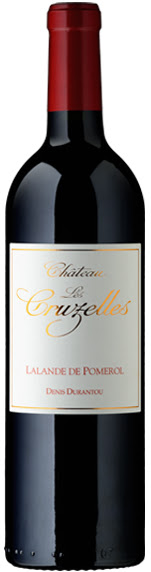 Lalande de Pomerol
Lalande de Pomerol produces reds that, at their best, mimic Pomerol’s robust, earthy flavors at a fraction of the price. While there is more variation in terroir within the two appellations than between them, Lalande tends to have more gravel and sand compared to Pomerol’s heavier clay soils. Château Les Cruzelles 2016 (Regular $45) is an ample wine from perfectionist proprietor Denis Durantou, who is known for his celebrated Pomerol estate Château l’Eglise Clinet that is less than a mile away. A blend of 60% Merlot and 40% Cabernet Franc, it’s a hearty wine full of black raspberries, dark and juicy plums, and hints of cocoa and floral accents.
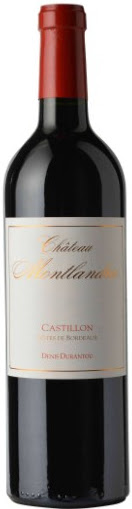 Castillon – Côtes de Bordeaux
Next-door neighbor Saint-Émilion has had a huge influence on Castillon. Saint-Émilion growers and chateau owners have taken advantage of lower-vineyard prices in Castillion to produce serious Saint-Émilion-style wines for a fraction of Saint-Émilion prices. Another beautiful bottle from star winemaker Denis Durantou of Château l’Eglise Clinet is Château Montlandrie 2016 (Regular $42). A blend of 65% Merlot, 20% Cabernet Franc, and 15% Cabernet Sauvignon, from terroir of clay and limestone soils on the plateau of Cotes de Castillon. Fresh herbs, dark cherry and floral notes precede cherry liqueur, licorice, and spice that meld well with its ripe, elegant style.
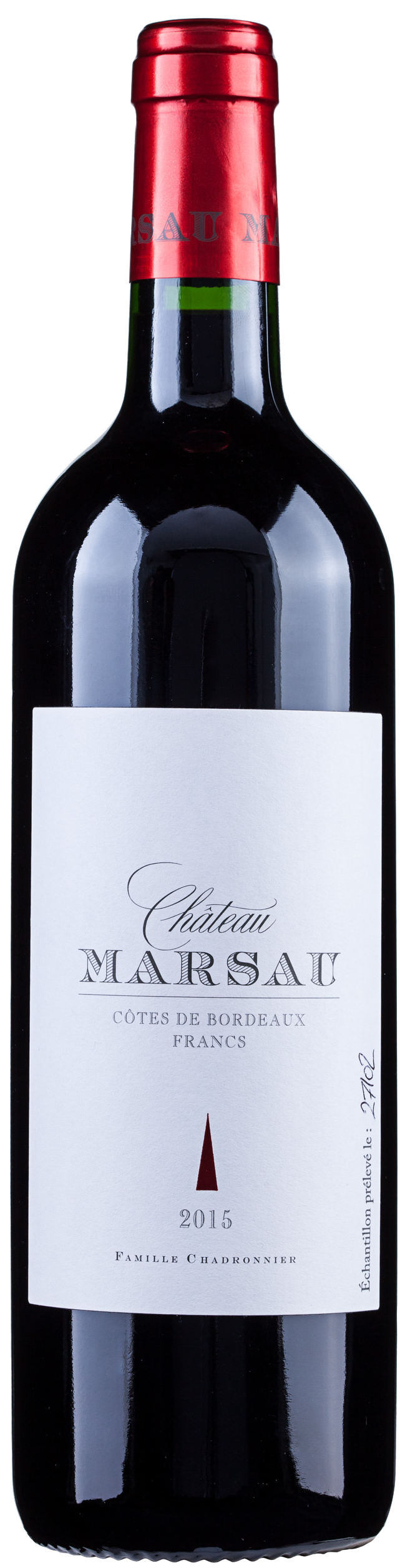 Francs – Côtes de Bordeaux
Closer to Bergerac than the city of Bordeaux, Francs is a small jewel located next to Castillon. It is the smallest and most rural region at a little over 1,000 acres. 100% Merlot, Château Marsau 2016 (Regular $35) comes from vineyards with a terroir of clay, limestone and sandy soils. The vineyard is well situated on a slope that is close to the peak of the appellation’s plateau with an elevation of over 300 feet. The vines are on average 35 years of age. The wines are aged in 30% new, French oak barrels for 12 months before bottling to produce a wine of depth, tannin, roundness and plenty of ripe, smoky black cherries and plummy fruit from start to finish.
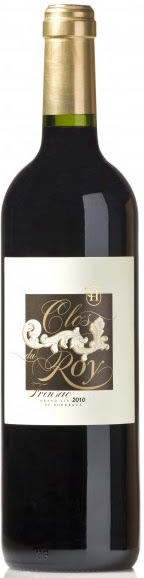 Fronsac
The appellation of Fronsac is another of Bordeaux’s lesser known winemaking regions. It is an area of back-country roads and tiny vineyards a stone’s throw from Pomerol and Saint-Émilion. Indeed, Fronsac is five times smaller than Saint-Émilion, with a more homogenous terroir of limestone and clay — “Fronsac molasses” it’s sometimes called by the grape farmers that toil its vineyards. In the right hands, wines made in Fronsac can be as good as many of the wines from its big-name neighbors. Château Clos du Roy 2018 (Regular $25) is one of them. 90% Merlot, 5% Cabernet Franc, and 5% Cabernet Sauvignon aged in 30% new, French oak barrels for 12 months produce a balanced wine full of fresh fruit, juicy acidity, and muscular tannin.
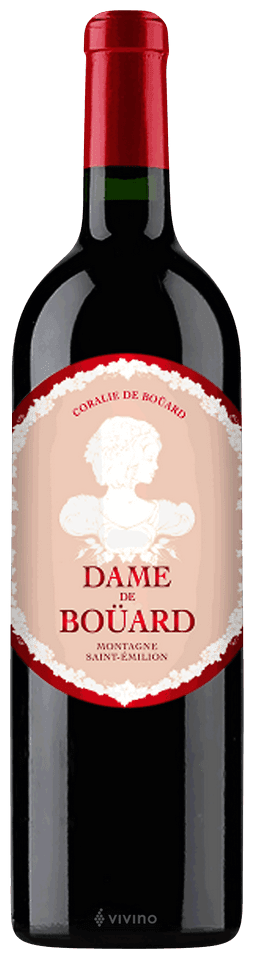 Montagne Saint-Émilion
Montagne-Saint-Émilion is the largest of the Saint Émilion satellite villages, and many consider it the best. It is also the location of one of France’s top viticultural research colleges. Clos de Boüard is the newest project for Coralie de Boüard, owner of La Fleur de Boüard in the Lalande de Pomerol appellation, and daughter of Hubert de Boüard of the famous Château Angelus. The estate’s vines are an average of 35 years old. They also have very old vines that range from 60 to 70 years of age. Château Clos de Boüard “Dame de Boüard” 2018 (Regular $24) is the second wine of Clos de Boüard and a blend of 60% Merlot, 30% Cabernet Franc, and 10% Cabernet Sauvignon. Fresh, bright fruits, chocolate and licorice work together perfectly in this forward, open, and easy to drink wine.
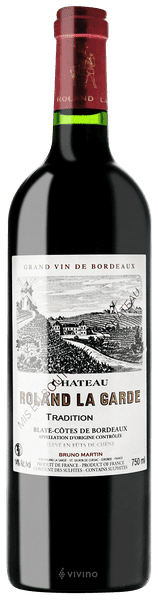 Blaye – Côtes de Bordeaux
Blaye was an important river port in Roman times, and today, the Citadel of Blaye is a UNESCO World Heritage Site. It is a source of lovely and accessible red wines, driven by fresh fruit. Biodynamically cultivated since 2008 by nature-loving winemaker, Bruno Martin, Château Roland La Garde “Tradition” 2016 (Regular $23) is a blend of 80% Merlot and 20% Cabernet Sauvignon from vines 20 years old grown in clay and limestone soils. Two-thirds of the wine ages in barrels while one-third ages in vat for 12 months. It is a wine with finesse and harmony, good balance, and a tannic structure that highlight the aromas of red fruits.
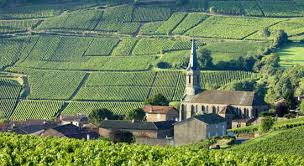 We have prime examples of everything from inexpensive regional wines to the inimitable Grand Crus of Montrachet and the Côte de Nuits.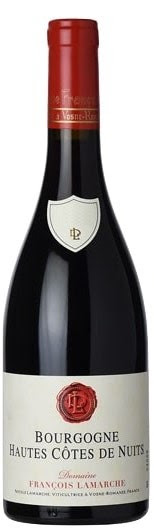
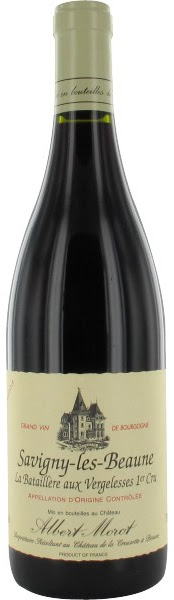 The Slopes of Côte d’Or
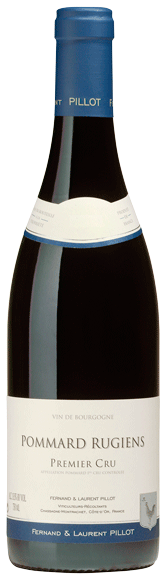 The Premiers Crus of Côte d’Or
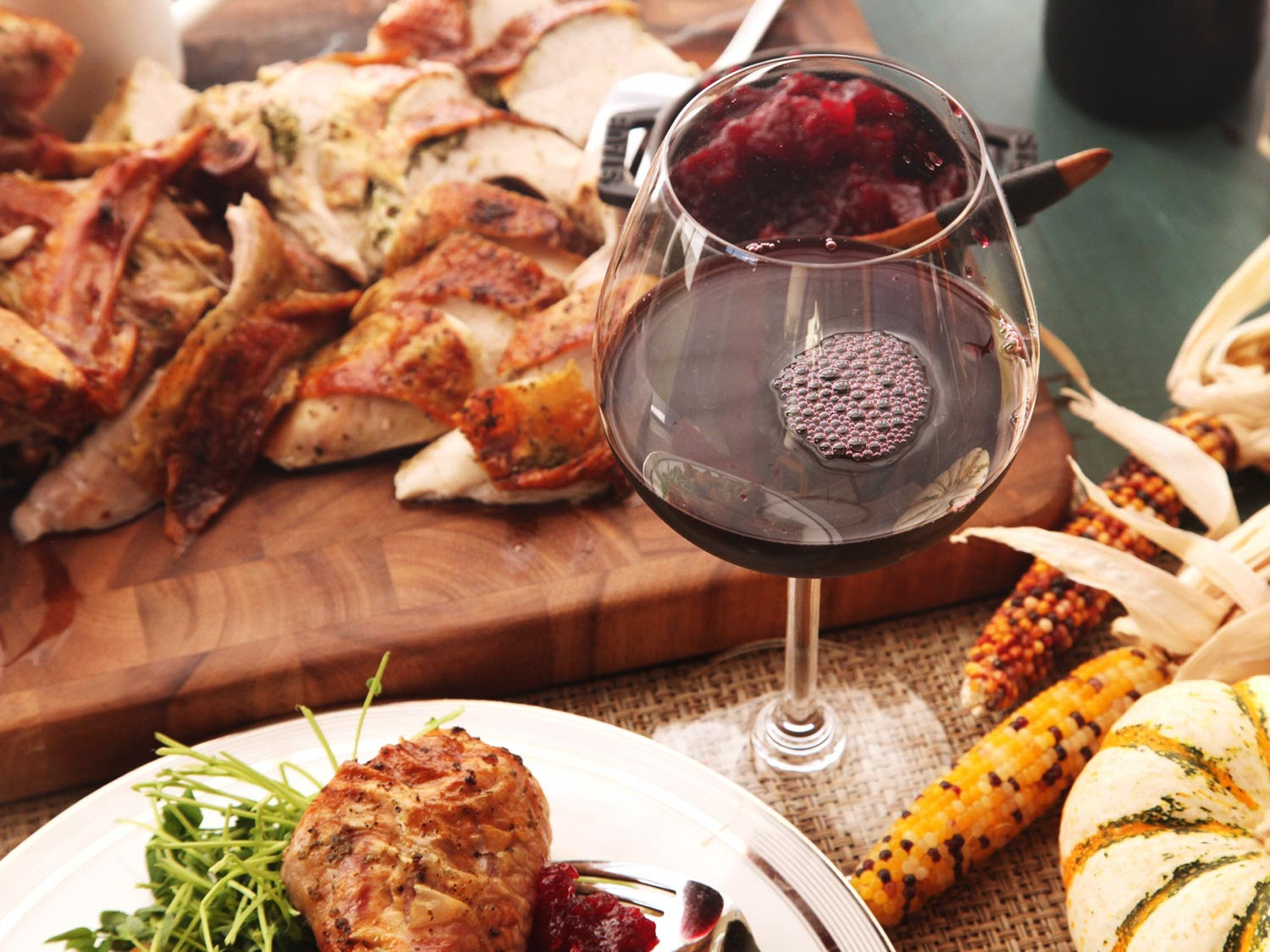 The typical Thanksgiving meal is far too diverse with textures, flavors and aromas to labor over perfect pairings. The most important characteristics of the wines on your table is that they are light, refreshing, energetic, with moderate alcohol, lots of fruit, a lively acidity, and versatile.
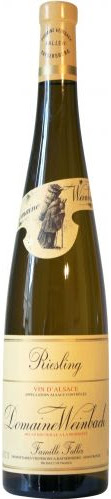 Domaine Weinbach Riesling (Alsace 2018) Regular Price: $33, WHITE
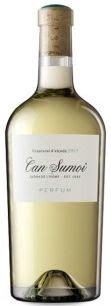 Can Sumoi “Perfum” (Penedès 2019) Regular Price: $25, WHITE
 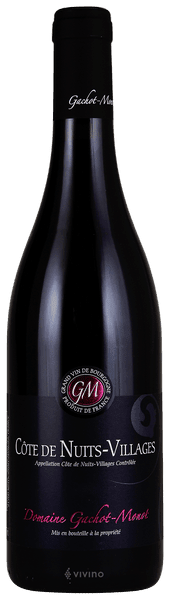 Domaine Gachot-Monot (Côte de Nuits-Villages 2018) Regular Price: $34, RED
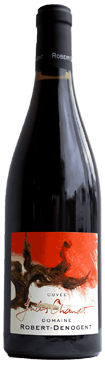 Domaine Robert-Denogent “Jules Chauvet” (Beaujolais-Villages 2017) Regular Price: $25, RED
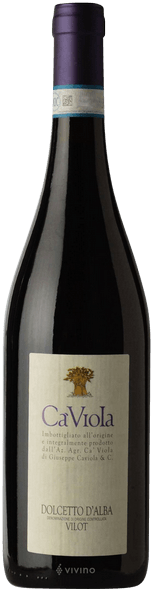 Cà Viola “Vilot” (Dolcette d’Alba 2017) Regular Price: $19, RED
 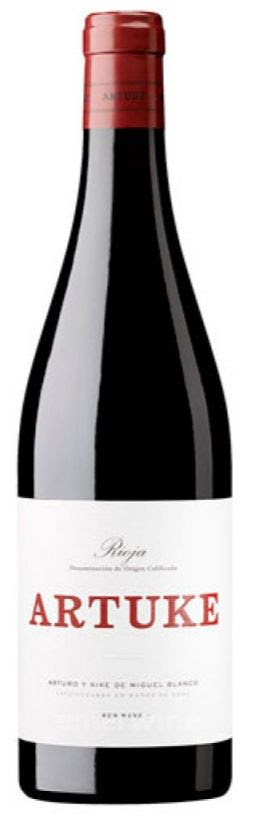 Artuke (Rioja 2019) Regular Price: $17, RED
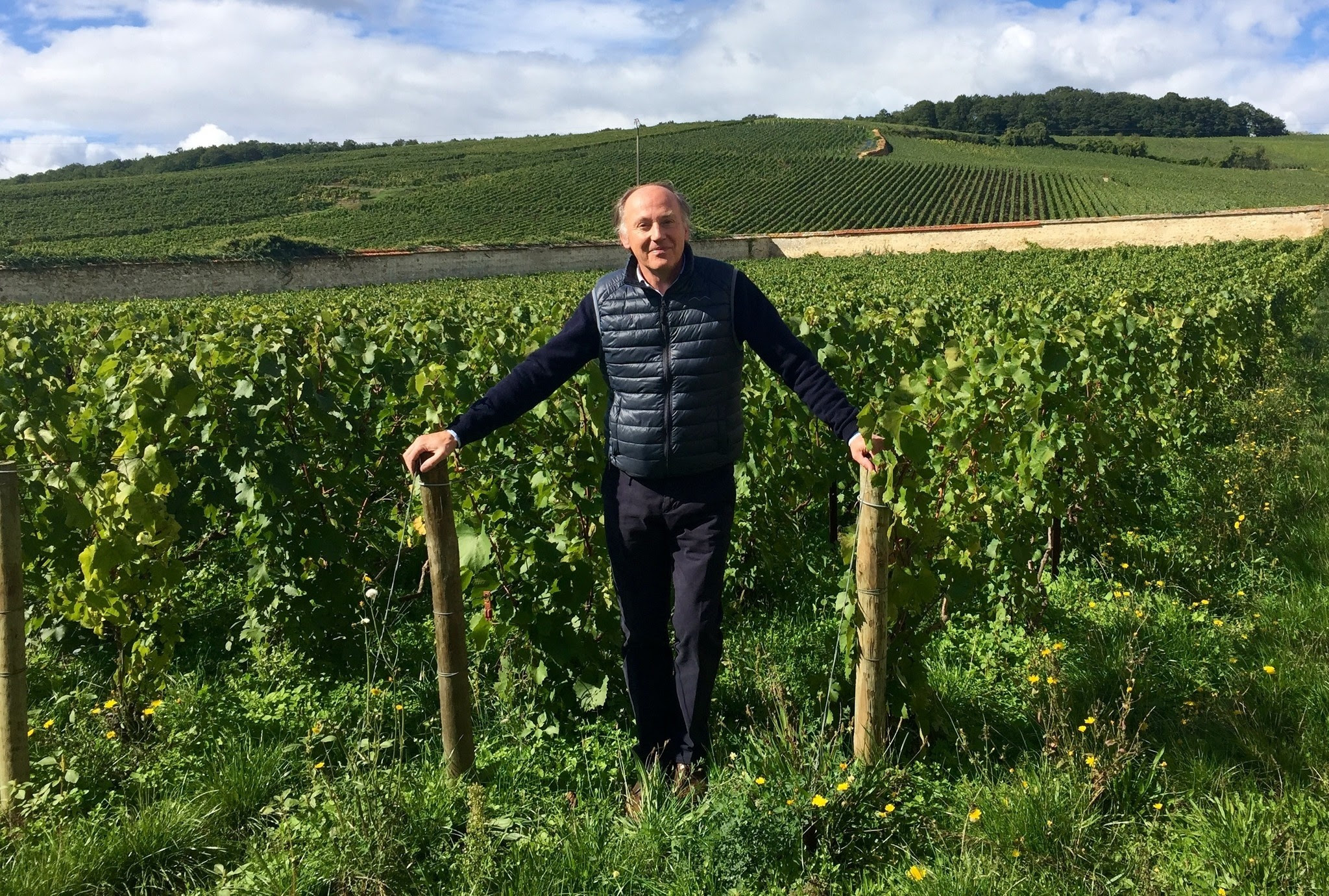 Today, enologist Hervé Jestin continues the legacy of this visionary house.
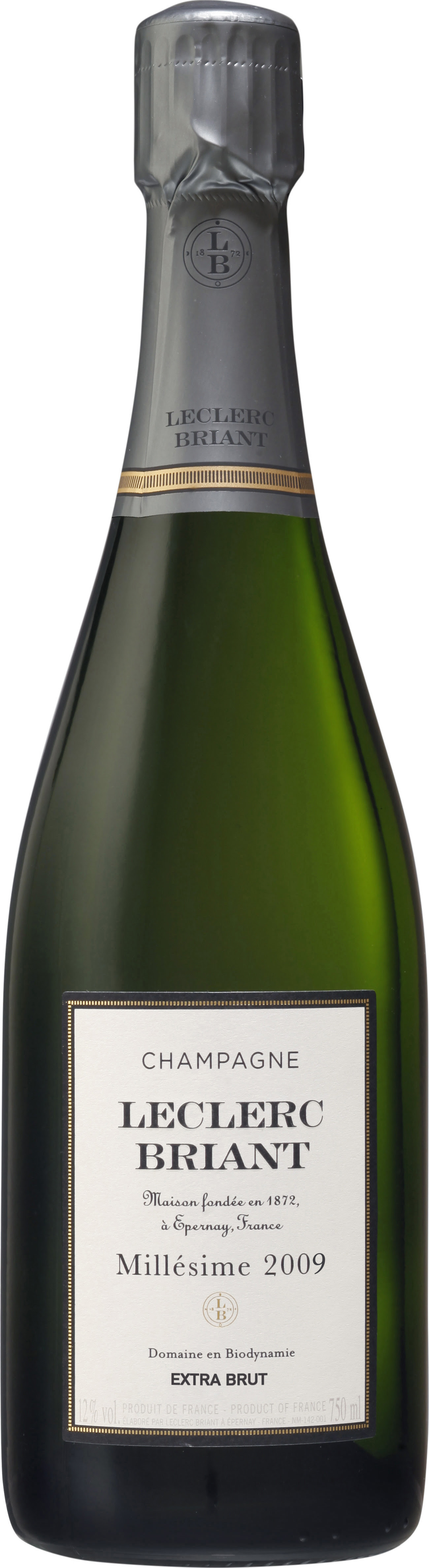 Their extensive cellars are more than a half of a mile in length and over 100 feet below the surface — ideal for maturing champagne.
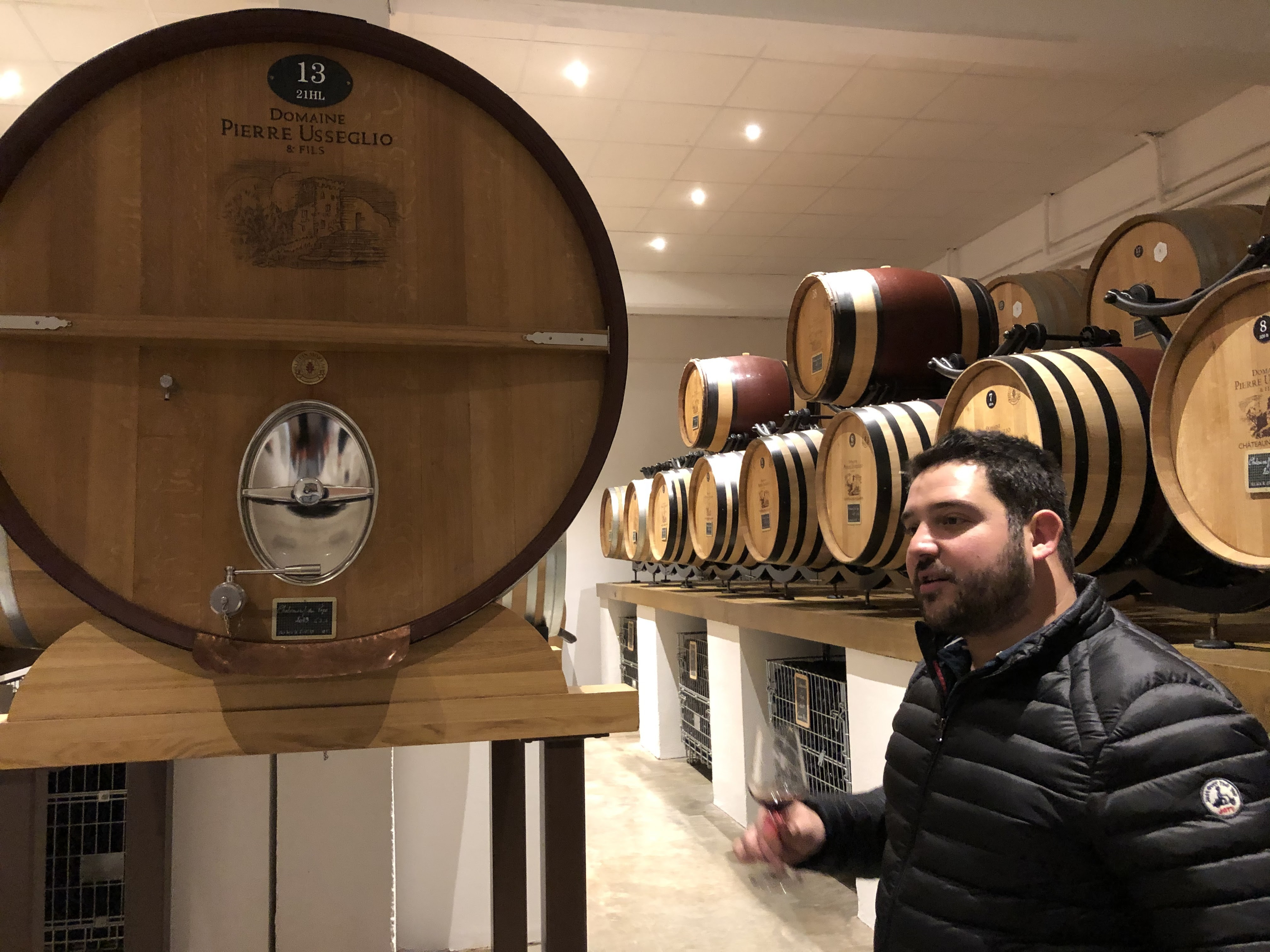 , the family estate, while Raymond went on to build his own remarkable winemaking operation. Today, Domaine Pierre Usseglio is run by Pierre’s two sons, Jean-Pierre and Thierry. Clearly, wine runs through the family’s veins.
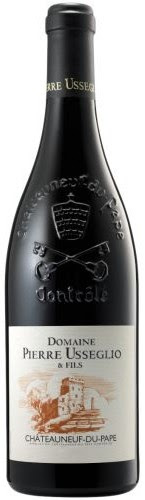 1 BOTTLE Châteauneuf-du-Pape (2016) RED, Regular Price: $62
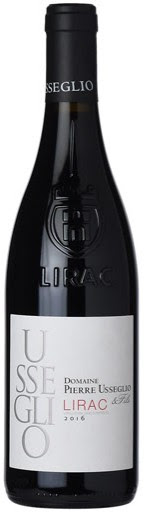 2 BOTTLES Lirac (2017) RED, Regular Price: $35
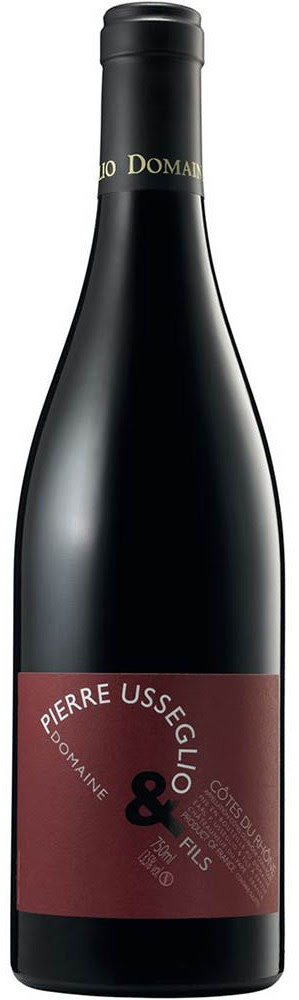 3 BOTTLES Côtes-du-Rhône (2016) RED, Regular Price: $30
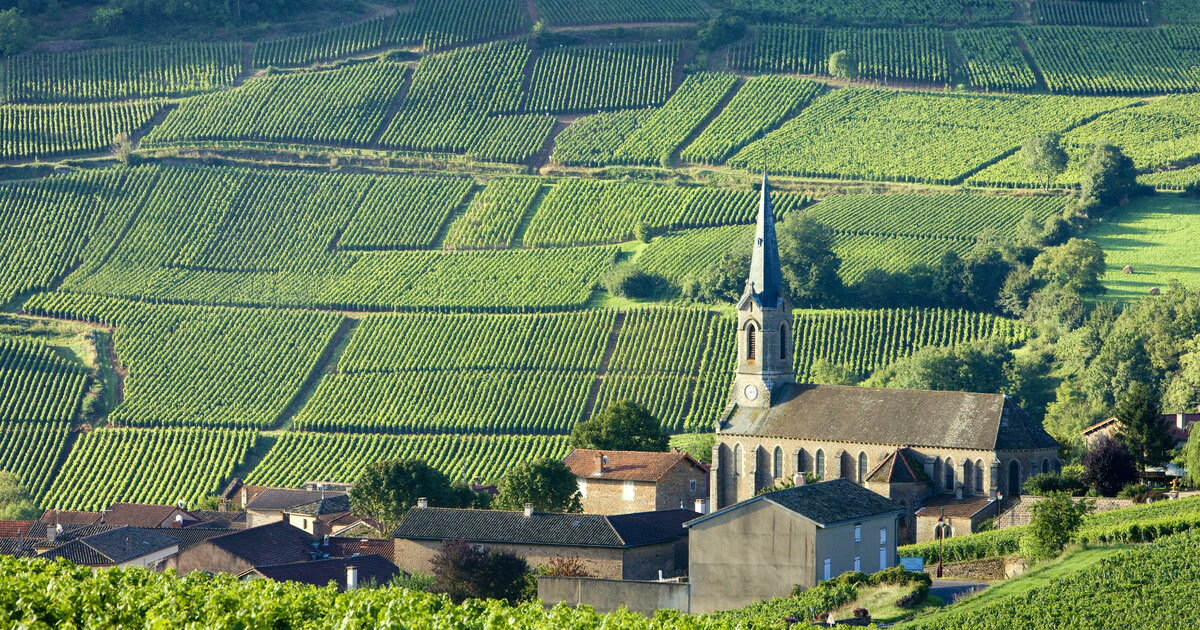 find excellent values by purchasing regional wine from the area’s top producers.
 “Les Grands Chaillots” (Bourgogne 2017) RED Regular Price: $45
 (Bourgogne Aligoté 2018) WHITE, Regular Price: $28
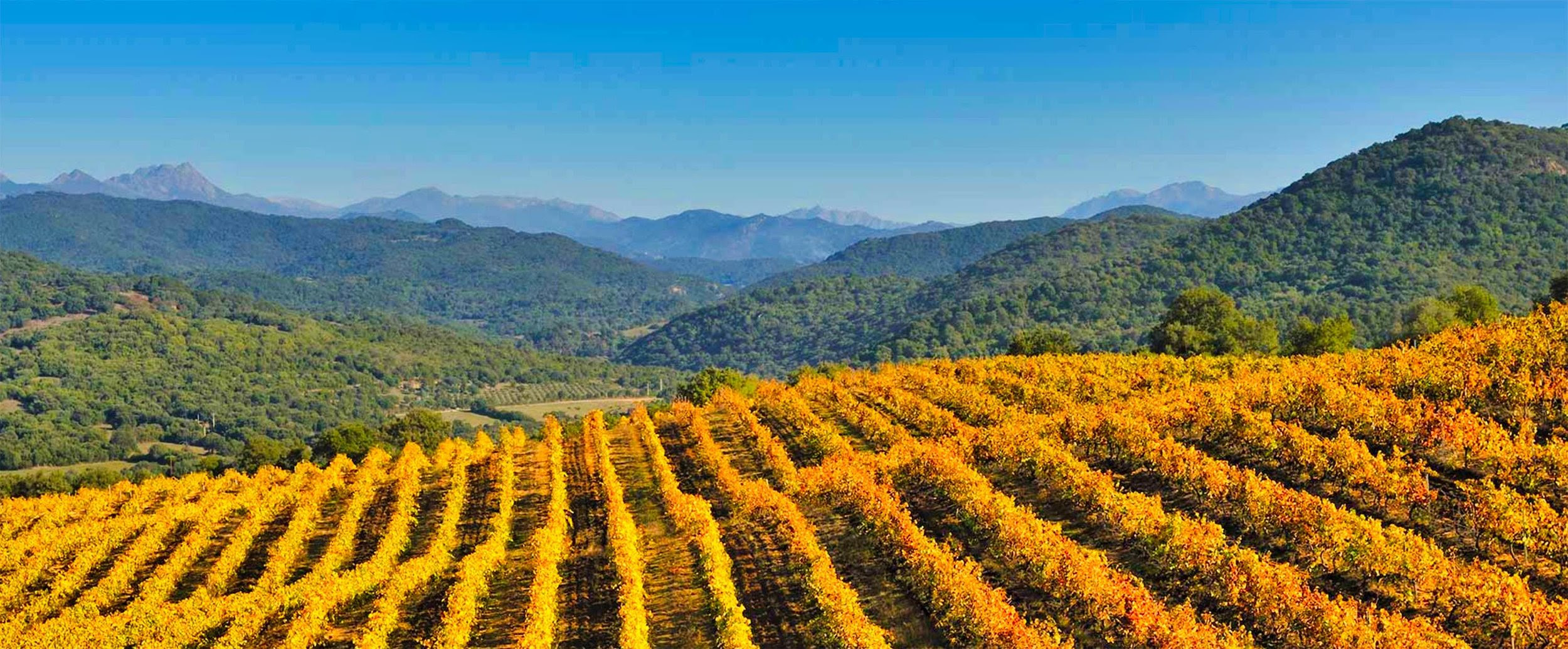 As France’s most southerly vineyard area, you might expect the wines of Corsica to be ultra ripe and high in alcohol. In fact, the island’s unique characteristics allow talented producers to achieve the type of depth and character found in some of the world’s most famous winemaking regions. While the Mediterranean sun easily ripens fruit to create warmth and richness, the moderating effects of wind and elevation keep the wines fresh and balanced.
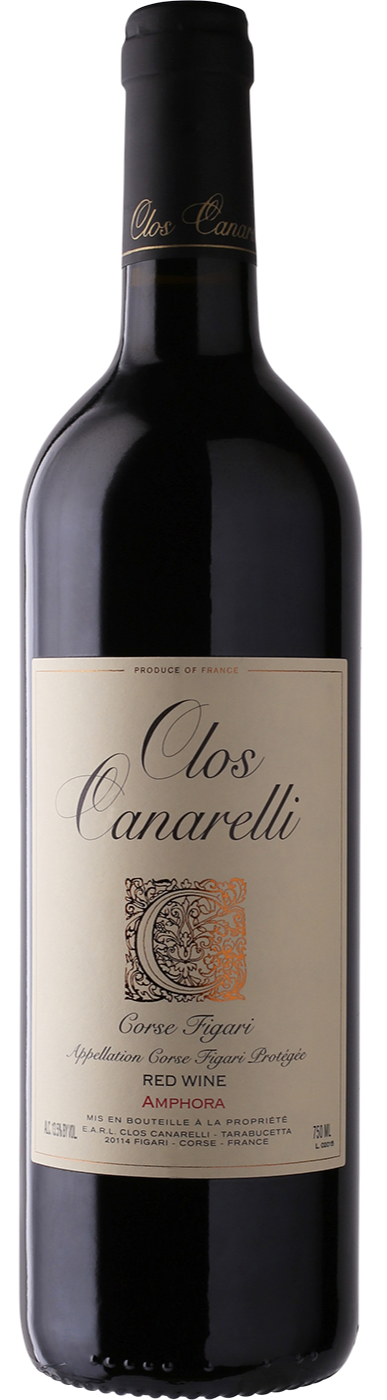 Clos Canarelli (Corse Figari 2016) RED, Regular Price: $49
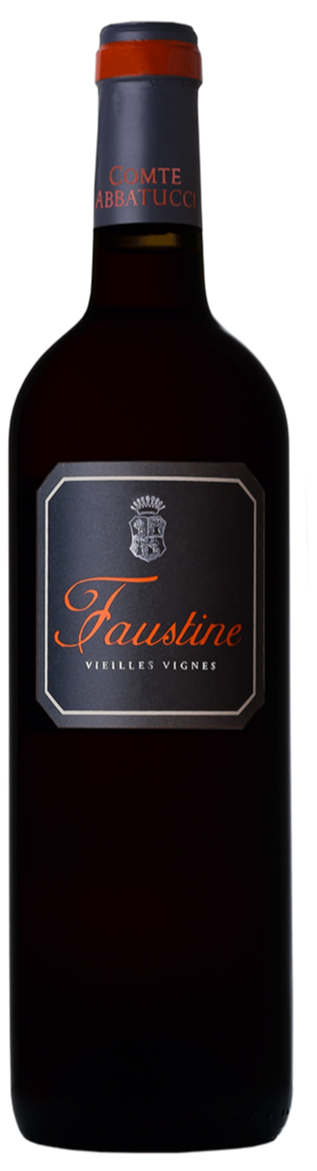 Domaine Comte Abbatucci “Cuvée Faustine” (Vin de France 2017) RED, Regular Price: $39
 Domaine Orenga de Gaffory “Cuvée des Gouverneurs” (Patrimonio 2017 ) WHITE, Regular Price: $39
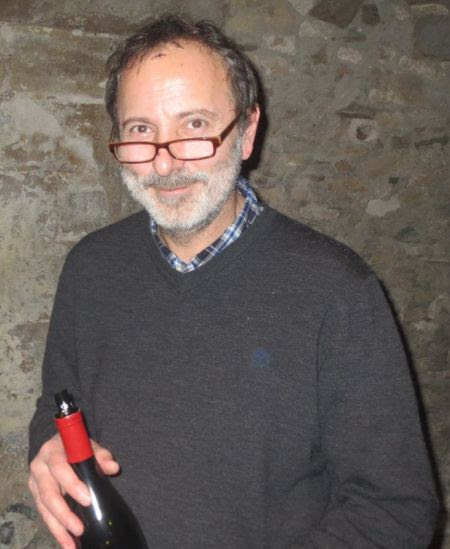 The estate is comprised of 50 acres, in a single block, on the heights of “lieu-dit Clavin” at the northern limit of Châteauneuf-du-Pape.
 1 BOTTLE “Les Hauts-Lieux” (Châteauneuf-du-Pape 2016) RED, Regular Price: $99
 2 BOTTLES “Lieu-Dit Clavin” (Côtes-du-Rhône 2019) WHITE, Regular Price: $42
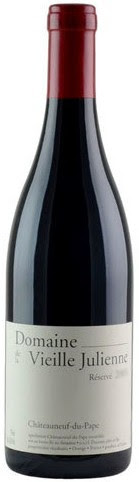 “Réservé” (Châteauneuf-du-Pape 2016) RED, Special Price: $289
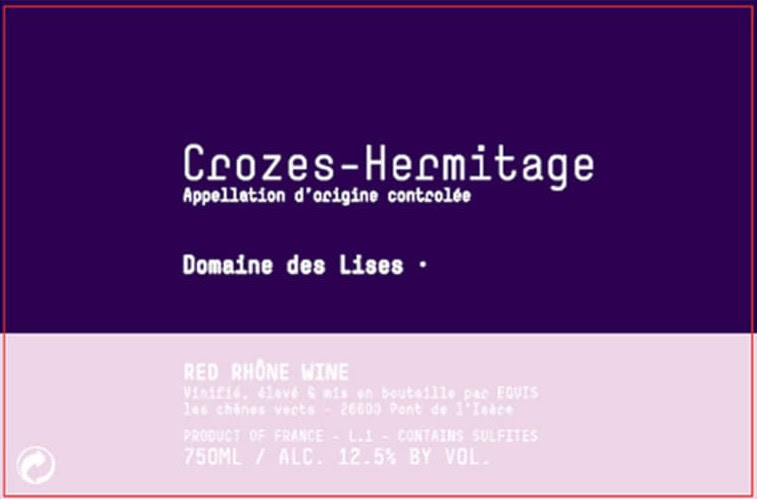 2 Bottles Domaine des Lises (Crozes-Hermitage 2017) Regular Price: $48
 2 BOTTLES “Prémices” (Cornas 2016) Regular Price: $40
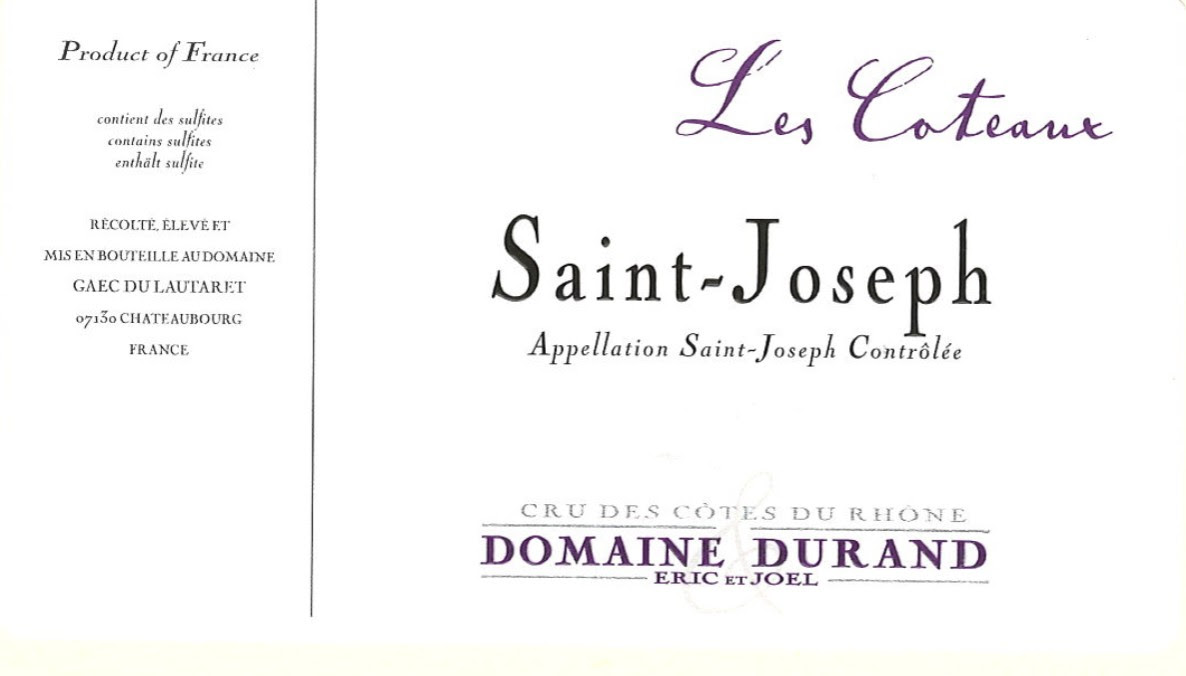 2 BOTTLES “Les Coteaux” (Saint-Joseph 2017) Regular Price: $36
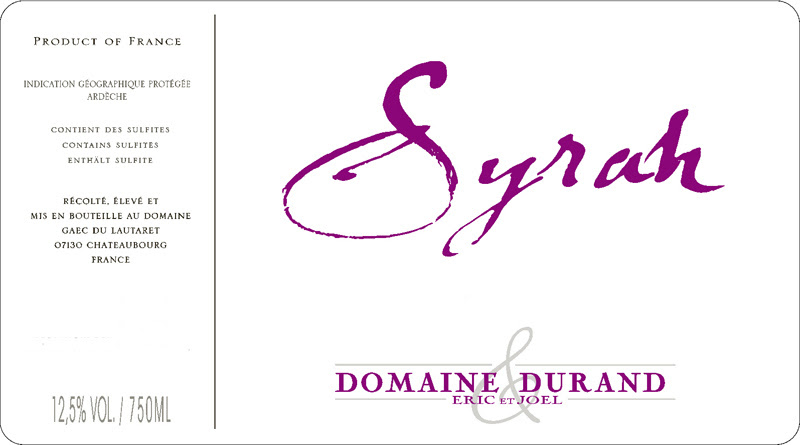 2 BOTTLES “Syrah” (IGP Ardèche 2018) Regular Price: $19
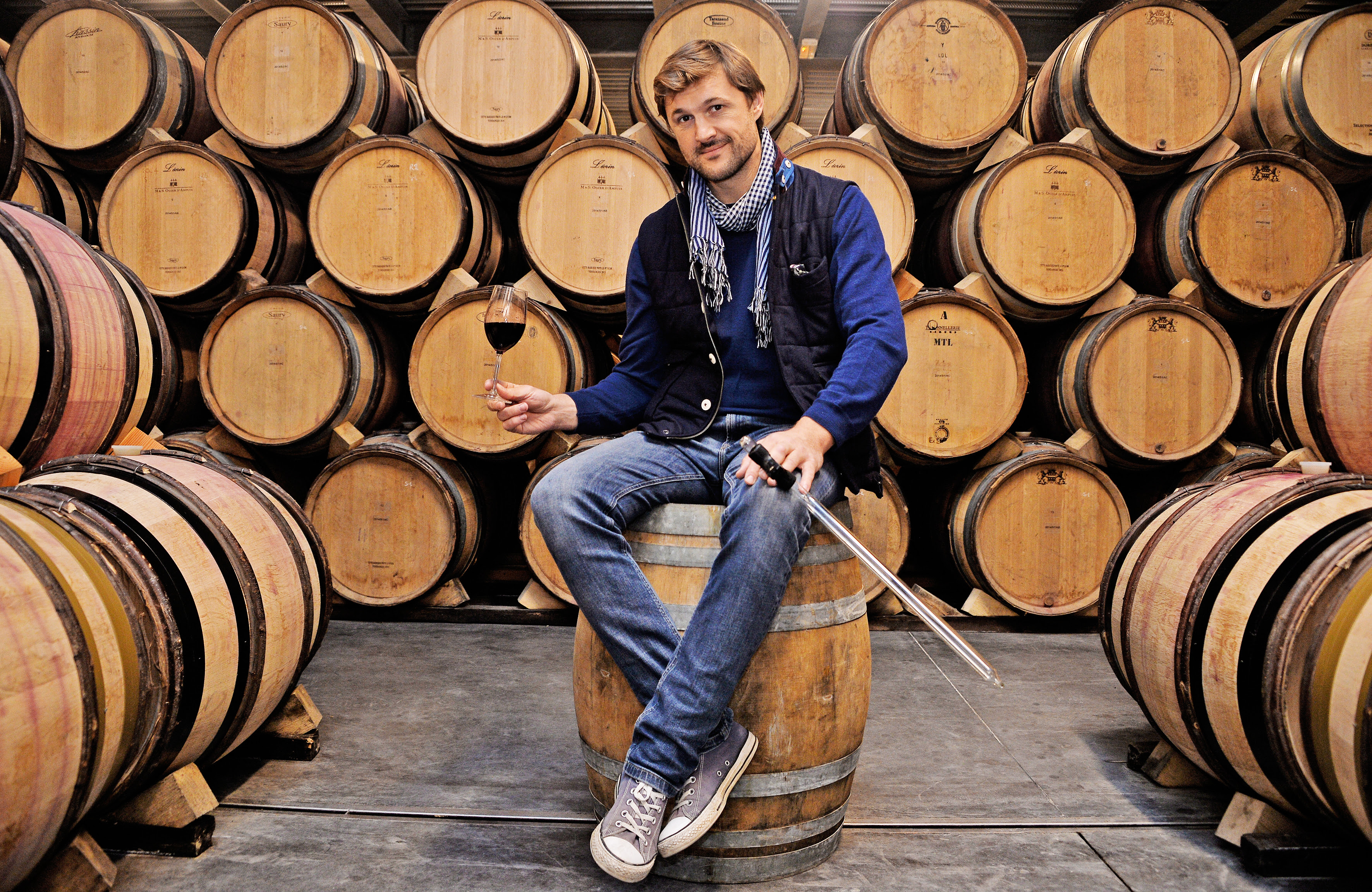 A seventh generation winemaker, Stéphane knew he wanted to follow in his father’s footsteps from a very early age. After studying viticulture and oenology in Beaune, he did practical training with some of the best winemakers in Burgundy and South Africa. In 1997 he took over the family estate.
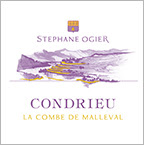 $89 “La Combe de Malleval” (Condrieu 2018)
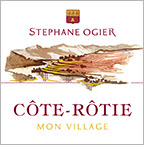 $80 “Mon Village” (Côte-Rôtie 2016)
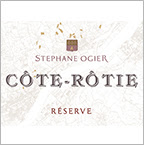 $153 “Réserve” (Côte-Rôtie 2015)
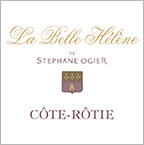 $531 “La Belle Hélène” (Côte-Rôtie 2015) 750ml
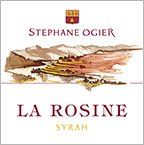 “Syrah La Rosine” (IGP Collines Rhodaniennes 2016) RED, Regular Price: $35
 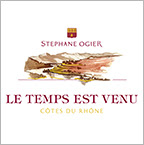 “Le Temps est Venu” (Côtes du Rhône 2017) RED, Regular Price: $22
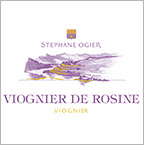 “Viognier de Rosine” (IGP Collines Rhodaniennes) WHITE, Regular Price: $40