The Loire Valley, the fabled stable for thoroughbred whites from Sancerre, Savennières and Vouvray, has often (and unfairly) been dismissed for its reds. In fact, cooler vintages of the past have sometimes resulted in erratic ripening, leading to thin, somewhat green-tasting reds made primarily from Cabernet Franc, Gamay, Malbec (here called Côt) and in the east—closer to Burgundy—Pinot Noir. But a gradually warming climate has made abysmal vintages increasingly rare, and coupled with overall improvements in viticulture, Loire has promoted its red wines from the chorus to a diva role, demonstrating as never before the potential that this marvelous appellation has to shine across the color spectrum.
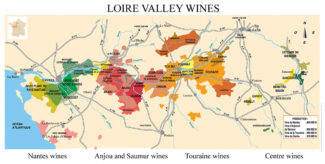
Although red wines have been produced in the Loire throughout history, four appellations have demonstrated the strongest claim to fame. As improvements are happening everywhere, these four are only getting better, ranging in style from candy-apple crisp to voluptuous, rich and age-worthy. From west to east, they are Anjou (also known for its world-class rosé), fashionable, fragrant Saumur-Champigny, complex and tannin-rich Chinon and crunchy, spicy Bourgueil. Take a leap across the A20 motorway and the forests of Vierzon and you’ll find yourself in a sea of Sauvignon Blanc; Sancerre has earned its undisputed place in the pantheon of French white wine, and the nearby, lesser-known appellation of Menetou-Salon is often cited as a potential rival. But Pinot Noir planted in the chalky soils of Eastern Loire is finally coming into its own, both in quality and reputation. From certain producers, these succulent, fruit-driven reds crackle with acidity that shines through depths that are approaching those of Burgundy.
Six red wines from a choice of the best producers of Loire, ‘The Garden of France’, are featured in this week’s package (6-Bottle Pack $259, All Included)
Anjou
Anjou sprawls across 128 communes, mostly south of the towns of Angers in the west and Saumur in the east. Monasteries played the largest role in developing Anjou’s wine trade, as each enclave had its own walled vineyard, but it was French royalty who secured the region’s reputation, beginning nearly a thousand years ago when Henry Plantagenet became King Henry II of England. Anjou’s terroir is a matter of black and white: it’s divided into two subsoils as different as day and night. First, Anjou Noir, composed of blackish, dark, schist-based soil along the south-eastern edge of the Massif Armoricain, then, Anjou Blanc, lighter-colored soils made up of the altered chalk at the south-western extremity of the Paris Basin.
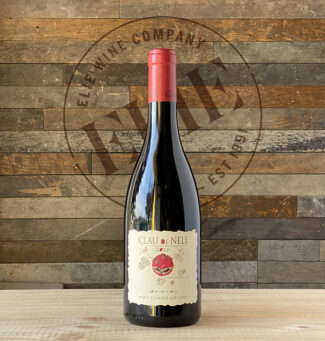 Clau de Nell is also centuries old, but its modern era began in 2008 when Anne-Claude Leflaive (owner and winemaker at Burgundy’s famed Domaine Leflaive) discovered the 20-acre property while on a promotional tour of her biodynamic approach to viticulture. She purchased the domain, finding the situation ideal: a south-facing knoll 295 feet above sea level, from which the Atlantic Ocean—75 miles away—is visible. The vines are planted in sandstone and red flint overlaying the soft limestone ‘tuffeau’ indigenous to the region; they range in age from 30-90 years. 2016 Clau de Nell “Cabernet Franc” ($59) has reached a prime drinking age; it shows rich, jammy raspberry and dusty pencil graphite, but tension on the palate is sustained as the acids remain charged and energetic.
Clau de Nell – www.claudenell.com
Saumur-Champigny
Saumur has been a major focal point for the commercial wine trade since the 12th century, when (under Henry IV) it was the Huguenot capital. As an appellation, its terroir is rich in Loire’s characteristic calcareous rock, much of which was quarried over the centuries, leaving ideal cellars for aging Saumur wines. The hyphenated Saumur-Champigny is reserved for the 8 communes closest to the city of Saumur, and is restricted to around 3,700 acres, generally hilltop vineyards buffered against the west winds. It produces somewhat exclusive wines, representative of Saumur’s finest reds. Saumur-Champigny built around a firm foundation Cabernet Franc, with smaller additions of Cabernet Sauvignon and Pinot d’Aunis permitted.
 For a region dotted with beautiful historic homes, Château du Hureau is one of the few wine-producing châteaux among them. It is considered a top producer of Saumur-Champigny, with a milieu that is as breathtaking as the vineyard view, including the octagonal tower with mansard roofs and boar-headed weathervane from which the property derives its name. The estate contains multiple terroirs, and releases examples of each as ‘parcellaires’—wine from exclusive parcels. 2014 Château du Hureau ‘Lisagathe’ ($44) is named for fourth-generation winemaker Philippe Vatan’s two daughters Lisa and Agathe; it is made only in exceptional vintages. And only from selected portions of the estate’s best vineyards, located above the underground cellars. Full of mint-fresh young fruit, the wine expresses the classic smokiness of the AOP, with elegant undertones of chalk, flowers, pencil shavings and velvet-smooth tannins.
Château du Hureau – www.chateauduhureau.com
Bourgueil
As Loire is known affectionately as ‘the garden of France’, Bourgueil has been christened ‘the birthplace of Cabernet Franc’, which has been cultivated at the Abbey de Bourgueil since it was built on the Roman main road from Angers to Tours. Today, the appellation covers seven communes in the Indre-et-Loire along the right bank of the Loire, where it enjoys a remarkable microclimate due to the heavy forests that protect the vineyards from the north wind. Soil also cooperates; there are three distinct types: The islets of gravel in the alluvial terraces of the Loire on higher terraces, ancient, glaciated sand and clay/limestone soils from the ridge running along the north of the appellation. It is one of the few appellations in the Loire that produces predominantly red wines.
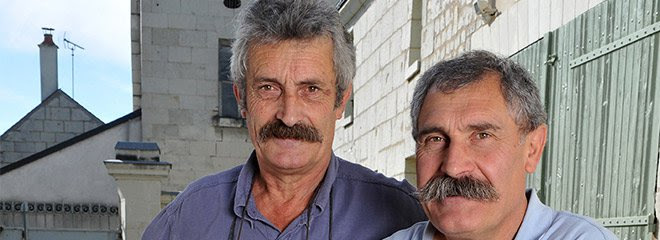
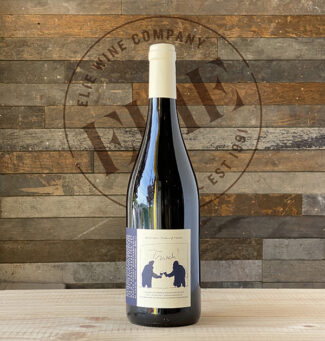 Catherine and Pierre Breton have been coaxing superlative wines from this terroir for decades; they cultivate 35 acres in the village of Restigné, just east of Bourgueil. Poetically, they grow mostly Cabernet Franc—the local term for this varietal is ‘Breton.’ Pierre remains the principal cellar master, although Catherine makes a series of cuvées under the label ‘La Dilettante.’ These wines are into three categories: Natural (for easy, early consumption), Classic (representing a profile of the appellation) and Wines of Terroir (vinified by individual parcel). 2018 Breton ‘Trinch!’ ($24) is an example of the former, produced from young-vine Cabernet Franc and referred to as ‘bistro-style’ for its quaffability. Indeed, ‘Trinch!” is a German variation on ‘cheers!” Lively, crisp and filled with juicy cranberry notes above an herbal-tinged core. A wine best enjoyed slightly chilled on any delightful and non-pretentious occasion.
Domaine Catherine & Pierre Breton – www.domainebreton.net
Chinon
Playwright François Rabelais (a Chinon local boy made good) wrote, “”I know where Chinon lies, and the painted wine cellar also, having myself drunk there many a glass of cool wine.” That wine was likely red: though capable of producing wines of all hues, Chinon’s focus is predominantly red; last year, white and rosé wines accounted for less than five percent of its total output. Cabernet Franc is king, and 95% of the vineyards are thus planted. Rabelais’ true stage was set 90 million years ago, when the yellow sedimentary tuffeau, characteristic of the region, was formed. This rock is a combination of sand and fossilized zooplankton; it absorbs water quickly and releases it slowly—an ideal situation for deeply-rooted vines.
 The Baudry family is also deeply-rooted in Chinon, although their education spans appellations outside the Loire, and extends as far in the wild red yonder as Tasmania. Bernard Baudry, the patriarch, studied oenology in Beaune and worked as a vine-tending consultant at Tours. His son Mathieu studied in Mâcon, then in Bordeaux after the year he spent working in Tasmania and California. The Baudry domain covers 80 acres across the AOP Chinon with additional parcels in Cravant les Coteaux; 90% of the property is planted to Cabernet Franc with the remaining to Chenin Blanc. Both father and son refer to the 2018 vintage as “Magnifique!” with a mild winter and springtime producing enough rainfall to recharge the groundwater which fell after a dry 2017. 2018 Baudry ‘Les Grézeaux’ ($25) pays homage to the gravelly soil beneath the parcel; earthy and rich, the wine showcases Cabernet Franc’s meatier persona. A rustic wine with great concentration and delightful spice, winemaker Baudry considers ‘Les Grézeaux’ to be textbook Chinon.
Domaine Bernard Baudry – www.bernardbaudry.com
Menetou-Salon
Unlike Loire’s ‘Big Four’ red wine appellations, Menetou-Salon produces mostly white wine, predominantly from Sauvignon Blanc. And unlike the Cabernet Franc-dominated reds from the west side of the river, the reds of Menetou-Salon are made from Pinot Noir, which expresses itself in light and strikingly fragrant wines. Extending across ten villages, the soils are predominantly Kimmeridgian limestone sediment. The climate here in the Central Loire is described as temperate with continental influences and wide variations in seasonal temperatures. Spring frosts—one time quite dangerous for finicky Pinot Noir—are becoming increasingly rare, leading to an explosion of popularity for these wines, much more reasonably priced than those from neighboring Burgundy.
 M. Rabelais is not the only playwright connected with Loire wines; at the helm of Domaine Philippe Gilbert is Philippe himself, a ‘dramaturg’ (his description) who has written and produced for the stage. Today he is a winemaker foremost, having returned to the village of Faucards in Menetou-Salon to run the family estate, a winery whose history dates back to 1778 and his forefather Francois Gilbert. His 67 acres, sprinkled across prime sectors throughout Menetou-Salon, make it one of the most representative of the appellation. 2019 Domaine Philippe Gilbert ‘Hors Série’ ($37) comes from a parcel of Pinot Noir planted in 1980 by Philippe’s father; it opens beautifully, with a flamboyant and complex nose, still restrained in youth, but offering great potential behind cherry, spice, smoke and mineral-imbued flavors in a toasted oak frame.
Domaine Philippe Gilbert – www.domainephilippegilbert.fr
Sancerre
To many, red Sancerre sounds like an oxymoron, but connoisseurs know that a quarter of Sancerre’s vineyards are Pinot Noir. Like so many French wine regions that had the rug pulled out from beneath them during the phylloxera blight of mid-19th century, Sancerre found itself having to replant all its vineyards, which had—up to that time—been a red-wine producing zone; Pouilly Fumé, just across the river, was the Sauvignon Blanc powerhouse. For a multitude of reasons, most of the estates replanted using that varietal, and as the white wines of Sancerre soon eclipsed those of her sister commune, there was not much incentive to look back. The reds became an afterthought, and Pinot Noir is not the sort of grape that suffers scorn easily. In the ‘90s, however, certain producers (notably Alphonse Mellot Jr.) began to experiment with lower and more selective yields, and since then, the quality has improved astronomically.
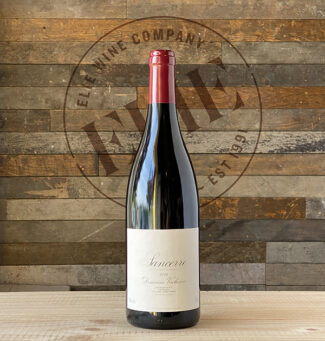 Cousins, Jean-Laurent and Jean-Dominique Vacheron have no issue learning from the masters; having converted entirely to biodynamic viticulture in 2005, they have opted to use techniques from the Burgundy playbook to encourage the most potential from their scant thirty acres of Pinot Noir, which sits primarily on flinty silex soils. 2018 Domaine Vacheron ($56) is nicely structured with focused plum and sour cherry in the mid-palate and a rich, pure and persistent finish.
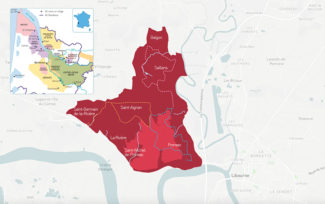 The Right Bank itself boasts a number of exalted châteaux, of course, especially within Saint-Émilion and Pomerol. But it also contains phenomenal, lesser-known ‘satellite’ appellations which—in part by existing within the fame-shadow of Right Bank superstars like Château Angélus and Cheval Blanc—produce excellent wine whose prices are more in accord with content. One such example is Fronsac, known as ‘the Tuscany of the Gironde’ for its spectacular hillside vineyards overlooking the gentle Dordogne and the river Isle. The wines of
  Foreign ownership is by no means rare in Fronsac; fully 13% of the châteaux are owned by Chinese investors—a higher percentage than any other Bordeaux wine appellation. Although
  Through two centuries and seven generations of vignerons, a single family has seen this estate through the thick of mid-18th century (when the wines of Fronsac rivaled those from nearby Saint-Émilion and Pomerol in both price and reputation) to the thin of the phylloxera plague of 1850 – 1870 which saw many of the hillside vineyards abandoned or neglected. Octave Trocard, at the helm of Villars at the turn of the 20th century, having won a gold medal at the 1907 World’s Fair in Antwerp, perished in World War I and left the property to his two daughters. It was their tutor who looked after the estate until the girls came of age, and in 1934, the eldest daughter married Jean-Jacques Gaudrie, who set about a quest to recapture the
  Nestled in the heart of the fiefdom where Charlemagne once built fortresses, the history of
 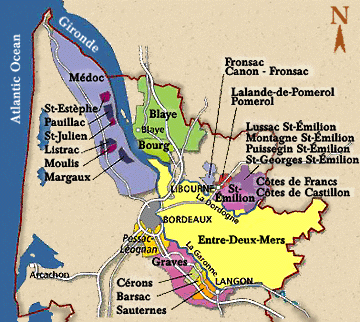 the soils of mainly clay and limestone that cover the “Right Bank” Bordeaux appellations of Pomerol and Saint Émilion are capable of producing wines that reveal the complete range of the Merlot variety and are the reference points for the rest of the world.
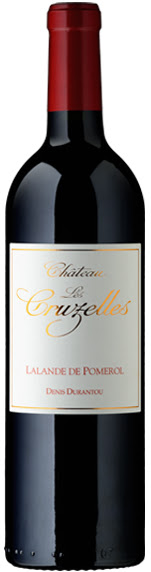 Lalande de Pomerol
 Castillon – Côtes de Bordeaux
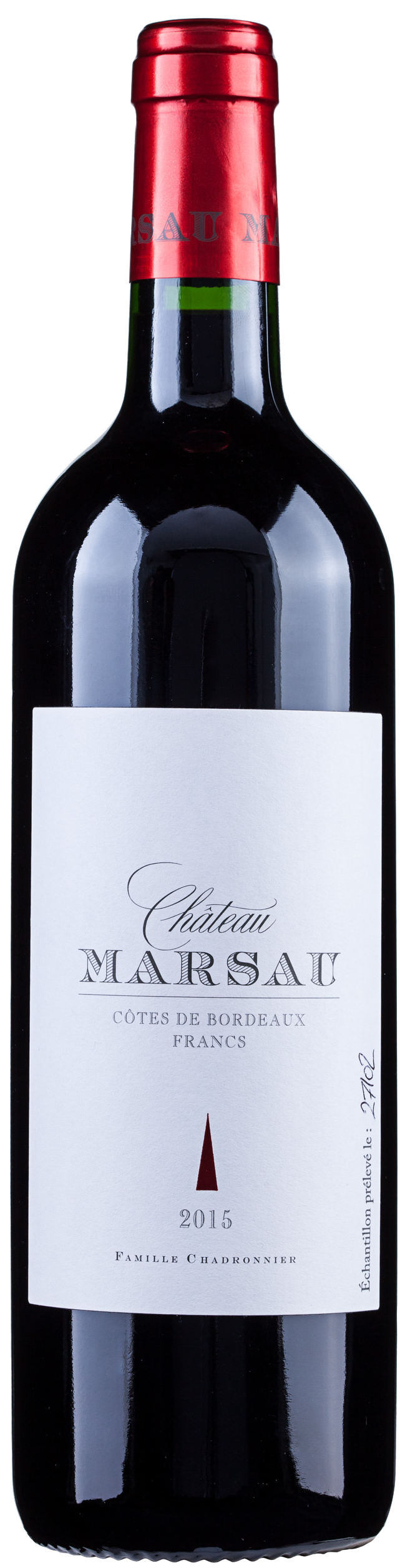 Francs – Côtes de Bordeaux
 Fronsac
 Montagne Saint-Émilion
 Blaye – Côtes de Bordeaux
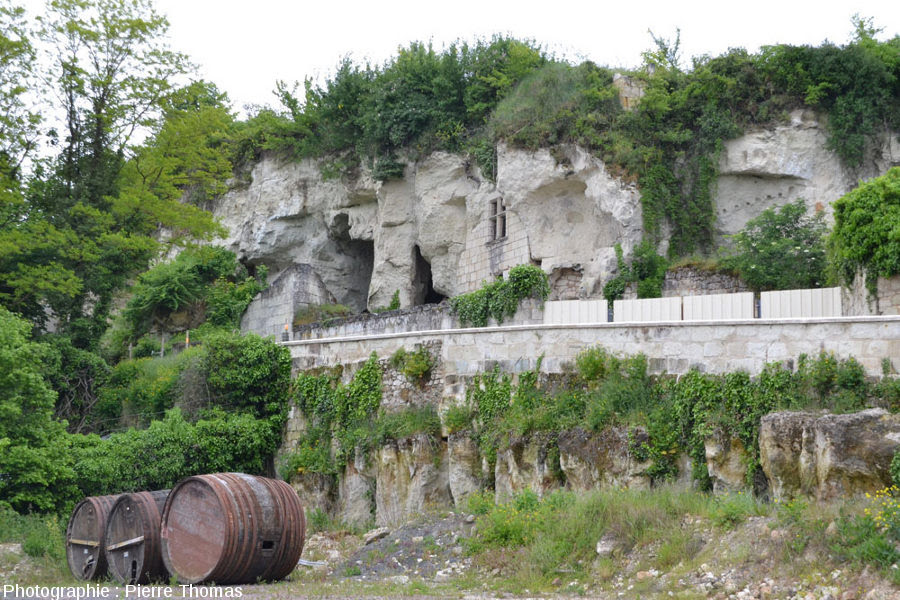 The generous and celebrated local supplies of malleable limestone (tuffeau) are responsible for both grand old castles and Cabernet Franc-based wines that are lively and bursting with juicy black raspberry fruit. Yet the soils are as varied as the expressions of Cabernet Franc that come from these areas with the potential to produce France’s most refreshing, elegant, and profound versions of this grape variety. The center of it all are the appellations of Saumur-Champigny, Chinon, and Bourgeil, three of the most important sub-regions for red wine production in the Loire — all producing 100% Cabernet Franc wines.
 Château du Hureau “Fours à Chaux” (Saumur-Champigny 2014) Regular Price: $35
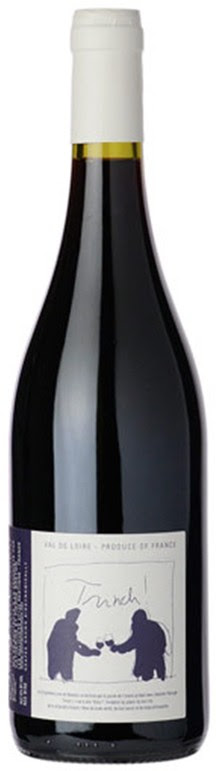 Catherine & Pierre Breton “Trinch” (Bourgueil 2018) Regular Price: $27
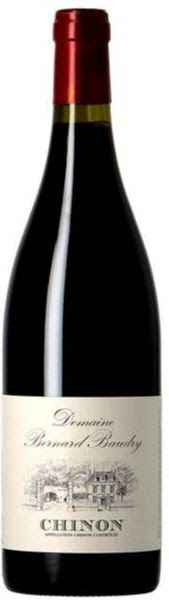 Domaine Bernard Baudry “Le Domain” (Chinon 2018) Regular Price: $24
 enough to pair with grilled meats and possibly even satisfy the most ardent red wine drinker.
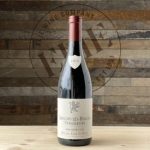
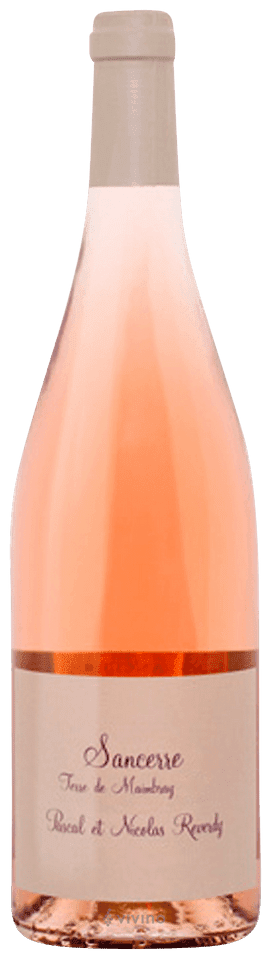 Pascal & Nicolas Reverdy “Terre de Maimbray” (Sancerre 2019) Regular Price $32
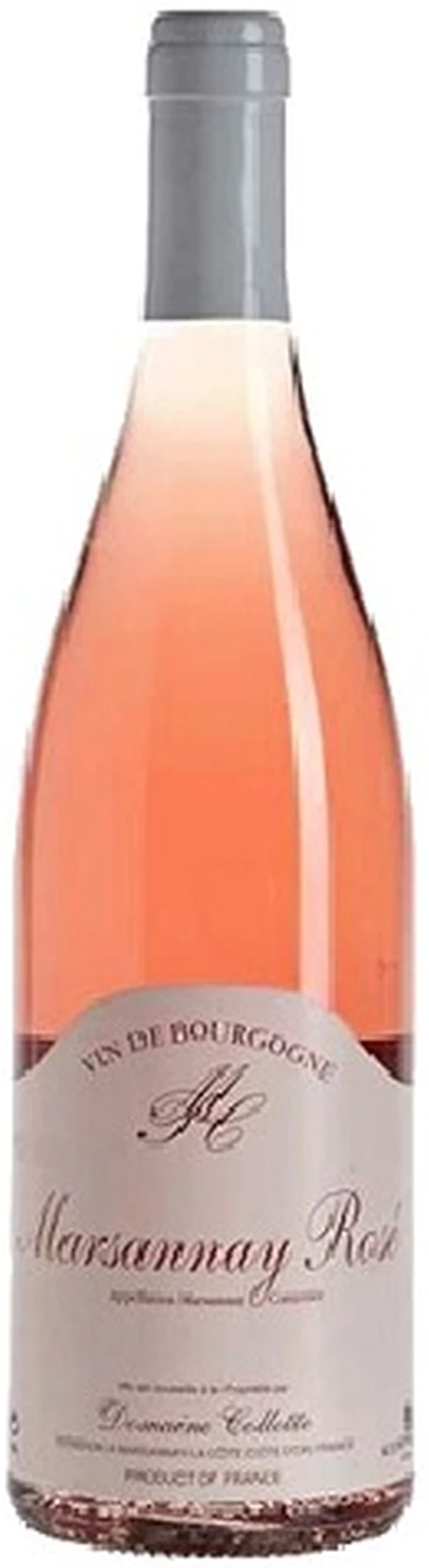 Domaine Collotte Rosé (Marsannay 2019) Regular Price $24
 Pierre-Marie Chermette “Griottes” (Beaujolais 2019) Regular Price $19
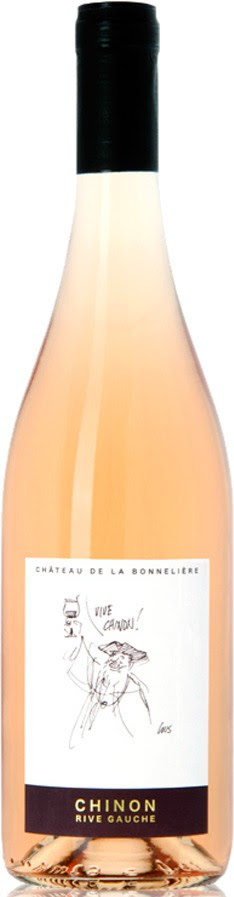 Château de la Bonnelière “Rive Gauche” (Chinon 2019) Regular Price $18
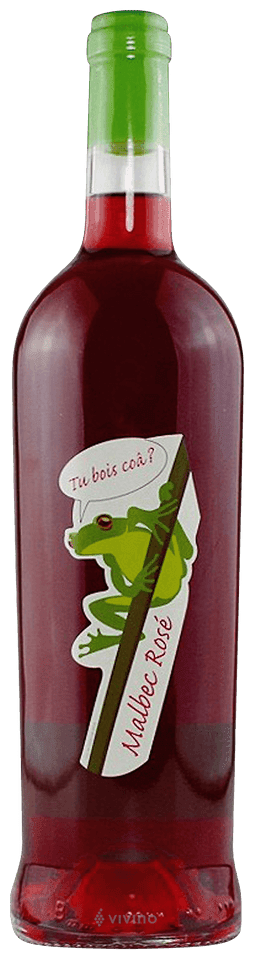 Domaine La Bérangeraie “Malbec Rosé” (IGP Côtes du Lot 2019) Regular Price $14
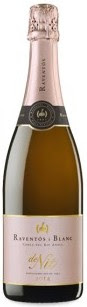 Raventós i Blanc “de Nit” (cru Conca del Riu Anoia 2017) Regular Price $30
 It is one of the oldest active wine producing appellations in the Bordeaux region with a history that dates back to ancient Romans. It was the home of the famous Roman poet and wine lover, Decimus Magnus Ausonius, who served as the inspiration for the name of the now famous Château Ausone.
 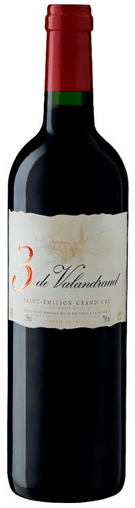 Château Valandraud “3 de Valandraud” (Saint-Émilion Grand Cru 2016) Regular Price $44
 Château Rol Valentin “Les Valentines” (Saint-Émilion Grand Cru 2016) Regular Price $37
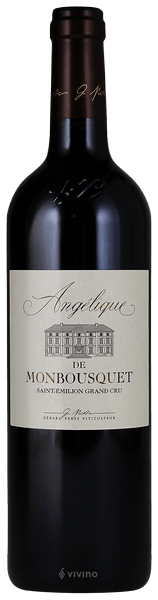 Château Monbousquet “Angélique de Monbousquet” (Saint-Émilion Grand Cru 2015) Regular Price $29
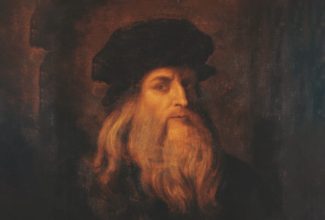 Perhaps a lesser known fact is that da Vinci owned several vineyards in central and northern Italy. His letters to friends, family, and farm managers show that he was an ardent wine taster, producer, and even cultivator.
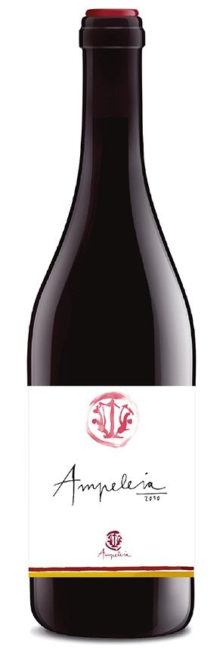 1) Ampeleia Cuvée “Ampeleia” (IGT Costa Toscana 2015) Regular Price $47
 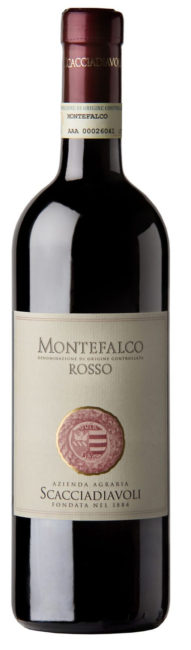 2) Scacciadiavoli Montefalco Rosso (DOC 2016) Regular Price $28
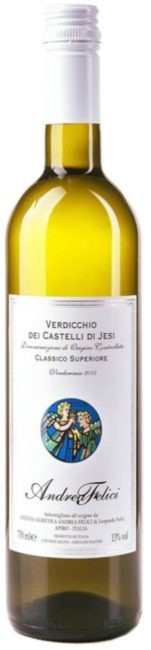 3) Andrea Felici “Verdicchio dei Castelli di Jesi Superiore” (DOC 2013) Regular Price $19
 The price includes tax and delivery, as well as a 10% discount. We will also honor the 10% discount on any bottles you might wish to add to the Wine-Aid package.
 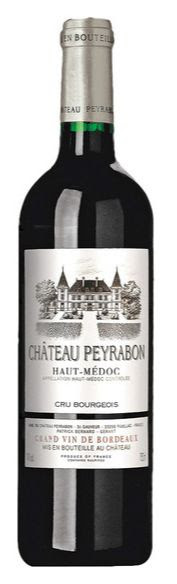 1) Château Peyrabon (Haut-Médoc 2015) Regular Price $25
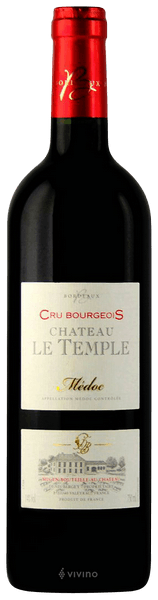 2) Château Le Temple (Médoc 2015) Regular Price $21
 3) Château La Hase (Bordeaux 2015) Regular Price $15
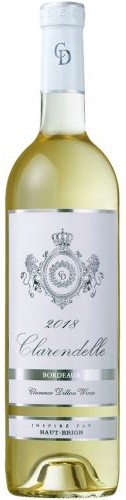 4) Clarendelle Blanc (Bordeaux 2018) Regular Price $23
 The price includes tax and delivery, as well as a 10% discount. We will also honor the 10% discount on any bottles you might wish to add to the Wine-Aid package.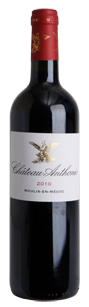
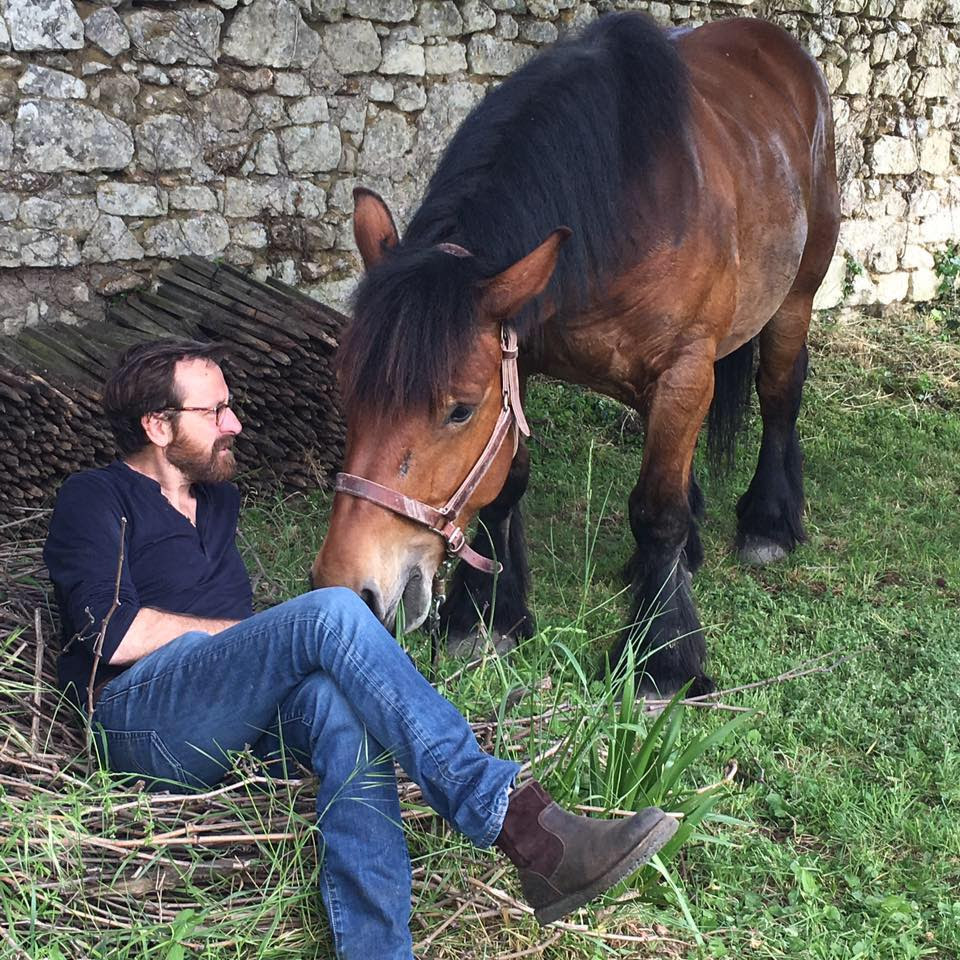 Raised in Saint-Émilion, Bordeaux, at the family winery of Château Yon-Figeac, Thierry set out on his own at the tender age of 23 to make his name in the more challenging climate of northern France. Although receiving accolades nearly from the start, his winemaking style has gone through several stages of metamorphosis over the years, ultimately eschewing new oak and blowsy fruit for precision and sense of place. Thierry believes that the wines he has made over the past four vintages truly exhibit the highest expressions of Saumur.
 ~$22 “Thierry Germain” (Saumur-Champigny 2016)
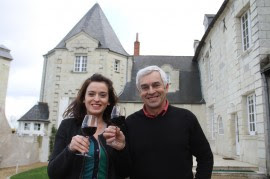 The varying layers of topsoil (it’s either fertile clay or a sandy type of soil) and diverse sun exposure affect every plot’s personality, expression, and importance in their various cuvées. The wines are vinified in a cave carved out of the tuffeau cliffs centuries ago. The wines see long fermentations with indigenous yeasts. The élevage lasts from 10 to 20 months deep in the tuffeau cellars in a combination of demi-muids and foudres.
 a deep bed of limestone overlain with different topsoils. The vineyards are located in Chacé, between Tours and Angers, and cover 25 acres in the Saumur and the Saumur-Champigny appellations.