Posted on Leave a comment

Saturday Sips Review Club March 2021 Selection (6-Bottle Package, $288) Provence’s Standout Cru: Bandol with Four Masterful Producers

Charming Provence. Between olive groves and pine forests the rocky landscape is wild with the fragrant garrigue that marks its wines. This picturesque southern French region on the Côte d’Azur is famous for its rosé, but with a little bit of digging, and some guidance from your favorite local wine merchant, you can find some of France’s most structured, age-worthy red wines. Although relatively small, Bandol is easily Provence’s most important appellation.
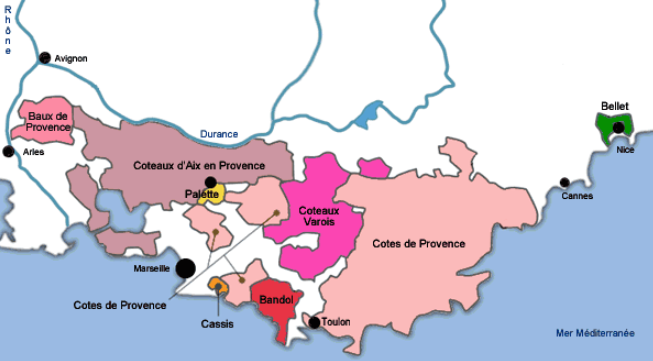
Bandol wine is grown in small quantities in the limestone hills near the village of Bandol, east of Marseille and west of Toulon. It’s sun-soaked southerly terraces brushed with Medditerranean breezes are ideal for cultivating Mourvèdre — a grape variety with one of the longest growing cycles, but when fully ripened has the potential to create some of the most substantial and long-lived wines on our pale blue dot. Being one of mainland France’s driest, sunniest climates, fungal diseases are not the perennial threat they are elsewhere, making the region well-suited to organic viticulture. Bandol red wines must be at least 50 percent Mourvèdre, with the remainder generally blended with the classic grapes of the Mediterranean: Grenache, Cinsault, Syrah, and Carignan.

We are pleased to offer a selection of exceptional wines that speak of sunny Provence. Included in the package are wines from Bandol’s top producers, with five bold and meaty red wines that you can enjoy now or ten years from now, and a rare white Bandol.

Included in Saturday Sips Review Club March 2021 Selection 6-Bottle Package are one each of the following wines:
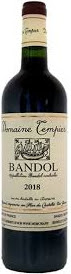
Domaine Tempier 

One of the oldest family-run estates in the region, Domaine Tempier is also the most recognized. The family was largely instrumental in getting the appellation of Bandol established in 1941. Bandol RED 2018 (Regular $56) is the quintessential expression of Mourvèdre, grown on terraced vineyards on steep hills around the “plan du Castellet.” The wine is full of fruit and earthy flavor, coupled with fine-grained tannins, and a complexity from the multiplicity of soil types that surround the estate, from pure limestone to ancient sandstone and limestone marls. The wine is a blend of Mourvèdre (around 75%), with Grenache and Cinsault, and, in small proportions, Carignan and Syrah, with vines at an average of 35 to 40 years old.
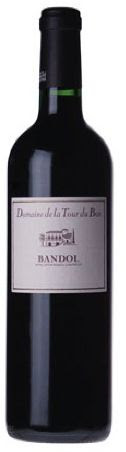
Domaine de la Tour du Bon 

Agnès Henry is the winemaker and owner of Domaine de la Tour du Bon. Although the estate has been in the family since 1968, it is Agnès that has cemented its current acclaim. Her 42 acres are a mix of red earth, clay, sand, and gravel that all rest atop a limestone plateau near the village of Le Brûlat. Agnès calls her Bandol RED 2016 (Regular $38) true “blood of the earth.” The blend is 53% Mourvèdre, 27% Grenache, 10% Cinsault, and 10% Carignan from extremely low-yielding vines. The Grenache adds a light cherry fruit to balance out the striking power of the Mourvèdre, while the small additions of Cinsault and Carignan work to bind the two main varieties.
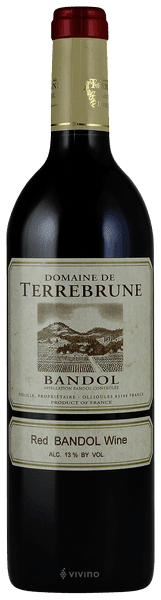
Domaine de Terrebrune

Reynald Delille heads this lauded estate nestled among the foothills of the limestone massif of Gros Cerveau. Certified organic, the estate’s terroir is characterised by the presence of limestone in its brown clay soil which inspired the estate’s name. With Mourvèdre accounting for 85% of the final assemblage, Reynald’s Bandols have an ethereal quality to them — the vineyards lie directly in the path of marine breezes that sweep off the Mediterranean, providing his wines with a mouthwatering saline quality. Bandol RED 2016 (Regular $54) is a fine example. With flavors of black fruit, anise, and wild herbs, its rich texture seems effortless, and its minerality profound. Bandol WHITE 2019 (Regular $41) is a blend of Clairette, Ugni Blanc, and Bourboulenc that shows remarkably subtle ripe peach and pear notes that are balanced with a refreshing, herbal greenness.
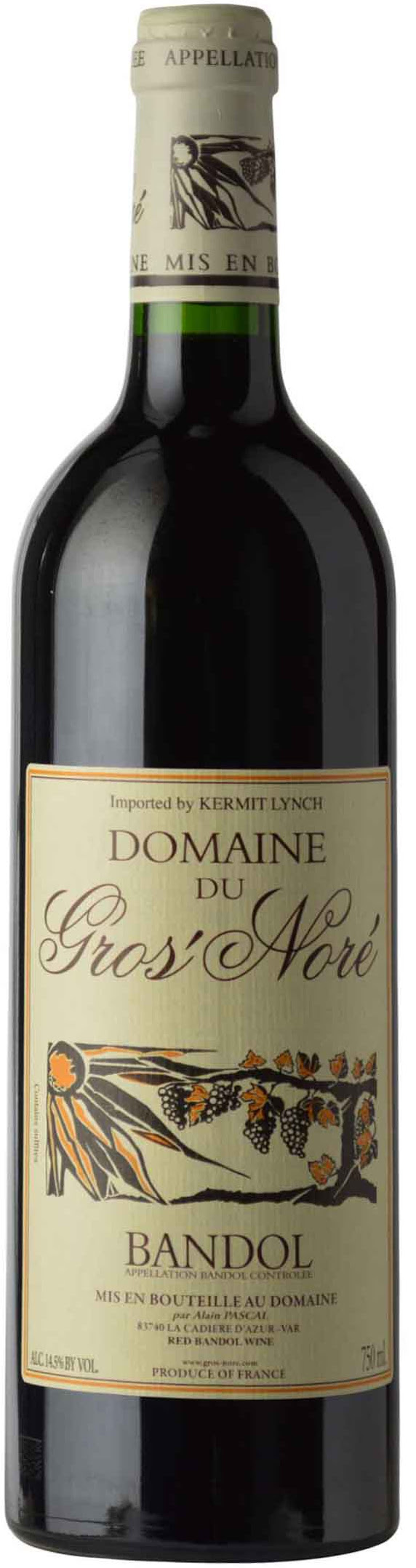
Domaine du Groś Nore 

Born in a small house set among the vineyards of Bandol, Alain Pascal always knew he wanted to be a farmer. He bottled his first estate wines in 1997. From the very beginning, Alain produced his wines with minimal intervention — bottled without filtering and fermented with indigenous yeasts. Cultivation is essentially organic, as no chemicals are used on the vines. To provide power and concentration, Alain uses 80% Mourvèdre in Bandol RED 2016 (Regular $47), his flagship cuvée. The rest of the blend is 15% Grenache and 5% Cinsault. The wine is fermented in stainless steel vats and then aged for 18 months in large oak foudres. It has a lovely, elegant nose of jellied black cherry fruit and mediterranean herbs. It’s bold yet supple on the palate with concentrated fruit, clean earth, stone, and refined tannins. Bandol RED 2011 (Regular $79) has a few years of maturity. The 2011 vintage shows similar characteristics as the 2016, but has softened and integrated a bit more.
Posted on Leave a comment

Provence’s Standout Cru: Bandol with Five Masterful Producers (6-Bottle Wine-Pack $245, All Included)

Charming Provence. Between olive groves and pine forests the rocky landscape is wild with the fragrant garrigue that marks its wines. This picturesque southern French region on the Côte d’Azur is famous for its rosé, but with a little bit of digging, and some guidance from your favorite local wine merchant, you can find some of France’s most structured, age-worthy red wines. Although relatively small, Bandol is easily Provence’s most important appellation.

Bandol wine is grown in small quantities in the limestone hills near the village of Bandol, east of Marseille and west of Toulon. It’s sun-soaked southerly terraces brushed with Medditerranean breezes are ideal for cultivating Mourvèdre — a grape variety with one of the longest growing cycles, but when fully ripened has the potential to create some of the most substantial and long-lived wines on our pale blue dot. Being one of mainland France’s driest, sunniest climates, fungal diseases are not the perennial threat they are elsewhere, making the region well-suited to organic viticulture. Bandol red wines must be at least 50 percent Mourvèdre, with the remainder generally blended with the classic grapes of the Mediterranean: Grenache, Cinsault, Syrah, and Carignan.

We are pleased to offer a selection of exceptional wines that speak of sunny Provence. Included in the package are wines from Bandol’s top producers, with four bold and meaty red wines that you can enjoy now or ten years from now, a rare white Bandol, and the pinnacle of Provence rosé, a Bandol rosé. It’s an ideal sampler of all the appellation has to offer.

Included in Provence’s Standout Cru 6-Bottle Package are one each of the following wines:

The price includes a 10% discount, tax, and delivery. We will also honor a 10% discount on any bottles you might wish to add to the package.

Domaine Tempier 

One of the oldest family-run estates in the region, Domaine Tempier is also the most recognized. The family was largely instrumental in getting the appellation of Bandol established in 1941. Bandol RED 2018 (Regular $56) is the quintessential expression of Mourvèdre, grown on terraced vineyards on steep hills around the “plan du Castellet.” The wine is full of fruit and earthy flavor, coupled with fine-grained tannins, and a complexity from the multiplicity of soil types that surround the estate, from pure limestone to ancient sandstone and limestone marls. The wine is a blend of Mourvèdre (around 75%), with Grenache and Cinsault, and, in small proportions, Carignan and Syrah, with vines at an average of 35 to 40 years old.

Domaine de la Tour du Bon 

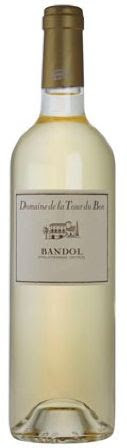
Agnès Henry is the winemaker and owner of Domaine de la Tour du Bon. Although the estate has been in the family since 1968, it is Agnès that has cemented its current acclaim. Her 42 acres are a mix of red earth, clay, sand, and gravel that all rest atop a limestone plateau near the village of Le Brûlat. Agnès calls her Bandol RED 2016 (Regular $38) true “blood of the earth.” The blend is 53% Mourvèdre, 27% Grenache, 10% Cinsault, and 10% Carignan from extremely low-yielding vines. The Grenache adds a light cherry fruit to balance out the striking power of the Mourvèdre, while the small additions of Cinsault and Carignan work to bind the two main varieties. Fragrant with citrus and flowers, Bandol WHITE 2018 (Regular $35) is 75% Clairette, 15% Ugni Blanc, and 10% Rolle from very low yielding vines. It’s full-bodied but not heavy on the palate with a mineral finish that shows a hint of fennel.

Domaine de Terrebrune

Reynald Delille heads this lauded estate nestled among the foothills of the limestone massif of Gros Cerveau. Certified organic, the estate’s terroir is characterised by the presence of limestone in its brown clay soil which inspired the estate’s name. With Mourvèdre accounting for 85% of the final assemblage, Reynald’s Bandols have an ethereal quality to them — the vineyards lie directly in the path of marine breezes that sweep off the Mediterranean, providing his wines with a mouthwatering saline quality. Bandol RED 2016 (Regular $54) is a fine example. With flavors of black fruit, anise, and wild herbs, its rich texture seems effortless, and its minerality profound.

Domaine du Groś Nore 

Born in a small house set among the vineyards of Bandol, Alain Pascal always knew he wanted to be a farmer. He bottled his first estate wines in 1997. From the very beginning, Alain produced his wines with minimal intervention — bottled without filtering and fermented with indigenous yeasts. Cultivation is essentially organic, as no chemicals are used on the vines. To provide power and concentration, Alain uses 80% Mourvèdre in Bandol RED 2016 (Regular $47), his flagship cuvée. The rest of the blend is 15% Grenache and 5% Cinsault. The wine is fermented in stainless steel vats and then aged for 18 months in large oak foudres. It has a lovely, elegant nose of jellied black cherry fruit and mediterranean herbs. It’s bold yet supple on the palate with concentrated fruit, clean earth, stone, and refined tannins.

La Bastide Blanche 

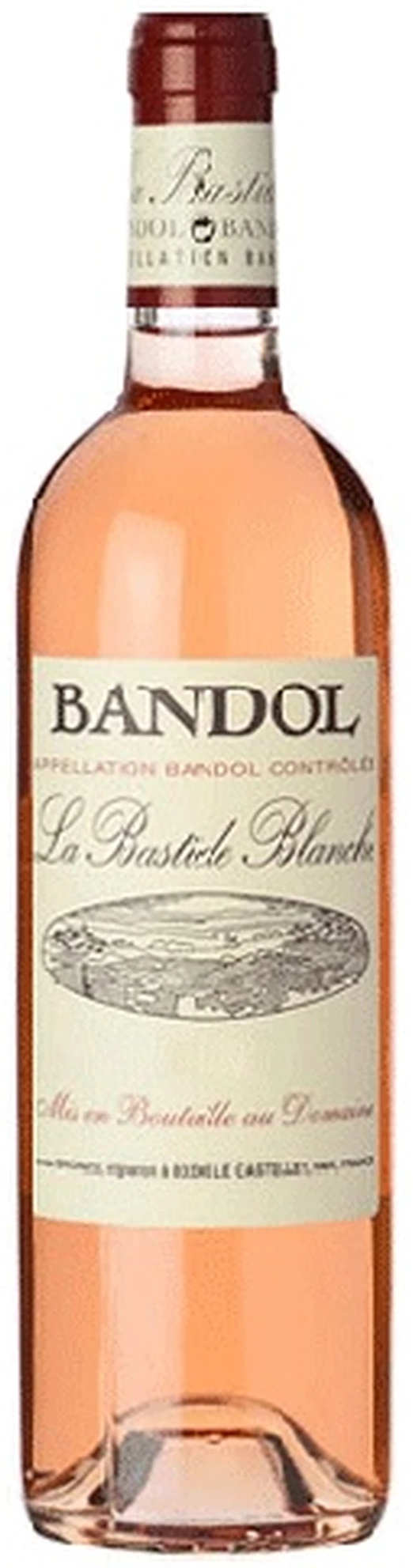
In the early 1970s Michel and Louis Bronzo acquired Bastide Blanche with the goal of producing Bandol wines of comparable quality to southern France’s more renowned appellations at the time. Today they are recognized as one of the top producers in the country. Low yields and an impeccable cellar help to create some of the most expressive wines of Bandol. Bandol ROSÉ 2019 (Regular $27) is classy and classic Provençal rosé. Mourvèdre is the base grape with about equal parts Cinsault and Grenache from fruit hand-harvested off of vines growing in clay-limestone soil. Notes of red berries, blood orange, and fresh cut herbs dominate this savory and balanced wine.

Posted on Leave a comment

Southern Rhône Riches: Châteauneuf-du-Pape’s Sister Cru Villages (10-Bottle Wine-Pack $325, All Included)

Châteauneuf-du-Pape is quite often the gateway region that introduces curious wine drinkers to the essence of terroir. An almost perfect union of soils, climate, and grape varieties combine to create one of the world’s great red wines that tends to be expressive from youth to maturity, with an exuberance and sophistication rarely matched. The next best thing to a great Châteauneuf-du-Pape is a less expensive, yet superb bottle of Southern Rhône red wine from nearby appellations that costs a fraction compared to its more prominent cousin.

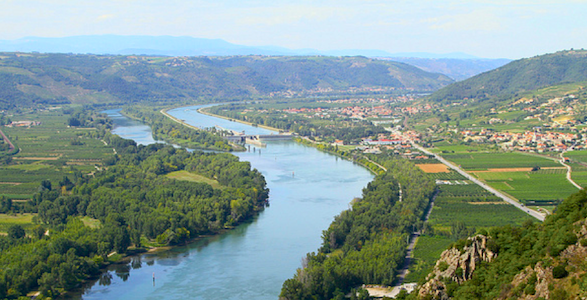
The Rhône River stretches from the Alps to the Mediterranean through an incredibly diverse expanse. At its southern end, between the cities of Vienne and Avignon, rolling hills meet plateaus of varying elevation under the toasty Mediterranean sun. Long, warm summers and mild winters allow the region’s dominant grape variety, Grenache, to yield good concentration via stony soils and low rainfall. This is the region of France’s most user-friendly wines.
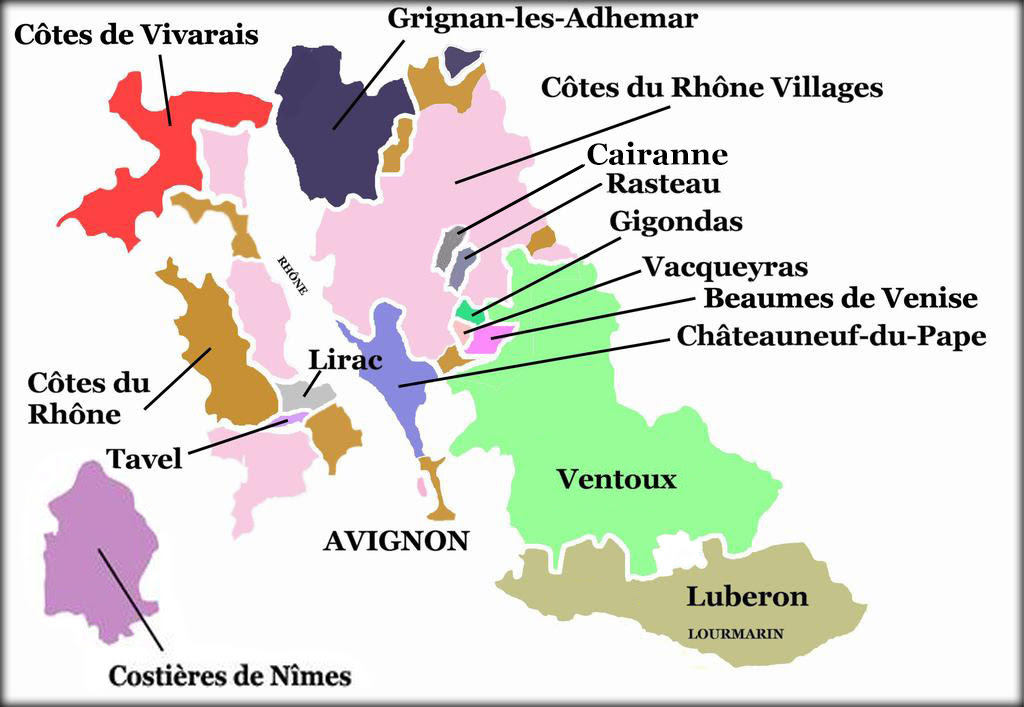
We are pleased to offer a box of easy-drinking yet refined red wines from Châteauneuf-du-Pape’s sister Cru villages. These are wines with a warmth ideal for pairing with hearty meals and cold winter nights. The appellations of Cairanne, Gigondas, Lirac, Rasteau, and Vacqueyras are all capable of producing wines of superior quality that often rival their more celebrated neighbor, and are made with similar strict and rigorous regulations.

Included in Southern Rhône Riches 10-Bottle Package are two each of the following wines:

The price includes a 15% discount, tax, and delivery. We will also honor a 10% discount on any bottles you might wish to add to the package.

Vacqueyras

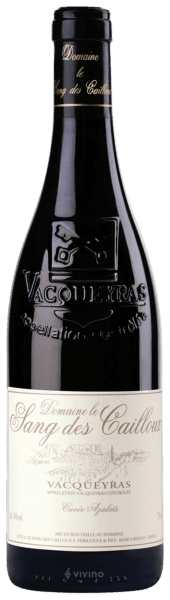
The second Côtes du Rhônes Villages to be upgraded to Cru status and a stone’s throw across Vaucluse from the famed vineyards of Châteauneuf-du-Pape, Vacqueyras sits beneath the jagged, lacy peaks of the Dentelles de Montmirail rising up in the east. 70% Grenache, 20% Syrah, 10% Mourvèdre and Cinsault, Serge Férigoule’s Domaine Le Sang des Cailloux 2018 (Regular $45) is easily one of the best of the type. The fruit is organically farmed on the great Plateau des Garrigues, where red clay, limestone, and the famous galets roulés, or rounded stones, impart an intensity and depth to the wines. The wine is dark, rich, full-flavored, wild and chewy, with notes of leather, spicy garrigue, and smoky, black fruit.

Cairanne

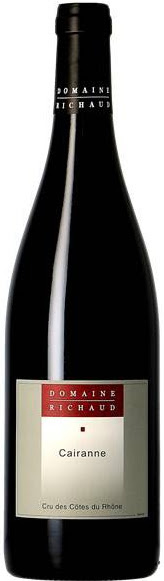
Cairanne (elevated to cru status in 2016) is perhaps the most promising and exciting subregion in Southern Rhône today. The village is situated atop a range of low hills with ideal exposure. It’s elevation ensures slightly cooler temperatures than much of the region and lends a brightness and delicacy to the wine. Marcel Richaud’s Domaine Richaud 2018 (Regular $37) is an organically certified cuvée that aims to express the village’s terroir from soils of poor, stony clay-limestone on mid-slope plots. A blend of Grenache, Syrah, Mourvèdre, and Carignan from 40 to 70-year-old vines, the wine is fermented and aged primarily in concrete tanks, with a portion in oak barrels, then bottled unfined and unfiltered with only a small amount of sulfites. The result is a wine that is both rich and electric, with complex aromas of fruit (both fresh and preserved) and herbal spice. A sip fills the mouth with ripe berries and licorice riding a mineral spine.

Lirac

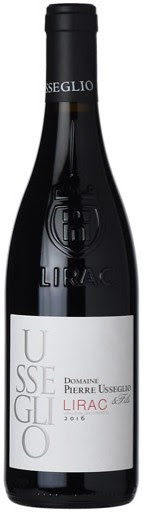
Situated in the low-lying hills on the right bank of the Rhône River directly across from Châteauneuf-du-Pape, Lirac reds are elegant, well-balanced, and structured. Domaine Pierre Usseglio, now run by his sons, Jean-Pierre and Thierry, has risen to such prominence over the past two decades, it must be considered as not only one of the top addresses in Southern Rhône but in all of France. Domaine Pierre Usseglio 2018 (Regular $37) is a blend of 60% Grenache, 15% Syrah, 15% Mourvèdre, and 10% Cinsault from clay and pebble soils. The vines are around forty years old. The wine is aged in concrete vats and demi-muids over a period of 12 months to produce a sturdy, solidly built drink loaded with notes of plum, cola and spice. It’s full-bodied, finishing warm and velvety.

Rasteau

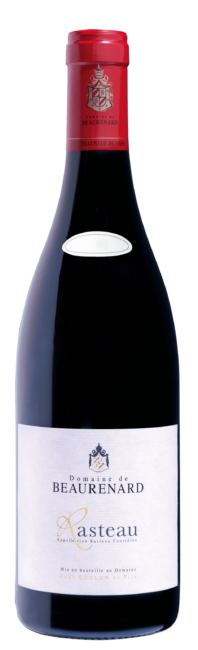
The village of Rasteau was awarded cru status way back in 1944 for their sweet, Vin Doux Naturel. It took a little longer to see the hard work and determination of the region’s vignerons to be awarded cru status for their deeply-colored, robust, dry red wines but now the appellation is considered one of Southern Rhône’s best. Traditional winemakers Daniel and Frédéric Coulon hold around 60 acres in the Rasteau appellation. All of Domaine de Beaurenard’s vines are certified biodynamic. In the vineyards, these methods involve working the soil without herbicides, spreading carefully-dynamised manure, and maintaining sensible grass cover. Domaine de Beaurenard 2017 (Regular $32) is all herbal and red cherries. A blend of 80% Grenache, 17% Syrah, and 3% Mourvèdre, it’s medium to full-bodied, creamy and supple.

Gigondas

Gigondas is the first Côtes du Rhônes Villages to be upgraded to Cru status (1971). It borders Vacqueryas to the northeast and lies within the protection of the toothy, lacy, and majestic rock faces of the Dentelles de Montmirail. Think of it as Châteauneuf-du-Pape from higher, rockier ground. A blend of 80% Grenache and 20% Syrah, Pierre Amadieu “Romane Machotte” 2018 (Regular $30) comes from vines averaging 45 years old growing in alternating Cretaceous limestone and marl soils with a northwest exposure at an altitude of almost 1,000 feet. It ages 12 months in oak foudres and barrels. Berry salad flavors are enveloped in soft yet powerful tannins, mingling with scents of Provençal wild herbs.

Posted on Leave a comment

Summer-Aid: $290 Northern & Southern Rhône “Country Wines” from Three Great Producers (12 Bottles, All Included and Delivered)

Our latest Wine-Aid box features a selection of wines that represent the value that can be found from Rhône Valley’s top producers when you dig deep into their portfolios. While these “Country Wines” are generally everyday drinkers, they all rise above simple sippers and clearly express a sense of place.

Northern and Southern Rhône are quite different from each other in terms of terroir. Northern Rhône’s steeply terraced hillsides and granite soil mixed with stone, shingle, and clay produces powerful wines with only a few grape varieties, mainly Syrah and Viognier. Southern Rhône tends to be flatter, with a climate that goes between continental and Mediterranean, and better known for its blends, typically based in Grenache.

The price for this Wine-Aid package includes tax and delivery, as well as a 10% discount. We will also honor a 10% discount on any bottles you might wish to add to the Wine-Aid package.

Included in the Northern & Southern Rhône “Country Wines” Wine-Aid Package are four bottles each:

Northern Rhône

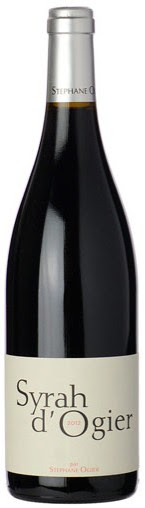
Stéphane Ogier “Syrah” (IGP Collines Rhodaniennes 2016) Regular Price $39
Seventh generation winemaker Stéphane Ogier knew he wanted to follow in his winemaker father’s footsteps from a very early age. The domaine produces wines from 27 acres of vineyards in some of the most famous Côte-Rôtie areas, such as Lancement, Côte-Rozier, and La Viallière. These wines have become a reference point for the appellation and have brought Stéphane international acclaim. The vineyards of Collines Rhodaniennes are on the plateau above the Cru-classified vineyards yet can offer a glimpse into the greatness of Northern Rhône Syrah at a more reasonable price.

Southern Rhône

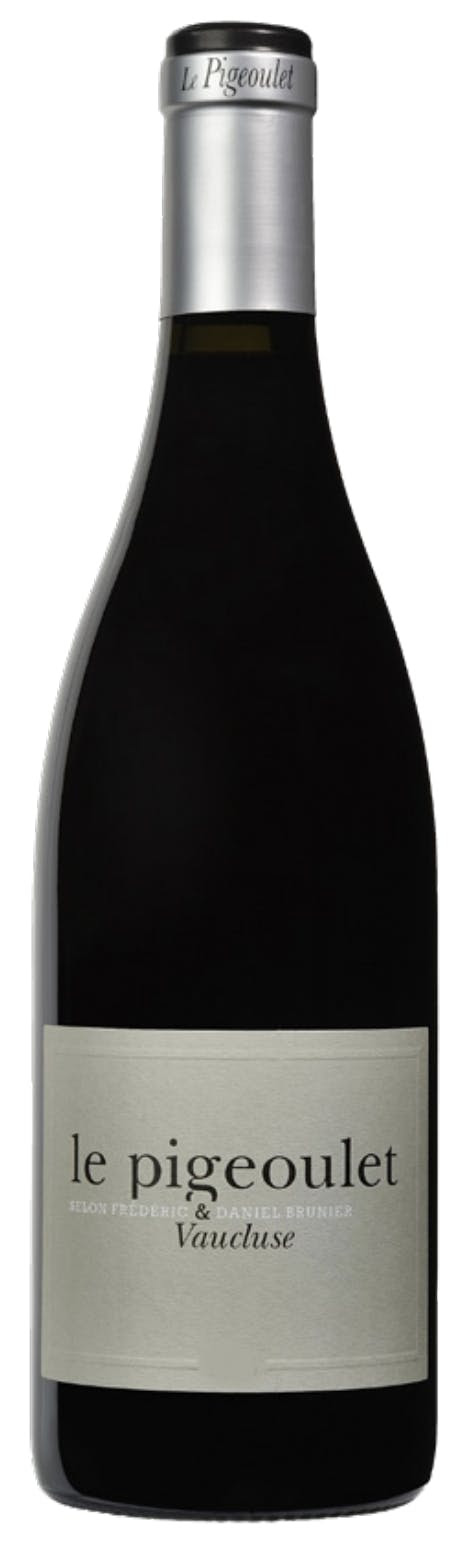
Frédéric & Daniel Brunier “Le Pigeoulet” (IGP Vaucluse 2017) Regular Price $21
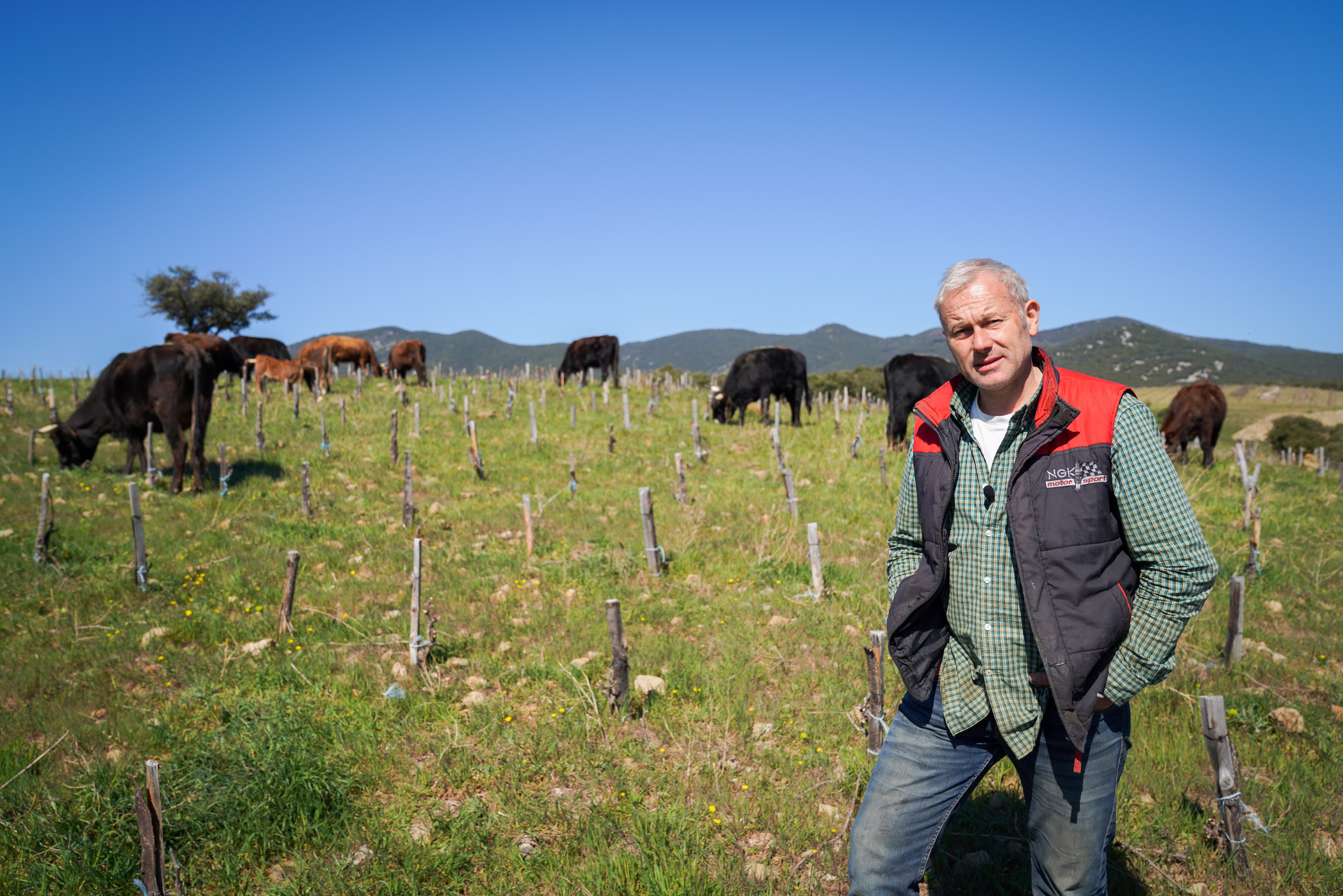
Brothers and fourth generation winemakers Frédéric and Daniel Brunier are rightfully well-known for Domaine du Vieux Télégraphe – their world-class wine from Châteauneuf-du-Pape’s La Crau plateau. Year after year, respected French wine guides like La Revue du Vin de France and Bettane & Desseauve give Vieux Télégraphe the highest of ratings. Is a blend of 80% Grenache, 10% Syrah, 5% Carignan, 5% Cinsault that has all of the depth, power, finesse, drinkability, and typicity that you would expect from wines much higher in price.


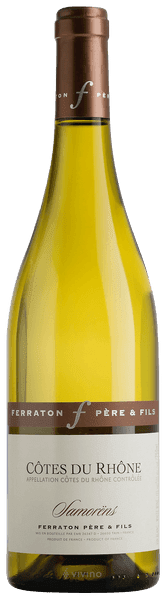
Michel Chapoutier, Ferraton Père & Fils “Samorëns” (Côtes-du-Rhône Blanc 2017) Regular Price: $17

Starting in 1998, Ferraton embraced biodynamic farming techniques for their range of vineyard parcels across Rhône. To help with the transition, Michel Chapoutier, who was already enjoying great success with biodynamic farming was brought in to form a partnership. “Samorëns” is a blend of 60% Grenache Blanc and 40% Clairette from vines planted in clay and limestone soils. The wine is matured in vats without malolactic fermentation, which helps to maintain freshness and energy in the warm climate of Southern Rhône. A glass is filled with the scent of white flowers and a sip will reward you with lush orchard fruits.


We are committed to providing you with your wine needs in the safest way possible. We do encourage you to take advantage of our back door pick-up or free delivery. We can easily process the payment of your purchase over the phone and load you up without you needing to get out of the car. Or we can deliver it to your doorstep for free (within a reasonable distance of our shop) and leave it there for you to bring in at your convenience.

Posted on Leave a comment

Summer-Aid: $260 “Biodynamic Wine Pioneer” — Languedoc’s Domaine Léon Barral (6 Bottles Red Wine, All Included and Delivered)

Our latest Wine-Aid box features new vintage wines from biodynamic pioneer, Didier Barral. Didier’s vines grow beneath the scrub-covered ridges and windswept stone outcrops of Faugères. The appellation is known for its dry and crunchy metamorphic schist that forces the roots of the vines to penetrate deeply in search of moisture. This cherished soil for grape growing absorbs the heat of the daytime before releasing it in the cooler evenings. The humid Marin winds off the Mediterranean and the dry, violent Tramontane winds from the northwest are a constant presence in the Faugères hills that help to ventilate the vineyards. Most of Didier’s vines are very old, some up to ninety years of age. All of these factors help for even ripening of the grapes and further increases their concentration.
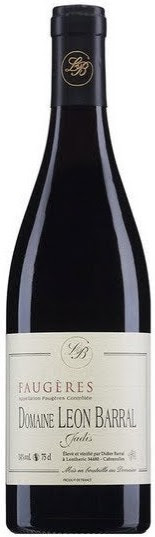
Didier farms about 75 acres of vines using biodynamic practices. Developed by Austrian philosopher and social reformer Rudolf Steiner in the early 20th Century, biodynamic agriculture is defined as “a spiritual-ethical-ecological approach to agriculture, gardens, food production and nutrition.” Biodynamic wine is made with a set of farming practices that views the farm or vineyard as one solid organism. The ecosystem functions as a whole. On Didier’s farm, ancient breeds of cattle graze the cover crops in and around the vineyards, which promotes healthy microbiotic activity in the soil. Between the vines grow all sorts of rare greens and unusual wild herbs, often harvested by Michelin starred chefs from all over France.

Although Didier considers the wine all but finished once it leaves the vineyard, the harvest is cared for with the same attention once it reaches the cellar. All wines are hand-harvested, hand-sorted, fermented with indigenous yeasts and have no sulfur added. They are never racked, filtered, or fined. While these minimal intervention principles form an idyllic narrative of a natural product, the fact is that Didier has a profound influence on other viticulteurs who can see how his ideology translates to results.

The price for this Wine-Aid package includes tax and delivery, as well as a 10% discount. We will also honor a 10% discount on any bottles you might wish to add to the Wine-Aid package.

Included in the Biodynamic Wine Pioneer Wine-Aid Package:

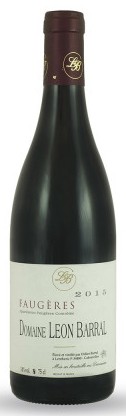
Domaine Léon Barral (Faugères, 2016) Three Bottles, Regular Price: $36
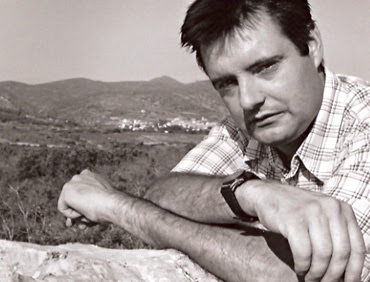
Didier’s traditional Faugères bottling is a blend of 50% Carignan, 30% Grenache, and 20% Cinsault from vines aged 40 to 70 years old. After fermentation, the wine is aged for two years in cement and stainless steel cuves. The aromatics are joyous with black cherries, cocoa, herbs and flowers. A sip is filled with fruit yet nimble on the palate, elegant even, with a finish of sun-baked stone.

“Jadis” (Faugères, 2016) Two Bottles, Regular Price: $47
50% Carignan, 30% Syrah, 20% Grenache, aged for 24 to 26 months in barrel (10% new oak). Black fruits and herbs in abundance. More focused and elegant than the classic cuvee, the 2016 “Jadis” is a similar blend that substitutes Syrah from southern-facing vines in place of the Cinsault. A wine that drinks great upon release yet will develop in a proper cellar over the course of a decade or more.

“Valinières” (Faugères, 2016) One Bottle, Regular Price: $69
80% Mourvèdre, 20% Syrah, aged for 24 to 26 months in barrel (10% new oak). “Valinières” is the domaine’s top cuvée, capable of medium to long-term cellar development. With a Mourvèdre base, this wine is big, meaty, and concentrated. The portion of Syrah comes from northern-facing vines. The cooler, northern exposure allows the grapes to remain on the vines longer, giving added maturity, greater concentration of flavors, and increased complexity.


We are committed to providing you with your wine needs in the safest way possible. We do encourage you to take advantage of our back door pick-up or free delivery. We can easily process the payment of your purchase over the phone and load you up without you needing to get out of the car. Or we can deliver it to your doorstep for free (within a reasonable distance of our shop) and leave it there for you to bring in at your convenience.

Posted on Leave a comment

Summer-Aid: $265 “France’s Deep South” — Elegance from the Rugged Landscape of Fitou (10 Bottles, All Included and Delivered)

Our latest Wine Aid box celebrates both the wild and remote subzone of Fitou and two happy-loving couples that produce wine there. One of the very first granted appellation in the southern French region of Languedoc, Fitou consists of two small enclaves within Corbières: Fitou Maritime, a clay-limestone band around the saltwater lagoons on the coast, and Fitou Montagneux, a patch of various mountainous soils fifteen miles inland. With these 10 Bottles we’ll be exploring both of these distinct terroirs with wines made by some of the top producers in the region.

Included in the France’s Deep South Wine-Aid Package are two bottles of each:

The price includes tax and delivery, as well as a 10% discount. We will also honor a 10% discount on any bottles you might wish to add to the Wine-Aid package.

Domaine Bertrand-Bergé

Near the tiny village of Paziols in Fitou Montagneux, Jérôme and Sabine Bertrand have been steadily improving the reputation of Fitou through the excellence of their wines. The domaine’s history can be traced back over a century when Jérôme’s great-grandfather, Jean Sirven, won plaudits for his wines at the 1900 World’s Fair in Paris. But the modern era for Bertrand-Bergé started in 1993, when the couple took the winemaking back into their own hands after a few decades of supplying grapes to the local co-operative.
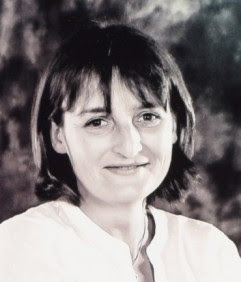
Today, the estate is comprised of many old-vine parcels that cover an area of 84 acres dotted around the hilly countryside of Paziols, the air fragrant with the scent of wild juniper, thyme, rosemary and lavender of the local garrigue shrubland. The estate is cultivated entirely using organic techniques. Of the wide range of soils that are found in the region, the pudding stones found around Paziols contribute much to the high quality of the wines of Bertrand-Bergé by retaining daytime heat. But of course it’s the tireless effort of Jérôme Bertrand that can translate the unique charm of this place into world-class wines.
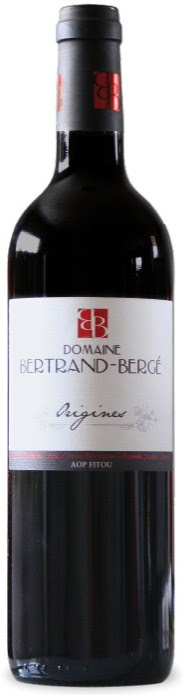
“Origines” (Fitou 2014) Regular Price: $17
The Bertrand’s offer the affordable cuvée “Origines” as a starting point to enjoying the terroir of Fitou. A blend of 60% Carignan and 40% Grenache aged for 18 months in concrete, “Origines” delivers juicy ripe blackberry and blueberry accented by cocoa, clean earth and a touch of white pepper. The fruit for “Origines” comes from vines averaging 20 years in age planted in chalky-clay soils. Although this cuvée is priced as an everyday wine, it has always had the ability to mature gracefully and is drinking superbly right now.


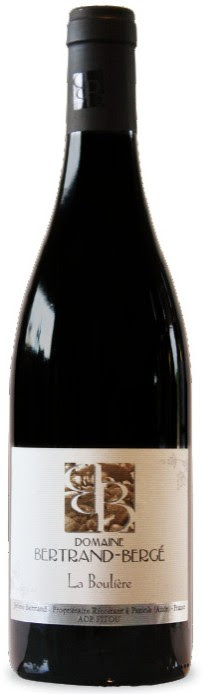
“La Boulière” (Fitou 2014) Regular Price: $33
A deep, sappy blend of 50% Mourvèdre, 25% Carignan and 25% Grenache aged for 18 months in oak barrels. A grocery cart of aromatics like black raspberry, blueberry, smoked meat, cinnamon, and leather precede a full-bodied, layered and elegant palate balanced by a muscular underlying structure. The fruit comes from vines with an average age of 15 years planted in puddingstone soils. Pop this open for your fattiest cuts of grilled meat. This wine should drink well over the course of a decade.


Mas des Caprices

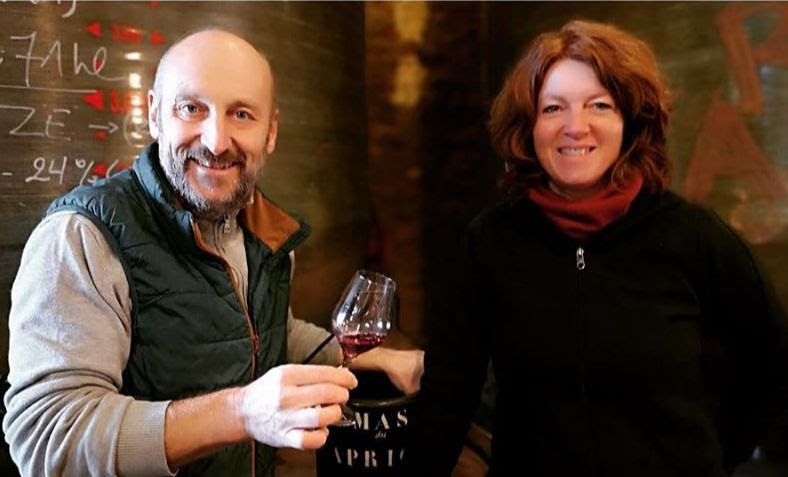
In the village of Leucate, on the north shore of L’étang de Leucate in the subzone of Fitou Maritime, Mireille and Pierre Mann have been steadily building their estate, Mas des Caprices, into one of the top producers in the region. This is a rugged land kissed by both the mountains and the Mediterranean Sea. High yields are impossible to achieve here. Indeed, many of the wines from this region are produced with similar (or even smaller) yields to the most sought after wines from Bordeaux and Burgundy.
The couple, both children of Alsace winemakers, ran a restaurant near the city of Colmar for 10 years. While they loved providing their patrons fresh local products, they felt the need for greater challenges. So they decided to rebuild their lives closer to the earth. In 2003 they moved to southern France and began reinventing themselves as winemakers. Their passion was evident from the start. The duo eventually settled on the Mediterranean coast and quickly made a name for themselves by producing tasty, genuine wines. Certified organic in 2009, their guiding philosophy is meticulous work in the vineyard while respecting nature with the goal of producing wines that are both expressions of their unique environment and utterly delectable. Forget pudding, the proof of the wine is in the drinking.

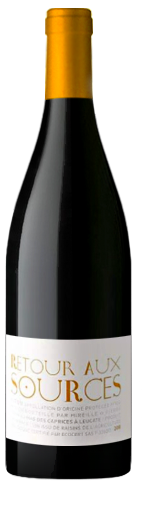
“Retour aux Sources” (Fitou 2015) Regular Price: $37
45% Carignan, 25% Mourvèdre, 20% Grenache, and 10% Syrah from the Fitou maritime hillsides where pink schist and limestone mix. Maturation takes place for nine months, with roughly 70% of the wine in concrete vats and the rest in old barrels. Bold ripe fruit, excellent structure, and heady aromas of ripe fruit and herbs make a wine ideal for hearty vegetable dishes like ratatouille and olive tapenade and, of course, grilled meats.


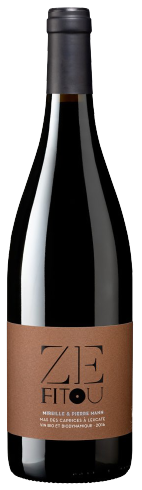
“ZE” (Fitou 2015) Regular Price: $26

A blend of 40% Carignan, 35% Grenache, and 25% Mourvèdre from the windswept Leucate cliff. Fruit, both ripe and fresh, provides the foundation for this crowd-pleasing red. Maturation takes place for nine months, mainly in concrete vats, with around 20% aging in old barrels. Exceptionally floral on the nose, a sip seduces the palate with velvety tannins and silky berry salad. Pop a bottle for pizza, shawarma, or game night.


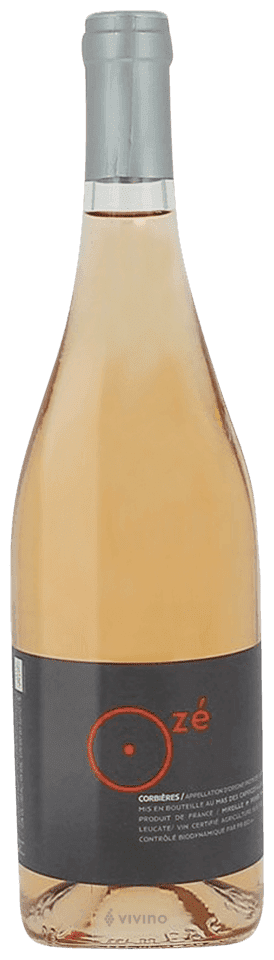
“Ozé” (Corbières 2017) Regular Price: $24
Although separate appellations, Fitou and Corbières share much of the same terroir. You will often find producers based in Fitou with parcels in Corbières, and vice versa. Mireille and Pierre Mann’s rosé is a blend of Grenache and Mourvèdre with a touch of Syrah. Fresh, fruity, and intense, it’s a crowd-pleaser. If you like a classic southern French rosé while chilling on the patio or paired with your seafood feast, this cuvée will put you in your happy place.


We are committed to providing you with your wine needs in the safest way possible. We do encourage you to take advantage of our back door pick-up or free delivery. We can easily process the payment of your purchase over the phone and load you up without you needing to get out of the car. Or we can deliver it to your doorstep for free (within a reasonable distance of our shop) and leave it there for you to bring in at your convenience.

Posted on Leave a comment

Summer-Aid: $235 “Homage to Catalonia” — Taste the Terroir of Northeastern Spain with 12 Bottles (All Included and Delivered)

From breezy Mediterranean shores to Barcelona cafés to the towering peaks of the Pyrenees, the autonomous community of Catalonia is a land of diversity. These places and cultures have inspired poets, artists, and winemakers.
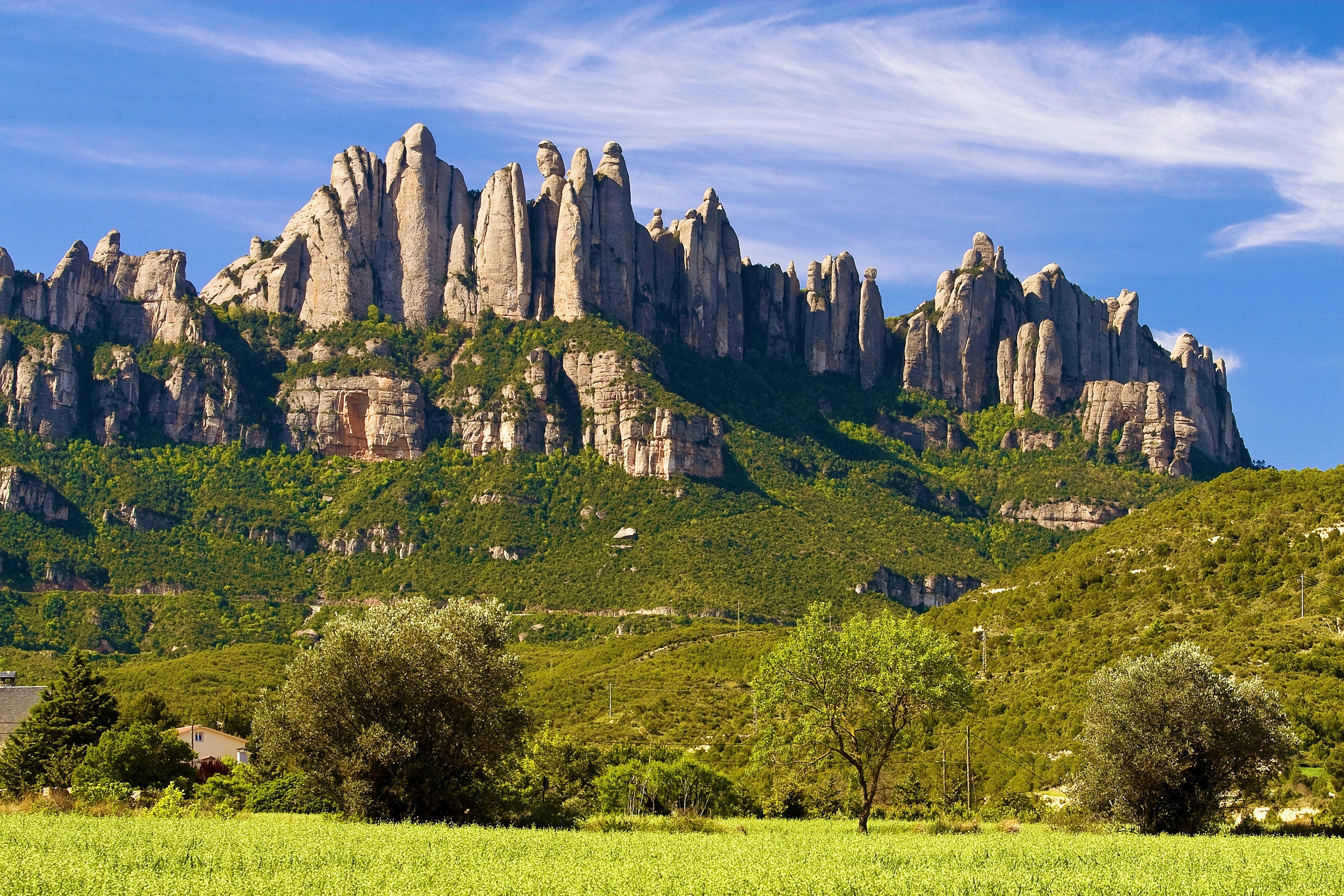
This week’s Wine-Aid package starts in the ancient wine country of the Penedès Plain, then into Priorat, one of the most progressive winemaking regions in all of Spain with its special reddish and black slate soils (called llicorella in Catalan), and finally to the slopes of the multi-peaked Montserrat range. A glassful of any one of these wines brings the region to life at your dinner table.

Included in Homage to Catalonia Wine-Aid Package is four bottles of each:

The price includes tax and delivery, as well as a 10% discount. We will also honor a 10% discount on any bottles you might wish to add to the Wine-Aid package.

Alemany i Corrio Principia Mathematica (Penedès 2018) Regular Price: $26
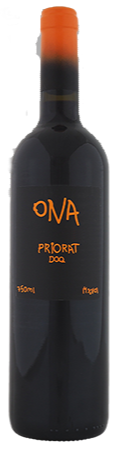
Passionate wife-and-husband winemakers Irene Alemany and Laurent Corrio’s “Principia Mathematica” is crafted from 100% Xarel·lo (shah-REHL-loh), a grape indigenous to the region that most sparkling wine drinkers will recognize as the principal variety that makes up Cava. 55 year old Xarel·lo vines see fermentation in new French oak barrels of 228 and 700 liters. A third of the wine is then aged for nine months in stainless steel on the yeast (sur lie) with the remaining two thirds aged in oak barrels with occasional stirring (battonage). The result is a wine of freshness and depth that fully expresses a Burgundian style of winemaking alongside high coastal Mediterranean terroir.


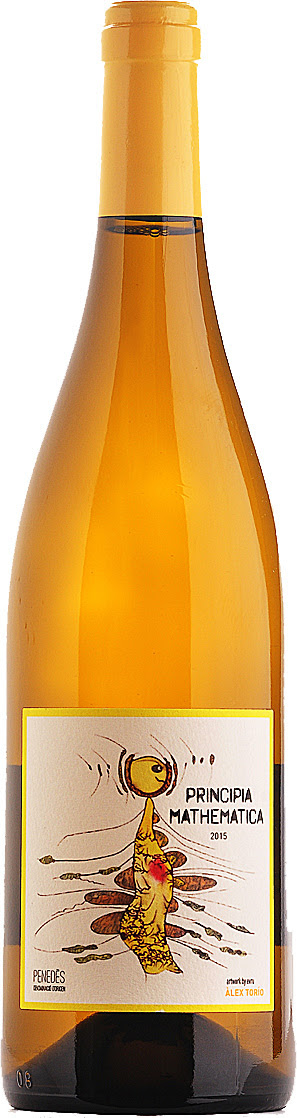
Blai Ferré “Ona” (Priorat 2016) Regular Price $22
Blai Ferré’s Ona is Priorat in the raw, a wine of intensity and balance with little elaboration. It is a classic Mediterranean blend of 40% Garnatxa, 40% Syrah, and 20% Carinyena. Cultivation is organic and the harvest is hand-picked and hand-sorted. Half of the wine is aged in stainless steel vats and the other half in French oak for eight months. We’ve found that it’s a wine that always outperforms its price level and it’s versatile enough to be paired with a simple cheese plate to roast lamb and everything in-between. Blai produces a scant 500 cases of Ona, bottling the rest of the harvest in other cuvées.


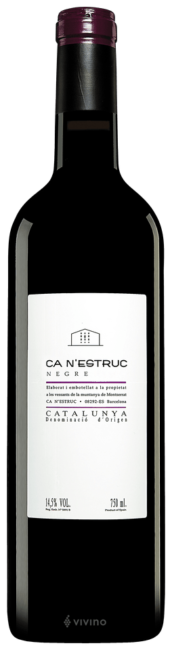
Ca N’Estruc Negre (Catalunya 2016) Regular Price $14
Francisco Martí is co-owner of perhaps the finest wine shop in Spain, Vila Viniteca, located in the El Born district of old Barcelona. Yet he has spent much of his life in the vineyards of the Ca n’Estruc estate that lies on the slopes of Montserrat at over 500 feet in elevation. The Vineyards are ideally orientated to optimize sunshine and hold some vines that are close to 80 years old. Ca N’Estruc Negre is a blend of Garnatxa, Samsó (Carinyena), and Ull de Llebre (Tempranillo) grown in alluvial soils. Ripe raspberries and cherries underneath a hint of rosemary make this one of the more interesting everyday value wines that you’ll find.


We are committed to providing you with your wine needs in the safest way possible. We do encourage you to take advantage of our back door pick-up or free delivery. We can easily process the payment of your purchase over the phone and load you up without you needing to get out of the car. Or we can deliver it to your doorstep for free (within a reasonable distance of our shop) and leave it there for you to bring in at your convenience.

Posted on Leave a comment

Summer-Aid: $170 “A Mediterranean Summer in Saint-Chinian” — 6 Bottles of New Vintage Wine from Mas Champart (All Included and Delivered)

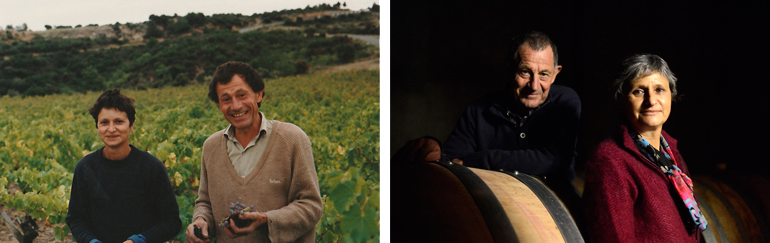
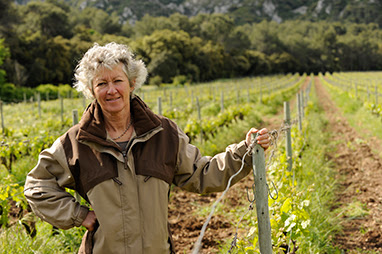
Back in 1976, Isabelle Champart, a Parisian with a degree in Geography, and her husband Mathieu, from a family of farmers in Champagne, began cultivating vines on a humble 20 acre farmstead. For close to twelve years they sold their grapes to the local cooperative but once they decided to bottle under their own label of Domaine Mas Champart they gained almost instant acclaim. Since then, they’ve acquired another 40 acres planted with vines, orchards, and arable crops. Mathieu tends to the vines, Isabelle makes the wines, and this small slice of the Languedoc is their life. Once, when asked by a visitor if they had children, Isabelle swept her hand across the outside of their winery and answered immediately, “Look around. This is my child.”
The place is Saint-Chinian: A gusty, drought-ridden expanse clambering up out of the Languedoc Plain, with Mount Caroux and Mount Espinouse furnishing a picturesque backdrop. It’s there on the southern slopes of clay and limestone that Isabelle and Mathieu are creating singular and impressive wines in this ancient region that has seen a tremendous surge in quality over the past couple of decades. From the beginning the Champarts have employed sustainable and organic techniques in their farming, reflecting their desire to protect and preserve the environment.

Included in A Mediterranean Summer in Saint-Chinian Wine-Aid Package is two bottles of each:

The price includes tax and delivery, as well as a 10% discount. We will also honor a 10% discount on any bottles you might wish to add to the Wine-Aid package. 

Mas Champart Blanc (IGP Pays d’Oc 2018) Regular Price: $29
Mas Champart Blanc is a blend of 70% Terret and 30% Grenache Gris from vines planted in 1900 on a limestone plateau with remarkably stony soils. Vinification and maturation is carried out in 500 liter Austrian barrels for nine months. The wine was bottled in August 2019. A sublimely balanced drink: late-harvested Terret provides heady aromatics and richness while the Grenache Gris, harvested earlier in the season, adds tension and mineral freshness. Only 2,500 bottles were produced.


“Causse de Bousquet” (Saint-Chinian 2017) Regular Price: $25
A bit different than earlier, syrah-heavy vintages, the 2017 vintage “Causse de Bousquet” is a blend of 35% Syrah, 30% Grenache, 20% Carignan/Cinsault, and 15% Mourvèdre from a number of plots on different terroirs to provide the aromatic complexity and originality that the Champart’s are looking for in what you might call their flagship wine. It owes its name to the main terroir from which it comes: “Le Bousquet” is a broad limestone plateau at close to 1,000 feet in elevation where the hard rock extends through to the surface. Matured for 18 months in vat, it is a concentrated and sunny expression of Saint-Chinian. Only 8,650 bottles were produced.


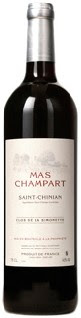
“Clos de la Simonette” (Saint-Chinian 2017) Regular Price $33
An absurdly low-yield blend of 65% Mourvèdre, 20% Grenache and 15% Carignan from multiple plots. The Mourvèdre is planted 750 feet above sea level on steep hillside terraces that are particularly well exposed. The Grenache comes from the wines’ namesake plot, the stony and well-drained “la vigne de Simonette” that is surrounded by dry-stone walls. The plot containing the Carignan has soils similar to “Simonette” but there the vines are 70 and 100 years old. With the hot and dry 2017 vintage, extractions were quite short, balancing out deep and powerful fruit with freshness. This is truly one of the best values for long-term cellaring available. Only 4,740 bottles were produced.


We are committed to providing you with your wine needs in the safest way possible. We do encourage you to take advantage of our back door pick-up or free delivery. We can easily process the payment of your purchase over the phone and load you up without you needing to get out of the car. Or we can deliver it to your doorstep for free (within a reasonable distance of our shop) and leave it there for you to bring in at your convenience.

Posted on Leave a comment

Summer-Aid: $290 “A Summer in Provence” — 6 Bottles from Domaine Hauvette — Red, White, and France’s Best Rosé (All Included and Delivered)

The appellation of Les Baux-de-Provence is unmistakably Provençal. Between olive groves and pine forests the rocky landscape is wild with the fragrant garrigue that marks its wines. Although the appellation is small and relatively new, the handful of winemaking estates there have earned well-deserved praise for their farming practices. As much as 85% of the area is devoted to an organic or biodynamic approach. It is the home of perhaps the most well-regarded estate in all of Provence, Domaine de Trévallon.
Not far behind Domaine de Trévallon in stature is Dominique Hauvette. In the early 1980s Dominique left her job as a lawyer in the Savoie, began studying oenology, and eventually amassed a little over 40 acres of vineyards along with an international reputation for producing model Provençal wines.

Domaine Hauvette is situated at the foot of Les Alpilles mountain range outside Saint Rémy-de-Provence, a small commune perhaps most famous for a little painting called “The Starry Night” that was created by Vincent van Gogh as he was being treated in the psychiatric center at Monastery Saint-Paul de Mausole. As the crow flies it’s about 15 miles from Châteauneuf-du-Pape in the southern Rhône. Indeed, the Rhône River is just a few minutes away.

The limestone foothills of Les Alpilles create a distinct landscape and microclimate. The soils retain moisture during the arid summer months, the legendary Mistral wind cools the vines and expels mold-fostering humidity, and Les Alpilles buffet the vines from potential damage.

Dominique began converting to biodynamic cultivation in 2000 with the goal of growing ideal fruit. At harvest, grapes are picked by hand and sorted in the field. She employs minimal intervention in the cellars, fermenting with indigenous yeasts. Many of her wines are fermented and aged in concrete eggs that allow a continuous flow of liquid during the process as well as stabilize temperature.

Included in A Summer in Provence Wine-Aid Package is one bottle of each:

All prices based on the purchase of a 6-pack (mix-and-match)

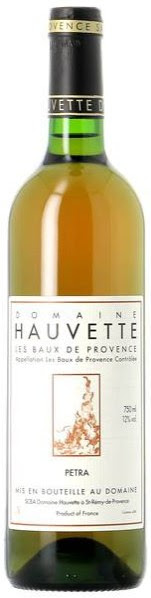
“Petra” (Les Baux-de-Provence Rosé 2017) $42

Domaine Hauvette’s current release and rosé doesn’t get much better than this. A perfectly balanced blend of 70% Cinsault, 15% Syrah, and 15% Grenache from a 2.5 acre plot of 15 year old vines. “Petra” is fermented in cement eggs and kept on the lees to provide a wonderfully rich and flavorful wine that pairs with just about anything.

“Jaspe” (IGP Alpilles Blanc 2016) $37

From a five acre plot of Rousanne with an average age of 15 years. Cuvée “Jaspe” is fermented in cement eggs and aged briefly in stainless steel tank. Honeysuckle and ripe orchard fruit aromatics greet the nose before a sip that is simultaneously lush and nervy.

“Dolia” (IGP Alpilles Blanc 2013) $55 

A field blend of equal portions Roussanne, Marsanne, and Clairette from a 1.7 acre plot with an average age of 23 years. Cuvée “Dolia” is fermented and aged in cement eggs. Smoke, wildflower honey, gunflint, and quince tickle the senses before a finish reminiscent of pure stone — a world-class white wine.

“Cornaline” (Les Baux-de-Provence 2012) $45 
“Cornaline” (Les Baux-de-Provence 2011) $49 

A blend of 50% Grenache, 30% Syrah, and 20% Cabernet Sauvignon from vines with an average age of 40 years. Cuvée “Cornaline” is fermented in wood tanks and aged in foudre. Strawberries, cassis, leather, and herbs come together in a glass of wine that is ready to drink today. Pour it just slightly chilled alongside some grilled lamb chops.

“Améthyste” (IGP Alpilles Rouge 2016) $89 

It’s rare to find a wine this ambitious made predominantly of Cinsault. 60% Cinsault, 30% Carignan, and 10% Grenache from vines with an average age of 40 years. Cuvée “Améthyste” is fermented in wood tanks and aged in cement eggs. “Améthyste” is high in amplitude with its aromas and flavors, yet round and on the palate, with a thrilling core of minerality. Drink some now and cellar some for later.


We are committed to providing you with your wine needs in the safest way possible. We do encourage you to take advantage of our back door pick-up or free delivery. We can easily process the payment of your purchase over the phone and load you up without you needing to get out of the car. Or we can deliver it to your doorstep for free (within a reasonable distance of our shop) and leave it there for you to bring in at your convenience.

Posted on Leave a comment

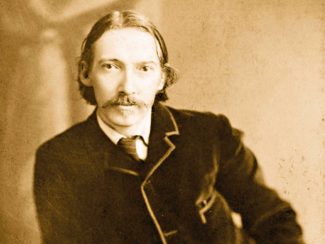
$165 “The Robert Louis Stevenson” Wine-Aid Package – 6 Bottles of French Red Wine from the Slopes of the Cévennes Mountains (All Included and Delivered)

“Wine is bottled poetry.” — Robert Louis Stevenson 

Introducing The Robert Louis Stevenson, a $165 Wine-Aid package that includes six bottles of ripe and lush red wine from the appellations of Faugères, Terrasses du Larzac, and Saint-Chinian — appellations that all lie in the dramatically craggy foothills of the southern slopes of the Cévennes mountain range. The price includes tax and delivery, as well as a 15% discount. We will also honor a 10% discount on any bottles you might wish to add to the Wine-Aid package. 

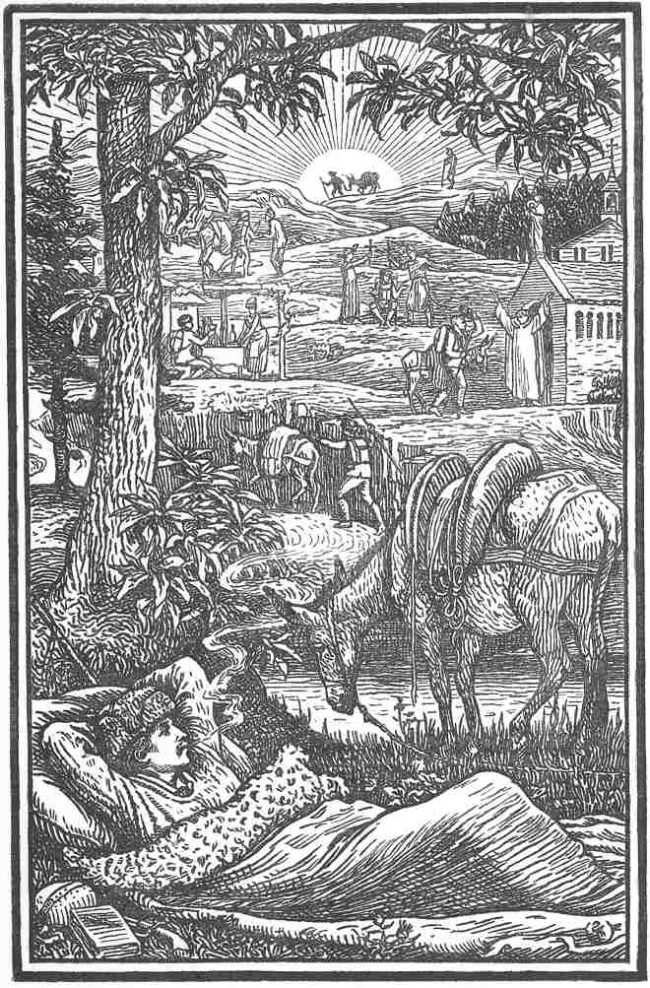
Robert Louis Stevenson was a Scottish poet, playwright, novelist, and travel writer. While he is most famous for his adventure novels like Treasure Island, one of his earliest published works was a pioneering classic of outdoor literature, Travels with a Donkey in the Cévennes. The book recounts Stevenson’s 12-day, 120 mile, solo hiking journey through the southern French mountain range in 1878. Here’s a taste:
“There is a romance about all who are abroad in the black hours, and with something of a thrill we try to guess their business. But here the romance was double: first, this glad passenger, lit internally with wine, who sent up his voice in music through the night; and then I, on the other hand, buckled into my sack, and smoking alone in the pine-woods between four and five thousand feet towards the stars.”

Included in The Robert Louis Stevenson Wine-Aid box are two bottles of each:

1) Domaine Léon Barral (Faugères 2016) Regular Price $36
An arid landscape of scrub-covered ridges and windswept stone outcrops, Faugères is known for its dry and crunchy metamorphic schist that forces the roots of the vines to penetrate deeply in search of moisture. Didier Barral farms about 75 acres of vines using biodynamic practices.  This bottle is a blend of 50% Carignan, 30% Grenache, and 20% Cinsault from vines aged 40 to 70 years old. After fermentation, the wine is aged for 2 years in cement and stainless steel cuves. The aromatics are joyous with black cherries, cocoa, herbs and flowers. A sip is filled with fruit yet nimble on the palate, elegant even, with a finish of sun-baked stone.


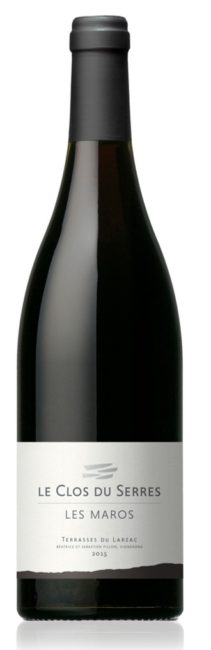
2) Le Clos du Serres “Les Maros” (Terrasses du Larzac 2015) Regular Price $31
In 2006, Béatrice and Sébastien Fillon purchased 37 acres divided into 15 parcels near the town of Saint Jean de la Blaquière. The diversity of the soil across all of their parcels includes schist, sandstone, pebbles & shingle, and red ruffes (deep deposits of sandstone accumulated some 265 million years ago and exposed by erosion). “Les Maros” is a single parcel of schist west of the village. The wine is a blend of 60% Grenache, 20% Cinsault, and 20% Carignan from the coolest vineyard area of the estate. The wine is matured for 12 months in concrete vats. Weighty and more concentrated, the flavors tend toward black fruit and licorice with a mouth-filling texture and lengthy finish.


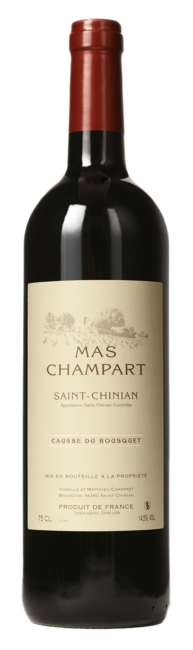
3) Domaine Mas Champart “Causse de Bousquet” (Saint-Chinian 2017) Regular Price $25
Back in 1976, Isabelle Champart and her husband Mathieu began cultivating vines on a humble 20 acre farmstead. Mathieu tends to the vines, Isabelle makes the wines, and this small slice of the Languedoc is their life. “Causse de Bousquet” is a blend of 60% Syrah, 20% Grenache, 10% Mourvèdre, and 10% Carignan mainly from a broad limestone plateau at close to 1,000 feet in elevation where the hard rock extends through to the surface. Aromatics of red cherry licorice and herb-dusted stone hover above the slightest hint of grilled meat. A mouth-filling sip bellows of ripeness yet the wine never turns flabby. Indeed the lengthy finish seems to release energy as it remains.