When Chardonnay is grown in climates less than ideal, resulting flaws are often tempered by oak. If such wines are described as cedary, buttery, vanilla-like or toasty, and chances are, the taster is defining qualities derived from the barrels used to ferment or mature the wine, because these are not qualities of the grape itself. Mineral notes like chalk, slate, schist or even powdered silica are the domain of the fruit; they are Chardonnay flavors, most of derived from the soil in which the grape vine grows.
Chablis—Burgundy’s most northerly appellation—produces the world’s most bracing and refreshingly uncluttered incarnation of Chardonnay. In Chablis, traditions are born of an ego that is mostly justified, and winemakers insist that the expression of the fruit be pure. That is not to say that no Chablis sees oak; many certainly do. It’s just that the whole approach to what barreling is supposed to accomplish in a glass is viewed differently in this rocky, chilly, outpost, less than a hundred miles from that other bastion of varietal purity, Sancerre.
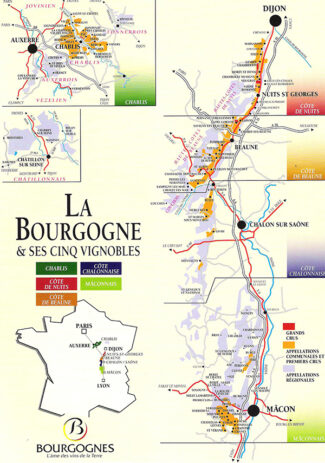 Chablis is subdivided into four AOPs based on quality factors which nearly all come down to soil and slope and grape yields. The largest of these, simply called Chablis, covers about sixteen thousand acres; the smallest, designated Grand Cru, is only a couple hundred acres in size and is limited to seven vineyards. To Chardonnay fans, these are like the seven celestial Pleiades in Greek mythology; their name on a Chablis bottle is tantamount to magic and an expectation thereof. The Premier Cru designation can be affixed to any of seventeen vineyards on both sides of the River Serein; the best occupy the right bank near the Grand Crus; the rest are southwest of the city of Chablis.
It remains testimony to Chablis’ ‘amour-propre’ that the district is willing to count on breeding, not masking, to show off its wares.
This package includes two bottles from each of Chablis top-tier producers. (8-Bottle Pack $298, All Included)
Domaine Billaud-Simon
 Credit Napoléon’s loss at Waterloo for the establishment of Domaine Billaud-Simon; Charles Louis Noël Billaud returned home from the war to plant vines on the family holdings in Chablis. A century later, the estate expanded with the marriage of his descendent Jean Billaud to Renée Simon. Since 2014 owned by Erwan Faiveley, the 42-acre site produces wine from four Grand Cru vineyards, including single-acre plots in Les Clos and Les Preuses. The Domaine also owns four Premier Cru vineyards, including Montée de Tonnèrre, Mont-de-Milieu, Fourchaume and Vaillons. Chablis 2017 ‘Tête d’Or’ ($46) is sourced from 28-year-old vines from a parcel sitting at the foot of the Premier Cru Montée de Tonnerre in the heart of the Chablis appellation; the name means ‘Head of Gold’ and shows pure green-apple and bitter almond with an almost saline-like intensity. It’s a letter-perfect oyster wine, nicely nuanced with graphite, grapefruit and lemon.
Domaine Billaud-Simon
Domaine Laroche
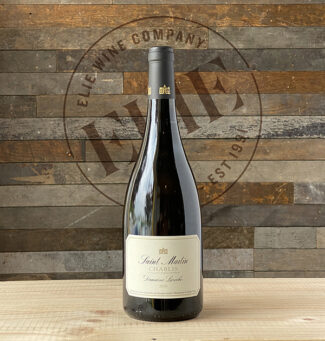 Vines were first planted in the confines of what is today Laroche the same year that algebra was invented; in 2021, both mathematics and Laroche are still going strong. Today, Domaine Laroche is one of the largest landholders of Grand Cru vineyards in Chablis, with 222 acres spread across the entire region. Michel Laroche—whose name is held in the same reverence in Chablis as Michel Chapoutier’s is in northern Rhône or Olivier Humbrecht’s in Alsace—relies on one-man plots, meaning that a single person is wholly responsible for the care of each vineyard parcel, from the pruning, soil conditioning and control of yields to the sorting of the harvest. Chablis 2018 ‘Saint-Martin’ ($32) is named for the patron saint of Chablis, a Roman cavalry officer who became a monk and was elected Bishop of Tours. The cuvée is a blend of the best plots, all sit on Chablis’ legendary Kimmeridgian soil, and produce excellent acidity and remarkable finesse. The wine shows Bartlett pear and lily on the nose, pineapple and honey in the mid-palate and violet and candied lemon on the textured, creamy finish.
Domaine Laroche
Christian Moreau Père & Fils
 The pedigree of the Moreau name dates to 1814 when barrel-maker Jean-Joseph Moreau founded a wine-merchant trading firm in Chablis. Although that original firm has changed hands several times, including a sale to Hiram Walker in 1985 and again to the Boissets of Nuits-Saint-Georges in 1998, the Moreau family never relinquished control of their vineyards. Domaine Christian Moreau Père et Fils began vinifying at the turn of the 21st century, and is now under the watchful care of Fabien Moreau: “Being the 6th generation of the family producing wines, was and still is a challenge for me, trying to avoid the pressure you could have with this wine heritage. But with the quality of the vineyard that my family passed on, the basis of the expression of our wines is here, and our work is to honor our terroirs.” Chablis 2018 ($36) is a cuvée built from grapes purchased from the bordering villages of Fontenay-Près-Chablis (near Fourchaume) and Béru. It is a taut, compelling wine that reflects a mineral-tinged sharpness that the French describe as ‘goût de pierre à fusil’—gunflint—alongside aromas white hawthorn flowers and a cut of citrus.
Domaine Christian Moreau
Domaine Servin
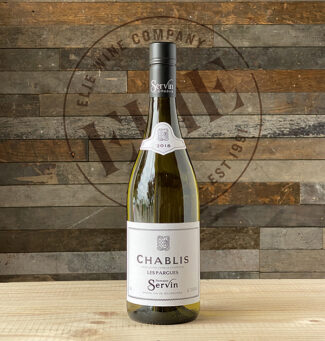 When you’ve been growing wine grapes in Chablis since 1547, post-Napoleonic upstart houses are the new kids on the block. With so many generations of winemakers and a pantheon of awards that span centuries, it is to be expected that the philosophy of Chablis, when uttered by a Servin, should be heeded. Says François Servin, the current winemaker, who was raised on vintages like 1929, 1947 and 1959: “A good Chablis is not a wine which is very elegant when young; Chablis for me is a wine which is good over 20 years.” This keen understanding of older vintages convinced him that malolactic fermentation combined with late bottling increases the ageing capacity of his wines. Chablis 2018 ‘Les Pargues’ ($27), planted in the vineyards behind the Premier Crus Vaillons and Montmains, employs a judicious blend of barrels and stainless-steel vats to create a wine that is concentrated and mineral-driven, showing natural mellowness, a touch of anise and lemon-peel balanced by smoke and earth.
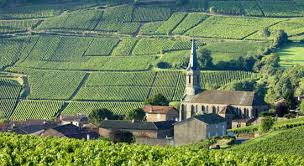 We have prime examples of everything from inexpensive regional wines to the inimitable Grand Crus of Montrachet and the Côte de Nuits.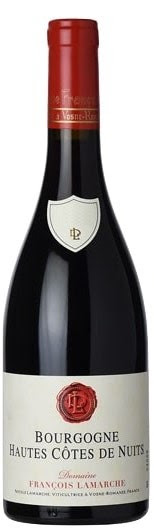
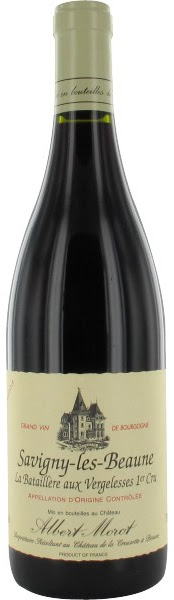 The Slopes of Côte d’Or
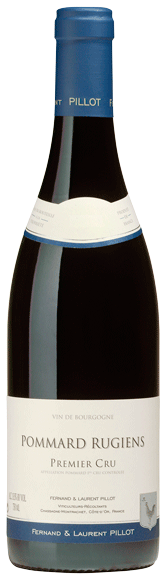 The Premiers Crus of Côte d’Or
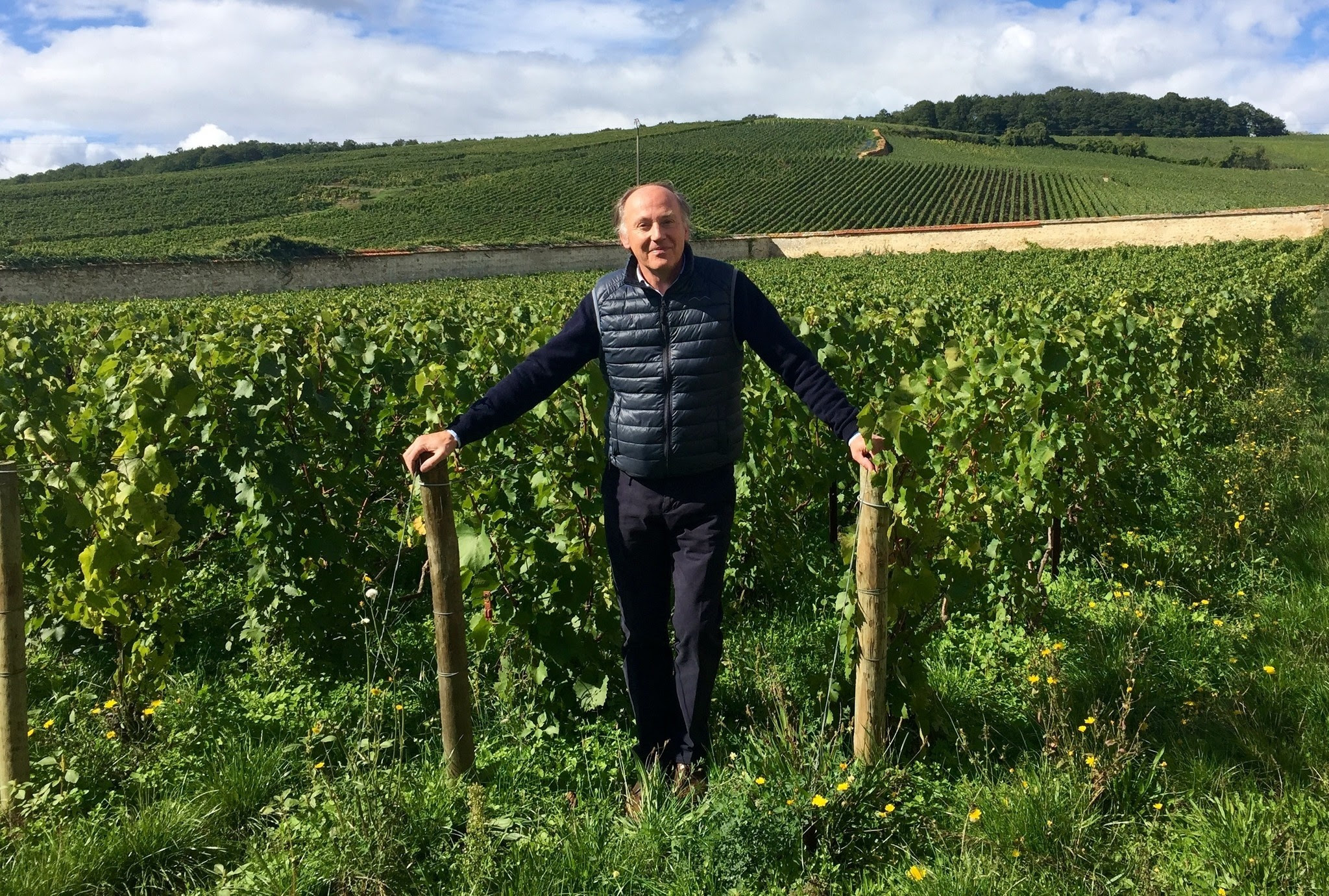 Today, enologist Hervé Jestin continues the legacy of this visionary house.
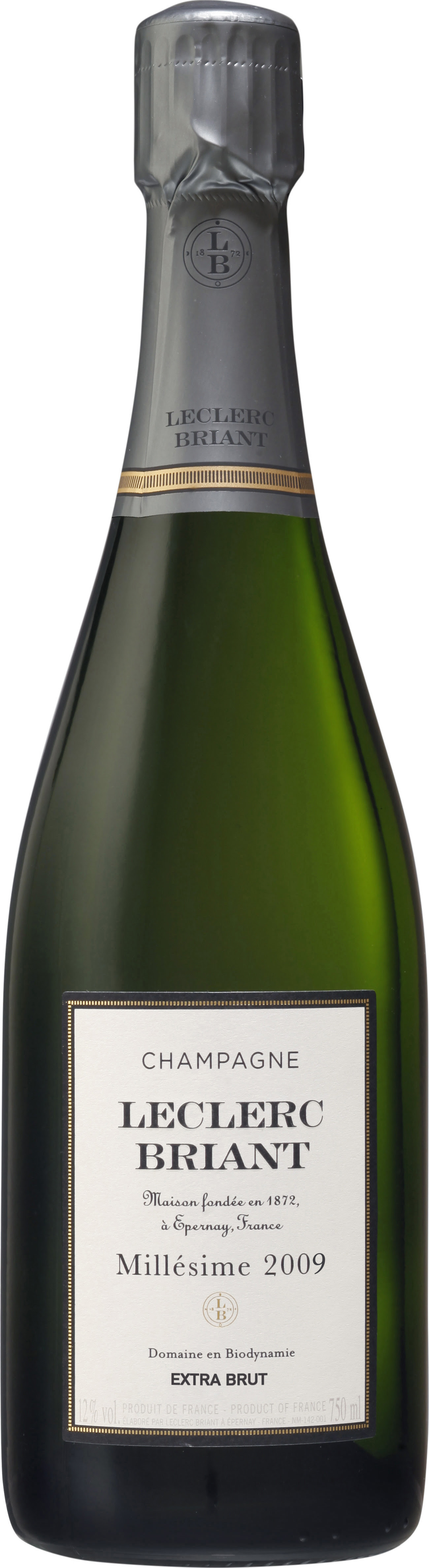 Their extensive cellars are more than a half of a mile in length and over 100 feet below the surface — ideal for maturing champagne.
 The average age of his vines are 40 years old with the oldest over 60 years.
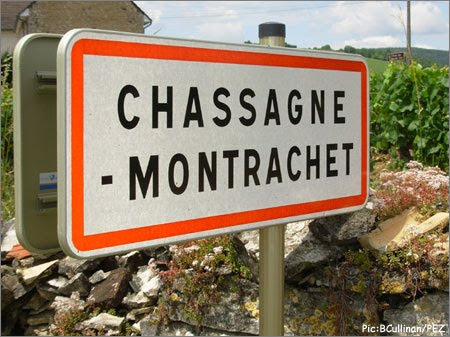 The commune is recognized for producing some of the best white wines in the world but it has a long history of creating substantial red wines that are quite often compared to the vibrant Nuits-Saint-Georges to the north.
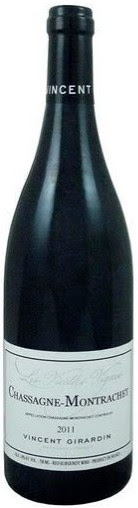 Vincent Girardin “Les Vieilles Vignes” (Chassagne-Montrachet RED 2017) Regular Price $55
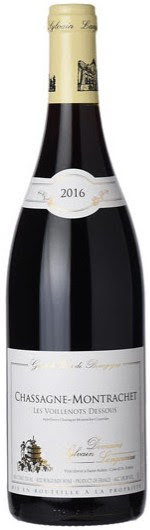 Domaine Langoureau “Les Voillenots Dessous” (Chassagne-Montrachet RED 2016) Regular Price: $45
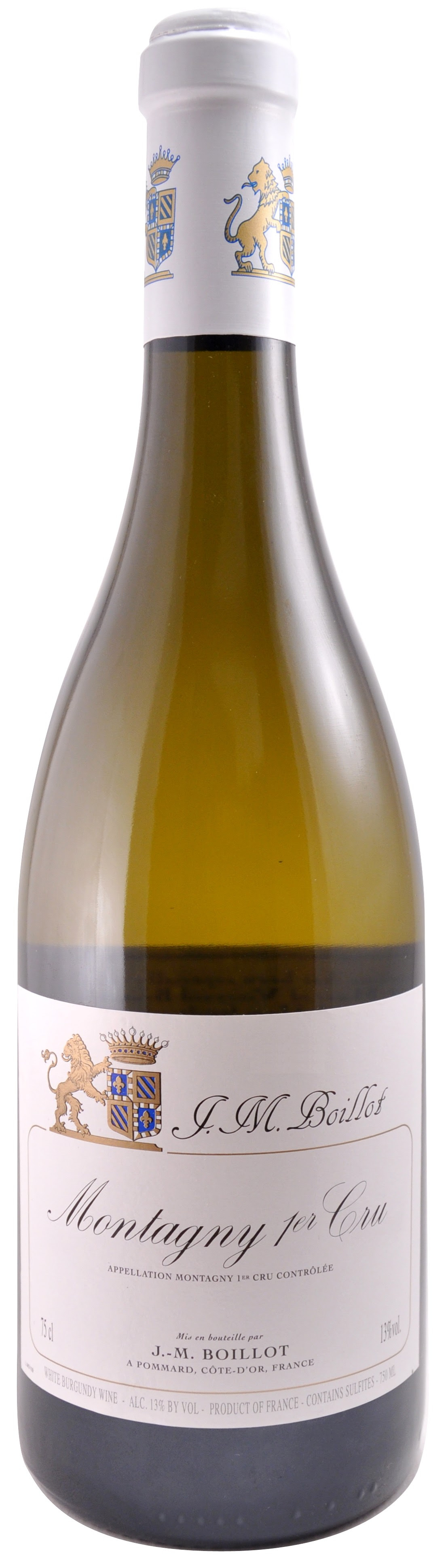 Jean-Marc Boillot (Montagny Premier Cru WHITE 2018) Regular Price: $40
  by James Joyce. An opera singer, and the unfaithful wife of Leopold Bloom, Molly makes a derisively mocking parallel to Penelope, the faithful wife of Odysseus in Homer’s Odyssey. In Episode 18, the last section of the book, Molly (in bed with her husband) engages in a celebrated soliloquy, one of the most famous dramatic monologues in literature.
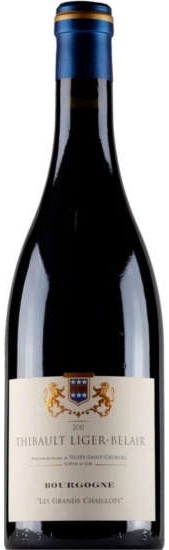 Domaine Thibault Liger-Belair “Les Grands Chaillots” (Bourgogne Rouge 2016) Regular Price $46
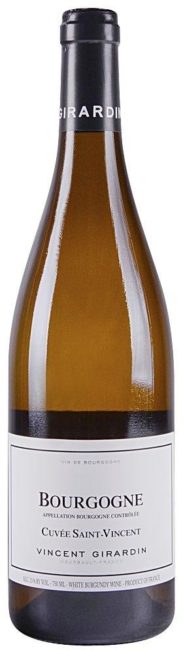 Vincent Girardin “Cuvée Saint-Vincent” (Bourgogne Blanc 2017) Regular Price $26
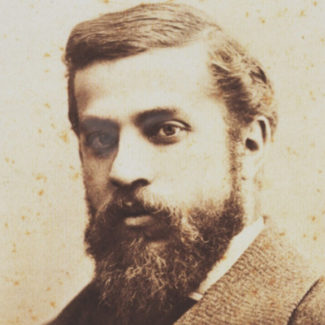 His incomparable architectural language defies classification. Of particular note for us lovers of wine is Gaudí’s design for Celler Güell near Barcelona — A wine cellar totally integrated into the rocky landscape wedged between the Mediterranean Sea and the Garraf Massif mountain range, perfectly in tune with its arid location.
 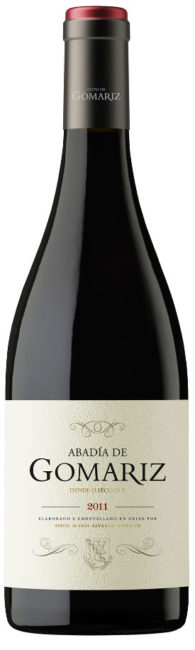 1) Coto de Gomariz “Abadía” (Ribeiro 2012) Regular Price $28
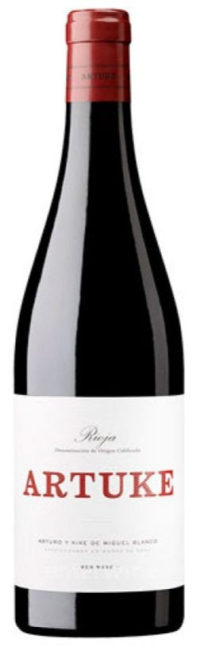 2) Artuke “Artuke” (Rioja 2018) Regular Price $16
 3) Bodegas Cesar Príncipe “13 Cantaros Nicolas” (Cigales 2016) Regular Price $16
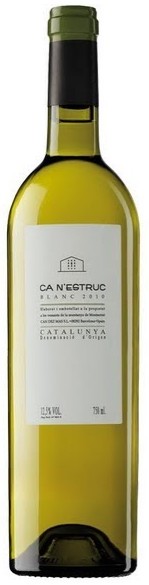 4) Ca N’Estruc Blanc (Catalunya 2017) Regular Price $14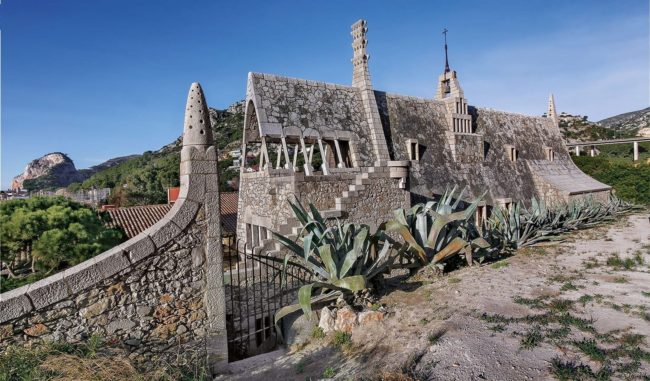
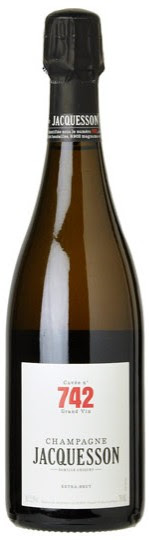 What sets them apart is their goal of producing a wine that expresses the greatness of their vineyard parcels rather than merely maintain a “house style.” Purely on the refinement of its current cuvées,