When arguing political ideologues, it’s wise to remember that the left wing and the right wing are part of the same bird; likewise, in Bordeaux, the Left Bank and the Right Bank refer to the same river system. In southwest France, about forty miles from the Atlantic, the Dordogne and Garonne rivers join to form the Gironde estuary; land below the confluence, between the two rivers, is known as Entre-Deux-Mers. Appellations on the west side of this system constitute the Left Bank, and contain perhaps Bordeaux’s most famous châteaux, those of the Médoc, Graves and Sauternes. Topsoil in this region is generally gravelly with a layer of limestone below and Cabernet Sauvignon is the dominant variety, producing age-demanding reds with big tannic infrastructures. The Right Bank covers the region to the north and east of the Gironde, where terroir contains less gravel and more clay. This allows Merlot to realize its purest potential, generally producing softer, richer and less tannic wines.
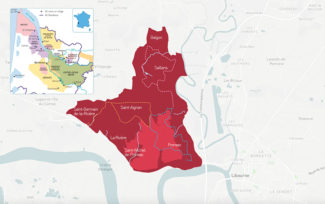 The Right Bank itself boasts a number of exalted châteaux, of course, especially within Saint-Émilion and Pomerol. But it also contains phenomenal, lesser-known ‘satellite’ appellations which—in part by existing within the fame-shadow of Right Bank superstars like Château Angélus and Cheval Blanc—produce excellent wine whose prices are more in accord with content. One such example is Fronsac, known as ‘the Tuscany of the Gironde’ for its spectacular hillside vineyards overlooking the gentle Dordogne and the river Isle. The wines of Fronsac are exclusively red, usually Merlot-based and grown in ‘molasse du Fronsadais’—a subsoil composed of clay and more consistent limestone than neighboring St. Émilion. There are around a hundred winemakers currently at work throughout Fronsac’s two thousand vinous acres, and a renaissance in technique and focus throughout the region has raised the quality level of Fronsac wines to a level to which pricing has not yet caught up.
Three Fronsac producers stand out in the production of strikingly consistent wines; examples not only of Fronsac but of Right Bank wines in general. This 9-Bottle Pack ($286, All Included) contains three bottles of each, for cellaring or enjoying today.
Château La Vieille Cure
 Foreign ownership is by no means rare in Fronsac; fully 13% of the châteaux are owned by Chinese investors—a higher percentage than any other Bordeaux wine appellation. Although La Vieille Cure has been producing wine since the 17th century, it was purchased by Americans Colin Ferenbach and Peter Sachs in 1986, and renovations began at once, including replanting a large portion of the 60 acres, all contained within a single plot. Those vines (75% Merlot, 22% Cabernet Franc and 3% Cabernet Sauvignon) are now in full maturity along with the estate’s older vine rows, where some of the Merlot vines are nearly a century old. This attention to detail and tradition shows, especially in this grand vin, making it one of the most prominent names in Fronsac. Under the direction of winemaker Jean Luc Thunevin, of the famed gem Château Valandraud, since 2013, the 2017 Château La Vieille Cure ($36)—a vintage many thought was lost due to a late-April frost—is a beautiful, balanced wine filled with ripe cherry, violets, licorice and vanilla, proving that the resilience of experience that can seize victory from the jaws of defeat.
Château Villars
 Through two centuries and seven generations of vignerons, a single family has seen this estate through the thick of mid-18th century (when the wines of Fronsac rivaled those from nearby Saint-Émilion and Pomerol in both price and reputation) to the thin of the phylloxera plague of 1850 – 1870 which saw many of the hillside vineyards abandoned or neglected. Octave Trocard, at the helm of Villars at the turn of the 20th century, having won a gold medal at the 1907 World’s Fair in Antwerp, perished in World War I and left the property to his two daughters. It was their tutor who looked after the estate until the girls came of age, and in 1934, the eldest daughter married Jean-Jacques Gaudrie, who set about a quest to recapture the château’s impressive past. That involved purchasing neighboring vineyards with old vines and, after 1978, oak aging to the specifications of Bordeaux’s Classified Growths. 2015 was a fine vintage with none of the late-season frost that dogged 2017, and 2015 Château Villars ($25) shows a plush core of sweet mulberry, a complex mid-palate with red fruit and flowers and a slight tinge of clove on the finish.
Château de La Dauphine
 Nestled in the heart of the fiefdom where Charlemagne once built fortresses, the history of Château de La Dauphine is as saturated as it wines. It takes its name from Maria Josepha of Saxony, the Dauphine of France and the mother of Louis XVI, who stayed at the château shortly after its completion in 1750. In 1985, the last descendant of the original owners sold the property to the Moueix family of Pétrus, Château Trotanoy and Magdeleine fame. In 2000, it was acquired by the Halley family and then, in 2015, by the Labrunes; in the meantime, major renovations have been made to both the estate and the winemaking facilities, and with the assistance of the winemaker Michel Rolland, to ensure that the glory days of the past are recreated in the present. 2015 Château de La Dauphine ($29) displays cassis and violet on the nose, velvet-rich plum jam in the body, and well integrated tannins throughout a long, supple finish.
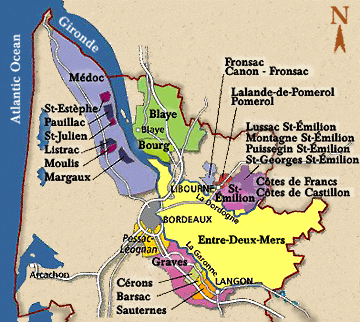 the soils of mainly clay and limestone that cover the “Right Bank” Bordeaux appellations of Pomerol and Saint Émilion are capable of producing wines that reveal the complete range of the Merlot variety and are the reference points for the rest of the world.
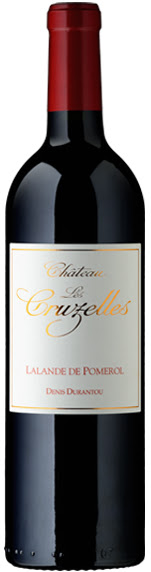 Lalande de Pomerol
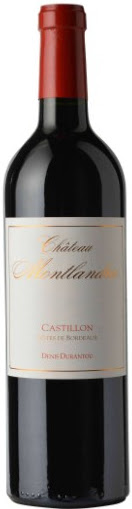 Castillon – Côtes de Bordeaux
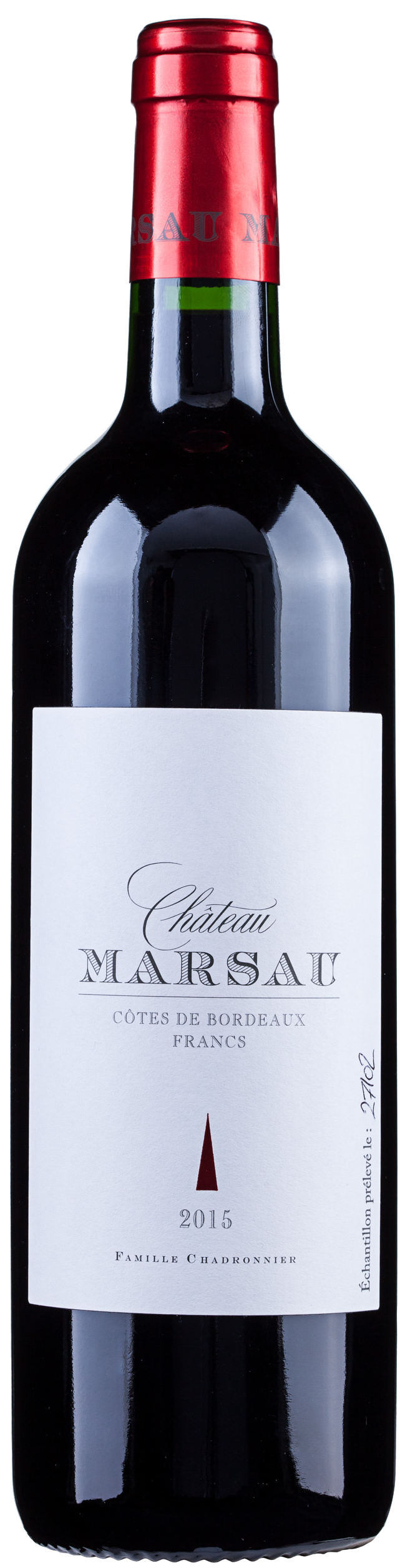 Francs – Côtes de Bordeaux
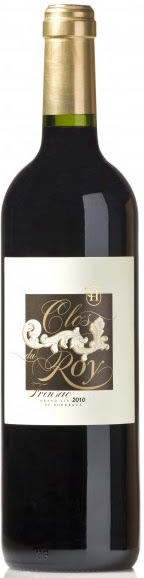 Fronsac
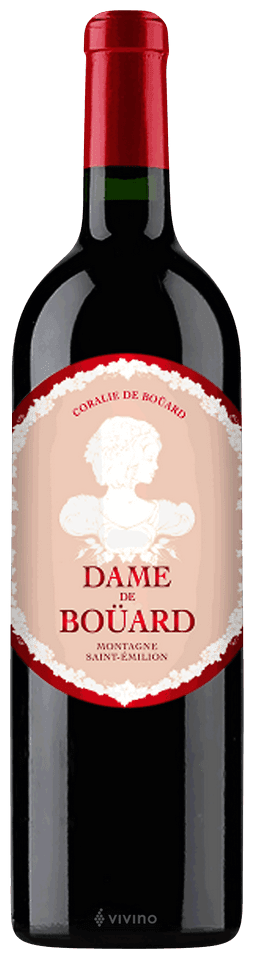 Montagne Saint-Émilion
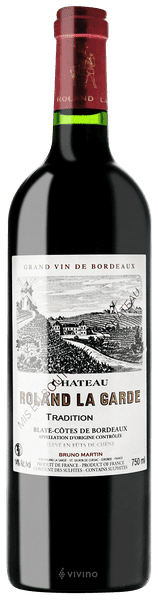 Blaye – Côtes de Bordeaux
 It is one of the oldest active wine producing appellations in the Bordeaux region with a history that dates back to ancient Romans. It was the home of the famous Roman poet and wine lover, Decimus Magnus Ausonius, who served as the inspiration for the name of the now famous Château Ausone.
 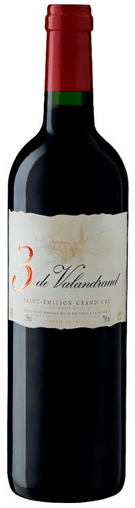 Château Valandraud “3 de Valandraud” (Saint-Émilion Grand Cru 2016) Regular Price $44
 Château Rol Valentin “Les Valentines” (Saint-Émilion Grand Cru 2016) Regular Price $37
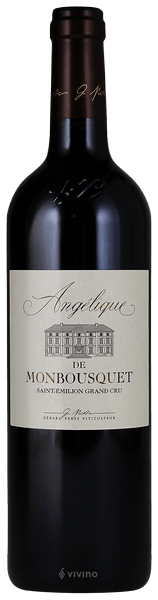 Château Monbousquet “Angélique de Monbousquet” (Saint-Émilion Grand Cru 2015) Regular Price $29
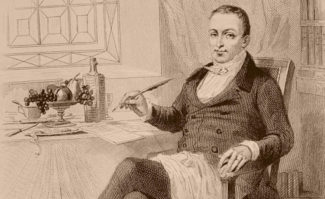
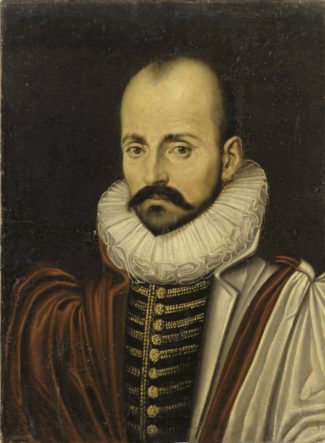 The family name and estate survive to this day in the name of Château d’Yquem — a name you may recognize as perhaps the greatest of all French sweet wines. He penned some of the most enduring, influential essays in history. They explore subjects like fear, friendship, government, the imagination, and other intersections of the seemingly mundane and the profoundly existential.
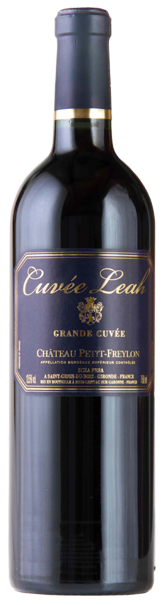 Château Petit-Freylon is located in the tiny Aquitaine village of Saint-Genis-du-Bois. Since 2011, the estate owners have invested heavily in the château’s wine-making facilities, installing such improvements as new tanks, barrels, and thermo-vinification systems. Vineyards cover 75 acres, some of which are within the Bordeaux Supérieur appellation. 30 year old vines grow from clay and limestone soils.
  “Cuvée Leah Grande Cuvée” (Bordeaux Supérieur 2016) Regular Price $22
 “Cuvée Izzy” (Bordeaux Blanc 2016) Regular Price $19
 The price includes tax and delivery, as well as a 10% discount. We will also honor the 10% discount on any bottles you might wish to add to the Wine-Aid package.
 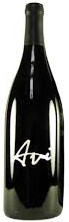 1) Mas l’Altet “Avi” (Valencia, 2011) Regular Price $35
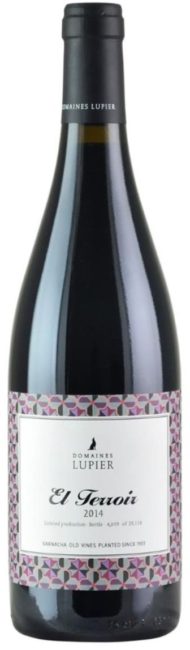 2) Domaines Lupier “El Terroir” (Navarra 2014) Regular Price $34
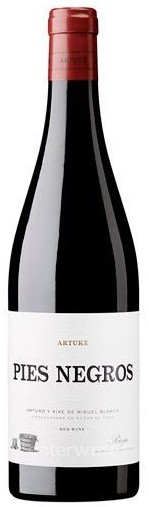 3) Artuke “Pies Negros” (Rioja, 2017) Regular Price $24
 The price includes tax and delivery, as well as a 10% discount. We will also honor the 10% discount on any bottles you might wish to add to the Wine-Aid package.
 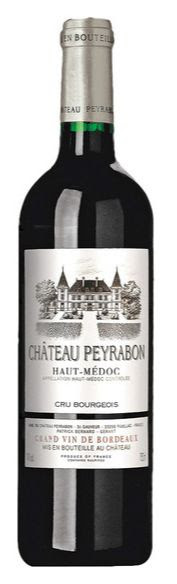 1) Château Peyrabon (Haut-Médoc 2015) Regular Price $25
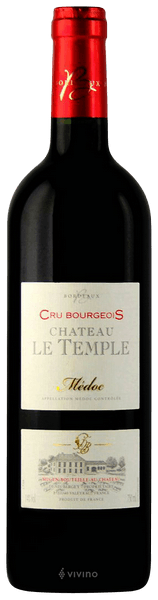 2) Château Le Temple (Médoc 2015) Regular Price $21
 3) Château La Hase (Bordeaux 2015) Regular Price $15
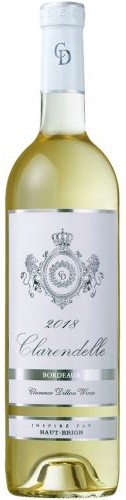 4) Clarendelle Blanc (Bordeaux 2018) Regular Price $23
 The price includes tax and delivery, as well as a 10% discount. We will also honor the 10% discount on any bottles you might wish to add to the Wine-Aid package.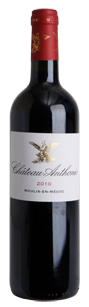
 reputation for making some of the world’s greatest wines.
 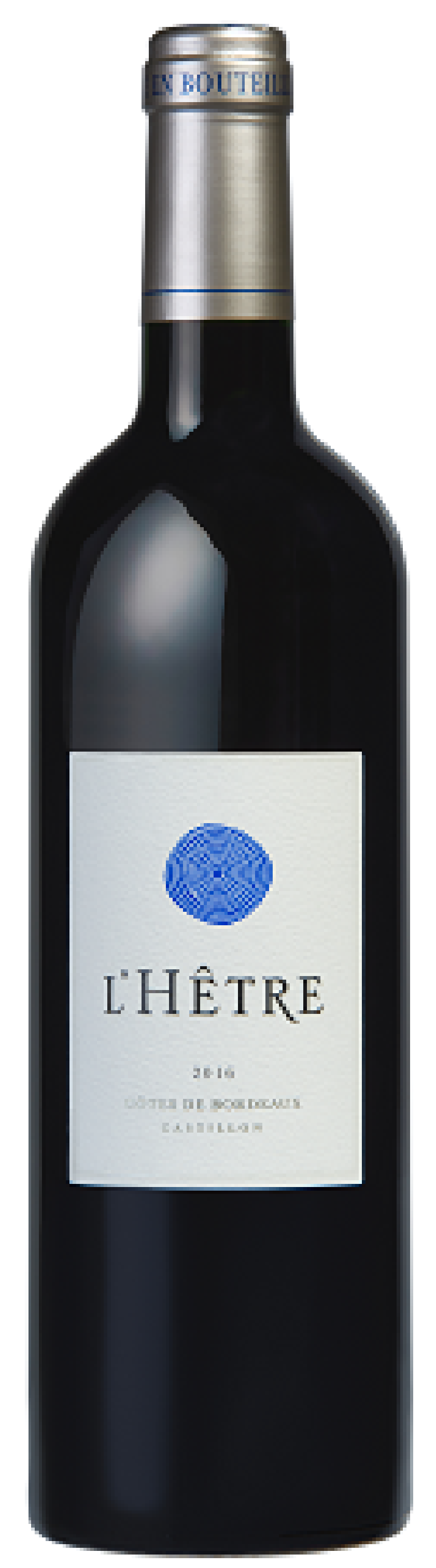 Maxime Thienpont, was tapped to manage the estate. The vineyards enjoy good southeasterly exposure and a continuous gentle breeze. The soil types are mixed, with the parcels on the plateau being limestone, while the slopes are a mixture of clay, limestone, and chalk.
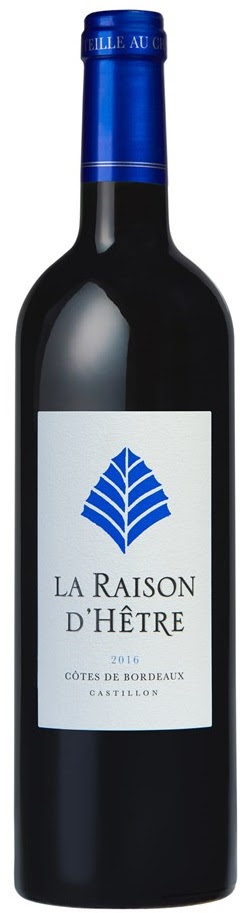 La Raison d’Hêtre (Castillon Côtes de Bordeaux 2017)