Posted on Leave a comment

Appellation Côtes du Rhône Reds from Five Top Châteauneuf-du-Pape Domaines: Just as AMBITIOUS! (10-Bottle Pack $299, All Included)

Many a storied French château can trace their origins to the Romans—far fewer can boast a heritage dating back to the Greeks. But Marseilles—founded in the Sixth Century BCE as Massalia—is a scant seventy miles south of Châteauneuf-du-Pape, and it was through this ancient port that the Ionian Greeks brought France some of her earliest vines. The Ligurian Celts who occupied Southern Rhône were producing wine five centuries before Julius Caesar drew his first breath.

Although Châteauneuf-du-Pape remains her heart and soul, Southern Rhône slithers across a vast, fecund territory, producing 95% of Rhône Valley’s total wine output. It follows a vinous path beginning in the commune of Montélimar, about 30 miles south of Valence, and extends to the medieval city of Avignon, once the seat of the Catholic popes. The climate here is considerably warmer than it is along the Rhône’s northern banks, and the favored grape varieties are those that thrive best through hot and humid summers. Unlike its northerly neighbor, which relies heavily (and at times entirely) on Syrah, wines from the south are generally blends based on a balance of viniculture’s Holy Trinity—Grenache, Syrah and Mourvèdre—along with a legion of other grapes. These wines often represent tremendous value as well as a diverse tasting experience comfortably described as ‘sunny’ because of the bright fruit and warm herb notes expressed.

Côtes du Rhône AOC is one of the largest single appellation regions in the world, covering millions of acres and producing millions of bottles of wine of varying degrees of quality. In Southern Rhône, it encompasses the majority of vineyards and includes hallowed names like Gigondas, Vacqueyras and Châteauneuf-du-Pape. The latter wines prefer to use their individual, highly specific ‘cru’ names, but the truth is, many generic Côtes du Rhônes may come from plots just outside official ‘Villages’ boundaries—some only across the road or a few vine rows away—and among them, you can find wines with nearly the same level of richness at a fraction of the cost.

Of course, there is more to being an acclaimed appellation than simply terroir; the top producers in the Côtes du Rhône also adhere to a highly restrictive set of rules involving everything from lower than allowed maximum yields per acre to minimum alcohol content without chaptalization to permitted varietals; the requirements for a generic Côtes du Rhône is much less stringent.

The best—and by most accounts, the most reliable—of the many Côtes du Rhône labels is the insignia-embossed Châteauneuf-du-Pape, which hails from a remarkable region between the towns of Orange and Avignon. Named for the castle built by the 14th Century Pope John XXII, this heavily-extracted wine is the template after which most Côtes du Rhône reds model themselves, and in fact, it’s the copycats that persuaded the producers of genuine Châteauneuf-du-Pape producers to apply to the French government to protect their name, making it the first AOC in France. The unique combination of precipitation (Châteauneuf-du-Pape is very dry) and wind (the cool, powerful Mistral blows from the northeast, down the Rhône Valley corridor, and into the Gulf of Lion in the northern Mediterranean) and especially, the large, flat stones known as galets which serve to prevent surface evaporation and reflect sunlight into the canopy. This happens to be conditions ideal for Grenache to realize full potential, and as a result, Châteauneuf-du-Pape is largely built around this grape, typically grown on low bush vines. Syrah adds black-fruit spice, and is grown on cooler higher ground; Mourvèdre brings flesh and acidity, and makes up about 10% of a typical blend. To a decreasing extent, Cinsault is used for aromatics; a total of 13 varieties are permitted, giving the wine a legendary and almost unrivaled complexity. Big-shouldered, occasionally blustery, Châteauneuf-du-Pape wine may, in ideal vintages, be as enjoyable to drink in its youth as it is with age. When young, a core of perfumed fruit tames the tannins and acidity, and tempers into rich leather and smoky, earth-tones as it grows older.
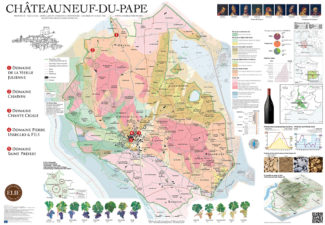
Limited to five communes, Châteauneuf-du-Pape commands prices worthy of its reputation, but many of the estates own vines just outside the tight borders and there are some plots on which some vineyard rows may be labeled Châteauneuf-du-Pape and adjacent rows, Côtes du Rhône. The finest of these face the challenge of bureaucracy rather than terroir. We firmly believe that the following wines offer extraordinary ‘CdP-esque’ quality at a phenomenal price; they are suited to those who drink for the wine instead of the label. A 10-bottle pack, two of each, for an all-inclusive price of $299.

Domaine de la Vieille Julienne
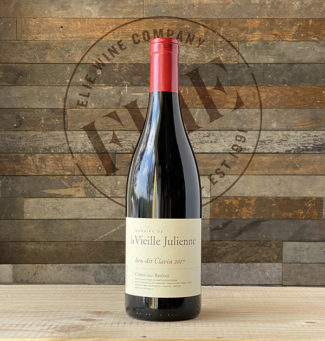
Domaine de la Vieille Julienne’s Lieut-dit Clavin exists as a 50-acre plot at the northern limit of Châteauneuf-du-Pape, and indeed, the same vineyard that produces Châteauneuf-du-Pape “Les Trois Sources” (representing the three highest terraces of north-facing Clavin), and “Les Hauts-lieux” (representing the lower terraces), also produces Côtes du Rhône “Lieut-dit Clavin” ($36). A structured and beefy gem, the 2017 showcases dark tannins beneath beautiful, juicy fruit; there are rich and charming notes of blackcurrant jam, black and red licorice and a wreathe of plum and tobacco in an earthen core.


Domaine Saint Préfert

On the southern end of Châteauneuf-du-Pape, owner/winemaker Isabel Ferrando was (in her words) ‘born into the howling mistral winds and the singing cicadas.’ Those memories drew her to winemaking after a successful career in banking, and today, she produces wines that consistently score in the 90s. “Clos Beatus Ille” 2019 ($33) is her Côtes du Rhône label, and presents a luscious mouthfeel framed by firm, densely packed tannins and showing crushed red fruits, thyme with black tea and graphite notes.


Domaine Pierre Usseglio & Fils

Founded in 1948 by Italian winemaker Francis Usseglio, the domain released its first vintage the following year. Since then, the family has nurtured 17 parcels over almost fifty acres situated within some of the best terroirs in Châteauneuf-du-Pape, and today, brothers Jean-Pierre and Thierry Ussegliodivide their time between cellar and vineyards, updating technique without compromising the traditional style espoused by their father. They produce world-class Châteauneuf-du-Pape, but also, among the most refined Côtes du Rhône bottlings to be found, especially in this rare and benchmark vintage. The Côtes du Rhône 2016 ($26) is chewy and delectable, with bright red mulberry notes above garrigue and smoke.


Domaine Charvin
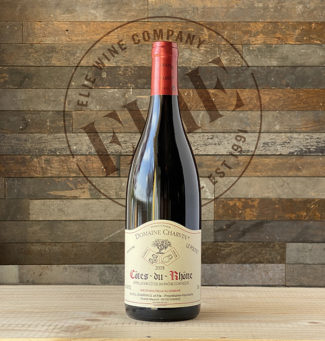
Laurent Charvin tends vines in the northwest end of Châteauneuf-du-Pape, primarily in Cabrières, Maucoil and Mont Redon. He farms organically, and vinifies old-school, without de-stemming and fermenting in concrete tanks for 21 months before being bottled unfiltered. From a sandy, north-facing hillside, “Le Poutet” 2018 ($26) is an exemplary Côtes du Rhône that shows Grenache elegance with ripe blackberry and mulberry mingled in bramble and spice. The palate is intense and generous and is wonderful testimony to the winemaker’s attention to detail.


Domaine Chante Cigale
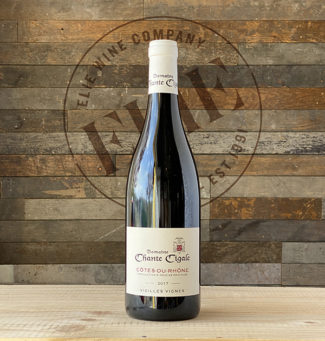
The roots of this domain extend back to 1874, when the delightfully-named Hyppolite Jourdan christened the estate Chante Cigale, meaning ‘song of the cicada’, as can be heard throughout Southern Rhône. Alexandre Favier currently runs the winery—now expanded to nearly a hundred acres—maintaining the family’s winemaking traditions. “Vieilles Vignes” 2017 ($20) is a showy Côtes du Rhône packed with plush blackberry and rounded blueberry on the palate, with smoky notes in the mid-palate edged by minerality, bright acidity and fine-grained tannins.


Posted on Leave a comment

Saturday Sips Review Club March 2021 Selection (6-Bottle Package, $288) Provence’s Standout Cru: Bandol with Four Masterful Producers

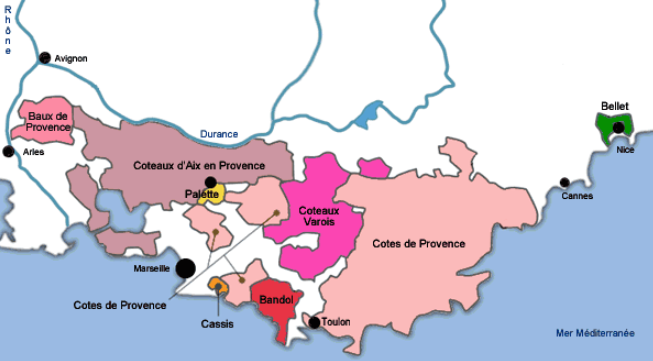
Charming Provence. Between olive groves and pine forests the rocky landscape is wild with the fragrant garrigue that marks its wines. This picturesque southern French region on the Côte d’Azur is famous for its rosé, but with a little bit of digging, and some guidance from your favorite local wine merchant, you can find some of France’s most structured, age-worthy red wines. Although relatively small, Bandol is easily Provence’s most important appellation.

Bandol wine is grown in small quantities in the limestone hills near the village of Bandol, east of Marseille and west of Toulon. It’s sun-soaked southerly terraces brushed with Medditerranean breezes are ideal for cultivating Mourvèdre — a grape variety with one of the longest growing cycles, but when fully ripened has the potential to create some of the most substantial and long-lived wines on our pale blue dot. Being one of mainland France’s driest, sunniest climates, fungal diseases are not the perennial threat they are elsewhere, making the region well-suited to organic viticulture. Bandol red wines must be at least 50 percent Mourvèdre, with the remainder generally blended with the classic grapes of the Mediterranean: Grenache, Cinsault, Syrah, and Carignan.
We are pleased to offer a selection of exceptional wines that speak of sunny Provence. Included in the package are wines from Bandol’s top producers, with five bold and meaty red wines that you can enjoy now or ten years from now, and a rare white Bandol.

Included in Saturday Sips Review Club March 2021 Selection 6-Bottle Package are one each of the following wines:

Domaine Tempier 

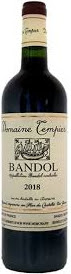
One of the oldest family-run estates in the region, Domaine Tempier is also the most recognized. The family was largely instrumental in getting the appellation of Bandol established in 1941. Bandol RED 2018 (Regular $56) is the quintessential expression of Mourvèdre, grown on terraced vineyards on steep hills around the “plan du Castellet.” The wine is full of fruit and earthy flavor, coupled with fine-grained tannins, and a complexity from the multiplicity of soil types that surround the estate, from pure limestone to ancient sandstone and limestone marls. The wine is a blend of Mourvèdre (around 75%), with Grenache and Cinsault, and, in small proportions, Carignan and Syrah, with vines at an average of 35 to 40 years old.

Domaine de la Tour du Bon 

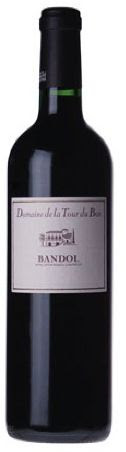
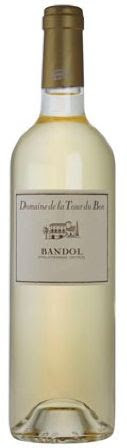
Agnès Henry is the winemaker and owner of Domaine de la Tour du Bon. Although the estate has been in the family since 1968, it is Agnès that has cemented its current acclaim. Her 42 acres are a mix of red earth, clay, sand, and gravel that all rest atop a limestone plateau near the village of Le Brûlat. Agnès calls her Bandol RED 2016 (Regular $38) true “blood of the earth.” The blend is 53% Mourvèdre, 27% Grenache, 10% Cinsault, and 10% Carignan from extremely low-yielding vines. The Grenache adds a light cherry fruit to balance out the striking power of the Mourvèdre, while the small additions of Cinsault and Carignan work to bind the two main varieties.

Domaine de Terrebrune

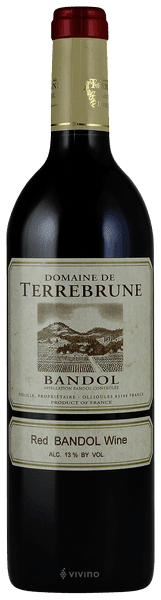
Reynald Delille heads this lauded estate nestled among the foothills of the limestone massif of Gros Cerveau. Certified organic, the estate’s terroir is characterised by the presence of limestone in its brown clay soil which inspired the estate’s name. With Mourvèdre accounting for 85% of the final assemblage, Reynald’s Bandols have an ethereal quality to them — the vineyards lie directly in the path of marine breezes that sweep off the Mediterranean, providing his wines with a mouthwatering saline quality. Bandol RED 2016 (Regular $54) is a fine example. With flavors of black fruit, anise, and wild herbs, its rich texture seems effortless, and its minerality profound. Bandol WHITE 2019 (Regular $41) is a blend of Clairette, Ugni Blanc, and Bourboulenc that shows remarkably subtle ripe peach and pear notes that are balanced with a refreshing, herbal greenness.

Domaine du Groś Nore 

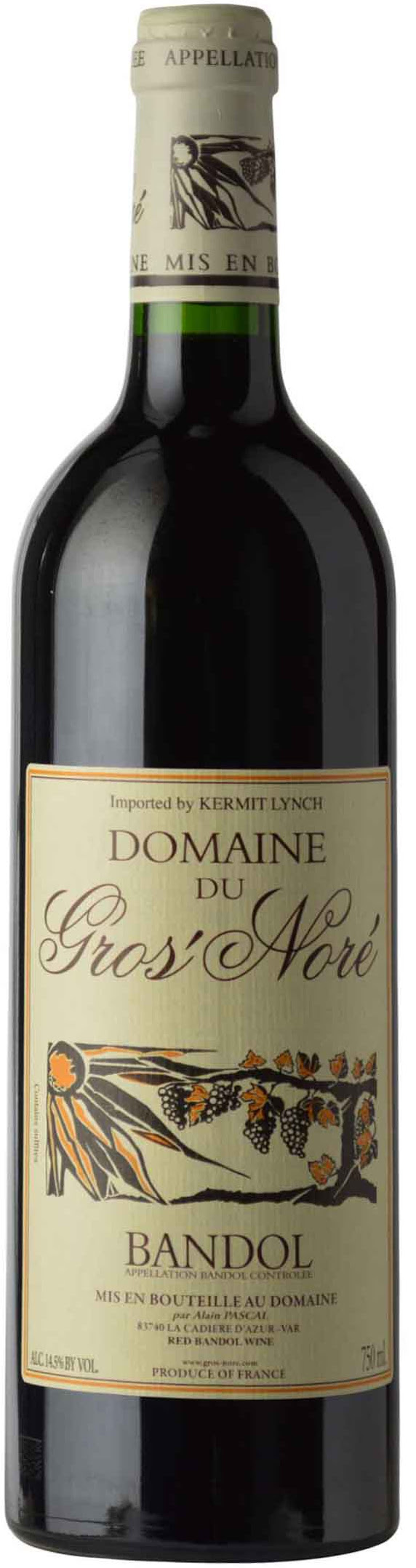
Born in a small house set among the vineyards of Bandol, Alain Pascal always knew he wanted to be a farmer. He bottled his first estate wines in 1997. From the very beginning, Alain produced his wines with minimal intervention — bottled without filtering and fermented with indigenous yeasts. Cultivation is essentially organic, as no chemicals are used on the vines. To provide power and concentration, Alain uses 80% Mourvèdre in Bandol RED 2016 (Regular $47), his flagship cuvée. The rest of the blend is 15% Grenache and 5% Cinsault. The wine is fermented in stainless steel vats and then aged for 18 months in large oak foudres. It has a lovely, elegant nose of jellied black cherry fruit and mediterranean herbs. It’s bold yet supple on the palate with concentrated fruit, clean earth, stone, and refined tannins. Bandol RED 2011 (Regular $79) has a few years of maturity. The 2011 vintage shows similar characteristics as the 2016, but has softened and integrated a bit more.

Posted on Leave a comment

Provence’s Standout Cru: Bandol with Five Masterful Producers (6-Bottle Wine-Pack $245, All Included)

Charming Provence. Between olive groves and pine forests the rocky landscape is wild with the fragrant garrigue that marks its wines. This picturesque southern French region on the Côte d’Azur is famous for its rosé, but with a little bit of digging, and some guidance from your favorite local wine merchant, you can find some of France’s most structured, age-worthy red wines. Although relatively small, Bandol is easily Provence’s most important appellation.

Bandol wine is grown in small quantities in the limestone hills near the village of Bandol, east of Marseille and west of Toulon. It’s sun-soaked southerly terraces brushed with Medditerranean breezes are ideal for cultivating Mourvèdre — a grape variety with one of the longest growing cycles, but when fully ripened has the potential to create some of the most substantial and long-lived wines on our pale blue dot. Being one of mainland France’s driest, sunniest climates, fungal diseases are not the perennial threat they are elsewhere, making the region well-suited to organic viticulture. Bandol red wines must be at least 50 percent Mourvèdre, with the remainder generally blended with the classic grapes of the Mediterranean: Grenache, Cinsault, Syrah, and Carignan.

We are pleased to offer a selection of exceptional wines that speak of sunny Provence. Included in the package are wines from Bandol’s top producers, with four bold and meaty red wines that you can enjoy now or ten years from now, a rare white Bandol, and the pinnacle of Provence rosé, a Bandol rosé. It’s an ideal sampler of all the appellation has to offer.

Included in Provence’s Standout Cru 6-Bottle Package are one each of the following wines:

The price includes a 10% discount, tax, and delivery. We will also honor a 10% discount on any bottles you might wish to add to the package.

Domaine Tempier 

One of the oldest family-run estates in the region, Domaine Tempier is also the most recognized. The family was largely instrumental in getting the appellation of Bandol established in 1941. Bandol RED 2018 (Regular $56) is the quintessential expression of Mourvèdre, grown on terraced vineyards on steep hills around the “plan du Castellet.” The wine is full of fruit and earthy flavor, coupled with fine-grained tannins, and a complexity from the multiplicity of soil types that surround the estate, from pure limestone to ancient sandstone and limestone marls. The wine is a blend of Mourvèdre (around 75%), with Grenache and Cinsault, and, in small proportions, Carignan and Syrah, with vines at an average of 35 to 40 years old.

Domaine de la Tour du Bon 

Agnès Henry is the winemaker and owner of Domaine de la Tour du Bon. Although the estate has been in the family since 1968, it is Agnès that has cemented its current acclaim. Her 42 acres are a mix of red earth, clay, sand, and gravel that all rest atop a limestone plateau near the village of Le Brûlat. Agnès calls her Bandol RED 2016 (Regular $38) true “blood of the earth.” The blend is 53% Mourvèdre, 27% Grenache, 10% Cinsault, and 10% Carignan from extremely low-yielding vines. The Grenache adds a light cherry fruit to balance out the striking power of the Mourvèdre, while the small additions of Cinsault and Carignan work to bind the two main varieties. Fragrant with citrus and flowers, Bandol WHITE 2018 (Regular $35) is 75% Clairette, 15% Ugni Blanc, and 10% Rolle from very low yielding vines. It’s full-bodied but not heavy on the palate with a mineral finish that shows a hint of fennel.

Domaine de Terrebrune

Reynald Delille heads this lauded estate nestled among the foothills of the limestone massif of Gros Cerveau. Certified organic, the estate’s terroir is characterised by the presence of limestone in its brown clay soil which inspired the estate’s name. With Mourvèdre accounting for 85% of the final assemblage, Reynald’s Bandols have an ethereal quality to them — the vineyards lie directly in the path of marine breezes that sweep off the Mediterranean, providing his wines with a mouthwatering saline quality. Bandol RED 2016 (Regular $54) is a fine example. With flavors of black fruit, anise, and wild herbs, its rich texture seems effortless, and its minerality profound.

Domaine du Groś Nore 

Born in a small house set among the vineyards of Bandol, Alain Pascal always knew he wanted to be a farmer. He bottled his first estate wines in 1997. From the very beginning, Alain produced his wines with minimal intervention — bottled without filtering and fermented with indigenous yeasts. Cultivation is essentially organic, as no chemicals are used on the vines. To provide power and concentration, Alain uses 80% Mourvèdre in Bandol RED 2016 (Regular $47), his flagship cuvée. The rest of the blend is 15% Grenache and 5% Cinsault. The wine is fermented in stainless steel vats and then aged for 18 months in large oak foudres. It has a lovely, elegant nose of jellied black cherry fruit and mediterranean herbs. It’s bold yet supple on the palate with concentrated fruit, clean earth, stone, and refined tannins.

La Bastide Blanche 

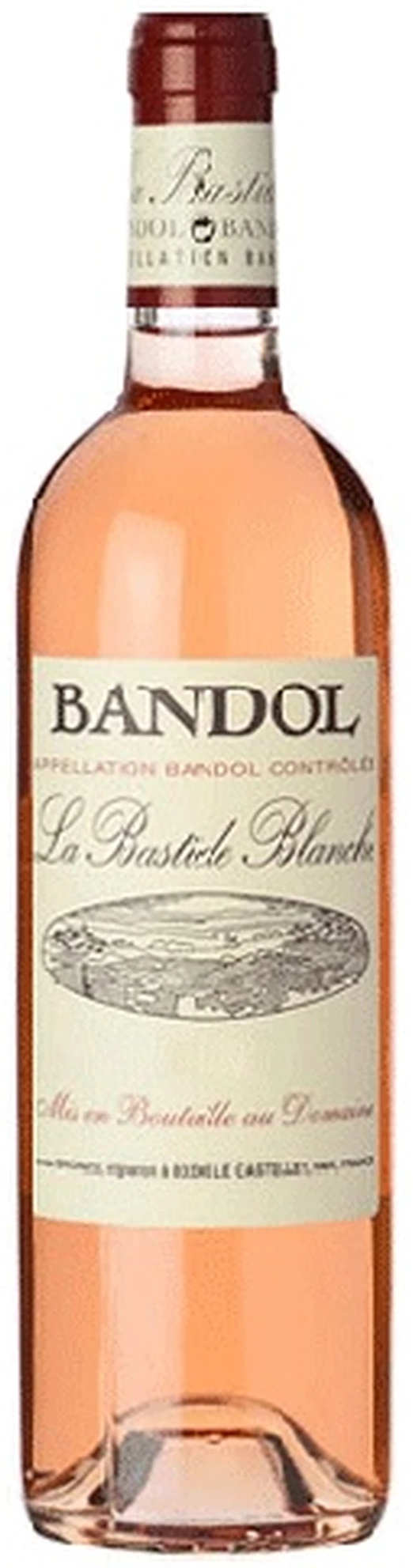
In the early 1970s Michel and Louis Bronzo acquired Bastide Blanche with the goal of producing Bandol wines of comparable quality to southern France’s more renowned appellations at the time. Today they are recognized as one of the top producers in the country. Low yields and an impeccable cellar help to create some of the most expressive wines of Bandol. Bandol ROSÉ 2019 (Regular $27) is classy and classic Provençal rosé. Mourvèdre is the base grape with about equal parts Cinsault and Grenache from fruit hand-harvested off of vines growing in clay-limestone soil. Notes of red berries, blood orange, and fresh cut herbs dominate this savory and balanced wine.

Posted on Leave a comment

Southern Rhône Riches: Châteauneuf-du-Pape’s Sister Cru Villages (10-Bottle Wine-Pack $325, All Included)

Châteauneuf-du-Pape is quite often the gateway region that introduces curious wine drinkers to the essence of terroir. An almost perfect union of soils, climate, and grape varieties combine to create one of the world’s great red wines that tends to be expressive from youth to maturity, with an exuberance and sophistication rarely matched. The next best thing to a great Châteauneuf-du-Pape is a less expensive, yet superb bottle of Southern Rhône red wine from nearby appellations that costs a fraction compared to its more prominent cousin.

The Rhône River stretches from the Alps to the Mediterranean through an incredibly diverse expanse. At its southern end, between the cities of Vienne and Avignon, rolling hills meet plateaus of varying elevation under the toasty Mediterranean sun. Long, warm summers and mild winters allow the region’s dominant grape variety, Grenache, to yield good concentration via stony soils and low rainfall. This is the region of France’s most user-friendly wines.
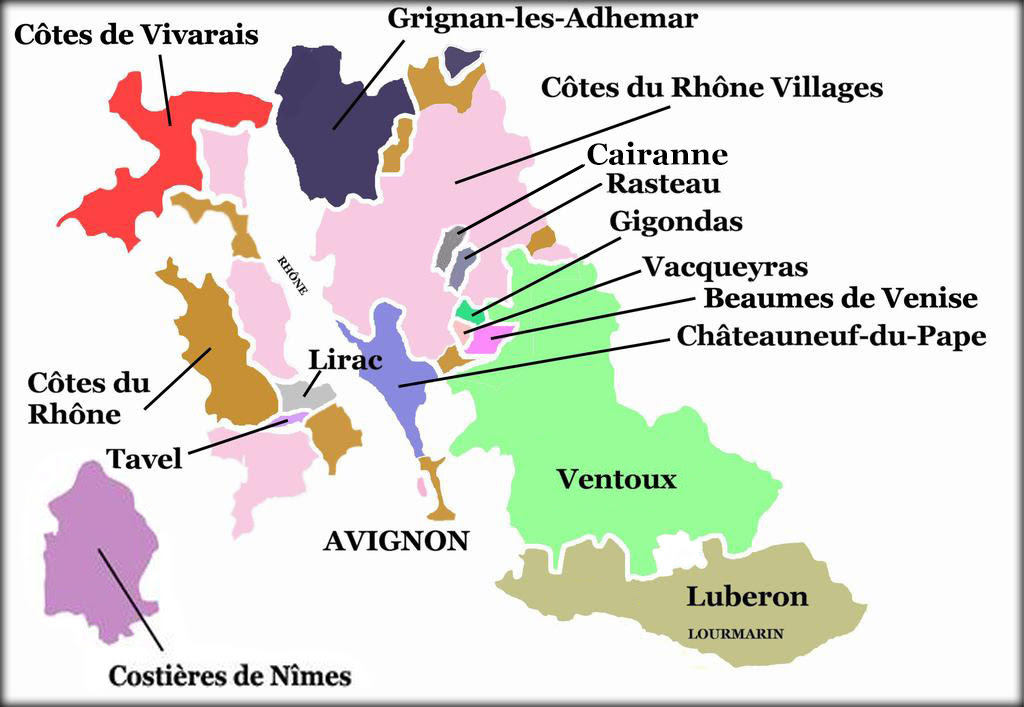
We are pleased to offer a box of easy-drinking yet refined red wines from Châteauneuf-du-Pape’s sister Cru villages. These are wines with a warmth ideal for pairing with hearty meals and cold winter nights. The appellations of Cairanne, Gigondas, Lirac, Rasteau, and Vacqueyras are all capable of producing wines of superior quality that often rival their more celebrated neighbor, and are made with similar strict and rigorous regulations.

Included in Southern Rhône Riches 10-Bottle Package are two each of the following wines:

The price includes a 15% discount, tax, and delivery. We will also honor a 10% discount on any bottles you might wish to add to the package.

Vacqueyras

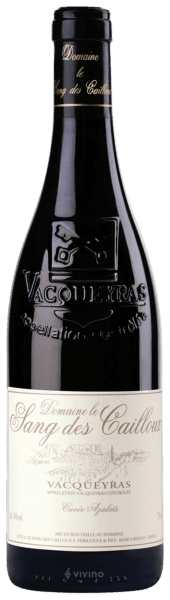
The second Côtes du Rhônes Villages to be upgraded to Cru status and a stone’s throw across Vaucluse from the famed vineyards of Châteauneuf-du-Pape, Vacqueyras sits beneath the jagged, lacy peaks of the Dentelles de Montmirail rising up in the east. 70% Grenache, 20% Syrah, 10% Mourvèdre and Cinsault, Serge Férigoule’s Domaine Le Sang des Cailloux 2018 (Regular $45) is easily one of the best of the type. The fruit is organically farmed on the great Plateau des Garrigues, where red clay, limestone, and the famous galets roulés, or rounded stones, impart an intensity and depth to the wines. The wine is dark, rich, full-flavored, wild and chewy, with notes of leather, spicy garrigue, and smoky, black fruit.

Cairanne

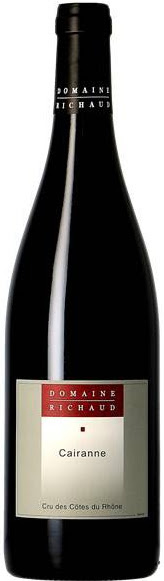
Cairanne (elevated to cru status in 2016) is perhaps the most promising and exciting subregion in Southern Rhône today. The village is situated atop a range of low hills with ideal exposure. It’s elevation ensures slightly cooler temperatures than much of the region and lends a brightness and delicacy to the wine. Marcel Richaud’s Domaine Richaud 2018 (Regular $37) is an organically certified cuvée that aims to express the village’s terroir from soils of poor, stony clay-limestone on mid-slope plots. A blend of Grenache, Syrah, Mourvèdre, and Carignan from 40 to 70-year-old vines, the wine is fermented and aged primarily in concrete tanks, with a portion in oak barrels, then bottled unfined and unfiltered with only a small amount of sulfites. The result is a wine that is both rich and electric, with complex aromas of fruit (both fresh and preserved) and herbal spice. A sip fills the mouth with ripe berries and licorice riding a mineral spine.

Lirac

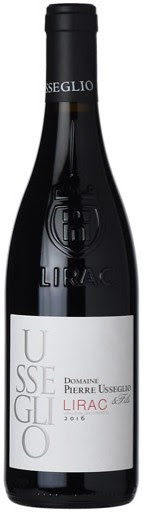
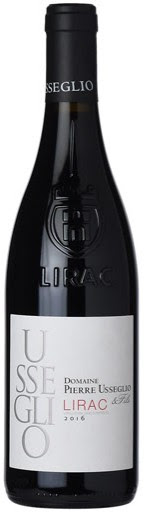
Situated in the low-lying hills on the right bank of the Rhône River directly across from Châteauneuf-du-Pape, Lirac reds are elegant, well-balanced, and structured. Domaine Pierre Usseglio, now run by his sons, Jean-Pierre and Thierry, has risen to such prominence over the past two decades, it must be considered as not only one of the top addresses in Southern Rhône but in all of France. Domaine Pierre Usseglio 2018 (Regular $37) is a blend of 60% Grenache, 15% Syrah, 15% Mourvèdre, and 10% Cinsault from clay and pebble soils. The vines are around forty years old. The wine is aged in concrete vats and demi-muids over a period of 12 months to produce a sturdy, solidly built drink loaded with notes of plum, cola and spice. It’s full-bodied, finishing warm and velvety.

Rasteau

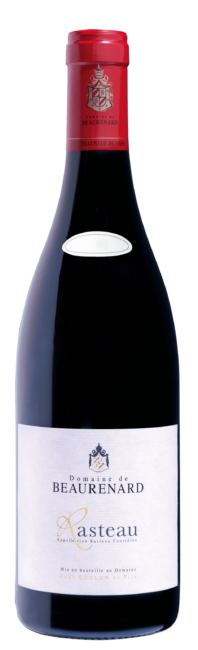
The village of Rasteau was awarded cru status way back in 1944 for their sweet, Vin Doux Naturel. It took a little longer to see the hard work and determination of the region’s vignerons to be awarded cru status for their deeply-colored, robust, dry red wines but now the appellation is considered one of Southern Rhône’s best. Traditional winemakers Daniel and Frédéric Coulon hold around 60 acres in the Rasteau appellation. All of Domaine de Beaurenard’s vines are certified biodynamic. In the vineyards, these methods involve working the soil without herbicides, spreading carefully-dynamised manure, and maintaining sensible grass cover. Domaine de Beaurenard 2017 (Regular $32) is all herbal and red cherries. A blend of 80% Grenache, 17% Syrah, and 3% Mourvèdre, it’s medium to full-bodied, creamy and supple.

Gigondas

Gigondas is the first Côtes du Rhônes Villages to be upgraded to Cru status (1971). It borders Vacqueryas to the northeast and lies within the protection of the toothy, lacy, and majestic rock faces of the Dentelles de Montmirail. Think of it as Châteauneuf-du-Pape from higher, rockier ground. A blend of 80% Grenache and 20% Syrah, Pierre Amadieu “Romane Machotte” 2018 (Regular $30) comes from vines averaging 45 years old growing in alternating Cretaceous limestone and marl soils with a northwest exposure at an altitude of almost 1,000 feet. It ages 12 months in oak foudres and barrels. Berry salad flavors are enveloped in soft yet powerful tannins, mingling with scents of Provençal wild herbs.

Posted on Leave a comment

Saturday Sips + Saturday Sips Review (6-Pack for $200 All-Included): Châteauneuf-du-Pape, Lirac, Côtes-du-Rhône from Next-Generation Star Estate

Domaine Pierre Usseglio has risen to such prominence over the past two decades, it must be considered as not only one of the top addresses in Chateauneuf-du-Pape but in all of France.

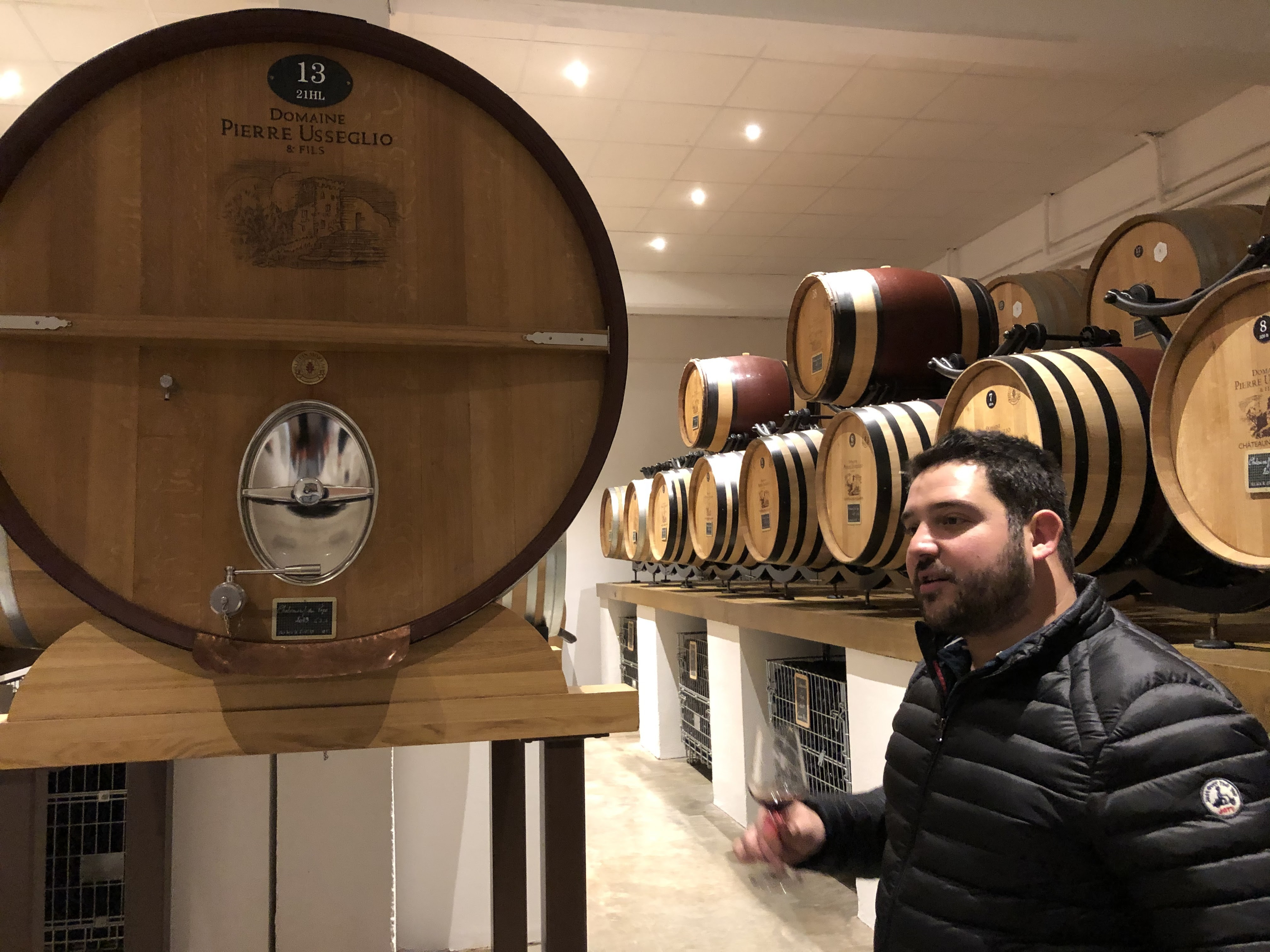
The name Usseglio is well-regarded in the region. It started back in 1949 when Francis Usseglio, after leaving Italy to work the vineyards of Châteauneuf-du-Pape, produced his first vintage. His two sons both made winemaking their life’s work, with Pierre taking over, and expanding, the family estate, while Raymond went on to build his own remarkable winemaking operation. Today, Domaine Pierre Usseglio is run by Pierre’s two sons, Jean-Pierre and Thierry. Clearly, wine runs through the family’s veins.
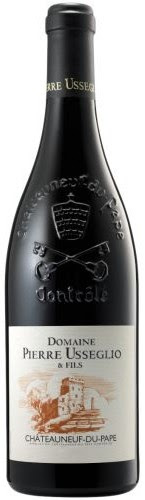
Presently, the estate covers nearly 100 acres, 59 acres are dedicated to Châteauneuf-du-Pape red, 2.5 acres to Châteauneuf-du-Pape white, 14 acres in Lirac, 14 acres in Côtes-du-Rhône, and 5 acres that produce their Vin de France.

Half of the estate’s vines are over 65 years old, with the other half over 40 years old. Yields are very low and the harvest is always manual with highly selective sorting. The result is wines that are both lush and powerful, with loads of red fruit and spices.

2016 is being heralded as one of the finest vintages in Châteauneuf-du-Pape in the past few decades, with some winemakers even comparing it to the epic 1990 vintage. Warm conditions throughout 2016, along with reduced yields, have resulted in wines of superb concentration. Don’t miss out on this monumental vintage. Join us this Saturday to see what the fuss is about.

Saturday Sips Review Package (6-Pack for $200 All-Included): Châteauneuf-du-Pape, Lirac, and Côtes-du-Rhône from a Next-Generation Star Estate

The price for this Saturday Sips Review Package includes tax and delivery, as well as a 15% discount. We will also honor a 10% discount on any bottles you might wish to add to the package.


1 BOTTLE Châteauneuf-du-Pape (2016) RED, Regular Price: $62
A blend of 80% Grenache, 10% Syrah and 5% each Cinsault and Mourvèdre from soils of sand, clay, limestone, and rolled pebbles. This diversity of terroir allows for complex and balanced wines. The vines are between 40 and 75 years old. Maturation takes place in oak barrel, demi-muids, and concrete vats over a period of 12 months. It’s a wine that’s deceptively easy to drink, with intoxicating notes of raspberries and chocolate that transition to a long and smooth finish.


2 BOTTLES Lirac (2017) RED, Regular Price: $35
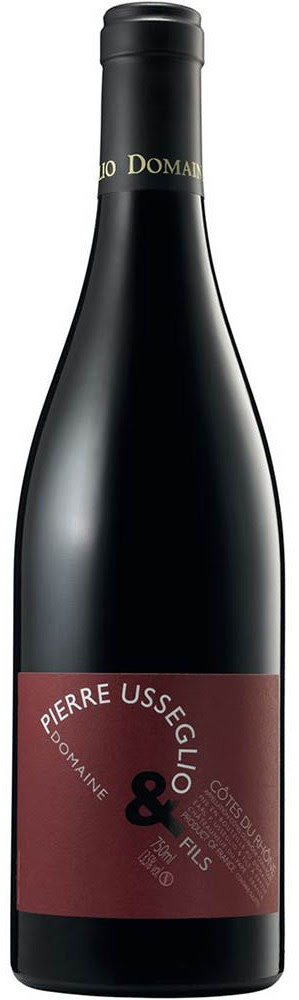
A blend of 60% Grenache, 15% Syrah, 15% Mourvèdre, and 10% Cinsault from clay and pebble soils. The vines are around forty years old. The grapes are harvested manually and completely destemmed. The wines are aged in concrete vats and demi-muids over a period of 12 months. The 2017 Lirac is a sturdy, solidly built wine loaded with notes of plum, cola and spice. It’s full-bodied, finishing warm and velvety.


3 BOTTLES Côtes-du-Rhône (2016) RED, Regular Price: $30
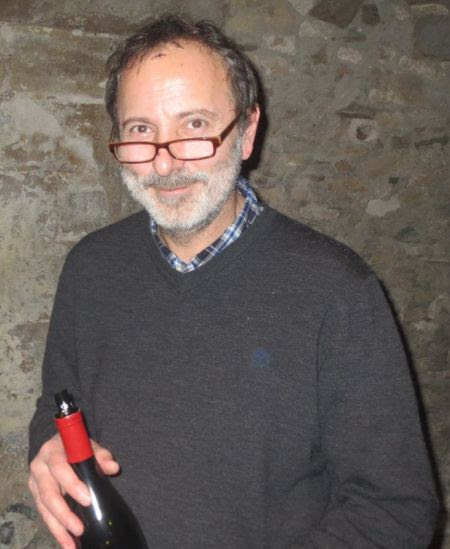
A blend of 60% Grenache, 20% Mourvèdre, and 20% Cinsault from sandy and stony soils in several sites adjoining Châteauneuf-du-Pape. The wine matures for six months in concrete vats and is bottled in the spring after harvest. This 2016 vintage Côtes-du-Rhône overdelivers in every way, drinking much like a baby Châteauneuf-du-Pape. Cherry liqueur and hints of chocolate lead into a dense and creamy finish.

Posted on Leave a comment

Saturday Sips + Saturday Sips Review Package (6-Pack for $310 All-Included): 3 Expressions of Châteauneuf-du-Pape Terroir From Exceptional Producer

If you like biodynamic wines, Châteauneuf-du-Pape, and lauded producers, you’ll find them all at this Saturday’s tasting,

One of France’s most influential vignerons, Jean-Paul Daumen is the fifth-generation owner and winemaker of Domaine de la Vieille Julienne. Jean-Paul began his tenure at the family-run estate in 1990 and immediately began building a reputation as one of Southern Rhône’s most esteemed producers. The estate is comprised of 50 acres, in a single block, on the heights of “lieu-dit Clavin” at the northern limit of Châteauneuf-du-Pape.

Time has shaped these north-facing slopes, placing pebbles, gravels, sands, and red clay over safres (a soft sandstone) from the Miocene Epoch, creating a mosaic of various and subtle terroirs. Jean-Paul exploits these varying parcels to create singular, harmonious, and balanced wines. Each of the parcels are field blends with an average age of 60 years, but the estate also has old Grenache vines over 100 years old.

The vines are cultivated using biodynamic principles. Harvests are entirely done by hand into small boxes to preserve the integrity of the fruit, with a first selection in the vineyard and a second selection when the grapes arrive at the winery. Fermentation is completed with indigenous yeasts and sulfites are used sparingly when bottling. Aging takes place in a combination of foudres and old, oak barrels.

All of this meticulous work in the fields and cellar, combined with exceptionally low yields, are what makes Jean-Paul Daumen’s pure and powerful wines some of the most sought after.

Saturday Sips Review: $310 — 3 Expressions of Châteauneuf-du-Pape Terroir From an Exceptional Producer  

The price for this Saturday Sips Review Package includes tax and delivery, as well as a 15% discount. We will also honor a 10% discount on any bottles you might wish to add to the package.

1 BOTTLE “Les Hauts-Lieux” (Châteauneuf-du-Pape 2016) RED, Regular Price: $99

The 1.1 acre “Les Hauts-Lieux” is the highest elevation and the most sheltered terroir on the slopes. Marlstone soils and shallow safres are covered with quartzite pebbles and very suitable for Mourvèdre vines. A blend of Grenache, Mourvèdre, Cinsault, and Counoise with an average age of 70 years shape a wine that is both vigorous and elegant.

1 BOTTLE “Les Trois Sources” (Châteauneuf-du-Pape 2016) RED, Regular Price: $77

“Les Trois Sources” is 21 acres located mid slope on a mix of safres, pebbles, and red clays. The blend is a classic mix of Châteauneuf-du-Pape varieties including Grenache, Cinsault, Syrah, Counoise, Mourvèdre, Muscardin, Terret Noir, Vaccarèse, Grenache Blanc, Bourboulenc, Clairette, and Picardan (average age 75 years) producing a wine with the perfect balance of power and finesse

2 BOTTLES “Lieu-Dit Clavin” (Côtes-du-Rhône 2017) RED, Regular Price: $42 

85 year old vines on the heights of “lieu-dit Clavin” grow in sand and red clay covering Miocene safres. This is the early maturity part of the slopes, producing tender and seductive wines. 13.6 acres grow this blend of Grenache, Cinsault, Syrah, Mourvèdre, Bourboulenc, Clairette and Grenache Blanc.

2 BOTTLES “Lieu-Dit Clavin” (Côtes-du-Rhône 2019) WHITE, Regular Price: $42
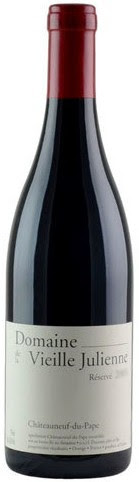
The white grape field blend of Clairette, Grenache Blanc, Bourboulenc, Marsanne, Roussane, and Viognier is located on the northern, steeper, and cooler part of the “lieu-dit Clavin” in marlstone and limestone soils. Average age of the vines is 65 years old, helping to create a wine of depth and complexity.


A Rare and Stunning Châteauneuf-du-Pape from Domaine de la Vieille Julienne

“Réservé” (Châteauneuf-du-Pape 2016) RED, Special Price: $289
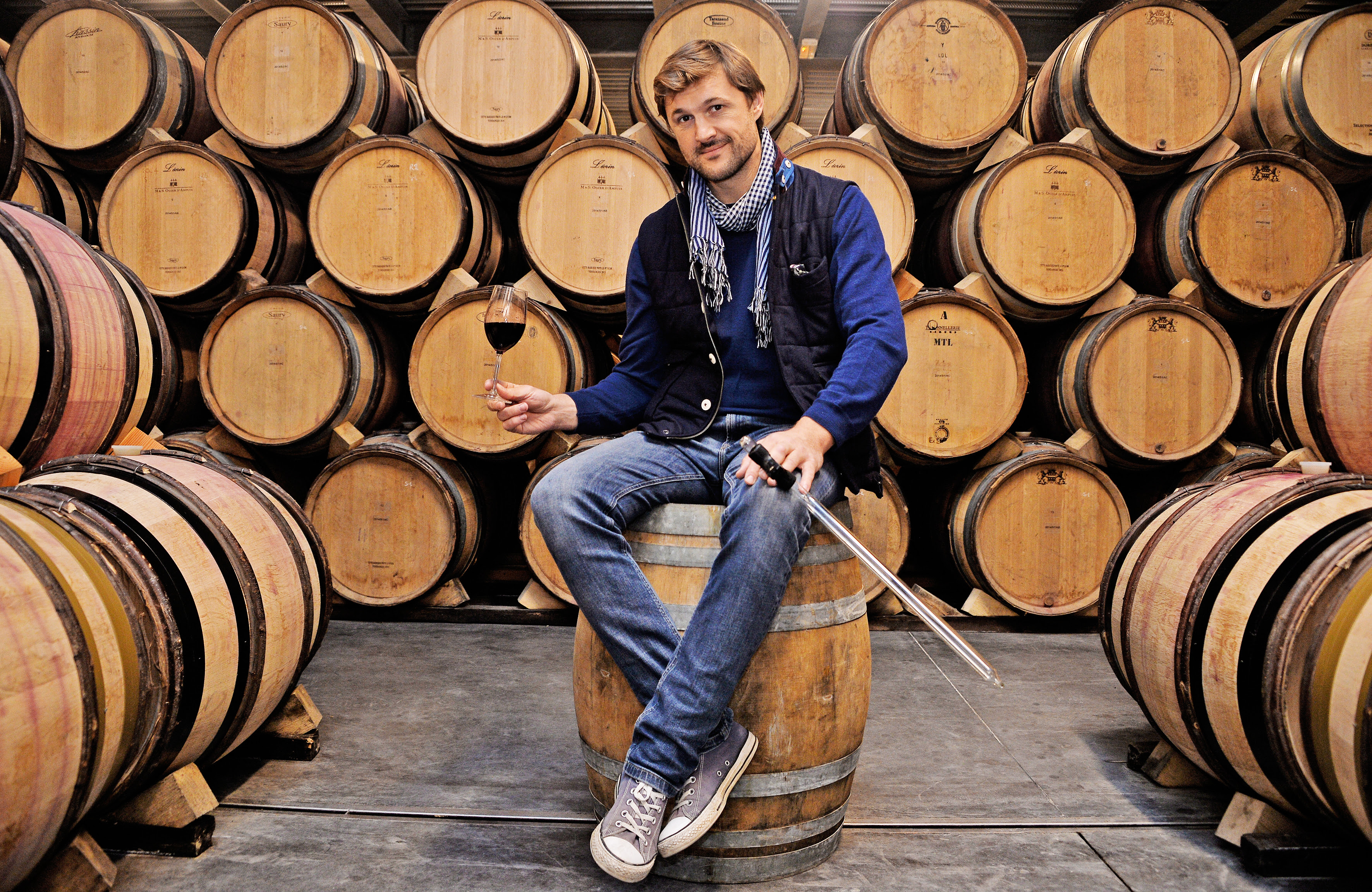
Domaine de la Vieille Julienne “Réservé” is only made in the best vintages and only in miniscule amounts. It is one of the rarest wines of the appellation.

“Mid-August, when the vineyard is deserted, I like walking in the vineyard of “les Trois Sources”, receiving vines expressions, tasting berries. At this time, I must be receptive and I must appreciate all the details. Some years, depending on the context of the vintage, some vines show specific expressions. Exclusively in this case, these more than hundred years old vines of Grenache (90%), Syrah, Cinsault and Counoise get marked and vinified separately, producing the Réservé. — Jean-Paul DAUMEN

Posted on Leave a comment

Return of Saturday-Sips + Saturday Sips Review Package: Northern Rhône Bounty from Stéphane Ogier

At long last, we invite you to join us for the return of Saturday Sips! Of course we will be applying in-store tasting protocols to ensure everyone stays safe. We will limit the number of people tasting at any given time and adhere to proper social-distancing using assigned tasting spots marked on the floor. Our tasting glasses will be one time use for the day but feel free to bring your own glass if you wish. We hope to see you soon.

What better producer to launch the return of Saturday Sips than with one of the superstars of Northern Rhône, Stéphane Ogier. A seventh generation winemaker, Stéphane knew he wanted to follow in his father’s footsteps from a very early age. After studying viticulture and oenology in Beaune, he did practical training with some of the best winemakers in Burgundy and South Africa. In 1997 he took over the family estate.
Stéphane was greatly influenced by Burgundy during his studies there. He gained an understanding about elegance and finesse, and today his wines are among the most delicate and subtle of Côte-Rôtie. The domaine produces wines from 27 acres of vineyards in some of the most famous Côte-Rôtie areas, such as Lancement, Côte-Rozier, and La Viallière. These wines have become a reference point for the appellation and have brought Stéphane international acclaim. Indeed, he is considered among the elite among Northern Rhône producers, with the quality of his wines often being compared to Chave in Hermitage.

As with all the great winemakers, Stéphane believes vineyard management is essential for the production of world-class wines that speak of place. Each parcel is vinified and matured separately. Once the grapes are harvested, they are brought to the temperature-controlled cellars in Ampuis where fermentation is completed in stainless steel tanks to preserve the natural acidity of the grapes and extract the primary aromas of the fruit. Typical maturation is 18 months in barrel. The results are wines of harmony, complexity, and longevity.


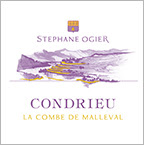
$89 “La Combe de Malleval” (Condrieu 2018)
100% Viognier produced from 25-year-old vines in the granite plots of Veauvignière in Malleval and La Combe in St-Pierre-de-Boeuf. The wine is fermented in large barrels (350 Liter and foudre) with native yeasts and then aged 10 months on fine lees. It is highly concentrated with yields exceptionally low due to frost in the spring and a very dry summer.


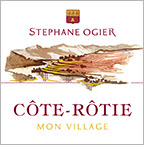
$80 “Mon Village” (Côte-Rôtie 2016)

“Mon Village” was first produced in the 2010 vintage. This Syrah-based wine is a blend of different plots from Côte Blonde & Côte Brune with soils of granite & mica-schist. Most of the grapes are destemmed. The wine is vinified in stainless steel tanks and aged in oak barrels (20% new) for 18 months. The average production is 175 cases per vintage.


$153 “Réserve” (Côte-Rôtie 2015)

“Réserve” is a recent cuvée first produced with the 2012 vintage. The wine is made from a blend of mostly Syrah and a touch of Viognier. The 40-year-old vines are well placed in a myriad of 11 different lieux-dits that works out to 65% Brune (microschist) and 35% Blonde (granite & gneiss). Produced with 30% whole bunch fruit using cold maceration in thermo-regulated stainless steel tanks, the wine is then aged 20 months in French oak barrels (20% new).


$531 “La Belle Hélène” (Côte-Rôtie 2015) 750ml
$1,170 “La Belle Hélène” (Côte-Rôtie 2015) 1.5 Liter

“La Belle Hélène” made its debut with the 1995 vintage. It is produced from 100% Syrah that comes from a tiny plot of 60-year-old vines planted in “Côte Rozier, not far from the parcels used by Guigal for their famous La Landonne. The grapes are 50% whole cluster pressed and the wine is aged in French oak barrels (around 50% new, depending on the vintage). On average, only about 150 to 200 cases are produced each year and the wine has the potential to develop for three decades.


Saturday Sips Review: $205 — 6 Bottles from Stéphane Ogier (All Included and Delivered)

The price for this Saturday Sips Review Package includes tax and delivery, as well as a 10% discount. We will also honor a 10% discount on any bottles you might wish to add to the Wine-Aid package.

Included in Saturday Sips Review are two bottles each:


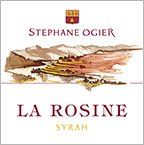
“Syrah La Rosine” (IGP Collines Rhodaniennes 2016) RED, Regular Price: $35 
The vineyards of Collines Rhodaniennes are on the plateau above the Cru-classified vineyards yet can offer a glimpse into the greatness of Northern Rhône Syrah at a more reasonable price. “La Rosine” is 100% Syrah from the slopes of Tupin-Semons. The fruit comes from vines aged 20 to 30 years and growing in granite soils. It is produced with natural fermentation with native yeasts in stainless steel tanks before 12 months of maturation in 228 Liter French oak barrels (no new). The wine is supple with a nice minerality and lovely raspberry and strawberry fruit vibes.


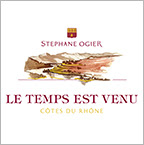
“Le Temps est Venu” (Côtes du Rhône 2017) RED, Regular Price: $22
60% Grenache, 35% Syrah, and 5% Mourvèdre from vines aged 30 to 50 years growing in the clay and limestone soils of Plan de Dieu & Visan. The wine is produced using whole bunch fermentation in temperature regulated concrete tanks with native yeasts and then aged 10 months in concrete tanks. Rich fruit and good structure makes for a lovely drink to sip during these cool autumn nights.


“Viognier de Rosine” (IGP Collines Rhodaniennes) WHITE, Regular Price: $40 
100% Viognier from the slopes of Tupin-Semons, neighboring Côte-Rôtie vineyards. The fruit comes from vines aged 20 years and growing in granite soils. The wine is produced through direct pressing before fermentation in barrels and foudres with native yeasts. The result is a “mini Condrieu” with bright tangerine, apricot, and white flower notes. Its medium-body and lively texture will keep you coming back for another sip.


We are committed to providing you with your wine needs in the safest way possible. We do encourage you to take advantage of our back door pick-up or free delivery. We can easily process the payment of your purchase over the phone and load you up without you needing to get out of the car. Or we can deliver it to your doorstep for free (within a reasonable distance of our shop) and leave it there for you to bring in at your convenience.

Posted on Leave a comment

Summer-Aid: $260 “Biodynamic Wine Pioneer” — Languedoc’s Domaine Léon Barral (6 Bottles Red Wine, All Included and Delivered)

Our latest Wine-Aid box features new vintage wines from biodynamic pioneer, Didier Barral. Didier’s vines grow beneath the scrub-covered ridges and windswept stone outcrops of Faugères. The appellation is known for its dry and crunchy metamorphic schist that forces the roots of the vines to penetrate deeply in search of moisture. This cherished soil for grape growing absorbs the heat of the daytime before releasing it in the cooler evenings. The humid Marin winds off the Mediterranean and the dry, violent Tramontane winds from the northwest are a constant presence in the Faugères hills that help to ventilate the vineyards. Most of Didier’s vines are very old, some up to ninety years of age. All of these factors help for even ripening of the grapes and further increases their concentration.
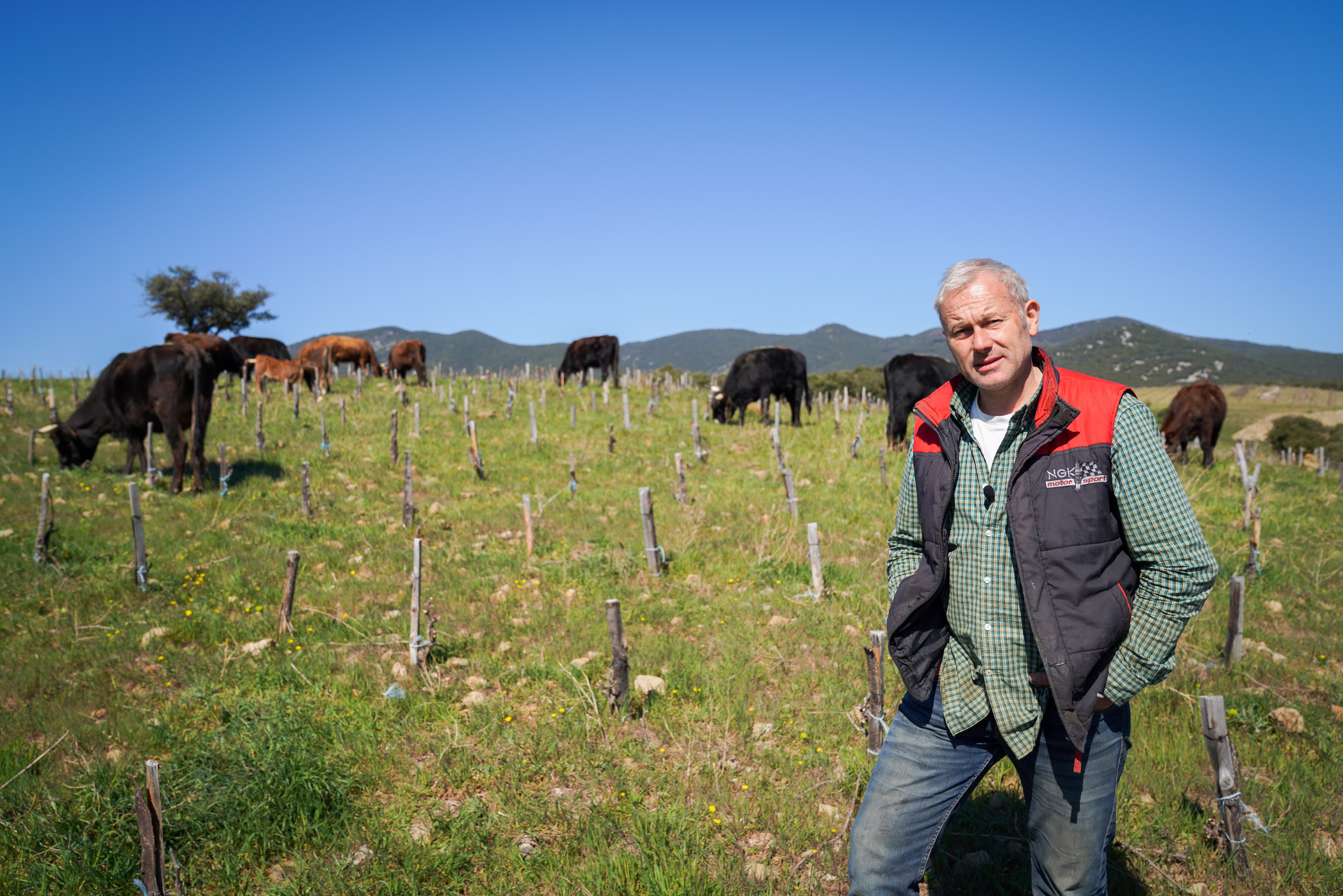
Didier farms about 75 acres of vines using biodynamic practices. Developed by Austrian philosopher and social reformer Rudolf Steiner in the early 20th Century, biodynamic agriculture is defined as “a spiritual-ethical-ecological approach to agriculture, gardens, food production and nutrition.” Biodynamic wine is made with a set of farming practices that views the farm or vineyard as one solid organism. The ecosystem functions as a whole. On Didier’s farm, ancient breeds of cattle graze the cover crops in and around the vineyards, which promotes healthy microbiotic activity in the soil. Between the vines grow all sorts of rare greens and unusual wild herbs, often harvested by Michelin starred chefs from all over France.

Although Didier considers the wine all but finished once it leaves the vineyard, the harvest is cared for with the same attention once it reaches the cellar. All wines are hand-harvested, hand-sorted, fermented with indigenous yeasts and have no sulfur added. They are never racked, filtered, or fined. While these minimal intervention principles form an idyllic narrative of a natural product, the fact is that Didier has a profound influence on other viticulteurs who can see how his ideology translates to results.

The price for this Wine-Aid package includes tax and delivery, as well as a 10% discount. We will also honor a 10% discount on any bottles you might wish to add to the Wine-Aid package.

Included in the Biodynamic Wine Pioneer Wine-Aid Package:

Domaine Léon Barral (Faugères, 2016) Three Bottles, Regular Price: $36
Didier’s traditional Faugères bottling is a blend of 50% Carignan, 30% Grenache, and 20% Cinsault from vines aged 40 to 70 years old. After fermentation, the wine is aged for two years in cement and stainless steel cuves. The aromatics are joyous with black cherries, cocoa, herbs and flowers. A sip is filled with fruit yet nimble on the palate, elegant even, with a finish of sun-baked stone.

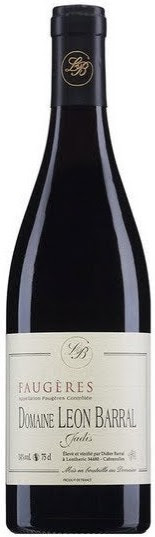
“Jadis” (Faugères, 2016) Two Bottles, Regular Price: $47
50% Carignan, 30% Syrah, 20% Grenache, aged for 24 to 26 months in barrel (10% new oak). Black fruits and herbs in abundance. More focused and elegant than the classic cuvee, the 2016 “Jadis” is a similar blend that substitutes Syrah from southern-facing vines in place of the Cinsault. A wine that drinks great upon release yet will develop in a proper cellar over the course of a decade or more.

“Valinières” (Faugères, 2016) One Bottle, Regular Price: $69
80% Mourvèdre, 20% Syrah, aged for 24 to 26 months in barrel (10% new oak). “Valinières” is the domaine’s top cuvée, capable of medium to long-term cellar development. With a Mourvèdre base, this wine is big, meaty, and concentrated. The portion of Syrah comes from northern-facing vines. The cooler, northern exposure allows the grapes to remain on the vines longer, giving added maturity, greater concentration of flavors, and increased complexity.


We are committed to providing you with your wine needs in the safest way possible. We do encourage you to take advantage of our back door pick-up or free delivery. We can easily process the payment of your purchase over the phone and load you up without you needing to get out of the car. Or we can deliver it to your doorstep for free (within a reasonable distance of our shop) and leave it there for you to bring in at your convenience.

Posted on Leave a comment

Summer-Aid: $265 “France’s Deep South” — Elegance from the Rugged Landscape of Fitou (10 Bottles, All Included and Delivered)

Our latest Wine Aid box celebrates both the wild and remote subzone of Fitou and two happy-loving couples that produce wine there. One of the very first granted appellation in the southern French region of Languedoc, Fitou consists of two small enclaves within Corbières: Fitou Maritime, a clay-limestone band around the saltwater lagoons on the coast, and Fitou Montagneux, a patch of various mountainous soils fifteen miles inland. With these 10 Bottles we’ll be exploring both of these distinct terroirs with wines made by some of the top producers in the region.

Included in the France’s Deep South Wine-Aid Package are two bottles of each:

The price includes tax and delivery, as well as a 10% discount. We will also honor a 10% discount on any bottles you might wish to add to the Wine-Aid package.

Domaine Bertrand-Bergé

Near the tiny village of Paziols in Fitou Montagneux, Jérôme and Sabine Bertrand have been steadily improving the reputation of Fitou through the excellence of their wines. The domaine’s history can be traced back over a century when Jérôme’s great-grandfather, Jean Sirven, won plaudits for his wines at the 1900 World’s Fair in Paris. But the modern era for Bertrand-Bergé started in 1993, when the couple took the winemaking back into their own hands after a few decades of supplying grapes to the local co-operative.

Today, the estate is comprised of many old-vine parcels that cover an area of 84 acres dotted around the hilly countryside of Paziols, the air fragrant with the scent of wild juniper, thyme, rosemary and lavender of the local garrigue shrubland. The estate is cultivated entirely using organic techniques. Of the wide range of soils that are found in the region, the pudding stones found around Paziols contribute much to the high quality of the wines of Bertrand-Bergé by retaining daytime heat. But of course it’s the tireless effort of Jérôme Bertrand that can translate the unique charm of this place into world-class wines.
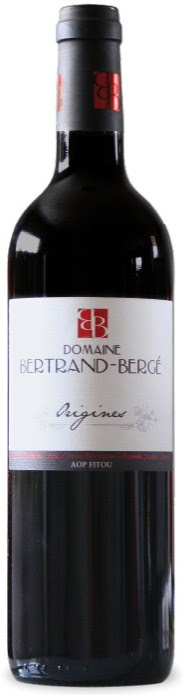
“Origines” (Fitou 2014) Regular Price: $17
The Bertrand’s offer the affordable cuvée “Origines” as a starting point to enjoying the terroir of Fitou. A blend of 60% Carignan and 40% Grenache aged for 18 months in concrete, “Origines” delivers juicy ripe blackberry and blueberry accented by cocoa, clean earth and a touch of white pepper. The fruit for “Origines” comes from vines averaging 20 years in age planted in chalky-clay soils. Although this cuvée is priced as an everyday wine, it has always had the ability to mature gracefully and is drinking superbly right now.


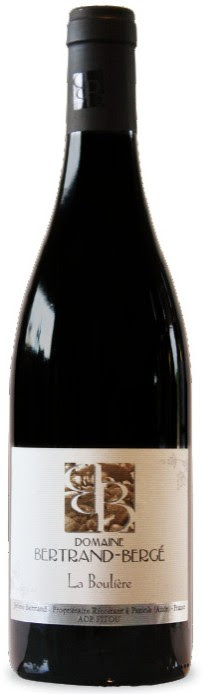
“La Boulière” (Fitou 2014) Regular Price: $33
A deep, sappy blend of 50% Mourvèdre, 25% Carignan and 25% Grenache aged for 18 months in oak barrels. A grocery cart of aromatics like black raspberry, blueberry, smoked meat, cinnamon, and leather precede a full-bodied, layered and elegant palate balanced by a muscular underlying structure. The fruit comes from vines with an average age of 15 years planted in puddingstone soils. Pop this open for your fattiest cuts of grilled meat. This wine should drink well over the course of a decade.


Mas des Caprices

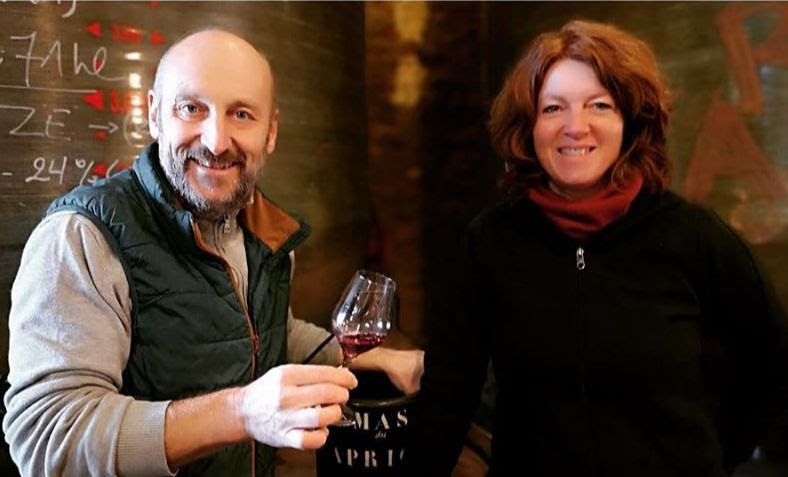
In the village of Leucate, on the north shore of L’étang de Leucate in the subzone of Fitou Maritime, Mireille and Pierre Mann have been steadily building their estate, Mas des Caprices, into one of the top producers in the region. This is a rugged land kissed by both the mountains and the Mediterranean Sea. High yields are impossible to achieve here. Indeed, many of the wines from this region are produced with similar (or even smaller) yields to the most sought after wines from Bordeaux and Burgundy.
The couple, both children of Alsace winemakers, ran a restaurant near the city of Colmar for 10 years. While they loved providing their patrons fresh local products, they felt the need for greater challenges. So they decided to rebuild their lives closer to the earth. In 2003 they moved to southern France and began reinventing themselves as winemakers. Their passion was evident from the start. The duo eventually settled on the Mediterranean coast and quickly made a name for themselves by producing tasty, genuine wines. Certified organic in 2009, their guiding philosophy is meticulous work in the vineyard while respecting nature with the goal of producing wines that are both expressions of their unique environment and utterly delectable. Forget pudding, the proof of the wine is in the drinking.

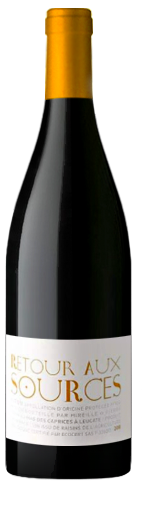
“Retour aux Sources” (Fitou 2015) Regular Price: $37
45% Carignan, 25% Mourvèdre, 20% Grenache, and 10% Syrah from the Fitou maritime hillsides where pink schist and limestone mix. Maturation takes place for nine months, with roughly 70% of the wine in concrete vats and the rest in old barrels. Bold ripe fruit, excellent structure, and heady aromas of ripe fruit and herbs make a wine ideal for hearty vegetable dishes like ratatouille and olive tapenade and, of course, grilled meats.


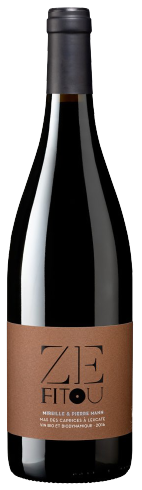
“ZE” (Fitou 2015) Regular Price: $26

A blend of 40% Carignan, 35% Grenache, and 25% Mourvèdre from the windswept Leucate cliff. Fruit, both ripe and fresh, provides the foundation for this crowd-pleasing red. Maturation takes place for nine months, mainly in concrete vats, with around 20% aging in old barrels. Exceptionally floral on the nose, a sip seduces the palate with velvety tannins and silky berry salad. Pop a bottle for pizza, shawarma, or game night.


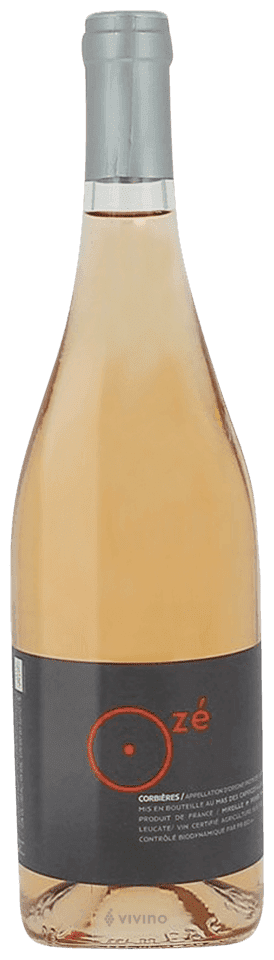
“Ozé” (Corbières 2017) Regular Price: $24
Although separate appellations, Fitou and Corbières share much of the same terroir. You will often find producers based in Fitou with parcels in Corbières, and vice versa. Mireille and Pierre Mann’s rosé is a blend of Grenache and Mourvèdre with a touch of Syrah. Fresh, fruity, and intense, it’s a crowd-pleaser. If you like a classic southern French rosé while chilling on the patio or paired with your seafood feast, this cuvée will put you in your happy place.


We are committed to providing you with your wine needs in the safest way possible. We do encourage you to take advantage of our back door pick-up or free delivery. We can easily process the payment of your purchase over the phone and load you up without you needing to get out of the car. Or we can deliver it to your doorstep for free (within a reasonable distance of our shop) and leave it there for you to bring in at your convenience.

Posted on Leave a comment

Summer-Aid: $170 “A Mediterranean Summer in Saint-Chinian” — 6 Bottles of New Vintage Wine from Mas Champart (All Included and Delivered)

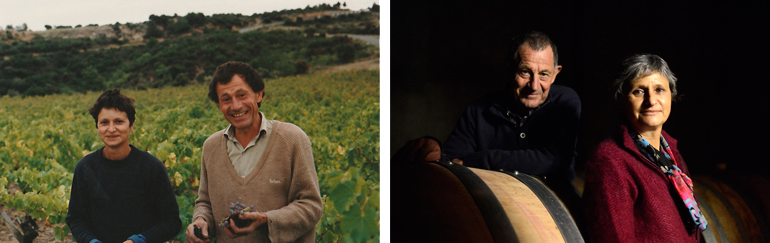
Back in 1976, Isabelle Champart, a Parisian with a degree in Geography, and her husband Mathieu, from a family of farmers in Champagne, began cultivating vines on a humble 20 acre farmstead. For close to twelve years they sold their grapes to the local cooperative but once they decided to bottle under their own label of Domaine Mas Champart they gained almost instant acclaim. Since then, they’ve acquired another 40 acres planted with vines, orchards, and arable crops. Mathieu tends to the vines, Isabelle makes the wines, and this small slice of the Languedoc is their life. Once, when asked by a visitor if they had children, Isabelle swept her hand across the outside of their winery and answered immediately, “Look around. This is my child.”
The place is Saint-Chinian: A gusty, drought-ridden expanse clambering up out of the Languedoc Plain, with Mount Caroux and Mount Espinouse furnishing a picturesque backdrop. It’s there on the southern slopes of clay and limestone that Isabelle and Mathieu are creating singular and impressive wines in this ancient region that has seen a tremendous surge in quality over the past couple of decades. From the beginning the Champarts have employed sustainable and organic techniques in their farming, reflecting their desire to protect and preserve the environment.

Included in A Mediterranean Summer in Saint-Chinian Wine-Aid Package is two bottles of each:

The price includes tax and delivery, as well as a 10% discount. We will also honor a 10% discount on any bottles you might wish to add to the Wine-Aid package. 

Mas Champart Blanc (IGP Pays d’Oc 2018) Regular Price: $29
Mas Champart Blanc is a blend of 70% Terret and 30% Grenache Gris from vines planted in 1900 on a limestone plateau with remarkably stony soils. Vinification and maturation is carried out in 500 liter Austrian barrels for nine months. The wine was bottled in August 2019. A sublimely balanced drink: late-harvested Terret provides heady aromatics and richness while the Grenache Gris, harvested earlier in the season, adds tension and mineral freshness. Only 2,500 bottles were produced.


“Causse de Bousquet” (Saint-Chinian 2017) Regular Price: $25
A bit different than earlier, syrah-heavy vintages, the 2017 vintage “Causse de Bousquet” is a blend of 35% Syrah, 30% Grenache, 20% Carignan/Cinsault, and 15% Mourvèdre from a number of plots on different terroirs to provide the aromatic complexity and originality that the Champart’s are looking for in what you might call their flagship wine. It owes its name to the main terroir from which it comes: “Le Bousquet” is a broad limestone plateau at close to 1,000 feet in elevation where the hard rock extends through to the surface. Matured for 18 months in vat, it is a concentrated and sunny expression of Saint-Chinian. Only 8,650 bottles were produced.


“Clos de la Simonette” (Saint-Chinian 2017) Regular Price $33
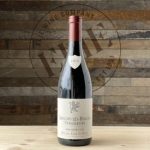
An absurdly low-yield blend of 65% Mourvèdre, 20% Grenache and 15% Carignan from multiple plots. The Mourvèdre is planted 750 feet above sea level on steep hillside terraces that are particularly well exposed. The Grenache comes from the wines’ namesake plot, the stony and well-drained “la vigne de Simonette” that is surrounded by dry-stone walls. The plot containing the Carignan has soils similar to “Simonette” but there the vines are 70 and 100 years old. With the hot and dry 2017 vintage, extractions were quite short, balancing out deep and powerful fruit with freshness. This is truly one of the best values for long-term cellaring available. Only 4,740 bottles were produced.


We are committed to providing you with your wine needs in the safest way possible. We do encourage you to take advantage of our back door pick-up or free delivery. We can easily process the payment of your purchase over the phone and load you up without you needing to get out of the car. Or we can deliver it to your doorstep for free (within a reasonable distance of our shop) and leave it there for you to bring in at your convenience.