“Glowing wine on his palate lingered swallowed. Crushing in the winepress grapes of Burgundy. Sun’s heat it is. Seems to a secret touch telling me memory. Touched his sense moistened remembered. Hidden under wild ferns on Howth below us bay sleeping: sky. No sound. The sky… O wonder! Coolsoft with ointments her hand touched me, caressed: her eyes upon me did not turn away. Ravished over her I lay, full lips full open, kissed her mouth. Yum…. She kissed me. I was kissed. All yielding she tossed my hair. Kissed, she kissed me.” – James Joyce, ‘Ulysses’
In the Roaring Twenties, such literary eroticism had its price: ‘Ulysses’ was banned in the United States from 1922 (the year it was published) to 1933, a period of time that roughly mirrors Prohibition. James Joyce’s iconic novel follows—in minute and exhilarating detail—three Dubliners as they meander through the course of a single day, June 16, 1904, and is today considered one of the most important works of literature ever composed.
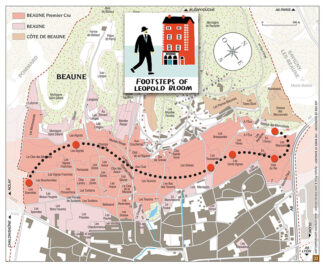 Much of the action in ‘Ulysses’ takes place in pubs, where Leopold Bloom—the novel’s main protagonist—shows a particular penchant for Burgundy. In a passage that made the very real ‘Davy Byrne’s Pub’ famous, Bloom orders a Gorgonzola sandwich along with his customary glass of Burgundy.
We won’t sell you cheese or bread, because we’re a wine shop. But while Joyce fans across the globe celebrate ‘Bloomsday 2021’ by marathon Joyce readings, pub crawls and bubbly walks through Dublin, we’ll take you on a symbolic stroll along the ancient Route de Bouze, which divides Beaune into two distinct sub-regions, North and South.
We are pleased to offer one bottle of each of the following six wines for an inclusive price of $299. Happy Father’s Day.
• • • • SOUTH • • • •
Domaine Claudie Jobard ‘Gabriel Billard’
Claudie Jobard’s mother is considered one of the top oenologists in France and her father was a ‘pépiniériste viticole’ descended from generations of Burgundian vine growing experts. With a pedigree that illustrious, one expects great things from Claudie, the 8th generation in her family to work in wine. The domain was created by Claudie’s parents in the 1970s and named for her maternal grandfather, but prior to 2004, ‘Gabriel Billard’ was sold exclusively to négociants. It was Claudie’s influence that brought these wines directly to the public, under a winemaking principal that she refers to as ‘la lutte raisonnée’, or ‘the reasoned struggle’ which is conscientious organic farming without the stricture of official certification rules.
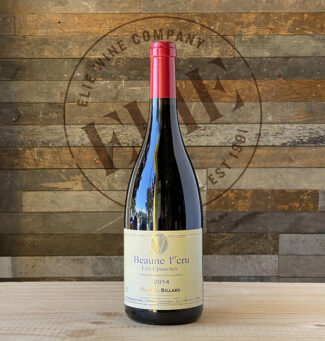 Beaune Premier Cru “Les Epenotes” – Jobard 2014 ($38): The ‘climat’ of Les Epenotes derives its name from ‘épine’—a reference to the thorn-shrubs that once grew here. The wine displays a supple, pretty nose replete with dried cherry and cassis with notes of hazelnut and cocoa; the palate is long and generous, with a hint of smoke and vanilla in the background, finishing with a delightfully rustic piquancy.
Domaine Albert Morot
Virtually synonymous with Côte de Beaune, Domaine Albert Morot was founded in 1820 by a négociant, and by 1890, the family-run business had moved into the same buildings on the Route de Bouze that they occupy today. In 2000, Françoise Choppin—the great granddaughter of the original owner Albert Morot—turned the estate over to Geoffroy Choppin de Janvry, who had prepared for his role by studying agronomy at Montpellier University. The Domaine consists of just under fifteen acres of vineyards split between seven Beaune Premier Cru vineyards: Les Teurons, Les Grèves, Les Toussaints, Les Bressandes, Les Cent-Vignes, Les Marconnets and Les Aigrots.
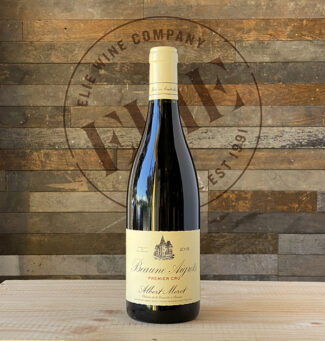 Beaune Premier Cru “Aigrots” – Morot 2015 ($50): Aigrots is another thorny 1er Cru, this one named for the holly shrubs in the west of Beaune where the terroir is typical of the finest Burgundies—calcareous clay, limestone and scree. The wine is expressive and bright, showing black cherry and raspberry up front with a slightly earthy undertone; moderate spice, mostly cinnamon and cola, which warms the mid-palate and leads to a clean, acidic finish filled with silky tannins.
• • • • NORTH • • • •
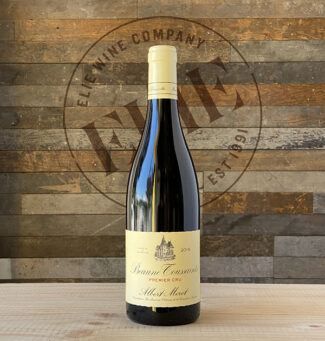 Beaune Premier Cru “Toussaints” – Morot 2016 ($49): More from Morot! Les Toussaints, means ‘all saints’ and lies in the northern sector of Beaune surrounded by some of Beaune’s larger and better-known Premier Crus, including Grèves, Bressandes and Cents-Vignes. Wines from the north tend to be fresher and more elegant than those from the south; this one shows notes of macerating black cherries mingled with rose-petals, lychee and spices accented by chocolate. The structure is powerful and rounded and the finish is satisfyingly long.
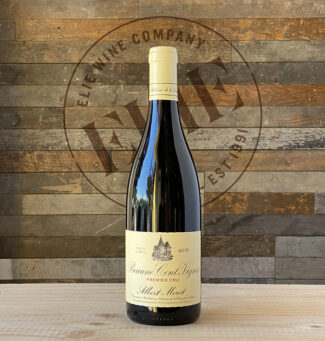 Beaune Premier Cru “Cent-Vignes” – Morot 2015 ($50): This Morot selection hails from the base of the Beaune hillsides, where the lightweight, sandy-textured is typical of lower vineyards where there is an accumulation of scree. The wine is medium-bodied and aromatic; the vividness of the nose is outstanding, and the on the palate, the fruit tends toward the red side of the spectrum, with tart cherry and wild raspberry along with a soil-driven earthiness.
Domaine Rapet
The family estate of Rapet dates to 1765; today, the domain’s 35 acres of vines stretch across the villages of Pernand-Vergelesses, Beaune, Savigny-lès-Beaune, Chorey-lès-Beaune and Aloxe-Corton. Current owner Vincent Rapet is known for a classical approach to winemaking, both in the field and in the cellar. Along with his wife Sylvette he oversees parcels in three Grand Crus, Corton-Charlemagne, Corton, and Corton Pougets, and nine in Premier Cru vineyards. His Pinot Noir-based wines see an average 15-day maceration period followed by maturation in 228-liter oak barriques, of which about 30% are new wood.
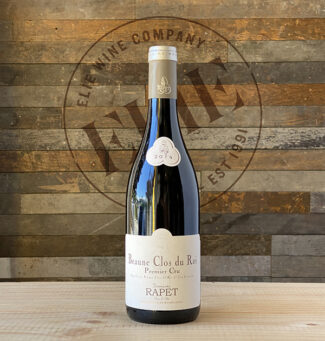 Beaune Premier Cru “Clos du Roi” – Rapet 2014 ($46): Clos du Roi is a small vineyard, but without doubt one of the best plots in Beaune. Once owned by the dukes of Burgundy and highly favored at Versailles, the site enjoys a perfect south/south-easterly exposure. This produces wines with sinew, rich and flirtatious with flavors of glacé cherries, crushed stone, licorice and mint. A friendly mouthfeel with sweet oak and austere minerality to rein it in.
Domaine Paul Pernot
Paul Pernot’s grandfather was a négociant in Puligny and the fifteen acres he owned had been in the family for over two centuries. Ironically, the ground was largely unsuited to vines—at least, until the advent of modern technology (tractors) allowed the hard limestone surface rock to be worked. Founded in 1959, Domaine Paul Pernot proceeded to do exactly that, and today, 65% of his property is found within the commune of Puligny-Montrachet, including plots in Les Folatières, Les Pucelles, Clos de la Garenne and Champ Canet, and two Grand Cru parcels: Bienvenues Bâtard-Montrachet and Bâtard-Montrachet. As such, he is one of the top growers in Puligny.
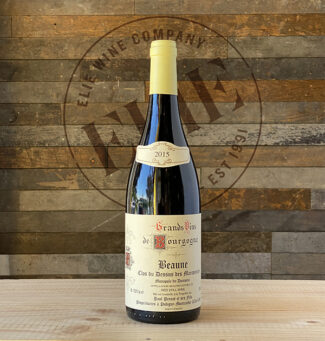 Beaune Lieu-dit “Clos du Dessus des Marconnets” Monopole – Pernot 2015 ($49): Among the 35% of Pernot land not in Puligny, Les Marconnets sits on the east-facing slope of Mont Battois hill in the southern part of the Savigny-lès-Beaune. The wine is round and racy, showing a nice brick rim in the glass behind a pungent nose of plum and truffle and a fragrant herbal thread that winds through. A brilliant example of the lieu-dit, with floral high tones, mineral purity and a vibrant, beautifully integrated tannic structure.
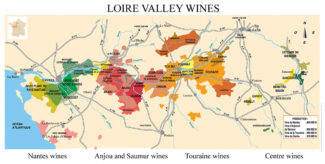
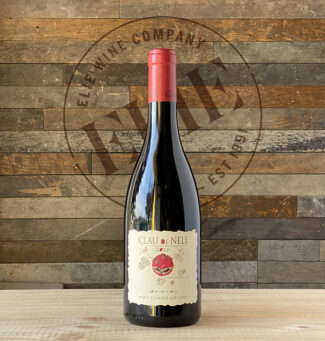 Clau de Nell is also centuries old, but its modern era began in 2008 when Anne-Claude Leflaive (owner and winemaker at Burgundy’s famed Domaine Leflaive) discovered the 20-acre property while on a promotional tour of her biodynamic approach to viticulture. She purchased the domain, finding the situation ideal: a south-facing knoll 295 feet above sea level, from which the Atlantic Ocean—75 miles away—is visible. The vines are planted in sandstone and red flint overlaying the soft limestone ‘tuffeau’ indigenous to the region; they range in age from 30-90 years. 2016 Clau de Nell “Cabernet Franc” ($59) has reached a prime drinking age; it shows rich, jammy raspberry and dusty pencil graphite, but tension on the palate is sustained as the acids remain charged and energetic.
 For a region dotted with beautiful historic homes, Château du Hureau is one of the few wine-producing châteaux among them. It is considered a top producer of Saumur-Champigny, with a milieu that is as breathtaking as the vineyard view, including the octagonal tower with mansard roofs and boar-headed weathervane from which the property derives its name. The estate contains multiple terroirs, and releases examples of each as ‘parcellaires’—wine from exclusive parcels. 2014 Château du Hureau ‘Lisagathe’ ($44) is named for fourth-generation winemaker Philippe Vatan’s two daughters Lisa and Agathe; it is made only in exceptional vintages. And only from selected portions of the estate’s best vineyards, located above the underground cellars. Full of mint-fresh young fruit, the wine expresses the classic smokiness of the AOP, with elegant undertones of chalk, flowers, pencil shavings and velvet-smooth tannins.
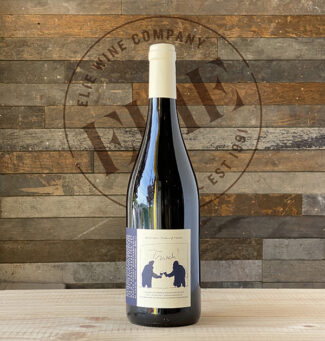 Catherine and Pierre Breton have been coaxing superlative wines from this terroir for decades; they cultivate 35 acres in the village of Restigné, just east of Bourgueil. Poetically, they grow mostly Cabernet Franc—the local term for this varietal is ‘Breton.’ Pierre remains the principal cellar master, although Catherine makes a series of cuvées under the label ‘La Dilettante.’ These wines are into three categories: Natural (for easy, early consumption), Classic (representing a profile of the appellation) and Wines of Terroir (vinified by individual parcel). 2018 Breton ‘Trinch!’ ($24) is an example of the former, produced from young-vine Cabernet Franc and referred to as ‘bistro-style’ for its quaffability. Indeed, ‘Trinch!” is a German variation on ‘cheers!” Lively, crisp and filled with juicy cranberry notes above an herbal-tinged core. A wine best enjoyed slightly chilled on any delightful and non-pretentious occasion.
 The Baudry family is also deeply-rooted in Chinon, although their education spans appellations outside the Loire, and extends as far in the wild red yonder as Tasmania. Bernard Baudry, the patriarch, studied oenology in Beaune and worked as a vine-tending consultant at Tours. His son Mathieu studied in Mâcon, then in Bordeaux after the year he spent working in Tasmania and California. The Baudry domain covers 80 acres across the AOP Chinon with additional parcels in Cravant les Coteaux; 90% of the property is planted to Cabernet Franc with the remaining to Chenin Blanc. Both father and son refer to the 2018 vintage as “Magnifique!” with a mild winter and springtime producing enough rainfall to recharge the groundwater which fell after a dry 2017. 2018 Baudry ‘Les Grézeaux’ ($25) pays homage to the gravelly soil beneath the parcel; earthy and rich, the wine showcases Cabernet Franc’s meatier persona. A rustic wine with great concentration and delightful spice, winemaker Baudry considers ‘Les Grézeaux’ to be textbook Chinon.
 M. Rabelais is not the only playwright connected with Loire wines; at the helm of Domaine Philippe Gilbert is Philippe himself, a ‘dramaturg’ (his description) who has written and produced for the stage. Today he is a winemaker foremost, having returned to the village of Faucards in Menetou-Salon to run the family estate, a winery whose history dates back to 1778 and his forefather
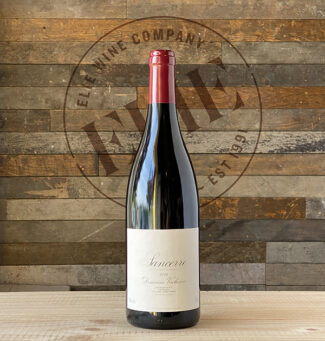 Cousins, Jean-Laurent and Jean-Dominique Vacheron have no issue learning from the masters; having converted entirely to biodynamic viticulture in 2005, they have opted to use techniques from the Burgundy playbook to encourage the most potential from their scant thirty acres of Pinot Noir, which sits primarily on flinty silex soils. 2018 Domaine Vacheron ($56) is nicely structured with focused plum and sour cherry in the mid-palate and a rich, pure and persistent finish.
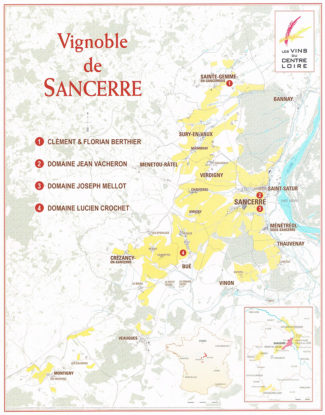 Separated only by the width of the river, Sancerre overlooks Pouilly Fumé with a sort of supercilious smirk. Sancerre’s interpretation of Sauvignon Blanc tends to more finessed, showing less minerality and more fruit than Pouilly Fumé, less flint-spark smoke and more flowering herb aromas and tastes without being as aggressively citrusy or grassy. This is a generalization, of course. Sancerre is comprised of a varied geology, and wines from individual terroirs express one-of-a-kind characteristics. To the east, flinty soils produce wines of almost steel-like elegance and austerity; the central vineyards are chalky and the wines are more floral and delicate and almost Chablis-like, while in the gravelly northwest, Sancerre tends to reflect an array of unusual fruits, many exotic—passion fruit, quince and lychee. All three plead a pretty respectable case that— Marlborough, Willamette and Graves notwithstanding—Sancerre is Sauvignon Blanc’s purest sanctuary. In ways, throughout Loire’s culture, purity is the hallmark, and the folks who live here are reputed to have the purest of all French accents.
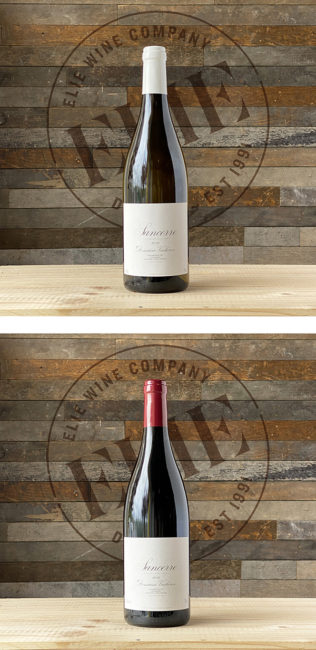 With over a hundred biodynamically-farmed acres and vines with an average age approaching half a century, Vacheron is one of the elite properties in Sancerre and cousins Jean-Laurent and Jean-Dominique Vacheron are among the top artisan winemakers in the Loire. Focused on single vineyard sites while hand-harvesting fruit, the Vacherons have produced primarily Sauvignon Blanc, but are also winning high marks for the twenty-five acres of chalk and silex that they have planted to Pinot Noir. These reds undergo malolactic after primary fermentation in foudres and neutral barriques, softening the acids and showcasing the fruit. The two wines in the package are exemplary both of the Vacheron style and of the appellation. Sancerre White 2019 ($46)displays a bright bouquet of Bosc pear, lime and dried yellow flowers and a rich, mouthwatering palate of citrus and sage with an edge of minerality. Sancerre Red 2018 ($56) highlights the warm vintage, which was especially kind to Pinot Noir, and produced a full-bodied wine that reflects warm cranberry, strawberry compote and tart cherry notes along with taut tannins that form a supple backbone.
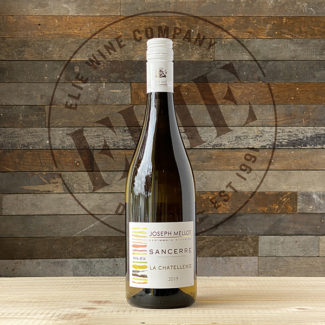 Domaine Joseph Mellot
 A match made in Sancerre heaven? Lucien Crochet’s marriage to the daughter of Lucien Picard fused not only families, but wine estates; Crochet expanded the work of his father-in-law and, over the next forty years, grew the
  Like many French wine estates,
 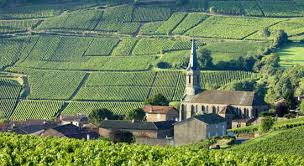 We have prime examples of everything from inexpensive regional wines to the inimitable Grand Crus of Montrachet and the Côte de Nuits.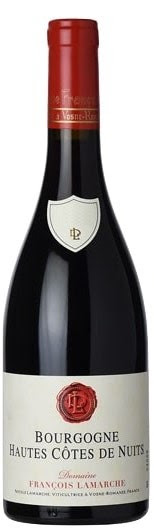
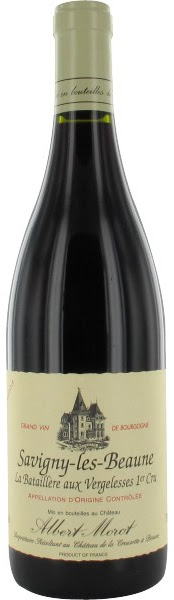 The Slopes of Côte d’Or
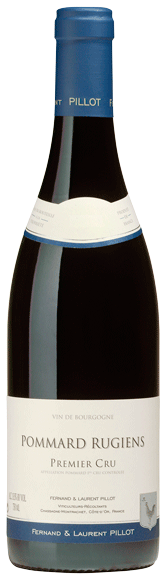 The Premiers Crus of Côte d’Or
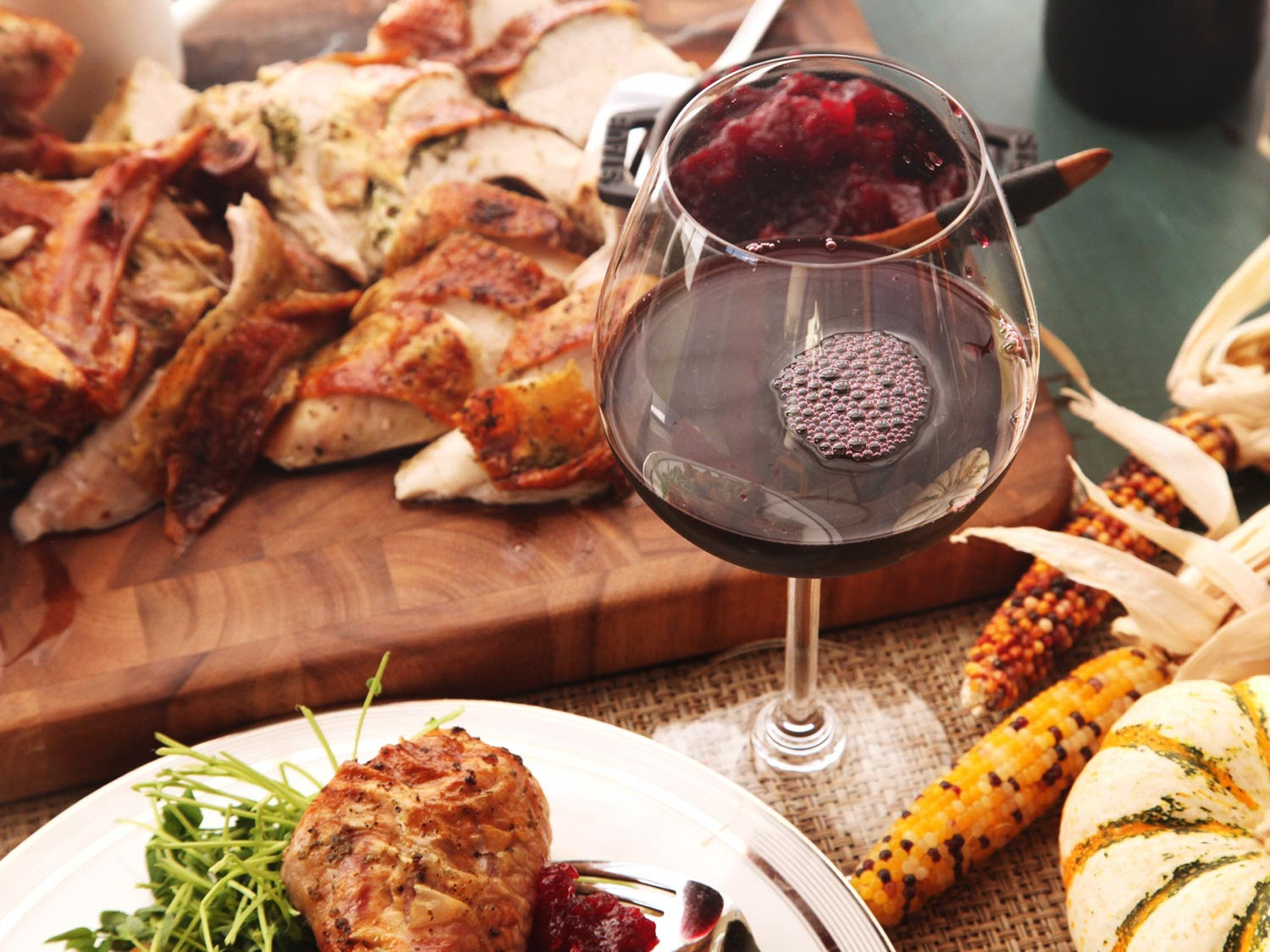 The typical Thanksgiving meal is far too diverse with textures, flavors and aromas to labor over perfect pairings. The most important characteristics of the wines on your table is that they are light, refreshing, energetic, with moderate alcohol, lots of fruit, a lively acidity, and versatile.
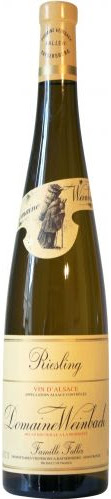 Domaine Weinbach Riesling (Alsace 2018) Regular Price: $33, WHITE
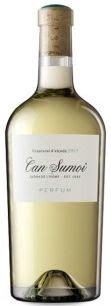 Can Sumoi “Perfum” (Penedès 2019) Regular Price: $25, WHITE
 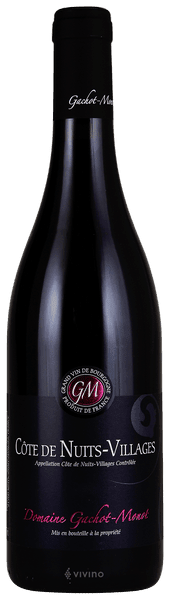 Domaine Gachot-Monot (Côte de Nuits-Villages 2018) Regular Price: $34, RED
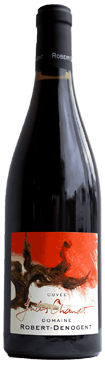 Domaine Robert-Denogent “Jules Chauvet” (Beaujolais-Villages 2017) Regular Price: $25, RED
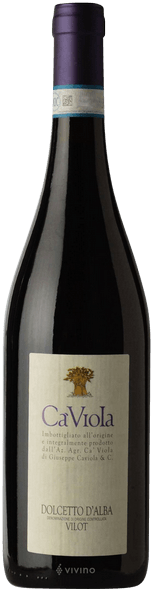 Cà Viola “Vilot” (Dolcette d’Alba 2017) Regular Price: $19, RED
 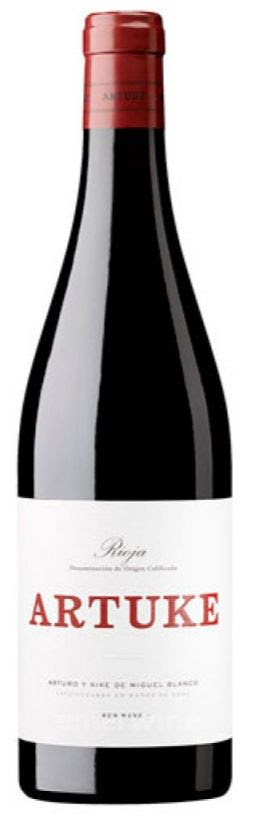 Artuke (Rioja 2019) Regular Price: $17, RED
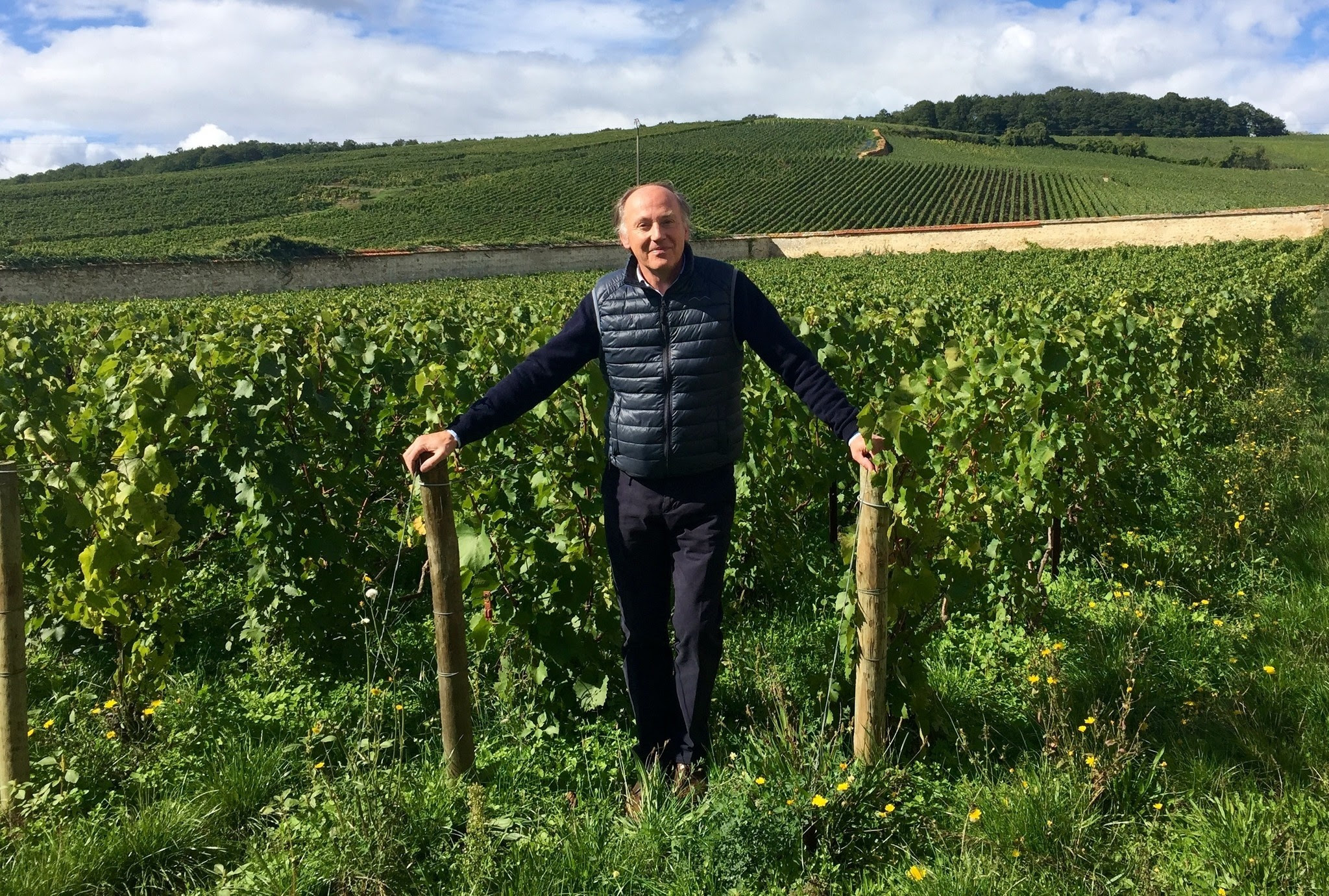 Today, enologist Hervé Jestin continues the legacy of this visionary house.
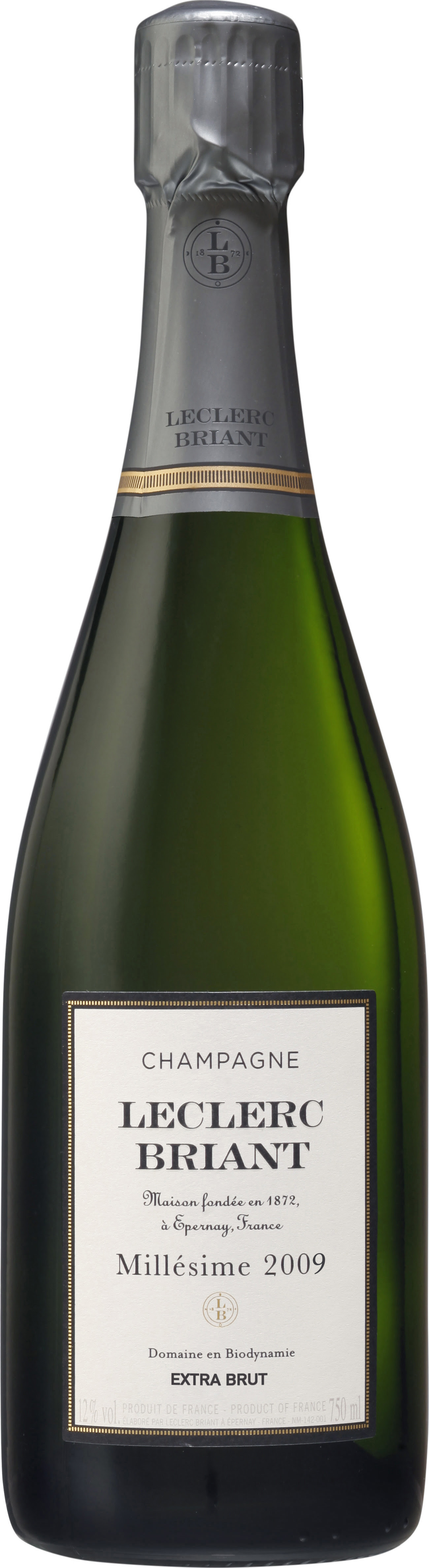 Their extensive cellars are more than a half of a mile in length and over 100 feet below the surface — ideal for maturing champagne.
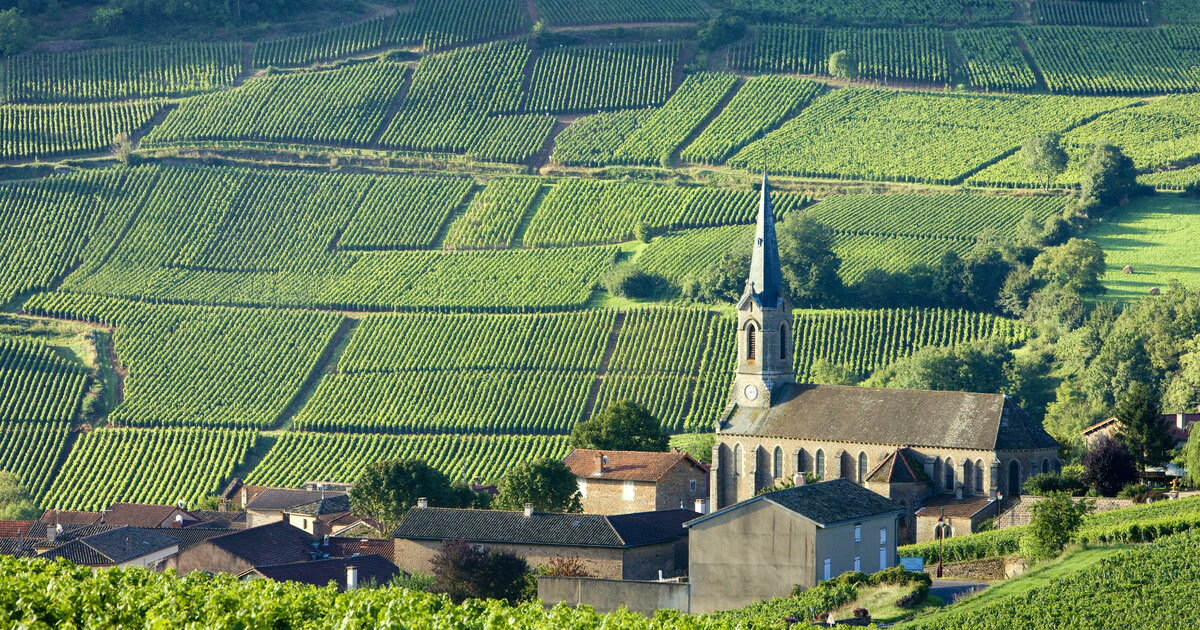 find excellent values by purchasing regional wine from the area’s top producers.
 “Les Grands Chaillots” (Bourgogne 2017) RED Regular Price: $45
 (Bourgogne Aligoté 2018) WHITE, Regular Price: $28
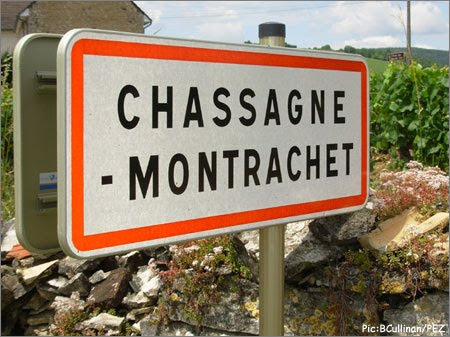 The commune is recognized for producing some of the best white wines in the world but it has a long history of creating substantial red wines that are quite often compared to the vibrant Nuits-Saint-Georges to the north.
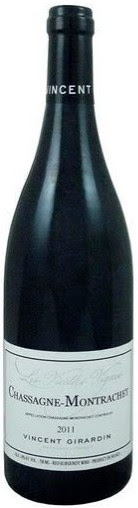 Vincent Girardin “Les Vieilles Vignes” (Chassagne-Montrachet RED 2017) Regular Price $55
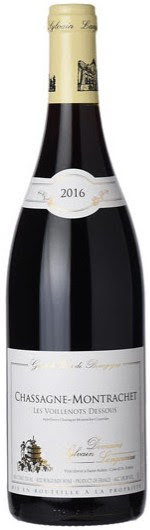 Domaine Langoureau “Les Voillenots Dessous” (Chassagne-Montrachet RED 2016) Regular Price: $45
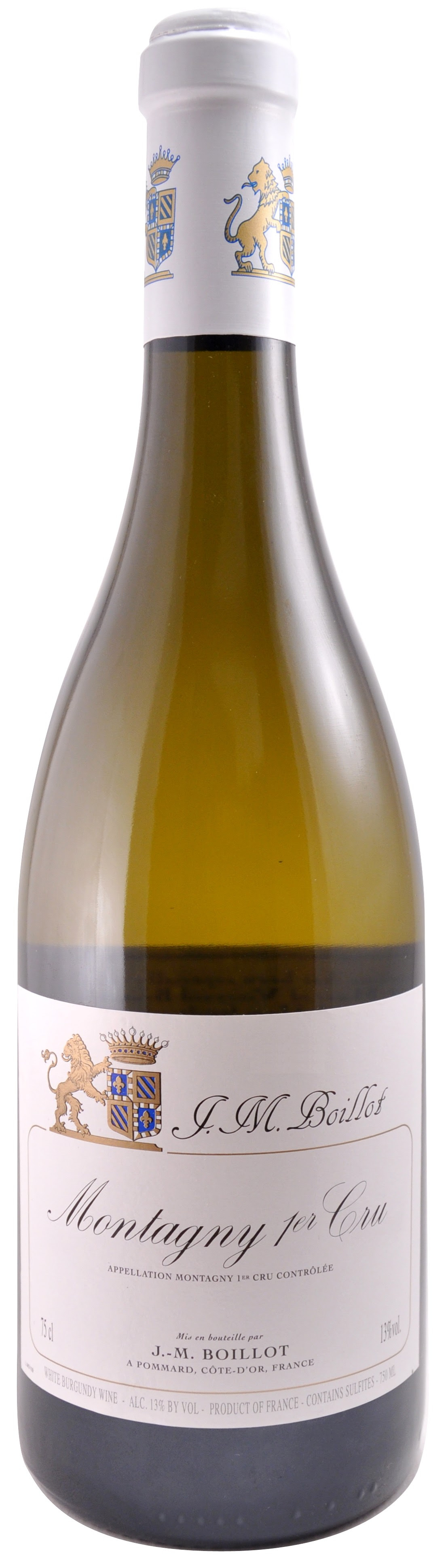 Jean-Marc Boillot (Montagny Premier Cru WHITE 2018) Regular Price: $40
 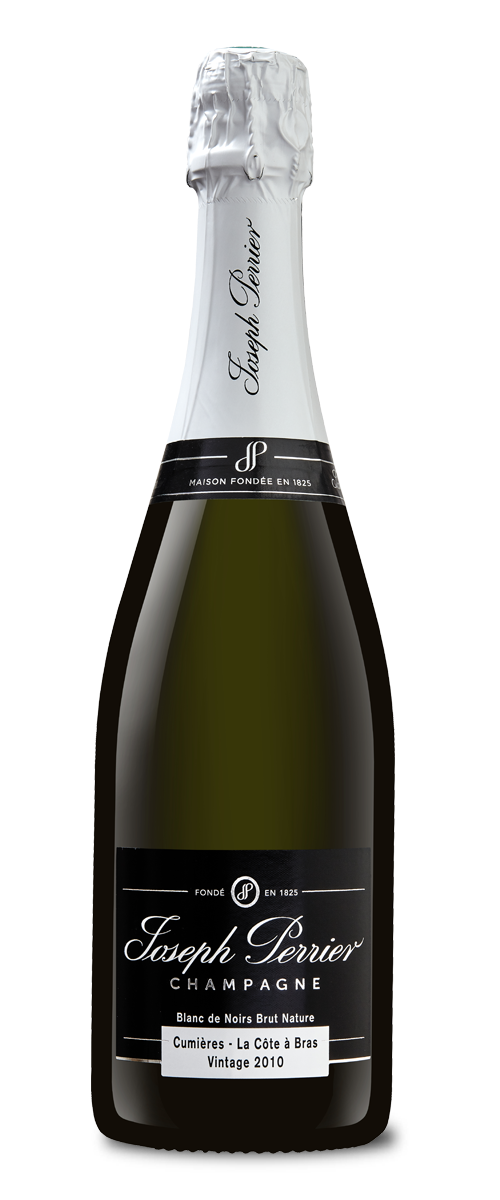 Founded in 1825, the estate has been owned and run by the same family since 1888. Current proprietor Jean-Claude Fourmon represents the fifth generation. The estate’s cellars stretch almost two full miles and date back to the Gallo-Roman period.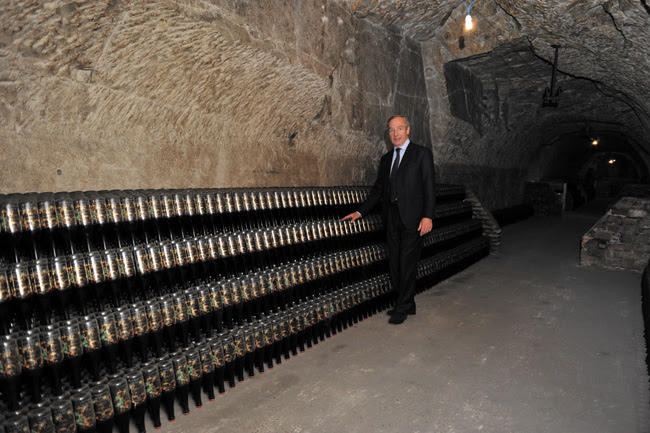
 by James Joyce. An opera singer, and the unfaithful wife of Leopold Bloom, Molly makes a derisively mocking parallel to Penelope, the faithful wife of Odysseus in Homer’s Odyssey. In Episode 18, the last section of the book, Molly (in bed with her husband) engages in a celebrated soliloquy, one of the most famous dramatic monologues in literature.
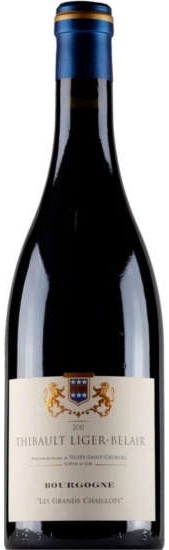 Domaine Thibault Liger-Belair “Les Grands Chaillots” (Bourgogne Rouge 2016) Regular Price $46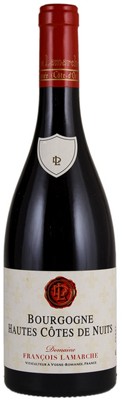
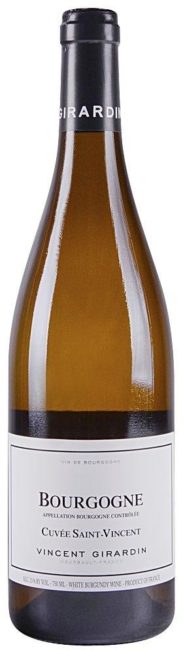 Vincent Girardin “Cuvée Saint-Vincent” (Bourgogne Blanc 2017) Regular Price $26