Introducing The Leopold Bloom, a $240 Wine-Aid package that includes six bottles of red Burgundy from some of the top producers in Côte Chalonnaise. Côte Chalonnaise continues as a regular chain of hills along the same lines as the Côte d’Or to its north. But the countryside is much less uniform and turns into a jumble of limestone slopes on which vineyards appear amongst orchards and pasture. These are some of the best value Pinot Noir-based wines in Burgundy. The price includes tax and delivery, as well as a deep discount. We will also honor a 10% discount on any bottles you might wish to add to the Wine-Aid package.
Leopold Bloom is the fictional character whose wanderings through Dublin during one 24-hour period on June 16, 1904,  form the central action of James Joyce’s novel Ulysses. Though he never leaves the streets of Dublin, Bloom is a wanderer like the Greek mythological hero Odysseus, to whom he is compared throughout the book.
Bloom is introduced to the reader as a man of appetites and even drinks a glass of Burgundy on his odyssey. This Wine-Aid package will surely sate your own appetites for world-class Pinot Noir.
Included in The Leopold Bloom Wine-Aid box are two bottles each:
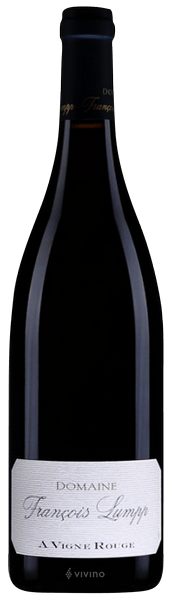 Domaine François Lumpp “A Vigne Rouge” (Givry Premier Cru, 2015) Regular Price: $50
For close to 30 years François Lumpp and his wife Isabelle have been leaders in Givry, illustrating how meticulous attention to producing the highest quality fruit can create wines that rival some of the finest in the Côte de Beaune. Using cuttings of older bud wood (sélection massale) François developed his domaine around Givry’s best Premier Cru sites, emerging as a benchmark producer for this small region. “A Vigne Rouge” is from a six acre plot of Oxfordian superior Nantoux limestone benches separated by thin marl on an ideally exposed and well-drained mid-slope. Notably ripe yet extraordinarily fresh, a glass emanates aromas of crunchy cranberry, redcurrant, and an earthy spice.
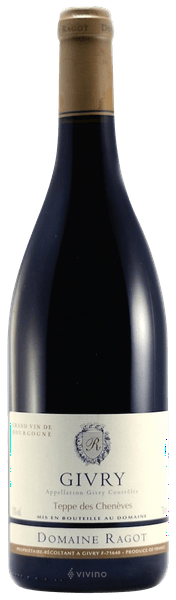 Domaine Ragot “Teppe des Cheneves” (Givry 2014) Regular Price: $40
Nicolas Ragot manages a little over 22 acres that includes a fair share of 40+ year old vines. Cultivation is approached lutte raisonee, with a few acres farmed organically and plans to expand that across all their holdings in the future. All of the fruit is hand-harvested and only indigenous yeasts are used. A newish parcel, the vines at “Teppe des Cheneves” were planted in 2009 in a vineyard that lies along nearly two acres that had been previously covered by forest. After clearing the east-facing slope, the Ragots planted Pinot Noir in high density on clay and limestone soils between 950 and 1,050 feet altitude. Loads of luscious Pinot Noir fruit on a lithe frame make this wine a summer pleaser.
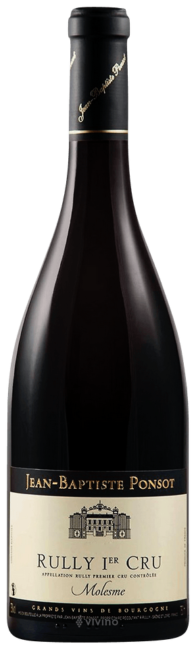 Domaine Jean-Baptiste Ponsot “Molesme” (Rully Premier Cru 2014) Regular Price: $40
Third-generation winemaker Jean-Baptiste Ponsot farms a total 21 acres in the Rully appellation. With a deep respect for the land that his family has been fostering for decades, he focuses on the intrinsic health of the ecosystem and his vines, choosing to cultivate using organic methods. His goal is to produce wines of intensity and depth, wines that can be considered both taut and ripe. “Molesme” is aged 12 months in barrels (40% of new oak). The wine shows a mildly herbal perfume underneath ripe and juicy fruit. A sip is velvety yet focused.
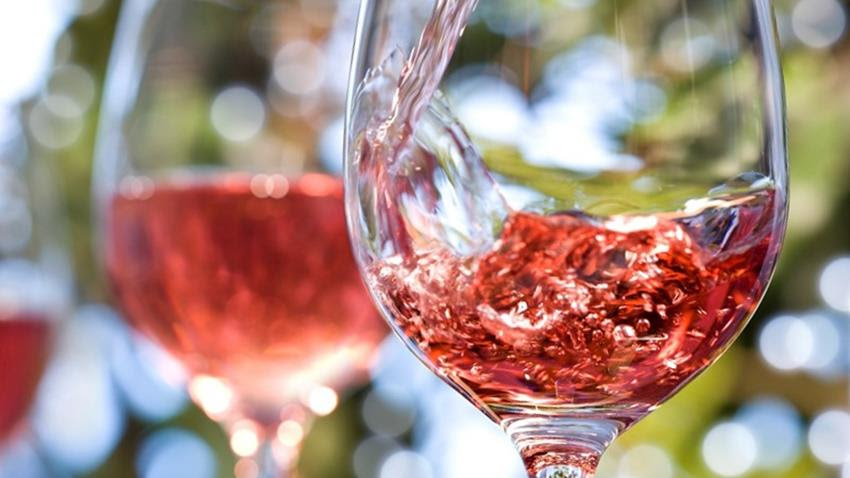 enough to pair with grilled meats and possibly even satisfy the most ardent red wine drinker.
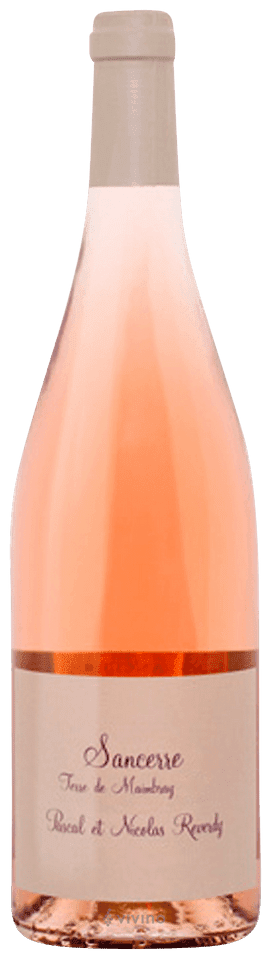 Pascal & Nicolas Reverdy “Terre de Maimbray” (Sancerre 2019) Regular Price $32
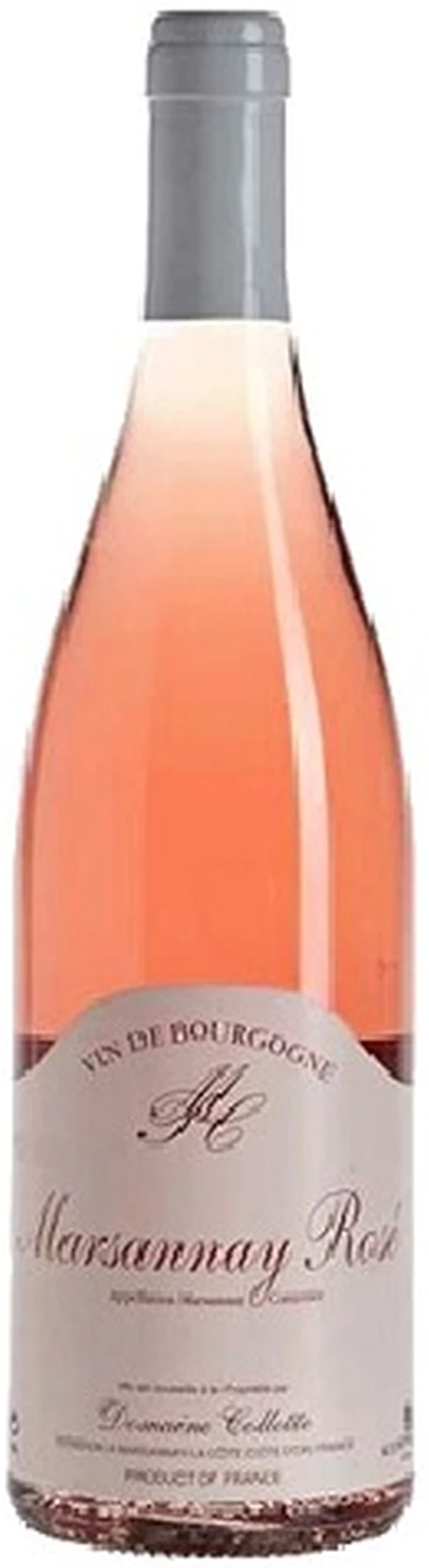 Domaine Collotte Rosé (Marsannay 2019) Regular Price $24
 Pierre-Marie Chermette “Griottes” (Beaujolais 2019) Regular Price $19
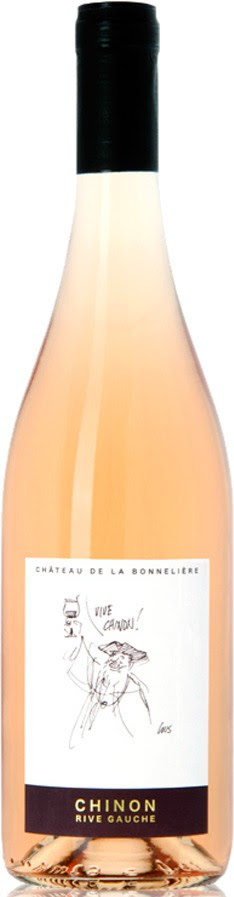 Château de la Bonnelière “Rive Gauche” (Chinon 2019) Regular Price $18
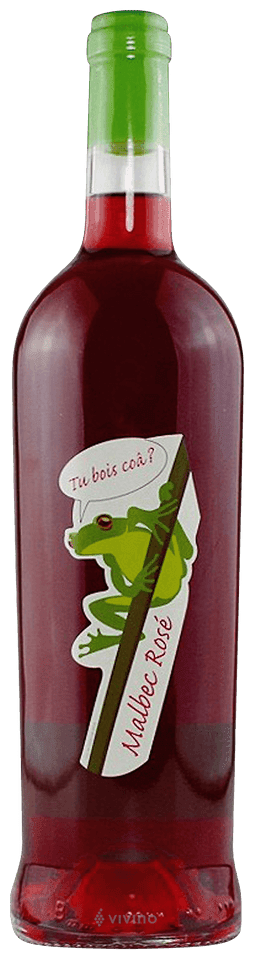 Domaine La Bérangeraie “Malbec Rosé” (IGP Côtes du Lot 2019) Regular Price $14
 Raventós i Blanc “de Nit” (cru Conca del Riu Anoia 2017) Regular Price $30
 What sets them apart is their goal of producing a wine that expresses the greatness of their vineyard parcels rather than merely maintain a “house style.” Purely on the refinement of its current cuvées,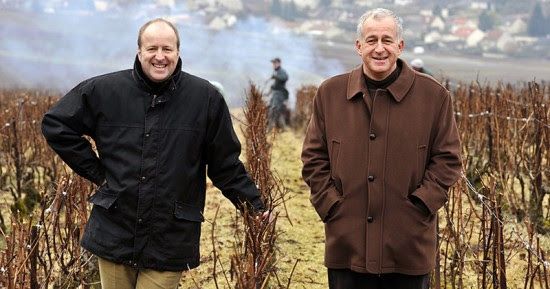
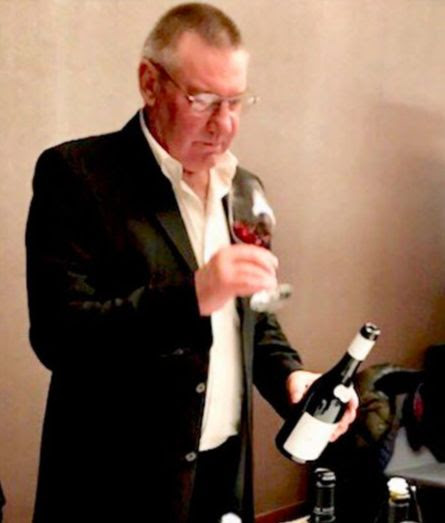 , Vincent Mongeard, is obviously not a Mugneret. But his grandmother was. And in 1945, when Vincent’s father, Jean Mongeard, decided to bottle his wines instead of selling off barrels to other estates, he combined the last names of his parents, who had worked the land before him, as the name of his winery.
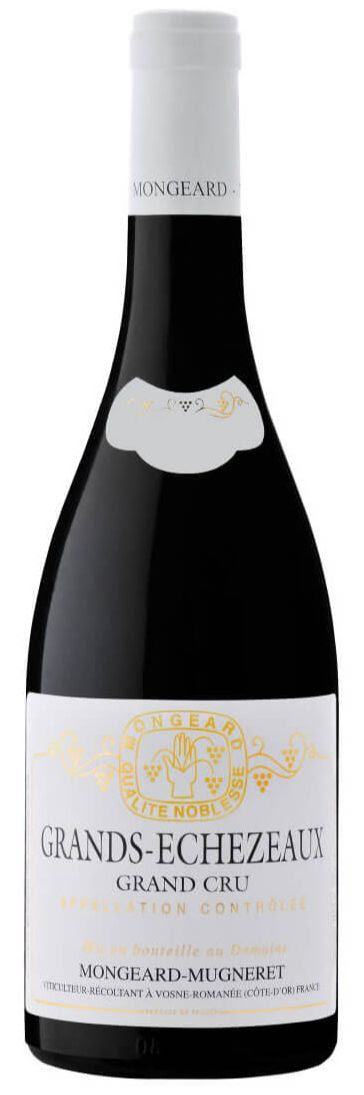 All parcels are worked sustainably (la lutte raisonée) with a focus on soil health. Fruit is harvested exclusively by hand and manually sorted in the winery. Fermentation begins naturally with indigenous yeasts.
 “Les Dames Huguettes” (Bourgogne Hautes-Côtes de Nuits)
 ~$53 Fixin (2014)
 ~$62 “Vieille Vigne” (Fixin 2017)
 “Les Narbantons” (Savigny-Lès-Beaune Premier Cru)
 ~$80 Vosne-Romanée (2017)
 ~$89 “Les Orveaux” (Vosne-Romanée Premier Cru 2014)
 ~$62 “Les Plateaux” (Nuits-St-Georges 2014)
 “Les Boudots” (Nuits-St-Georges Premier Cru)
 $99 Gevrey-Chambertin (1996)
 $108 “Les Cras” (Vougeot Premier Cru 2017)
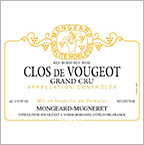 Clos de Vougeot (Grand Cru)
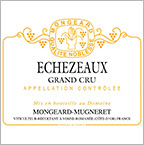 $198 Échezeaux (Grand Cru 2017)
 $279 “La Grande Complication” (Échezeaux Grand Cru 2017)
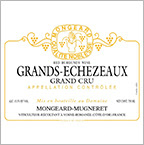 Grands-Échezeaux (Grand Cru)
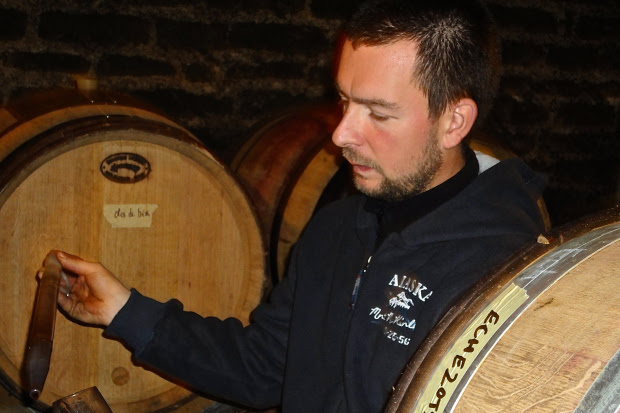 Pierre Bart is the sixth generation at Domaine Bart. Since 2009 he’s been running the 54 acre domaine along with his uncle, Martin. His grandmother comes from the same family as Domaine Bruno Clair, explaining why there are holdings in the Grand Crus of Bonnes-Mares and Chambertin-Clos de Bèze, as well as Santenay. Indeed, a good portion of the estate’s holdings come from the split of the renowned Domaine Claire-Daü between Domaine Bart and Domaine Bruno Clair (even another portion was sold off to Louis Jadot). Prior to the split, Domaine Claire-Daü was one of the most heralded and respected producers in the region, nearly single-handedly bringing the appellation of Marsannay its current status.
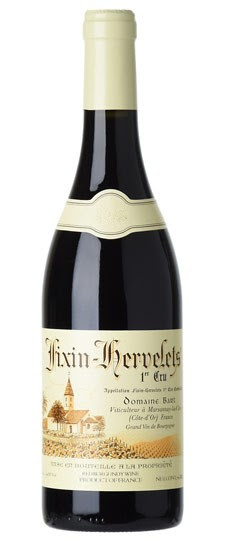 Pierre and Martin’s wines are balanced and classic Burgundy, understated with grace and elegance. It begins in the vineyard with sustainable and organic farming practices on every parcel. Each parcel is worked by hand according to its specific microclimate. The use of new oak is judicious and depends on the parcel. According to Pierre, “We make very fruity wines in classic style. The main words at our domaine are fruit and balance, balance between fruit, acidity and tannins. So we don’t produce big extracted wines. We try to respect the fruit.”
 $36 “Les Echezots” (Marsannay)