If you took the wine savvy of France, blended it with the climate of the Italian Riviera and stirred in the heritage of Greece, you might think you’d just created the Valhalla of Viniculture—a test tube appellation with Goldilocks conditions where everything is just right.
And you’d be close. Corsica began producing wine half a century before Christ, when traders from Anatolia planted vines in Aléria on Corsica’s western shore. The island was sold to France in 1768, a year before the birth of history’s most famous Corsican, Napoléon Bonaparte. But despite this alignment of stars, up until recently, Corsica did not produce much wine of note. Until well into the twentieth century, the primary grape planted throughout the island’s multitude of microclimates was Sciaccarellu, a variety whose value is primarily as a blender—as a stand-alone, it produces a simple, strawberry-perfumed wine that rarely shows much sophistication. In the later years of the twentieth century, however, government subsidies began to convince growers to reduce the numbers of vines they tended, and by 2003, that canny largesse resulted in more than 17,000 vine acres being uprooted. Combined with modern techniques like temperature-controlled fermentation, a new Corsican winemaking mindset has begun to take hold. Indigenous grapes still rule, including Niellucciu, derived from the Corsican word for ‘black and dry’; a close cousin of Sangiovese, but today, the hot, dry and mountainous island is the home to some of Mediterranean’s most iconic and spectacular wines.
 Many of them are labeled AOP (Appellation d’Origine Protégée) rather than AOC (Appellation d’Origine Contrôlée), the French designation of top quality. As legal guarantees (limited production area, compliance with specific production standards and established name recognition) the terms are pretty much interchangeable; they are simply awarded by different authorities. First created in France in 1905 and recognized internationally since 1958, ‘AOC’ as a label-dresser is gradually being supplanted by the Europe Union’s AOP. ‘Vin de Pays’ is also being phased out in favor of the EU’s IGP (Indication Géographique Protégée), a term that covers wine from a designated area. In some cases, they are as good or better than AOP wines, but produced according to standards that may stray the strict regulations of AOP/AOC.
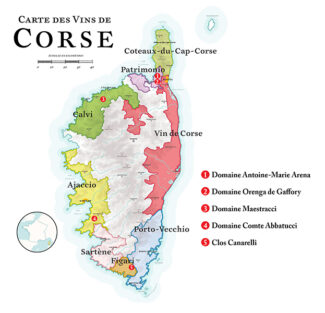
These five Corsican producers are leading the pack in terms of quality over quantity. The 8-bottle pack ($269, All Included) is just in time for your holiday libation. It includes two of Domaine Maestracci’s, two of each of Domaine Orenga de Gaffory’s white and red, and one each of Domaine Abbatucci and Clos Canarelli. Domaine Arena’s Muscat is specially priced and isn’t part of the package.
Domaine Orenga de Gaffory
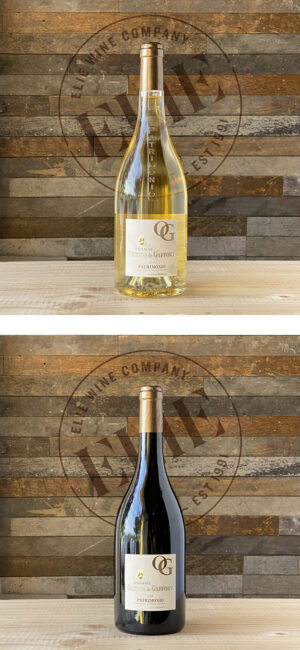 In parcels between the towns of Saint-Florent and Poggio-d’Oletta in the beautiful Patrimonio appellation in northern Corsica, Henri Orenga de Gaffory has been exploring unique terroirs since 1966. Finding them best expressed in traditional varietals, he dedicates his 150 acres to raising limited-yield Niellucciu, Vermentinu, Minustellu, Aleatico, Muscat and of course, the standby blending red, Sciaccarellu. Wine folks are familiar with at least a couple of them, but as to the rest, would be hard-pressed to bet on whether they were white or red. Here’s your hint: AOP Patrimonio 2019 White ($22) is 100% Vermentinu, grown in soils that are an equal blend of limestone, chalk and clay. It has an electric lemon-lime palate behind a white-flower bouquet tinged with brine. With another year of aging, honeyed wax notes will become more pronounced. AOP Patrimonio 2018 Red ($20) demonstrates the same terroir’s expression of Niellucciu—a native grape that must, by Patrimonio law, make up 90% of the blend with the balance in Grenache. It’s a robust and silky wine displaying fruits, peppery spice and licorice, tinged with mineral throughout.
Domaine Orenga de Gaffory
Domaine Maestracci
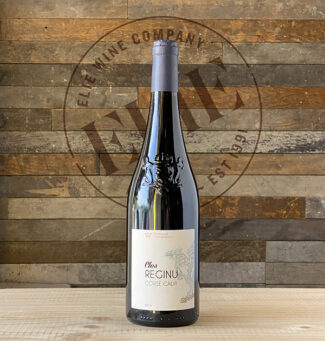 Inland from Calvi, the granite plateau of Reginu provides a microclimate known in Corsica as ‘U Vinu di E Prove’. Conditions there are familiar (and ideal) to those who understand diurnal shifts as it relates to the production of fine wine. Daytime temperatures rise to sweltering heights, but nights are high-elevation cool; the combined effects develop the sugar and stubbornly hold onto the ripening fruit’s natural acidity. On the estate of an old olive grove, Roger Maestracci saw an opportunity for vineyards; essentially the only two crops which thrive under these conditions are olive trees and grape vines. The estate is now run by his granddaughter, Camille-Anaïs Raoust, who refers to ‘Clos Reginu’ AOP Corse Calvi 2019 ($19) affectionately as ‘Clos Reggie’. It is a blend of grapes that may have been unfamiliar to you before tasting through this package, but which may have become new friends: 30% Niellucciu, 30% Grenache, 15% Sciaccarellu, 15% Syrah, 5% Mourvèdre and 5% Carignan. It is a juicy, spicy, herb-scented, mouthwatering red wine that can serve as the foundation to any summer meal enjoyed outside.
Domaine Maestracci
Domaine Comte Abbatucci
 In Corsica, the name ‘Abbatucci’ is seen as frequently as Washington in the United States, and for much the same reason—General Charles Abbatucci (from Ajaccio) was a hero of the French Revolution. The Domaine that bears the name is run by a direct descendent of the General, Jean-Charles Abbatucci. A fanatical exponent of the most eccentric of biodynamic techniques, the names of his blends are as flamboyant as the product behind the label—‘Cuvée Collection – Ministre Impérial’ Vin de France 2016 ($89) is composed of 22% Sciaccarellu, 18% Niellucciu, 15% Carcajolu-Neru, 15% Montanaccia, 12% Morescono, 10% Morescola and 8% Aleatico, drawing nuances from each of these fascinating varieties. Named for a leading military figure under Napoléon Bonaparte’s Premier Empire (who then became a consul under Napoléon III) the grapes are crushed by foot and macerated for 15 days before being aged in 600-liter demi-muids. The nose is an exotic combination of flower perfumes and exotic berry spice, and the wine unfolds with complexity, intensity and richness, with flavors of bramble fruits, cola, garrigue, good acidity and a backbone of toasted oak.
Domaine Comte Abbatucci
Clos Canarelli
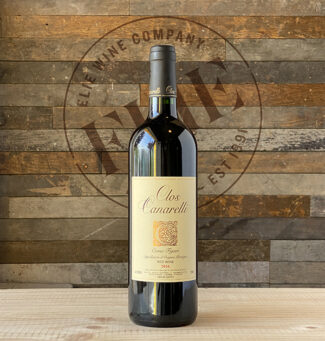 Yves Canarelli left a career in economics to return to his family’s wine estate on the somewhat brutal southern tip of Corsica, where temperatures have been known to soar to 109°F and rainfall rarely exceeds thirty inches annually; in the Figari appellation, the soil is essentially a sparse dusting of granitic red alluvia. Canarelli has championed the return of native varietals, which thrive in there in such conditions; he is one of the pioneers who advocated tearing out foreign grapes in favor of those first planted in Corsica since Phoenician times. Likewise, he uses only indigenous yeasts, and prefers slow, deliberate, precise fermentations, then leaves his reds unfiltered. AOP Corse Figari Rouge 2016 ($45) is a blend of 80% Niellucciu, 15% Syrah and 5% Sciaccarellu; it delivers a bold and intense presentation redolent of black cherry and dried blackberry with sweet almond, toasted spice and balsam in the finish.
Clos Canarelli
Domaine Antoine-Marie Arena
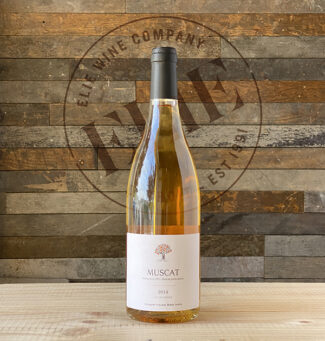 When legendary Corsican producer Antoine Arena split his Patrimonio estate into sections, each of his sons got a piece. To his parcel, Antoine-Marie brought not only experience from his native Ile de Beauté, but his enological and viticultural studies in Hyères as well as internships in both Burgundy and Provence. He explains, “Working as a family is great, but the Corsican spirit of liberty and independence guided us in this decision.” Fulfilling both ideals, he constructed his new wine cellar across from the family home and has begun own legacy with a series of remarkable releases from the vineyard Morta Maìo—translated as ‘The Eldest Myrtle’, referencing the myrtle shrub found throughout Corsica. ‘Morta Maìo’ Muscat, Vin de France 2014 (Sweet White) ($50) is from Antoine-Marie’s first solo vintage, and shows the complexity of Muscat as a dessert wine; notes of sultana and apricot underscore silky peach and luscious beeswax, and in the finish, candied orange and bergamot. The wine is referred to as ‘non-mute’ or ‘vin doux naturel’ which in the parlance of the craft means that no alcohol is added; the 13.5% ABV comes entirely from natural grape sugars.
Domaine Antoine-Marie Arena
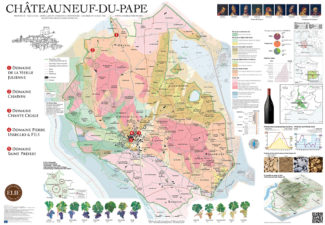 Limited to five communes, Châteauneuf-du-Pape commands prices worthy of its reputation, but many of the estates own vines just outside the tight borders and there are some plots on which some vineyard rows may be labeled Châteauneuf-du-Pape and adjacent rows, Côtes du Rhône. The finest of these face the challenge of bureaucracy rather than terroir. We firmly believe that the following wines offer extraordinary ‘CdP-esque’ quality at a phenomenal price; they are suited to those who drink for the wine instead of the label. A 10-bottle pack, two of each, for an all-inclusive price of $299.
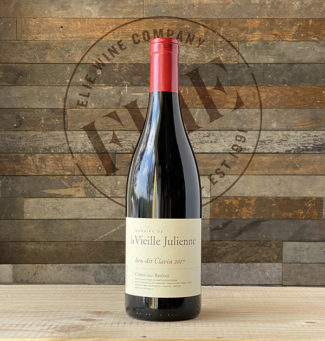 Domaine de la Vieille Julienne’s
 On the southern end of Châteauneuf-du-Pape, owner/winemaker
  Founded in 1948 by Italian winemaker Francis Usseglio, the domain released its first vintage the following year. Since then, the family has nurtured 17 parcels over almost fifty acres situated within some of the best terroirs in Châteauneuf-du-Pape, and today, brothers
 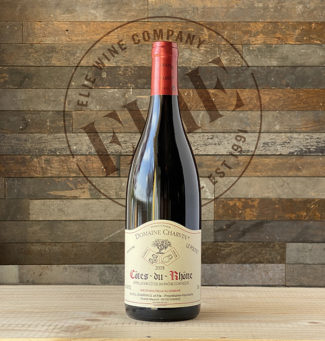 Laurent Charvin tends vines in the northwest end of Châteauneuf-du-Pape, primarily in Cabrières, Maucoil and Mont Redon. He farms organically, and vinifies old-school, without de-stemming and fermenting in concrete tanks for 21 months before being bottled unfiltered. From a sandy, north-facing hillside, “Le Poutet” 2018 ($26) is an exemplary Côtes du Rhône that shows Grenache elegance with ripe blackberry and mulberry mingled in bramble and spice. The palate is intense and generous and is wonderful testimony to the winemaker’s attention to detail.
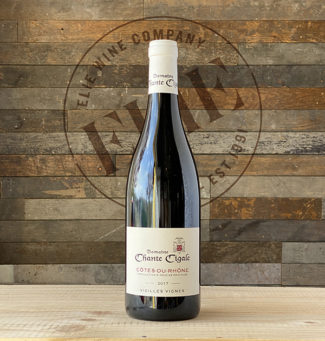 The roots of this domain extend back to 1874, when the delightfully-named Hyppolite Jourdan christened the estate Chante Cigale, meaning ‘song of the cicada’, as can be heard throughout Southern Rhône.
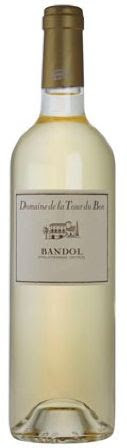
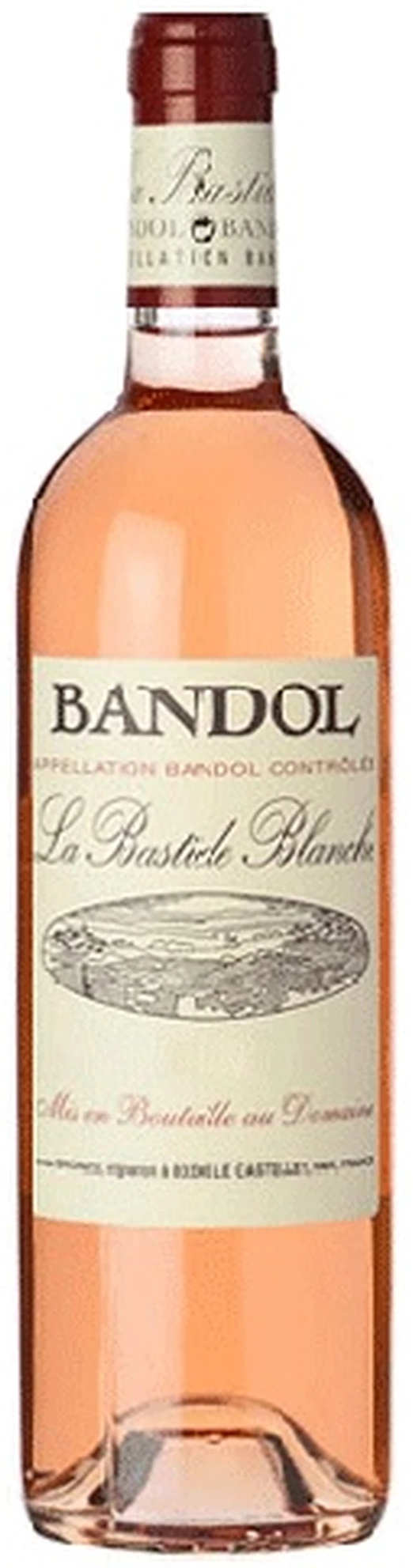
 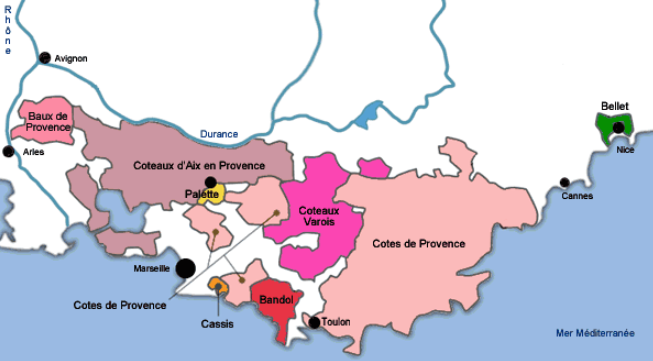 Bandol wine is grown in small quantities in the limestone hills near the village of Bandol, east of Marseille and west of Toulon. It’s sun-soaked southerly terraces brushed with Medditerranean breezes are ideal for cultivating Mourvèdre — a grape variety with one of the longest growing cycles, but when fully ripened has the potential to create some of the most substantial and long-lived wines on our pale blue dot. Being one of mainland France’s driest, sunniest climates, fungal diseases are not the perennial threat they are elsewhere, making the region well-suited to organic viticulture. Bandol red wines must be at least 50 percent Mourvèdre, with the remainder generally blended with the classic grapes of the Mediterranean: Grenache, Cinsault, Syrah, and Carignan.
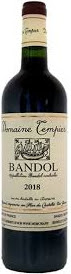 Domaine Tempier
 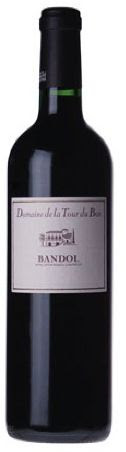 Domaine de la Tour du Bon
 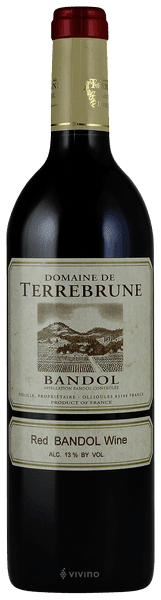 Domaine de Terrebrune
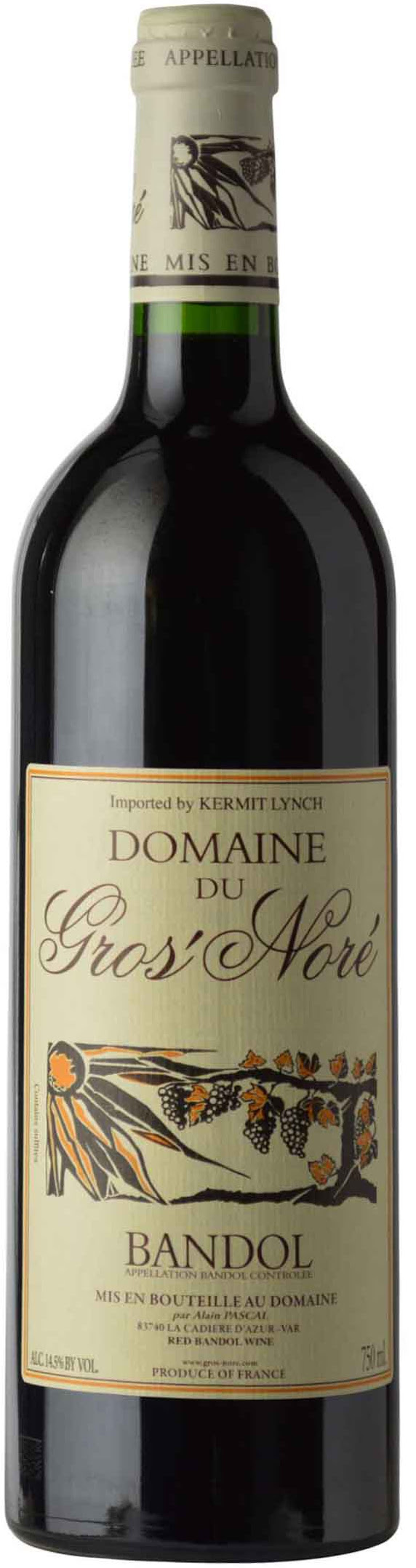 Domaine du Groś Nore
 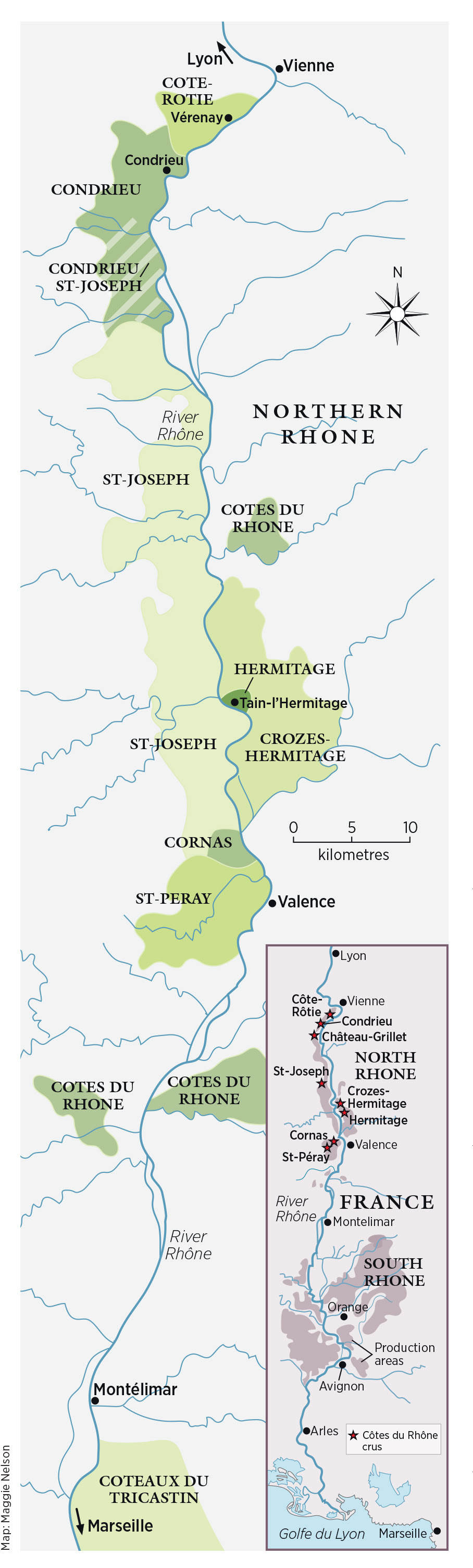 Home to some of the world’s most sought-after wines, Northern Rhône is the land of Syrah. Indeed, Syrah is the sole red wine grape allowed to be planted in the region’s major appellations, and it accounts for around 95% of the region’s wines.
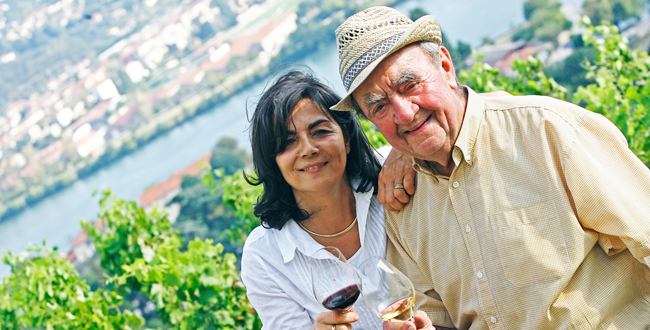 Some of the best values of the Northern Rhône come from Saint-Joseph and the appellation’s most complex wines are similar to those found in Côte Rôtie. For more than forty vintages, the late Georges Vernay was a towering figure in Northern Rhône, producing wines remarkable for their grace and complexity. Georges died in 2017 but had long since passed the torch to his daughter Christine Vernay. Since taking charge in 1997, she has brought the domaine to even greater heights. Christine continues with the methods developed by her father to best express the magic of the region’s wines. Yields are very low and the vineyards are organically farmed. Literally translated as “Lands of Ink” “Terre d’Encre” Saint-Joseph 2018 (Regular $77) is a wine worthy of its name. Produced from 30-year-old Syrah vines planted on granite soils in the municipality of Chavanay, it’s all meat and black cherry with a twang of acid, and a spicy licorice note on the finish.
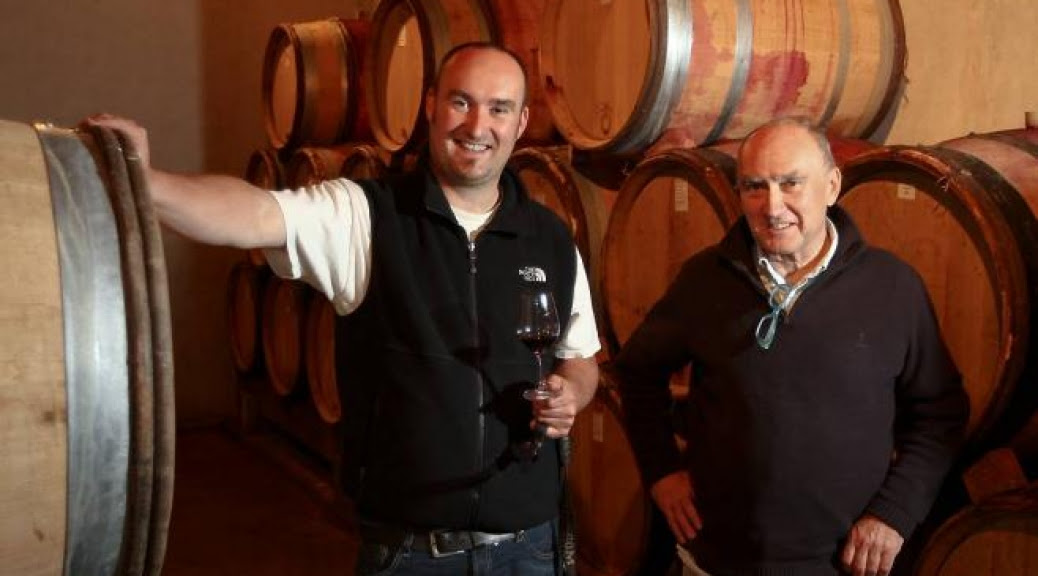 With many vineyards in the appellation being pebble-covered terraces with granite-clay soils and a blend of sand, look to Crozes-Hermitage for amped up floral aromatics and elegance. There are few names as revered as Alain Graillot in Northern Rhône. After working with the venerable Jacques Seysses at Domaine Dujac in Burgundy, Alain came back to his home in Crozes-Hermitage to start his own domaine in 1985, and soon became known for producing some of the region’s most haunting wines from his stony, organically farmed vineyards. Alain’s sons Maxime and Antoine have been in charge since 2008, with Alain working closely alongside them to this day. Crozes-Hermitage 2018 (Regular $49) is 100% Syrah from 30+ year old vines grown in the villages of La Chene Verts. 100% whole cluster fruit is fermented in concrete with indigenous yeast and then aged in 1-3 year old barrels purchased from some of the top estates in Burgundy. Spice-accented aromas of ripe dark berries and candied violet lead to a rich and energetic sip that finishes nice and spicy.
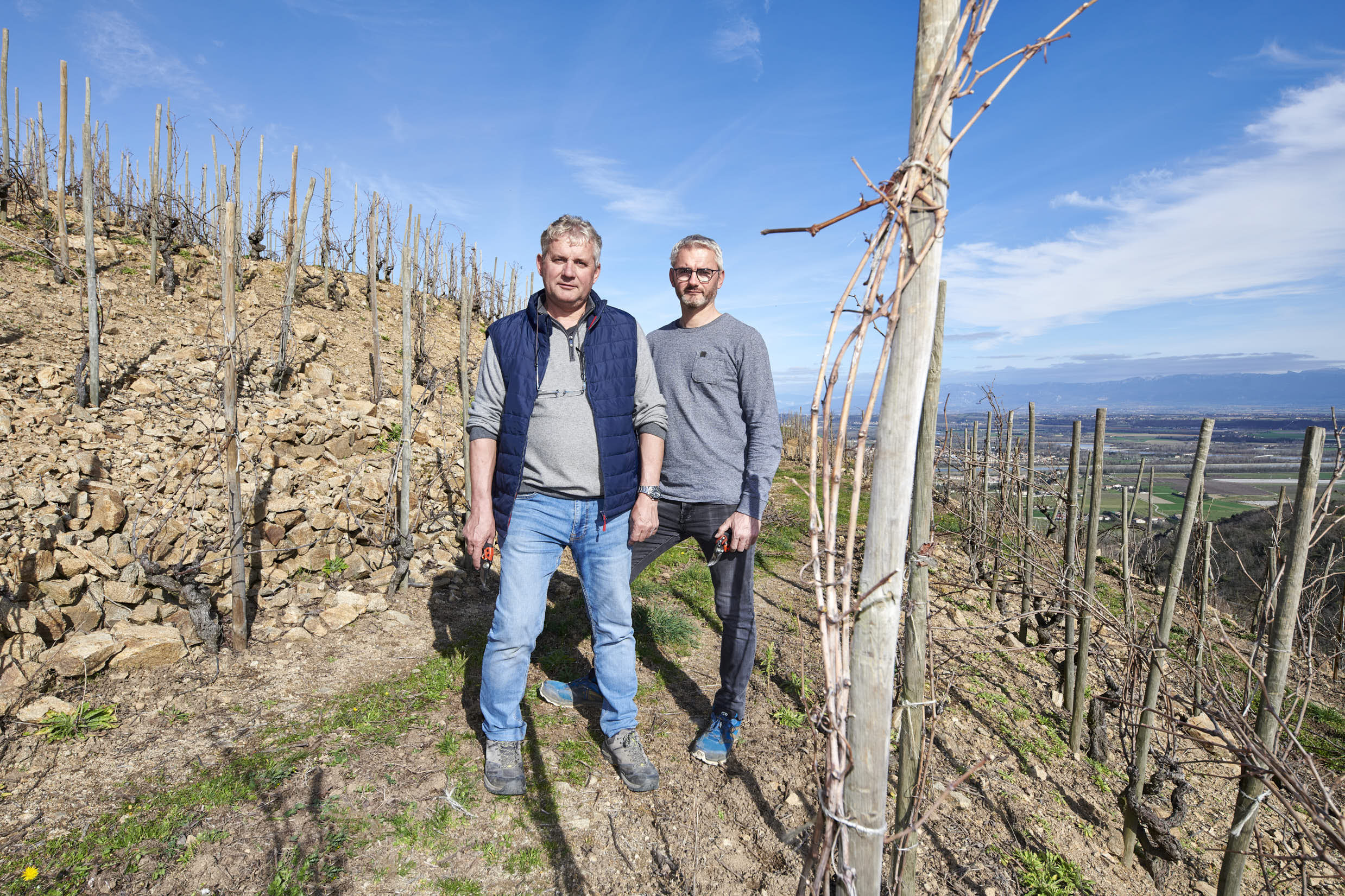 The burliest, meatiest, and ripest wines in Northern Rhône are usually Cornas. Yet they still offer the freshness and distinct minerality that is a hallmark of the region’s Syrah. The up-and-coming, small estate of Domaine Durand consists of 54 acres of vines across the appellations of Saint-Joseph, Saint-Péray, and Cornas, and is run by brothers Eric and Joël Durand. Methods are sustainable, yields are moderate, and the approach is geared towards producing wines of elegance, subtle power, and great purity. “Prémices” Cornas 2016 (Regular $40) is 100% Syrah. It comes from a selection of granite soil plots in areas that produce soft yet refined wines. Vines are 13 to 15 years old and yields are low. The grapes are harvested at peak balance and de-stemmed before fermentation. Maturation lasts for 12 months in used casks to produce a wine both generous and fresh, with fine yet prominent tannins, and loads of plum, fig, and blackberry fruit.
  Domaine de la Tour du Bon
  La Bastide Blanche
 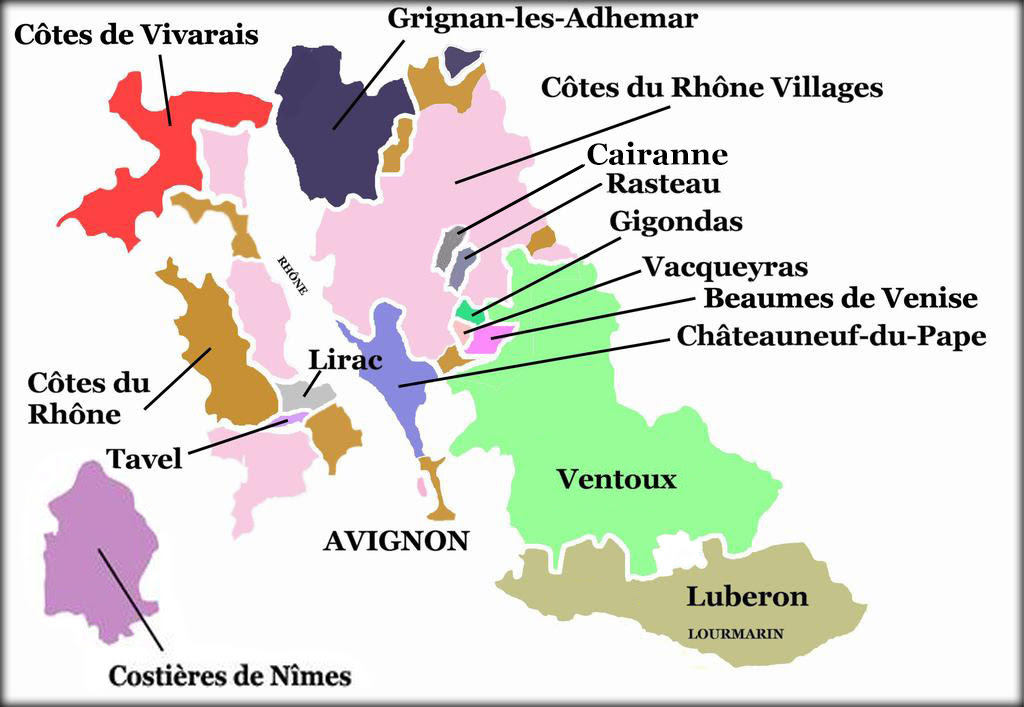 The Rhône River stretches from the Alps to the Mediterranean through an incredibly diverse expanse. At its southern end, between the cities of Vienne and Avignon, rolling hills meet plateaus of varying elevation under the toasty Mediterranean sun. Long, warm summers and mild winters allow the region’s dominant grape variety, Grenache, to yield good concentration via stony soils and low rainfall. This is the region of France’s most user-friendly wines.
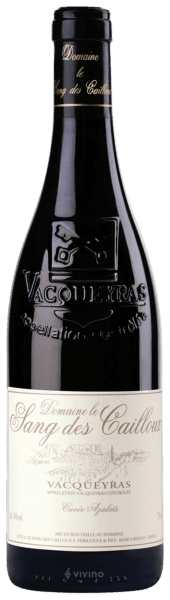 Vacqueyras
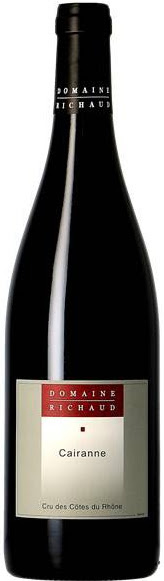 Cairanne
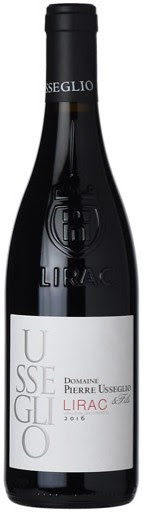 Lirac
Lirac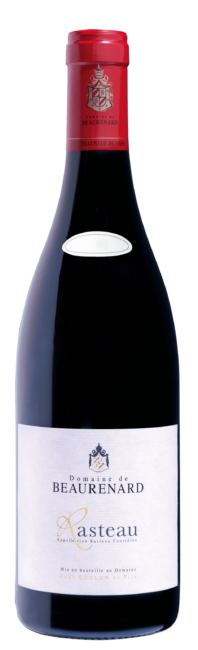 Rasteau
 Gigondas
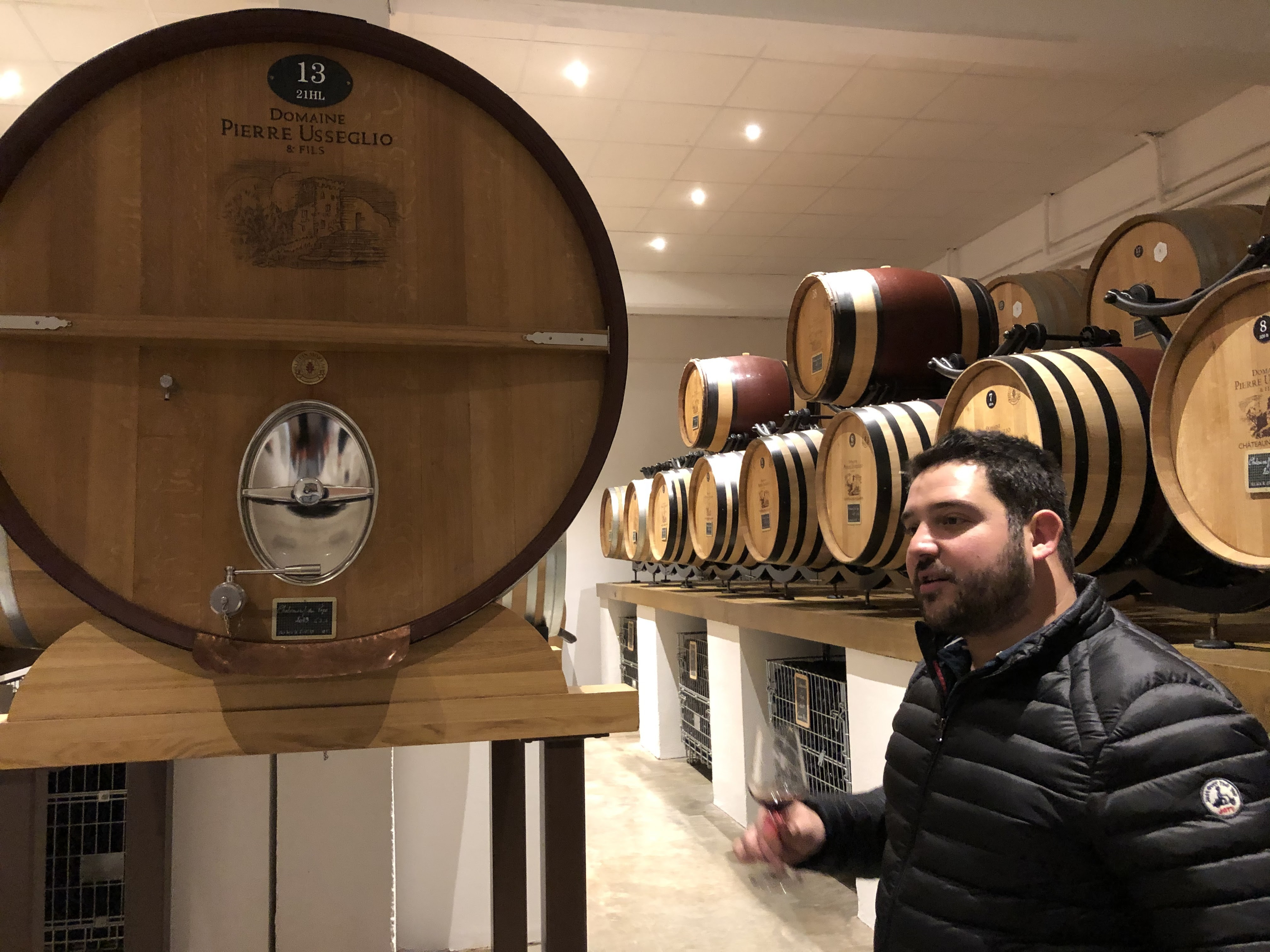 , the family estate, while Raymond went on to build his own remarkable winemaking operation. Today, Domaine Pierre Usseglio is run by Pierre’s two sons, Jean-Pierre and Thierry. Clearly, wine runs through the family’s veins.
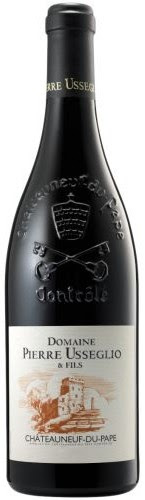 1 BOTTLE Châteauneuf-du-Pape (2016) RED, Regular Price: $62
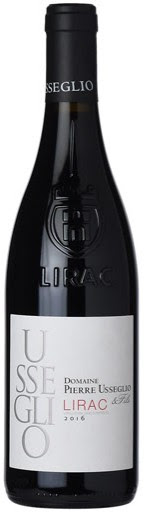 2 BOTTLES Lirac (2017) RED, Regular Price: $35
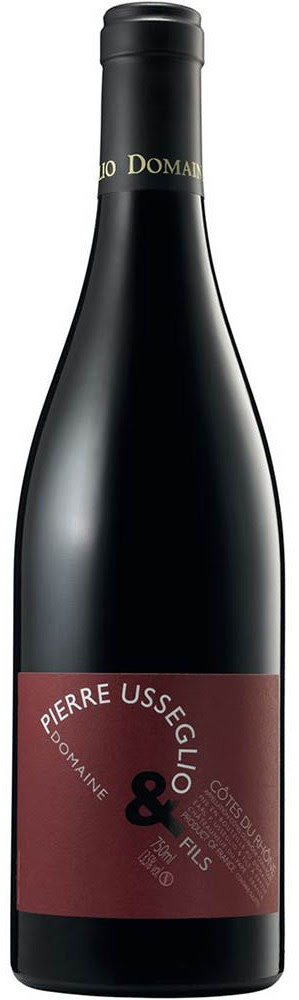 3 BOTTLES Côtes-du-Rhône (2016) RED, Regular Price: $30
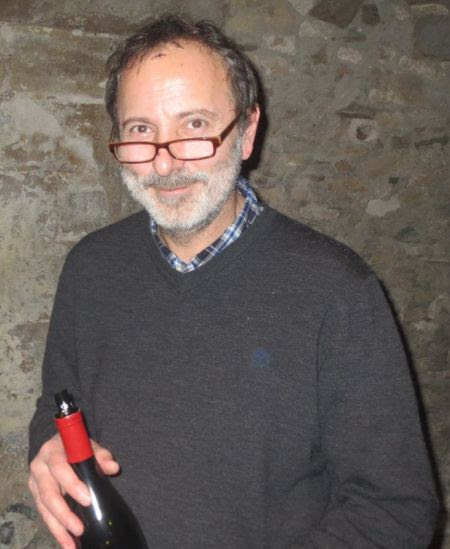 The estate is comprised of 50 acres, in a single block, on the heights of “lieu-dit Clavin” at the northern limit of Châteauneuf-du-Pape.
 1 BOTTLE “Les Hauts-Lieux” (Châteauneuf-du-Pape 2016) RED, Regular Price: $99
 2 BOTTLES “Lieu-Dit Clavin” (Côtes-du-Rhône 2019) WHITE, Regular Price: $42
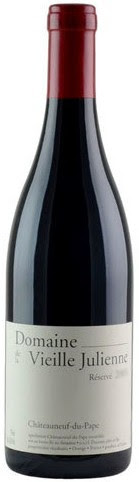 “Réservé” (Châteauneuf-du-Pape 2016) RED, Special Price: $289
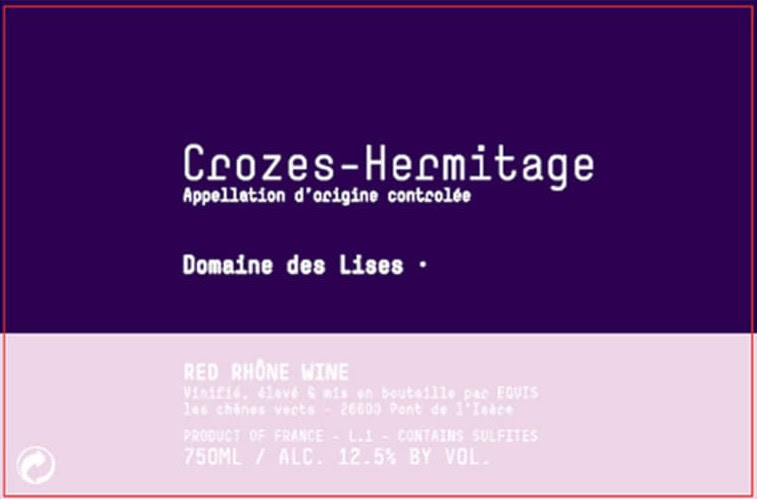 2 Bottles Domaine des Lises (Crozes-Hermitage 2017) Regular Price: $48
 2 BOTTLES “Prémices” (Cornas 2016) Regular Price: $40
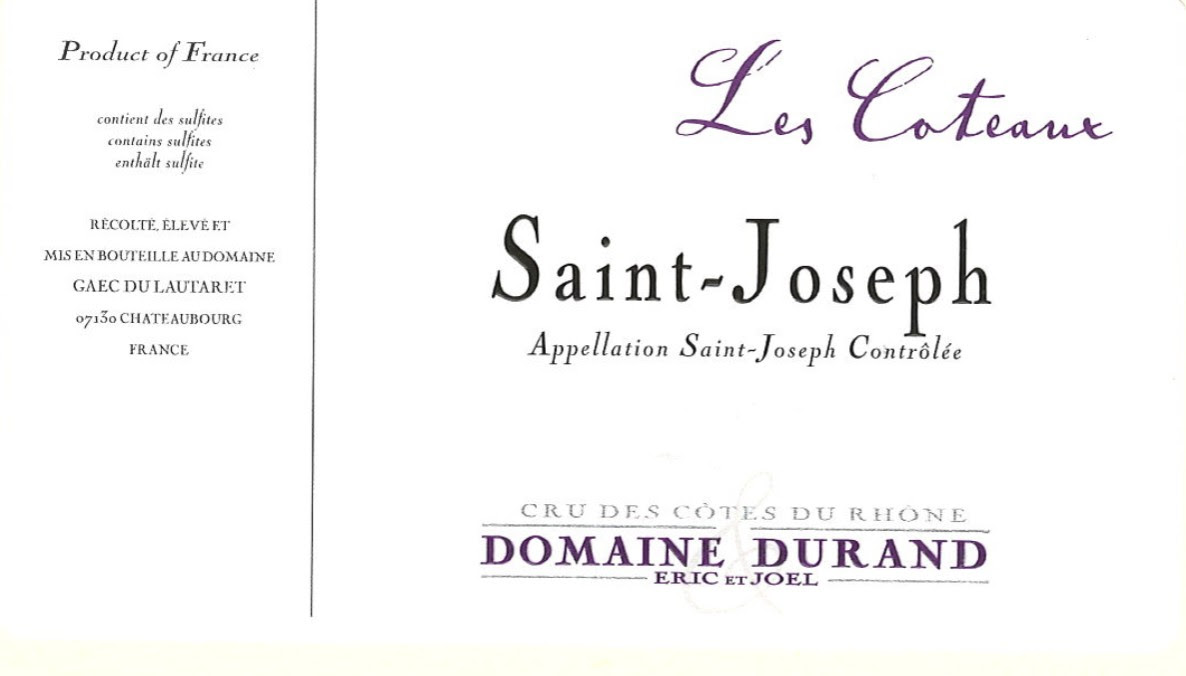 2 BOTTLES “Les Coteaux” (Saint-Joseph 2017) Regular Price: $36
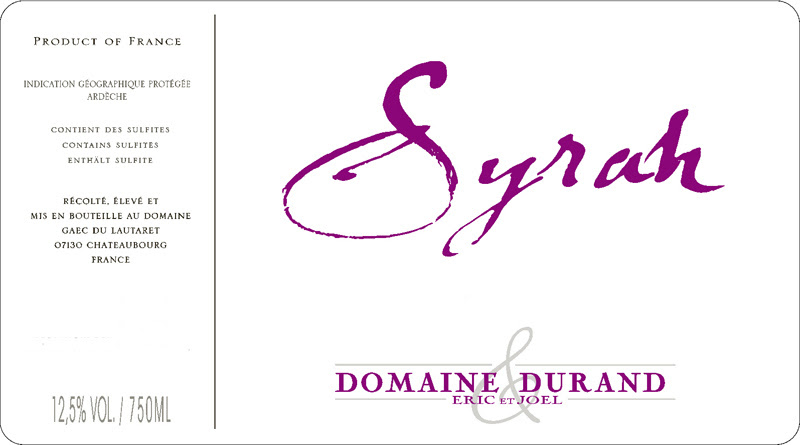 2 BOTTLES “Syrah” (IGP Ardèche 2018) Regular Price: $19
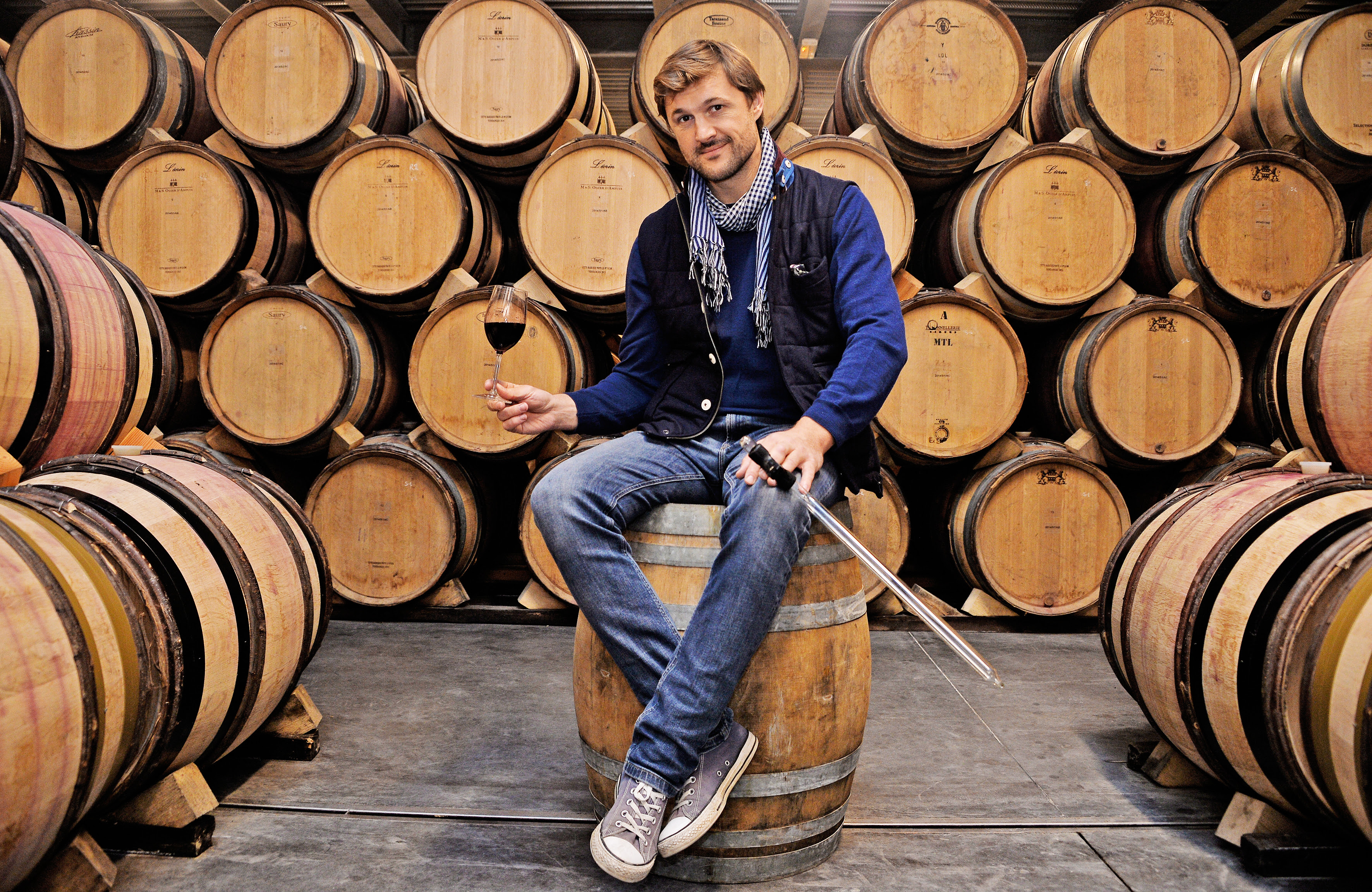 A seventh generation winemaker, Stéphane knew he wanted to follow in his father’s footsteps from a very early age. After studying viticulture and oenology in Beaune, he did practical training with some of the best winemakers in Burgundy and South Africa. In 1997 he took over the family estate.
 $89 “La Combe de Malleval” (Condrieu 2018)
 $80 “Mon Village” (Côte-Rôtie 2016)
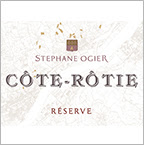 $153 “Réserve” (Côte-Rôtie 2015)
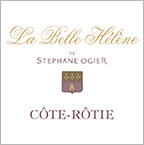 $531 “La Belle Hélène” (Côte-Rôtie 2015) 750ml
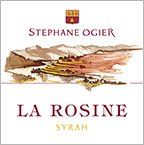 “Syrah La Rosine” (IGP Collines Rhodaniennes 2016) RED, Regular Price: $35
 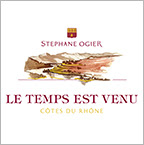 “Le Temps est Venu” (Côtes du Rhône 2017) RED, Regular Price: $22
 “Viognier de Rosine” (IGP Collines Rhodaniennes) WHITE, Regular Price: $40